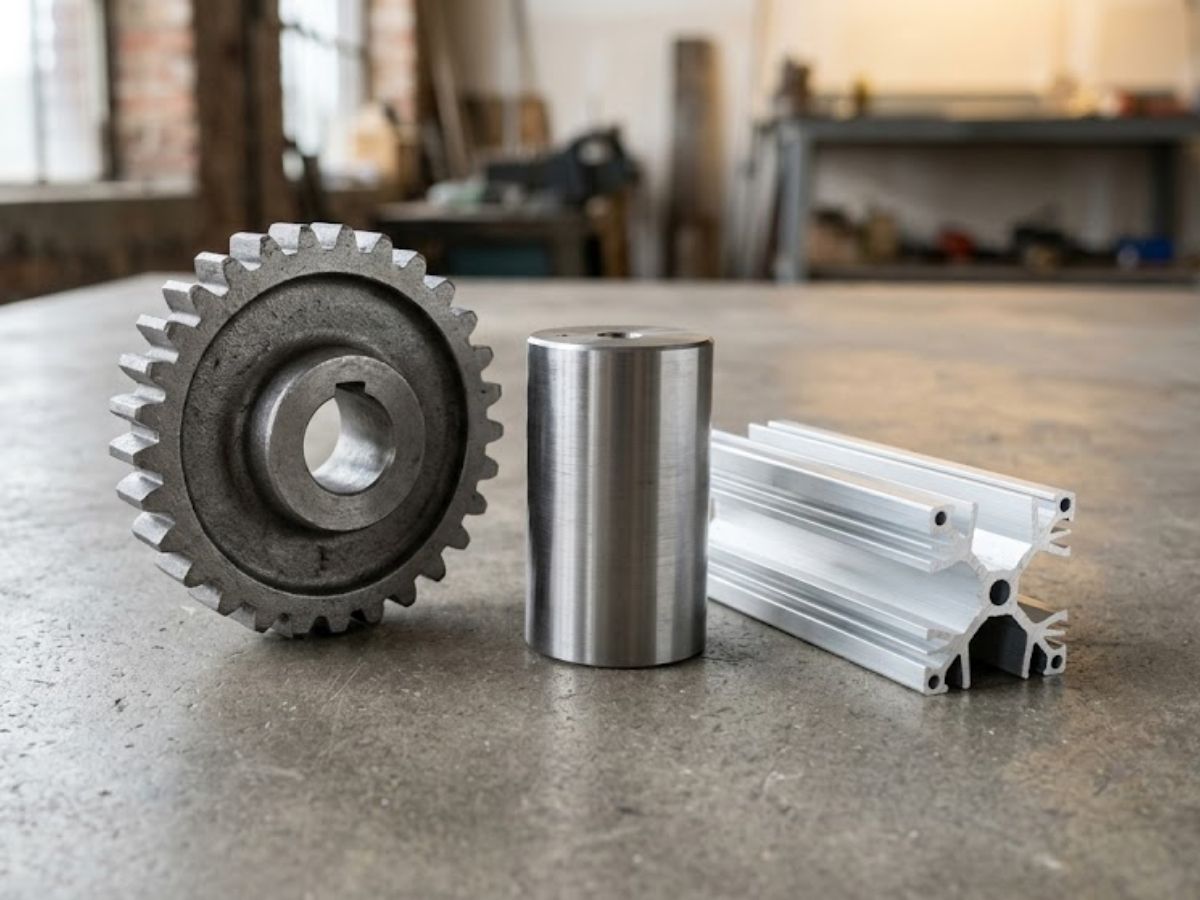
What Is Metal? The Fundamental Properties of Iron, Steel, and Aluminum
Metal is one of the most essential materials in modern industry. From construction and automotive manufacturing to aerospace, renewable energy, and industrial machinery, virtually every sector relies on metals to produce durable and high-performance products. Understanding what is metal properties is therefore essential for engineers, purchasing professionals, designers, and manufacturers seeking the most suitable material for their applications.
Not all metals offer the same characteristics. Iron, steel, and aluminum differ significantly in terms of mechanical strength, weight, corrosion resistance, machinability, and overall performance. Selecting the right material directly affects product quality, service life, manufacturing efficiency, and total project cost.
In this article, we explain what metals are, examine their key properties, compare iron, steel, and aluminum, and discuss the most important considerations when selecting the right material from a manufacturer's perspective.
What Is a Metal?
A metal is a material characterized by high thermal and electrical conductivity, metallic luster, mechanical strength, and the ability to be formed without fracturing under appropriate conditions.
Most elements in the periodic table are classified as metals. However, pure metals are rarely used in industrial production. Instead, manufacturers primarily work with alloys because they provide improved mechanical, physical, and chemical properties.
Common examples include:
- Steel, an alloy of iron and carbon
- Stainless steel, containing chromium and often nickel
- Aluminum alloys such as EN AW-6060, EN AW-6063, and EN AW-6082
By adding different alloying elements, manufacturers can optimize properties such as strength, corrosion resistance, hardness, and machinability to meet specific engineering requirements.
Key Properties of Metals
When selecting a metal, technical performance is often more important than purchase price alone.
Mechanical Strength
Metals can withstand significant static and dynamic loads.
This makes them suitable for applications including:
- Structural components
- Industrial machinery
- Automotive parts
- Manufacturing equipment
- Engineering tools
Mechanical properties such as yield strength, tensile strength, and hardness vary depending on the alloy.
Ductility
Ductility refers to a metal's ability to deform plastically without cracking.
This characteristic is especially important for manufacturing processes such as:
- Extrusion
- Rolling
- Forging
- Wire drawing
Higher ductility allows manufacturers to produce complex shapes more efficiently.
Machinability
Metals can be processed using numerous manufacturing methods, including:
- Cutting
- Drilling
- Milling
- CNC machining
- Welding
- Bending
- Punching
Good machinability reduces production time and manufacturing costs.
Thermal and Electrical Conductivity
Many metals provide excellent heat and electrical conductivity.
Although copper offers the highest electrical conductivity among commonly used engineering metals, aluminum provides an outstanding balance between conductivity and low weight, making it a preferred material for electrical transmission and energy applications.
Corrosion Resistance
Different metals respond differently to environmental conditions.
For example:
- Carbon steel is susceptible to corrosion.
- Stainless steel achieves excellent corrosion resistance through chromium.
- Aluminum naturally forms a protective oxide layer that prevents further corrosion.
Recyclability
One of the greatest advantages of metals is their ability to be recycled repeatedly.
Aluminum is particularly valuable because it can be recycled with minimal loss of material quality while requiring significantly less energy than primary aluminum production.
What Is Iron?
Iron (Fe) is one of the most widely used metals in the world.
Its high strength and relatively low cost make it suitable for numerous industrial applications.
Typical uses include:
- Structural construction
- Cast components
- Machine frames
- Railway systems
- Heavy industrial equipment
However, pure iron is rarely used in manufacturing.
The primary reasons include:
- Low corrosion resistance
- Limited hardness
- Moderate wear resistance
Instead, iron serves primarily as the base material for steel production.
What Is Steel?
Steel is an alloy primarily composed of iron and carbon.
Additional alloying elements such as chromium, nickel, molybdenum, and manganese further enhance its mechanical and chemical properties.
As carbon content increases, the material generally offers:
- Higher hardness
- Greater strength
- Improved wear resistance
However, increased hardness may reduce machinability.
Major steel categories include:
- Carbon steels
- Alloy steels
- Tool steels
- Stainless steels
- Structural steels
International manufacturing commonly follows European standards such as:
- EN 10025 for structural steels
- EN 10088 for stainless steels
These standards specify chemical composition, mechanical properties, and testing requirements.
What Is Aluminum?
Aluminum has become one of today's most important engineering materials.
With a density of approximately 2.70 g/cm³, aluminum weighs roughly one-third as much as steel, providing substantial advantages in lightweight design, transportation efficiency, and energy savings.
Its key advantages include:
- Low weight
- Excellent corrosion resistance
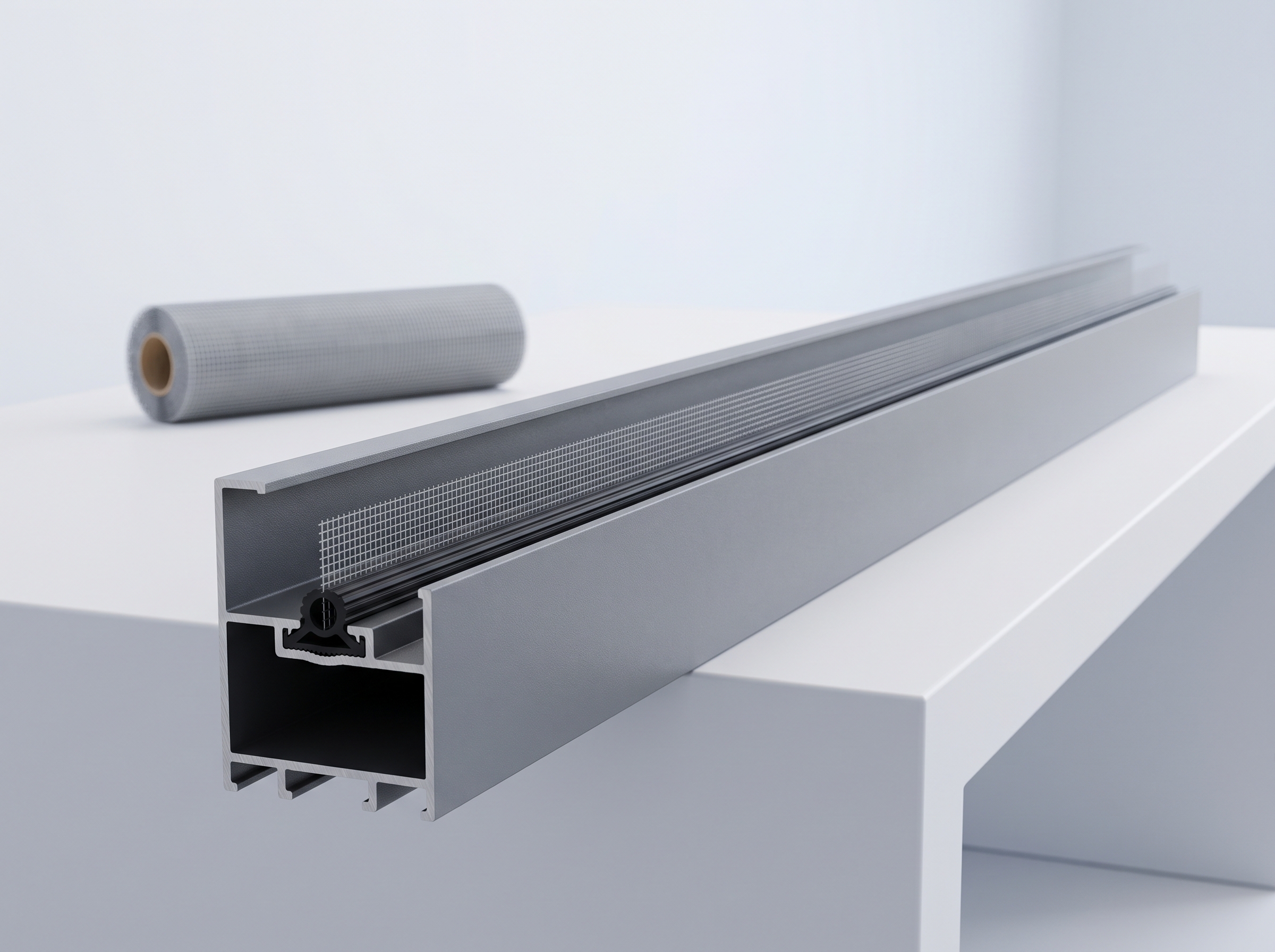
- Outstanding extrudability
- High-quality surface finish
- Excellent recyclability
- Good thermal conductivity
- Attractive appearance
Because of these characteristics, aluminum is widely used in:
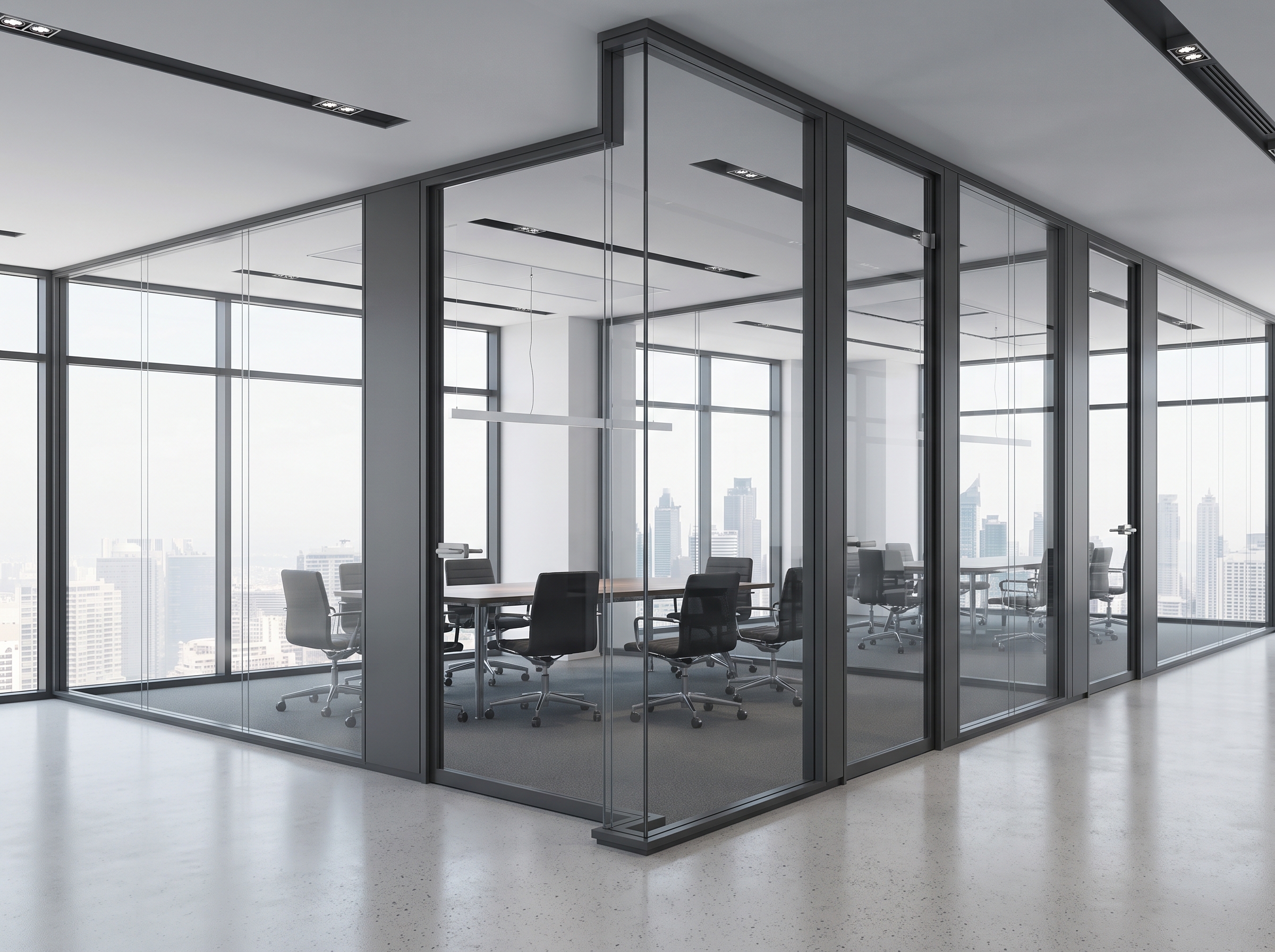
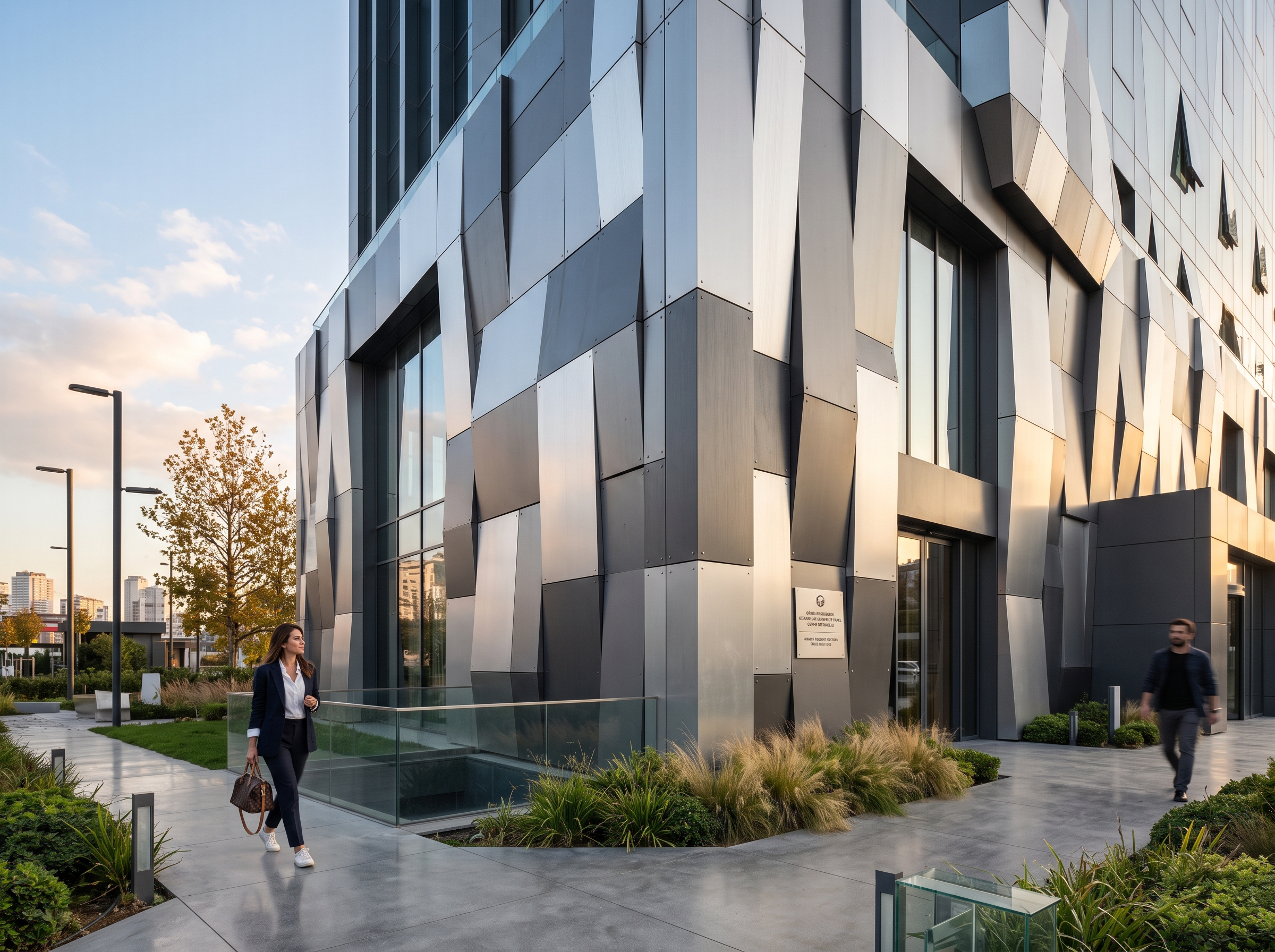
- Architectural systems
- Windows and doors
- Curtain wall systems
- Solar energy applications
- Automotive manufacturing
- Aerospace
- Industrial machinery
- Furniture production
Manufacturers operating integrated production facilities—from aluminum billet casting and extrusion to precision machining and powder coating—can maintain tighter process control, consistent product quality, and greater supply chain reliability.
Iron vs. Steel vs. Aluminum Comparison
| Property | Iron | Steel | Aluminum |
|---|---|---|---|
| Density | High | High | Low |
| Weight | Heavy | Heavy | Lightweight |
| Corrosion Resistance | Low | Medium to High (depending on the alloy) | High |
| Machinability | Moderate | Alloy-dependent | High |
| Weldability | Good | Good | Depends on the alloy |
| Recyclability | Yes | Yes | Excellent |
| Suitability for Extrusion | Not suitable | Limited | Excellent |
| Architectural Applications | Limited | Moderate | Extensive |
As the table illustrates, no single metal is universally superior. The most suitable material depends on the application's performance requirements. Steel is often the preferred choice where maximum strength is required, while aluminum offers significant advantages in lightweight construction, corrosion resistance, and design flexibility.
What Should Be Considered When Selecting a Metal?
Material selection should never be based solely on purchase price. Evaluating the entire lifecycle of a product helps improve performance while reducing long-term operating costs.
1. Service Environment
The operating environment has a major impact on a material's durability.
Important considerations include:
- Humidity
- Marine exposure
- Chemicals
- UV radiation
- Elevated temperatures
In corrosive environments, aluminum often provides a longer service life than unprotected carbon steel.
2. Mechanical Load
Understanding the expected structural loads is essential.
Applications requiring high strength may call for advanced steel grades or high-strength aluminum alloys.
3. Weight
Reducing weight has become a priority across many industries, including:
- Automotive manufacturing
- Rail transportation
- Aerospace
- Commercial vehicles
- Material handling systems
Aluminum enables substantial weight reduction while maintaining excellent structural performance.
4. Manufacturing Process
The selected material must also be compatible with the intended manufacturing process.
Typical production methods include:
- Extrusion
- Casting
- CNC machining
- Welding
- Bending
- Stamping
Not every alloy performs equally well during each manufacturing operation.
5. Surface Finishing
Many industrial components require additional surface treatments, such as:
- Powder coating
- Anodizing
- Polishing
- Sandblasting
- Brushing
Material compatibility with these finishing processes should be considered during the design phase.
Why Is Aluminum Becoming Increasingly Popular?
Over the past several decades, aluminum has become one of the fastest-growing engineering materials across numerous industries.
Its growing popularity is driven by several advantages:
- Low weight
- Excellent corrosion resistance
- Outstanding recyclability
- Long service life
- Low maintenance requirements
- Superior design flexibility
- Excellent formability
- High-quality surface appearance
Industries such as electric vehicles, renewable energy, sustainable construction, transportation, and industrial automation continue to increase their use of aluminum to improve efficiency and reduce overall system weight.
Furthermore, aluminum recycling requires only a fraction of the energy needed to produce primary aluminum, making it one of the most sustainable engineering materials available today.
What Determines the Quality of a Metal Product?
The quality of a metal product depends not only on the alloy itself but also on every stage of the manufacturing process.
For aluminum profiles, key quality factors include:
- Billet chemical composition
- Homogenization process
- Extrusion parameters
- Cooling rate
- Heat treatment and aging
- Precision machining
- Surface preparation
- Powder coating or anodizing
- Comprehensive quality inspection
Manufacturers operating integrated production facilities can closely monitor every stage of production, ensuring dimensional accuracy, consistent mechanical properties, product traceability, and reliable quality.
International quality management systems based on ISO standards, together with manufacturing practices aligned with EN standards, help ensure repeatable production processes and consistent material performance.
Practical Checklist for Industrial Buyers
Before selecting a metal for your project, consider the following questions:
✔ What environmental conditions will the product operate in?
✔ What mechanical loads must it withstand?
✔ Will corrosion resistance be a critical requirement?
✔ Is reducing weight an important objective?
✔ Will welding or precision machining be required?
✔ Does the product require anodizing or powder coating?
✔ Are there applicable EN, ISO, or customer-specific standards?
✔ Can the manufacturer provide technical guidance on alloy selection?
✔ Is long-term material availability guaranteed?
✔ Have you evaluated the total cost of ownership rather than only the initial purchase price?
Answering these questions early in the design process helps minimize technical risks, reduce manufacturing costs, and improve long-term product performance.
Conclusion
Metals remain the foundation of modern manufacturing and engineering. Iron, steel, and aluminum each offer unique advantages, making them suitable for different industrial applications. Selecting the right material requires evaluating not only strength and cost but also corrosion resistance, weight, manufacturability, durability, and sustainability.
Among today's engineering materials, aluminum has become one of the most versatile solutions thanks to its outstanding strength-to-weight ratio, excellent corrosion resistance, superior formability, and high recyclability. These characteristics have made it the preferred material for applications ranging from architecture and transportation to industrial equipment and renewable energy systems.
From a manufacturer's perspective, product quality begins with selecting the appropriate alloy and continues through billet production, extrusion, precision machining, surface finishing, and rigorous quality control. An integrated manufacturing approach helps ensure consistent quality, improved traceability, and reliable delivery performance.
Request Technical Support or a Quote
If you are looking for the right aluminum alloy or a custom extrusion solution for your next project, Biser Aluminum is ready to support your engineering and manufacturing requirements.
From aluminum billets and extrusion profiles to precision machining, powder coating, and architectural aluminum systems, we provide integrated manufacturing solutions tailored to industrial customers worldwide.
Contact our technical team today to discuss your project, receive expert engineering support, or request a customized quotation.