The Use of Aluminium in Construction: Advantages, Applications and Properties
The construction industry requires building materials that are durable, lightweight, long-lasting and flexible in terms of design. As modern architecture increasingly focuses on large glass surfaces, slim-profile façade systems, energy-efficient building solutions and aesthetic designs, aluminium has become one of the key materials meeting these requirements.
Thanks to its low density, corrosion resistance, design flexibility and recyclability, aluminium is used in a wide range of construction applications, from window and door systems to façades, roof structures and solar shading systems.
So, why is aluminium preferred in construction? What are its main applications in the building industry, and how do aluminium extrusion profiles contribute to modern architecture?
1. Why Is Aluminium Used in the Construction Industry?
The main reason aluminium is widely used in construction is its ability to meet various technical and aesthetic requirements within a single material.
Lightweight Yet Durable
Aluminium has a density of approximately 2.70 g/cm³, whereas steel has a density of around 7.85 g/cm³. This means that aluminium is significantly lighter than steel for the same volume.
Its low weight can be advantageous in façade systems, window and door profiles, roofing components and various structural elements. Lighter building components can also simplify transportation, handling and installation.
However, the mechanical strength of aluminium alloys depends on the alloy, temper, profile geometry and design. For load-bearing applications, material selection must always be supported by appropriate engineering calculations.
Corrosion Resistance
When exposed to air, aluminium naturally forms a thin oxide layer on its surface. This layer helps protect the metal against atmospheric corrosion.
This property is particularly important in façade, window, door and roofing applications exposed to rain, moisture and changing weather conditions.
Where required, additional protection can be achieved through surface treatments such as electrostatic powder coating or anodising. In coastal areas and other corrosive environments, surface treatment, fastener compatibility and design details should be carefully considered.
Design Flexibility
One of the main reasons aluminium stands out in the construction industry is its versatility in terms of shaping and processing.
The extrusion process makes it possible to manufacture aluminium profiles with complex cross-sections, different dimensions and application-specific geometries.
This gives architects, engineers and system manufacturers the flexibility to develop solutions tailored to individual project requirements.
Long Service Life and Low Maintenance
When the appropriate alloy and surface treatment are selected, aluminium can be suitable for long-term outdoor use. Unlike wood, it does not experience the same moisture-related swelling or deformation issues, and its natural oxide layer provides protection against corrosion.
These properties can help reduce maintenance requirements. However, the service life of a finished product also depends on system design, seals, fasteners, installation quality and maintenance conditions.
A Recyclable Material
Aluminium can be recycled repeatedly without significantly losing its essential material properties.
Using recycled aluminium can substantially reduce energy consumption compared with primary aluminium production. This makes aluminium an important material in the context of the circular economy and sustainable construction.
However, the environmental performance of a building should not be assessed solely on the recyclability of its materials. Factors such as raw material production, energy sources, recycled content, transportation and service life should also be considered throughout the entire life cycle.
2. What Are the Applications of Aluminium in Construction?
Aluminium can be used both in the exterior envelope of buildings and in interior applications. Thanks to different manufacturing processes and profile designs, it can be adapted to a wide range of architectural and engineering requirements.
The main applications of aluminium in construction include the following:
Aluminium Window and Door Systems
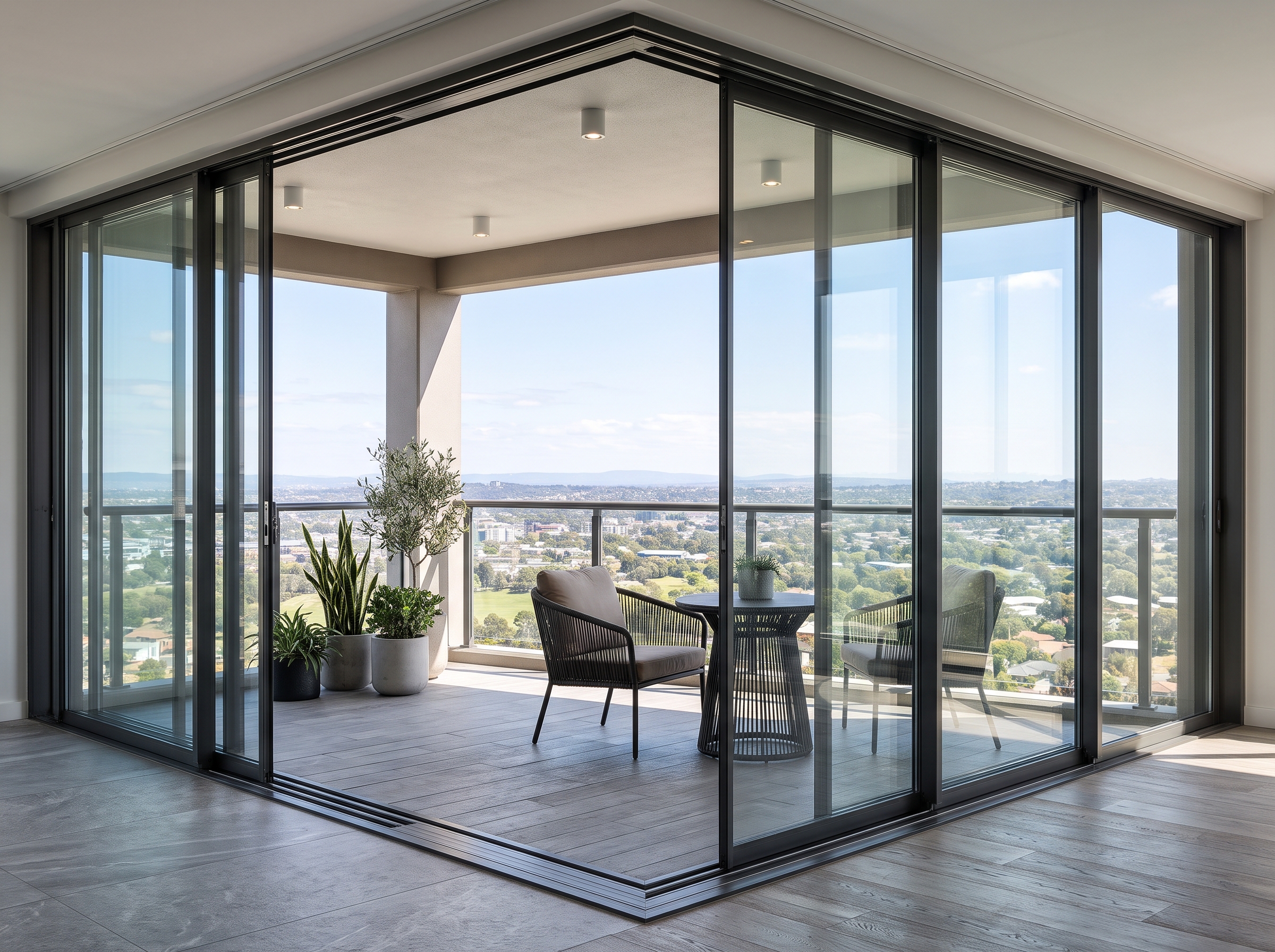
One of the most common applications of aluminium is in window and door systems.
Aluminium window and door profiles are used in:
-
Residential buildings
-
Commercial buildings
-
Offices and business centres
-
Hotels and shopping centres
-
Large-span glazing systems
Slim-profile designs help create larger glazed surfaces. In addition, custom profile solutions can be developed for sliding, folding, hinged and other mechanism-based systems.
For applications requiring thermal insulation, thermally broken profile systems should be evaluated together with suitable glazing and gasket designs.
Aluminium Façade Systems
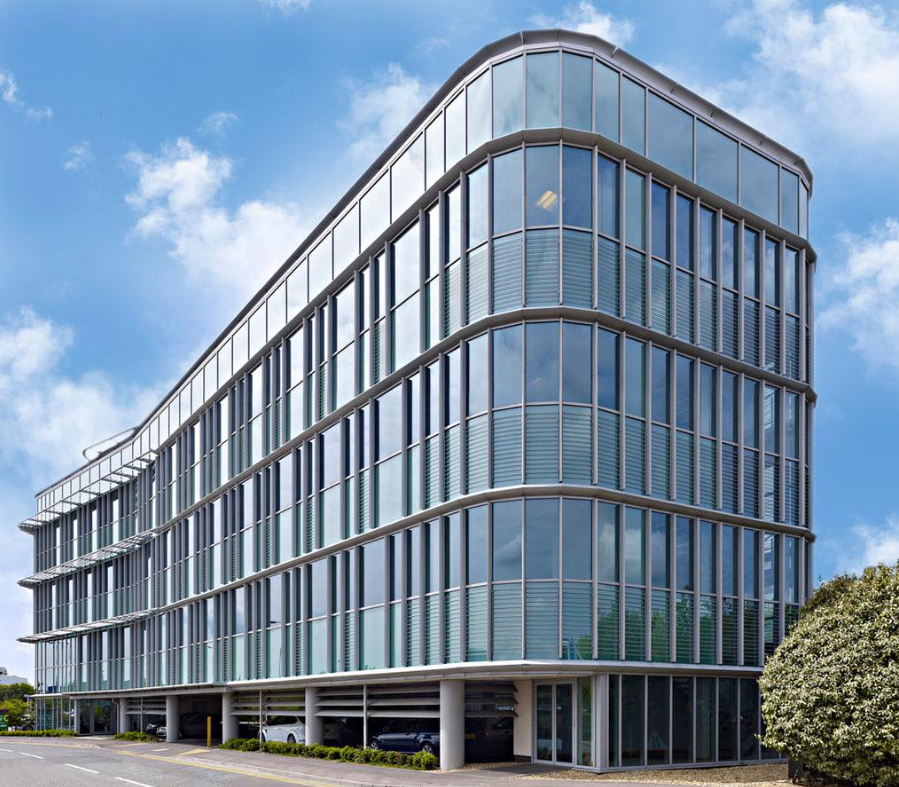
Aluminium is an important component of modern architectural façade designs.
In particular, aluminium profiles are used in curtain wall systems to support, secure and integrate glass panels and other façade elements.
Major applications include:
-
Curtain wall systems
-
Capped curtain wall systems
-
Structural silicone glazing systems
-
Substructures for aluminium composite panels
-
Decorative façade cladding
-
Façade solar shading systems
The ability to manufacture aluminium in different cross-sectional shapes makes it easier to adapt façade systems to architectural designs and technical requirements.
Roofing and Shading Systems
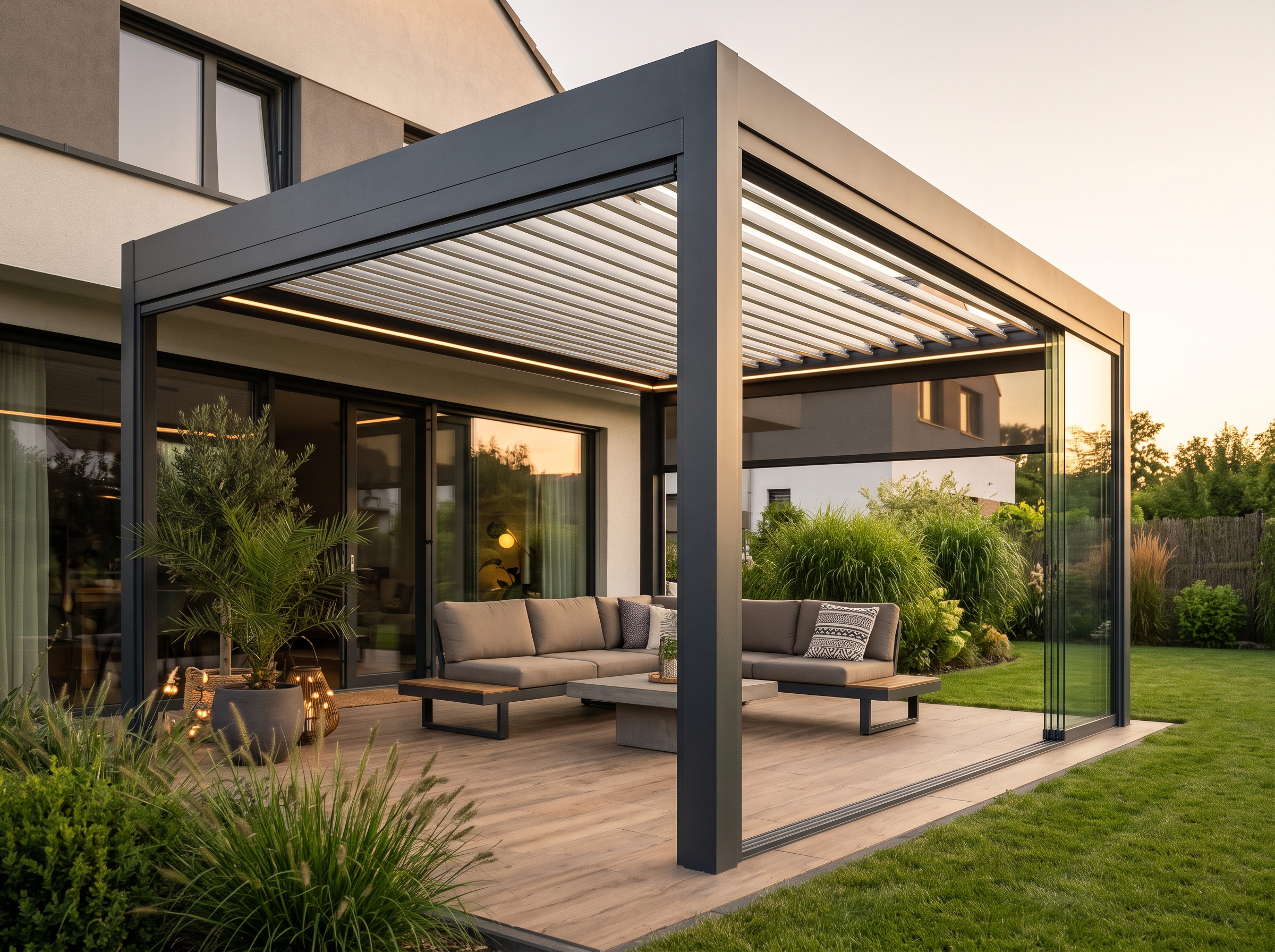
Aluminium is also used in roofing components, canopies, pergolas, solar shading elements and other shading systems.
In these applications, its low weight, resistance to outdoor conditions and suitability for manufacturing different geometries are key advantages.
Aluminium extrusion profiles can also be used in pergola systems, louvre shading solutions and adjustable solar shading systems.
Railing and Staircase Systems
Aluminium profiles can be used in interior and exterior railings, staircases, balcony systems and various safety components.
Different surface finishes and colour options allow these products to complement the overall architectural design of a building.
Interior and Decorative Applications
Aluminium is not limited to building exteriors. It is also used in a variety of functional and decorative interior applications.
Examples include:
-
Partition wall systems
-
Glass partition profiles
-
Decorative wall panels
-
Suspended ceiling systems
-
Furniture and cabinet profiles
-
Lighting profiles
-
Interior door systems
Its workability and range of surface finishes make aluminium a versatile material for contemporary interior design.
Solar Energy and Building Integration
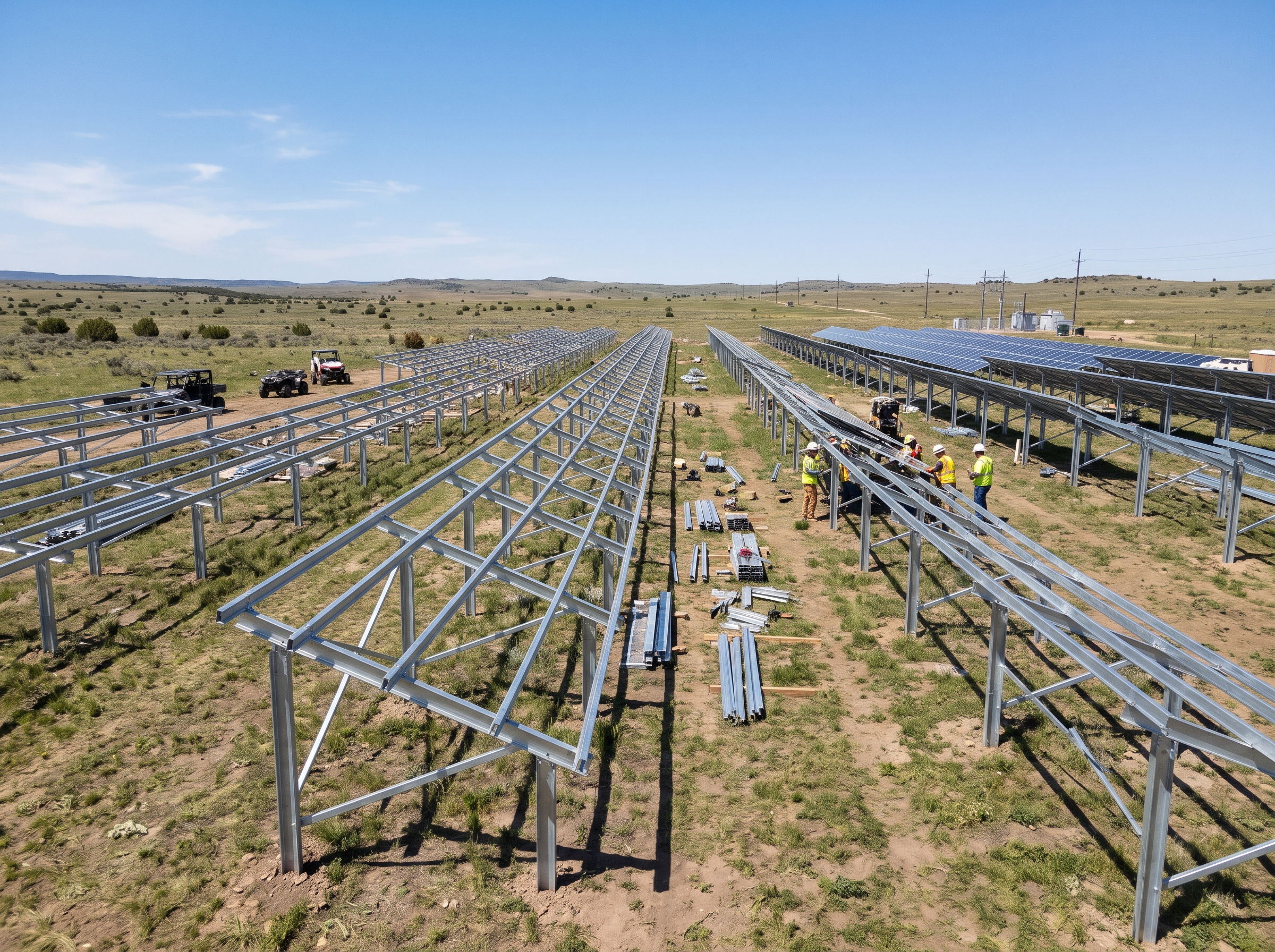
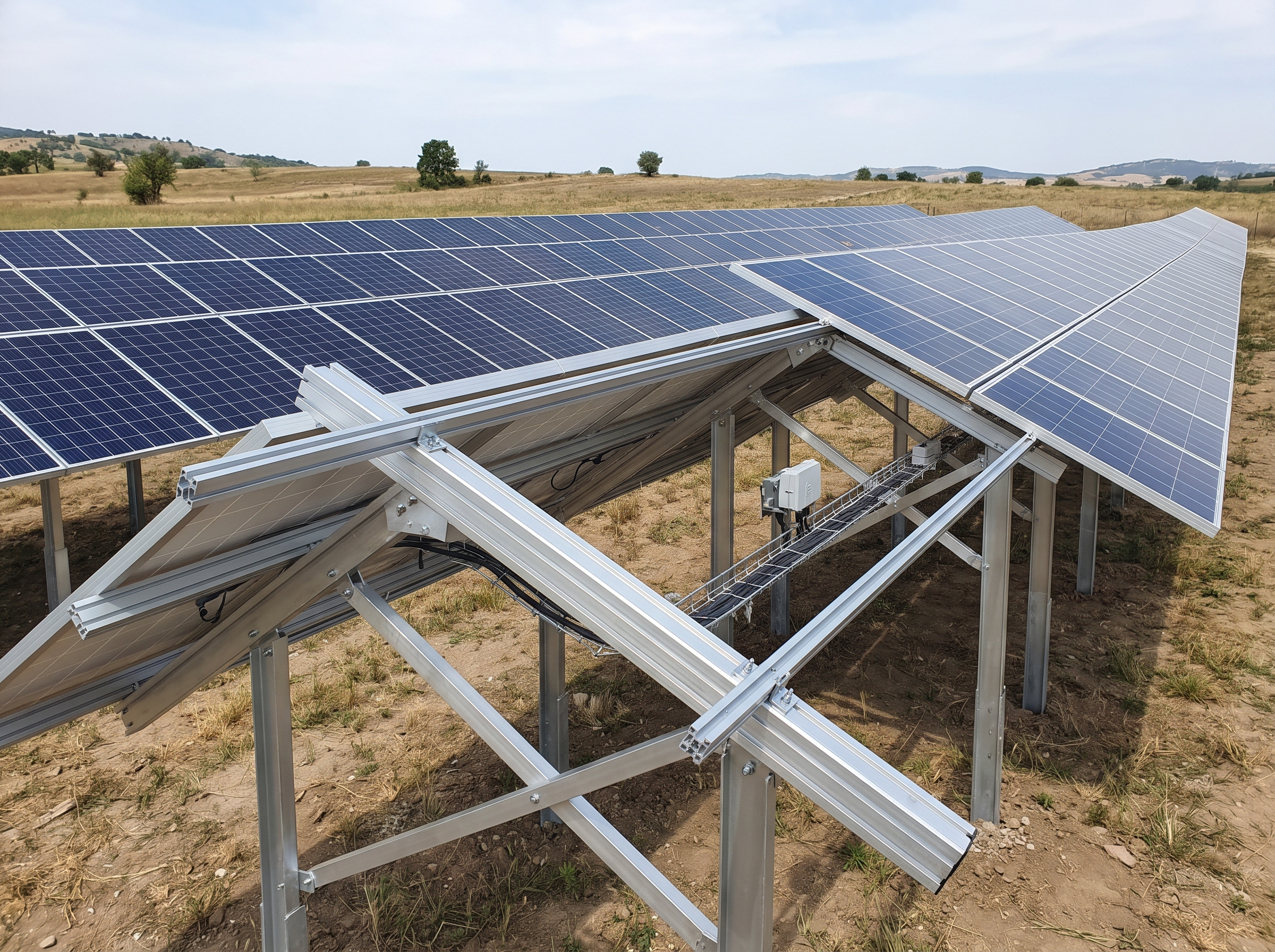
Aluminium is also an important material in certain components of solar energy systems used in buildings.
For rooftop solar panel mounting systems, for example, rails, connectors and support profiles can be manufactured using aluminium extrusion.
In addition, various aluminium components can be used in building-integrated photovoltaic (BIPV) systems, where solar panels are incorporated into building elements.
3. Why Are Aluminium Extrusion Profiles Important in Construction?
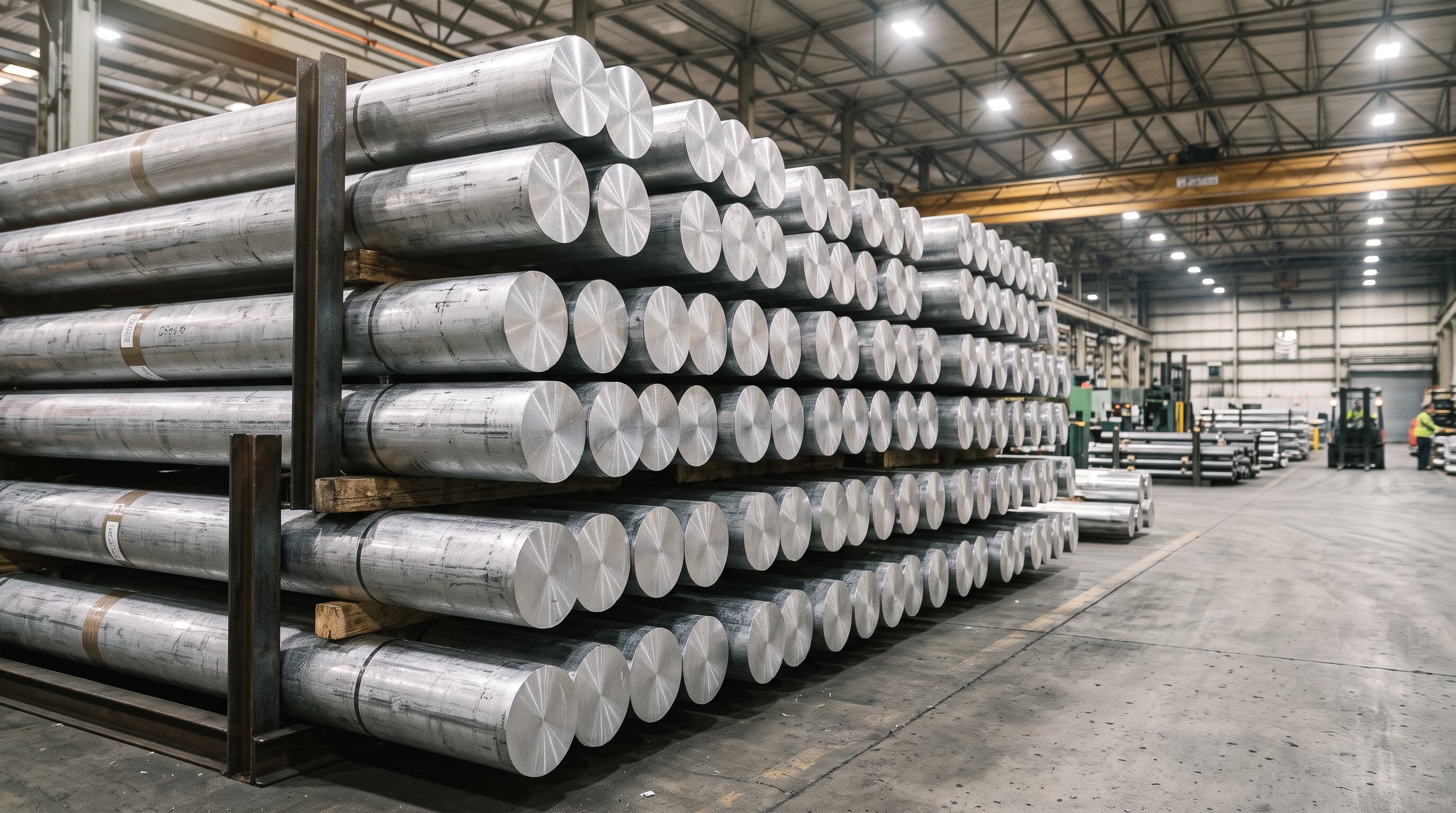
Aluminium extrusion is a manufacturing process in which a heated aluminium billet is forced through a specially designed die to produce a profile with a specific cross-sectional shape.
This process enables manufacturers to produce profiles that meet the different dimensional and design requirements of the construction industry.
The main advantages of extrusion profiles include:
-
Custom cross-sectional designs: Profiles can be manufactured according to project-specific geometries and technical requirements.
-
Functional design: Connection channels, mounting slots and other geometric details can be incorporated into the profile design.
-
Dimensional precision: Specific dimensional tolerances can be achieved in accordance with production capabilities and quality-control requirements.
-
Surface finish options: Different surface treatments and colours can be selected according to the intended application.
-
Adaptability to different applications: Various profile solutions can be developed for architectural, industrial and structural applications.
In applications such as window, door, façade and shading systems, the correct profile geometry directly affects product functionality and installation performance.
4. Which Aluminium Alloys Are Used in the Construction Industry?
The alloy used is one of the key factors determining the performance of an aluminium profile.
Alloys from the 6xxx series are widely used in construction and architectural extrusion applications. This series offers a suitable balance of extrudability, mechanical properties and corrosion resistance.
| Alloy | General Properties | Common Applications |
|---|---|---|
| 6060 | Good extrudability and surface quality | Architectural profiles and complex cross-sections |
| 6063 | Good surface quality and workability | Door, window and façade profiles |
| 6061 | Higher strength than many architectural alloys | Engineering and structural applications |
| 6082 | Good mechanical strength | Applications requiring higher load-bearing capacity |
When selecting an alloy, the intended application, profile geometry, loading conditions, manufacturing process and surface treatment should all be considered together.
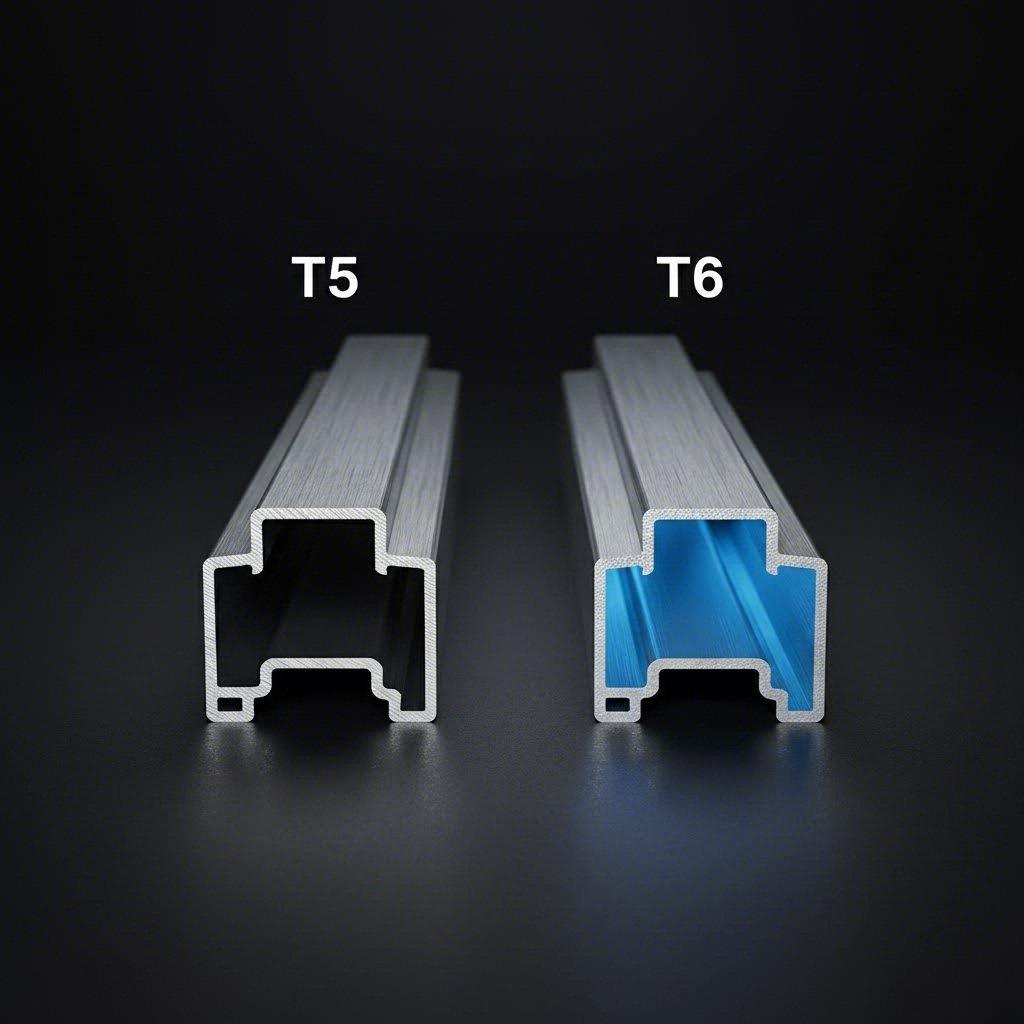
Why Are T5 and T6 Tempers Important?
The mechanical properties of aluminium alloys depend not only on their chemical composition but also on the heat treatment applied.
-
T5: The material is cooled after a high-temperature forming process and then artificially aged.
-
T6: The material undergoes solution heat treatment followed by artificial ageing.
T5 and T6 tempers can provide different mechanical properties. Therefore, the appropriate temper for construction applications should be selected according to the loads the profile is expected to withstand and the relevant technical requirements.
5. The Importance of Surface Treatments for Aluminium Profiles
Aluminium profiles used in construction are evaluated not only for their mechanical properties but also for their surface quality and appearance.
Surface treatments help enhance the visual appearance of profiles, protect them against environmental effects and meet specific application requirements.
Common surface treatments include:
Electrostatic Powder Coating
Electrostatic powder coating is a coating process used to give aluminium profiles different colours and surface finishes.
It offers a wide range of options for colour coordination and design consistency in architectural projects. Proper pretreatment and controlled coating conditions are essential for coating performance.
Anodising
Anodising is an electrochemical process that creates a controlled oxide layer on the aluminium surface.
This treatment can preserve the natural metallic appearance of aluminium or provide different colour options. It is commonly used for architectural aluminium profiles.
Wood-Effect Sublimation
Wood-effect sublimation is a decorative surface treatment that creates wood-grain patterns on aluminium profiles.
It provides an alternative for projects seeking the appearance of natural wood, particularly in window, door, façade and decorative architectural applications.
6. Aluminium vs. Steel: Which Material Should Be Used in Construction?
Aluminium and steel are two important engineering materials used in different construction applications.
Both materials offer specific advantages. The right choice should be based on the technical requirements of the project.
| Property | Aluminium | Steel |
|---|---|---|
| Density | Approx. 2.70 g/cm³ | Approx. 7.85 g/cm³ |
| Weight | Lighter | Heavier |
| Corrosion behaviour | Provides protection through a natural oxide layer | Generally requires paint, galvanising or other protective coatings |
| Manufacturing flexibility | Complex extrusion cross-sections can be produced | Rolling, cutting, bending and welding are commonly used |
| Surface finish options | Powder coating, anodising and decorative finishes | Painting, galvanising and other coatings |
| Recyclability | Highly recyclable | Highly recyclable |
Aluminium's low density can be advantageous in applications where weight is an important consideration. Steel, on the other hand, may be more suitable for certain structural applications where high stiffness or different cost requirements are involved.
Therefore, material selection should not be based solely on weight or strength. Design, loading conditions, connection details, environmental exposure and total project cost should all be taken into account.
7. What Should Be Considered When Selecting Aluminium Profiles for Construction Projects?
Choosing the right aluminium profile for a construction project is important for the performance and long-term durability of the system.
The following criteria should be evaluated during profile selection:
-
Alloy and temper: They should provide the mechanical properties required for the intended application.
-
Profile geometry: The cross-sectional design should suit the profile's intended function.
-
Wall thickness: It should be determined according to load and strength requirements.
-
Dimensional tolerances: The required precision should be achieved to ensure proper assembly and system compatibility.
-
Surface quality: The profile should meet visual and technical expectations.
-
Surface treatment: It should be selected according to the conditions of the intended environment.
-
Manufacturing quality: Production consistency, dimensional inspection and quality standards should be evaluated.
-
Manufacturer's capabilities: It is important to ensure that the supplier can produce the required alloys, cross-sections and profile dimensions.
For large-scale projects in particular, sharing technical drawings, profile samples, tolerances and quality requirements with the manufacturer in advance can help ensure that the right product is developed.
8. The Role of Aluminium in Sustainable Building Design
Sustainability is one of the key priorities in the construction industry today. The environmental impact of building materials, from production to the end of their service life, is receiving increasing attention.
Aluminium's recyclability, suitability for long service life and adaptability to different building systems make it an important material for sustainable architecture.
Increasing the use of recycled aluminium, improving energy efficiency in production and optimising material consumption can all contribute to improving the environmental performance of aluminium products.
However, the sustainability of an aluminium product should be assessed by considering the use of primary or secondary aluminium, energy consumption during production, product service life and the recycling process together.
Frequently Asked Questions
Where is aluminium used in the construction industry?
Aluminium is used in door and window systems, curtain walls, roofing and shading systems, railings, partition walls, decorative applications and solar panel mounting profiles.
Is aluminium a durable material for construction?
Yes. When the appropriate alloy, temper, profile design and surface treatment are selected, aluminium can be a durable material for many construction applications. Engineering calculations are essential for load-bearing applications.
Do aluminium profiles rust?
Aluminium does not rust like iron or steel, but it can corrode under certain environmental conditions. Its natural oxide layer provides protection against corrosion. Additional protection can be applied through surface treatments where necessary.
Why are aluminium profiles preferred in construction?
Aluminium profiles offer low weight, corrosion resistance, design flexibility and a wide range of surface finishes. The extrusion process also makes it possible to manufacture profiles with custom cross-sections for specific projects.
Which aluminium alloys are used in construction profiles?
Depending on the application, 6xxx series alloys such as 6060, 6063, 6061 and 6082 can be used. The appropriate alloy should be selected according to mechanical requirements and the intended application.
Is aluminium or steel more advantageous?
Both materials have different advantages. Aluminium stands out for its low weight and extrusion flexibility, while steel may offer higher stiffness and different cost advantages in certain structural applications. The choice should be based on project requirements.
Which surface treatments can be applied to aluminium profiles?
Aluminium profiles can be treated using methods such as electrostatic powder coating, anodising and wood-effect sublimation. The appropriate treatment depends on the application and technical requirements.
Aluminium Extrusion Solutions for the Construction Industry
The quality of aluminium profiles used in modern construction projects is directly related to the correct alloy selection, precise profile design, manufacturing standards and suitable surface treatments.
With its aluminium billet casting and extrusion capabilities, Biser Aluminium provides aluminium solutions for various industries, including construction and architectural applications.
Our profiles, manufactured from 6xxx series aluminium alloys, can be developed in different cross-sections, dimensions and technical specifications according to customer requirements. Contact Biser Aluminium for your aluminium profile requirements for window and door systems, façade applications, shading solutions and other architectural projects.