What Is an Aluminium Pergola? Features, Types and Applications
An aluminium pergola is an outdoor shading system featuring a supporting structure made of aluminium profiles. It is designed to make outdoor spaces more functional by providing protection against sunlight, rain and changing weather conditions. Thanks to its lightweight structure, durability, corrosion resistance and modern architectural appearance, aluminium pergolas are widely used in residential and commercial projects.
Today, aluminium pergola systems are no longer limited to providing shade. With retractable roof mechanisms, adjustable aluminium louvers, motorised systems and various side enclosure solutions, they have evolved into architectural applications that enhance the usability of outdoor spaces.
So, what is an aluminium pergola, how does it work, what types are available, and what should be considered when selecting the right system? In this article, we explore aluminium pergola systems in terms of materials, design, technical specifications and applications.
What Is an Aluminium Pergola?
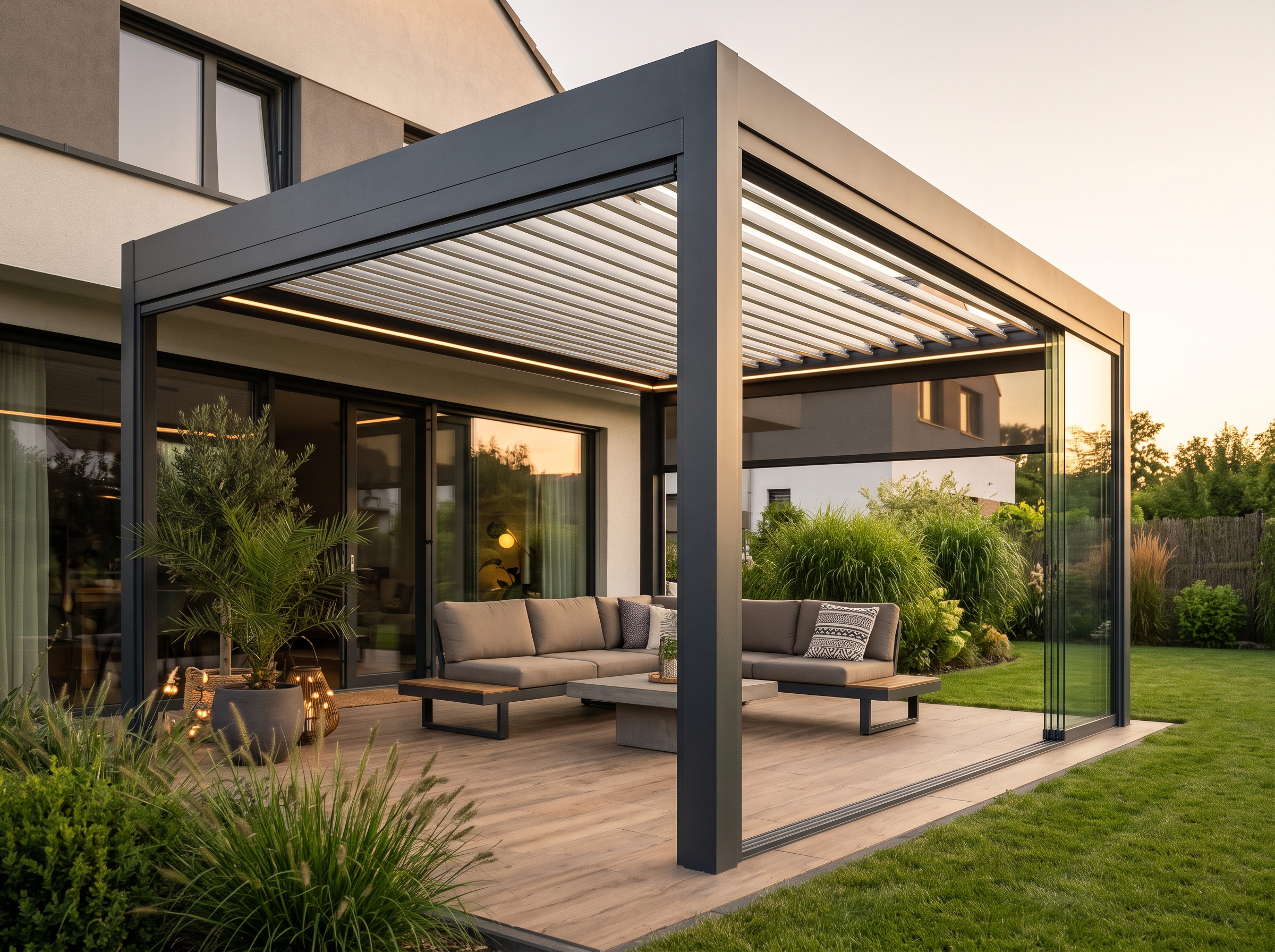
An aluminium pergola is an outdoor roofing and shading structure whose main supporting components are manufactured from aluminium profiles. It is designed to provide shade and protection against outdoor weather conditions.
The main structure consists of columns, horizontal support beams, roof profiles and connecting components. Depending on the project design and intended application, the roof can be fixed or adjustable. Different roofing materials, including fabric, movable aluminium louvers and various roof panels, can be incorporated.
The lightweight and workability of aluminium allow pergola systems to be designed in different dimensions and adapted to various architectural requirements. In addition, custom-designed aluminium profiles manufactured through the extrusion process enable the development of supporting and functional components according to specific project needs.
Aluminium pergola systems combine aesthetics, functionality and material performance, making them a popular solution in modern architectural projects.
How Does an Aluminium Pergola Work?
The operating principle of aluminium pergola systems varies depending on the type of roofing mechanism used.
In fixed pergolas, the roof remains in a permanent position, whereas adjustable systems can be opened and closed manually or through motorised mechanisms.
Motorised pergola systems can be operated using remote controls or automation systems. Some models can also incorporate rain and wind sensors, allowing automatic operation in response to changing weather conditions.
Bioclimatic pergolas are particularly distinguished by their adjustable aluminium louvers. By changing the angle of the louvers, users can control sunlight, shade and natural airflow. When the louvers are closed, rainwater is directed towards drainage channels and gutters.
For an aluminium pergola system to operate efficiently, several factors must be considered together, including profile geometry, connection points, load-bearing capacity, water drainage and installation details.
What Are the Different Types of Aluminium Pergolas?
Aluminium pergola systems can be classified into different categories according to their roofing mechanisms and design characteristics.
1. Fixed Aluminium Pergolas
Fixed aluminium pergolas feature a permanent supporting structure and roof covering. They are commonly used in gardens, verandas, terraces and building entrances.
Since they do not include movable mechanisms, their construction is generally simpler. The roofing material can be selected according to the specific requirements of the project.
2. Retractable Fabric Pergolas
Retractable fabric pergolas use specialised outdoor fabrics that move along rails integrated into the aluminium supporting profiles.
A motorised mechanism allows the fabric to extend and provide shade or retract to create an open-roof appearance. These systems are frequently preferred for restaurants, cafés, hotels and residential terraces.
3. Bioclimatic Aluminium Pergolas
Bioclimatic pergolas are distinguished by their roof structures, which consist of adjustable aluminium louvers.
By changing the angle of the louvers, sunlight and natural airflow can be controlled. When fully closed, the system allows rainwater to be directed towards specially designed drainage channels.
These systems are widely used in modern architectural projects due to their combination of aesthetic appeal and functionality.
4. Glass-Roof Aluminium Pergolas
Glass-roof pergola systems combine an aluminium supporting structure with glass or other suitable transparent roofing panels.
They can be used in terraces, verandas and commercial spaces where maintaining natural daylight is important. The weight of the glass, supporting profile dimensions and connection details must be carefully evaluated from an engineering perspective.
Where Are Aluminium Pergolas Used?
Aluminium pergola systems offer a wide range of applications thanks to their adaptability to different architectural and functional requirements.
Their main applications include:
-
Villas and residential properties: Used to provide shade in gardens, verandas, balconies and terraces.
-
Restaurants and cafés: Help make outdoor seating areas more usable throughout the year.
-
Hotels and holiday resorts: Commonly installed around swimming pools, restaurant terraces and relaxation areas.
-
Commercial buildings: Suitable for shop entrances, outdoor customer areas and shared spaces.
-
Winter gardens: Can be combined with glass and other enclosure systems to create more sheltered spaces.
-
Architectural and landscaping projects: Offer modern outdoor solutions that complement the overall building design.
In restaurants, hotels and commercial establishments, pergola systems can contribute to more efficient use of outdoor areas across different seasons.
What Are the Advantages of Aluminium Pergola Systems?
Aluminium is one of the most widely used materials in outdoor architectural systems. Its lightweight properties, corrosion resistance and design flexibility are among the main reasons why it is preferred for pergola applications.
1. Lightweight and durable structure
The low density of aluminium helps control the overall weight of supporting structures. With appropriate profile dimensions and engineering design, solutions can be developed for different structural spans.
2. Corrosion resistance
Aluminium naturally forms a protective oxide layer on its surface, providing resistance to corrosion. This characteristic offers a significant advantage in outdoor applications. However, surface treatments and the selection of connecting components also influence long-term performance.
3. Low maintenance requirements
Compared with materials such as wood, which may require regular varnishing or repainting, aluminium systems generally require less routine maintenance. Regular cleaning and inspection of mechanical components are still important.
4. Design flexibility
Thanks to extrusion technology, aluminium profiles can be manufactured in different geometries and dimensions. This makes it easier to develop solutions that meet the requirements of custom architectural projects.
5. Various surface finishes and colour options
Surface treatments such as electrostatic powder coating and anodising allow aluminium profiles to achieve different appearances suitable for various architectural designs.
6. Compatibility with automated systems
Aluminium supporting structures can be designed to work with motorised roof mechanisms, adjustable louvers, lighting systems and various automation solutions.
Characteristics of Aluminium Profiles Used in Pergola Systems
The characteristics of the aluminium profiles used play an important role in the performance of aluminium pergola systems. Different profile geometries can be used for specific functions, ranging from supporting columns and horizontal beams to movable roof components and connection elements.
Aluminium extrusion technology is a key manufacturing method for producing these profiles.
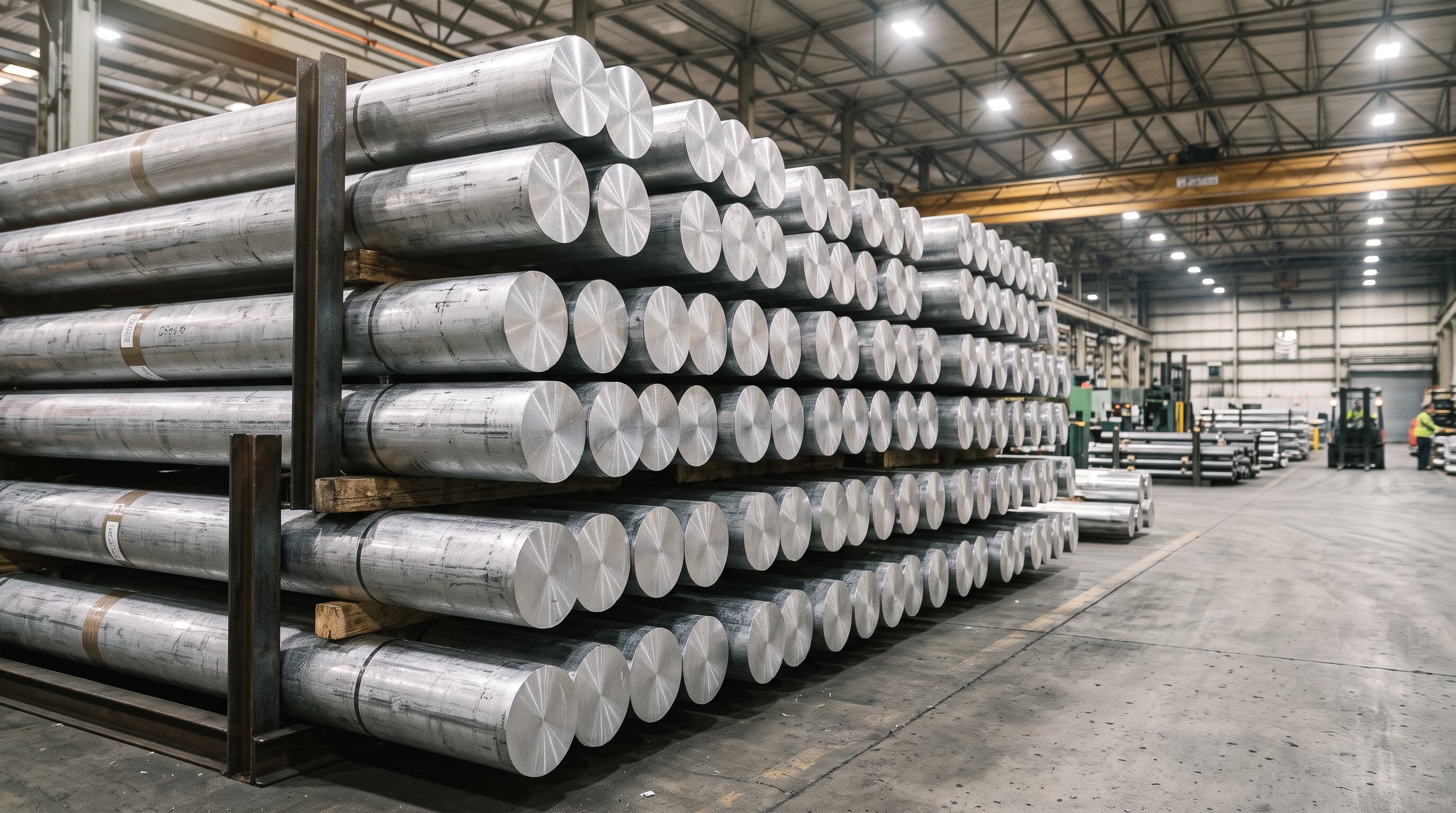
During the extrusion process, an aluminium billet is pushed through a specially designed die under high pressure to obtain the required cross-sectional geometry. This method enables the production of both standard profiles and complex custom-designed sections.
The following technical criteria should be considered when selecting profiles for pergola systems:
| Technical criterion | Importance |
|---|---|
| Profile cross-section | Influences load-bearing capacity and structural performance. |
| Wall thickness | Important for the mechanical properties of the profile. |
| Aluminium alloy | Affects strength, formability and application requirements. |
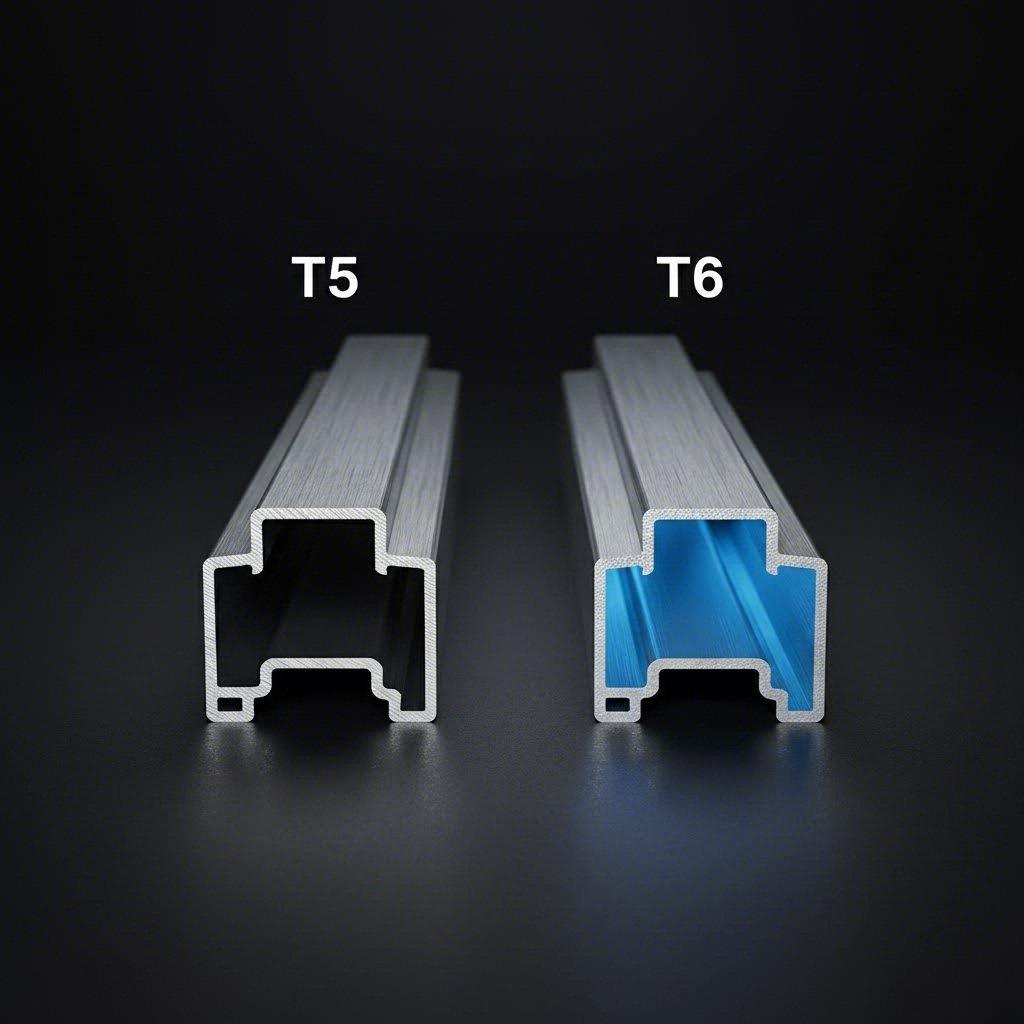
| Temper condition | Determines the mechanical properties of the material. |
| Surface treatment | Contributes to appearance and outdoor performance. |
| Dimensional tolerances | Affect installation and compatibility with other system components. |
The aluminium alloy and temper should be selected according to the intended application and required mechanical performance. Particularly for load-bearing components, decisions should not be based solely on external profile dimensions. Structural calculations and project requirements must also be taken into consideration.
The Importance of Extrusion in Aluminium Pergola Profile Manufacturing
Extrusion is an important manufacturing process for aluminium pergola profiles, offering design freedom and production flexibility.
Extrusion technology enables the production of profiles with different wall thicknesses, channels, connection details and geometries. As a result, supporting components and functional elements of pergola systems can be manufactured according to specific application requirements.
During production, die design, billet quality, extrusion parameters, cooling and ageing processes all influence the characteristics of the final profile.
It is not enough for pergola profiles to simply meet design requirements. Manufacturing precision, surface quality and dimensional consistency are also important for installation performance.
For this reason, a reliable aluminium profile supply is a key factor in product quality for pergola manufacturers and architectural system developers.
What Should Be Considered When Choosing an Aluminium Pergola?
Selecting the right pergola system requires more than focusing solely on its appearance or cost. The characteristics of the installation area and the technical requirements of the system should be evaluated together.
The main factors to consider include:
-
Intended application: Will the system be used for a residential property, commercial establishment or architectural project?
-
Profile quality: Are the alloy, temper and mechanical properties of the aluminium profiles suitable?
-
Structural design: Are the profile sections, spans and column arrangements appropriate for the project loads?
-
Roofing mechanism: Which solution best meets the requirements: fixed, retractable fabric or adjustable louver systems?
-
Water drainage: Is an appropriate drainage system designed to remove rainwater effectively?
-
Surface treatment: Is the selected finish suitable for both outdoor conditions and architectural expectations?
-
Installation and connections: Are the anchoring systems, connecting components and installation details adequate?
-
Climate conditions: Have wind, snow and rain loads been incorporated into the structural design?
Particularly in pergola projects with large spans, the supporting structure must be verified through appropriate engineering calculations. Using the same profile cross-section for every project is not an appropriate approach.
What Factors Affect Aluminium Pergola Prices?
Aluminium pergola prices vary depending on project dimensions, the selected system and the materials used. Therefore, there is no single square-metre price applicable to all pergola installations.
The main factors affecting the price include:
-
Project dimensions: The width, length and total installation area of the pergola.
-
System type: Fixed, retractable fabric, bioclimatic or glass-roof designs.
-
Aluminium profile specifications: Alloy, temper, profile cross-section and material quantity.
-
Surface treatment: Electrostatic powder coating, anodising and special colour applications.
-
Motorisation and automation: Motorised mechanisms, remote controls and sensor systems.
-
Additional features: LED lighting, glass systems and side enclosure solutions.
-
Installation conditions: Ground structure, building connections and installation complexity.
All these factors should be evaluated together to calculate a cost that meets the specific requirements of the project.
Frequently Asked Questions About Aluminium Pergolas
Do aluminium pergolas rust?
Aluminium does not rust in the same way as iron or steel. It has natural corrosion resistance thanks to the oxide layer that forms on its surface. However, outdoor conditions, surface treatments and contact with dissimilar metals should also be considered.
Do aluminium pergolas provide protection against rain?
Rain protection depends on the roofing system used. Properly designed fabric, louvered or enclosed roof systems can provide controlled rainwater drainage. System selection and installation details are essential factors.
What is the difference between an aluminium pergola and a bioclimatic pergola?
Aluminium pergola is a general term for pergola systems that use aluminium profiles in their supporting structures. A bioclimatic pergola is a specific type of aluminium pergola featuring adjustable aluminium roof louvers.
Which aluminium alloys are used in pergola manufacturing?
The alloy is selected according to the function of the profile, whether structural or functional, and its mechanical requirements. Aluminium alloys from the 6xxx series are widely used in extrusion applications. The specific alloy and temper depend on the technical design.
Can aluminium pergola profiles be manufactured in custom dimensions?
Yes. Aluminium extrusion technology allows profiles with different cross-sections and dimensions to be manufactured using custom-designed dies. This method makes it possible to meet the requirements of non-standard architectural projects and specialised pergola designs.
Which surface treatments can be applied to aluminium pergola profiles?
Depending on project requirements, surface treatments such as electrostatic powder coating and anodising can be applied. Colour and finish selection should take into account both architectural design and the intended operating environment.
What is the most important factor when selecting aluminium pergola profiles?
The most important factor is ensuring that the profile meets the structural and mechanical requirements of the project. Alloy, temper, profile cross-section, wall thickness and dimensional tolerances should all be evaluated together.
Aluminium Profile Solutions for Architectural Projects with Biser Aluminium
The quality of aluminium profiles used in architectural applications such as pergolas plays an important role in the performance of the final system and manufacturing efficiency. Working with a reliable extrusion manufacturer is therefore an important step in meeting project requirements.
With a history dating back to 1982, Biser Aluminium operates in the aluminium industry, specialising in aluminium billet production and extrusion profile manufacturing.
At its extrusion facility in Malatya, Biser Aluminium operates 6-inch and 8-inch extrusion presses, providing aluminium profile solutions for various architectural and industrial applications.
For your custom aluminium profile requirements, you can share your technical drawings and production specifications with Biser Aluminium.
Biser Aluminium – Billet to Profile.