What Is a Solar Mounting Structure? Types, Materials and the Importance of Aluminium Profiles
High-quality solar panels alone are not enough to ensure the safe, efficient and long-lasting operation of a solar energy system. Solar mounting structures, which securely support the panels, maintain their intended positioning and withstand outdoor conditions, are also essential components of solar energy projects.
So, what is a solar mounting structure? What materials are used to manufacture these systems, and why are aluminium profiles widely used in solar panel mounting applications?
In this article, we explore the different types of solar mounting structures, their main components, the materials used in their manufacture, and the importance of aluminium extrusion profiles in the solar energy industry.
What Is a Solar Mounting Structure?
A solar mounting structure is a framework consisting of supporting and connecting components used to securely attach solar panels to rooftops, the ground or other mounting surfaces. Also known as a solar mounting system, these structures keep photovoltaic (PV) panels in the correct position and transfer the loads acting on them to the supporting structure or foundation.
Solar mounting systems may include components such as aluminium mounting rails, support profiles, clamps, brackets, fasteners and anchoring elements. The specific components required depend on whether the installation is rooftop-mounted or ground-mounted, as well as on the panel layout and the project's engineering requirements.
The main functions of a solar mounting structure include:
-
Securely fastening solar panels in place.
-
Maintaining the required panel tilt and orientation.
-
Transferring loads, including wind pressure, snow loads and the weight of the panels, to the supporting structure.
-
Facilitating installation and helping reduce maintenance requirements.
-
Providing durability under outdoor environmental conditions.
For these reasons, selecting the right solar mounting structure plays an important role in the design and long-term performance of solar power plants.
What Are the Different Types of Solar Mounting Structures?
Solar mounting systems are classified according to their installation location and mounting method. The most common types include rooftop mounting systems, ground-mounted systems, flat-roof systems and solar carport structures.
1. Rooftop Solar Mounting Structures
Rooftop solar mounting structures are designed to install solar panels on the roofs of residential buildings, commercial properties, factories and industrial facilities.
When designing these systems, factors such as roof covering, structural capacity, wind loads and mounting points must be taken into account. Different attachment solutions may be required for tiled roofs, trapezoidal metal roofs and sandwich panel roofs.
Aluminium mounting rails help secure panels between designated support and connection points. Thanks to their lightweight properties and corrosion resistance, aluminium profiles are widely used in many rooftop solar mounting applications.
2. Ground-Mounted Solar Structures
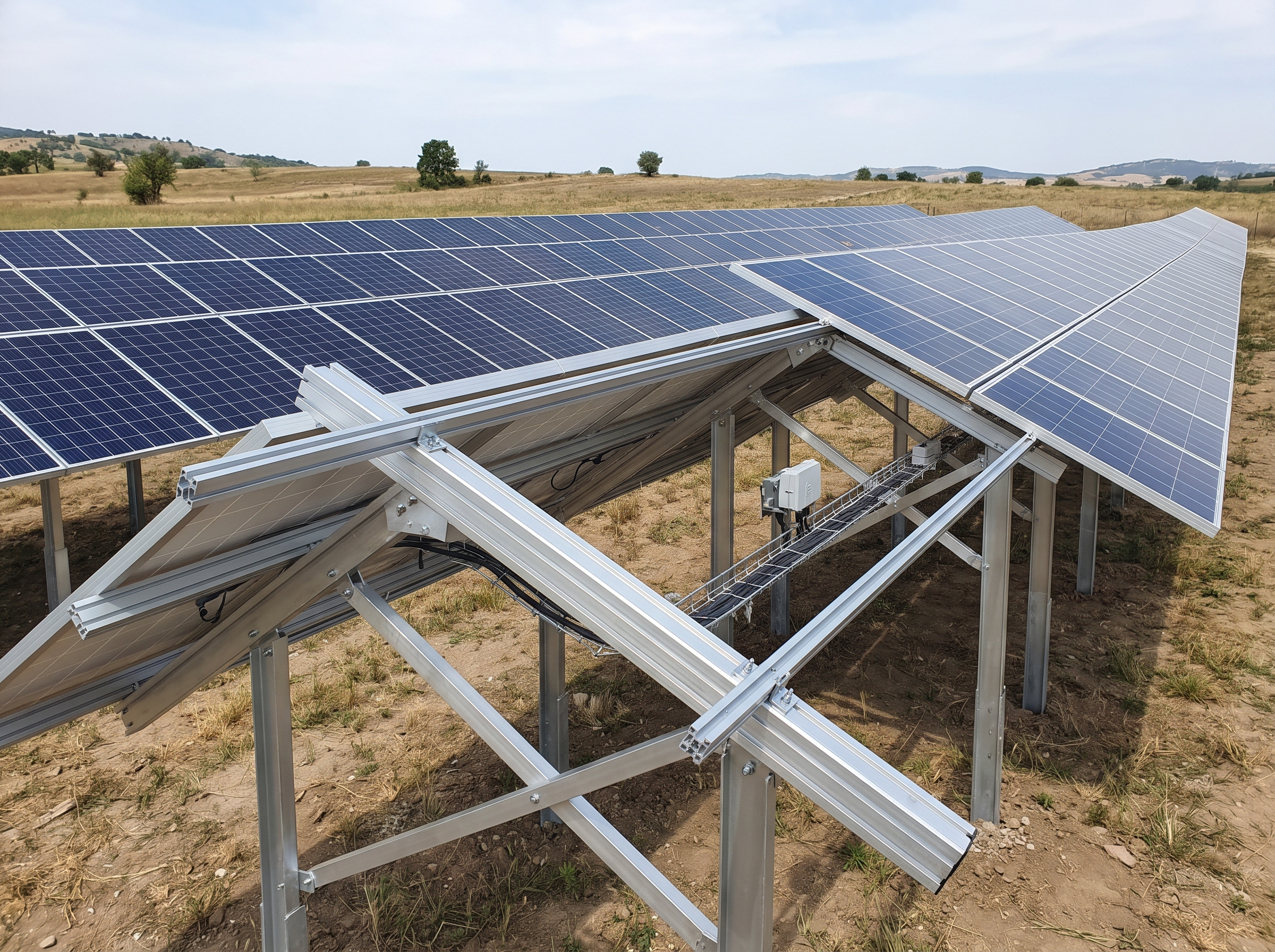
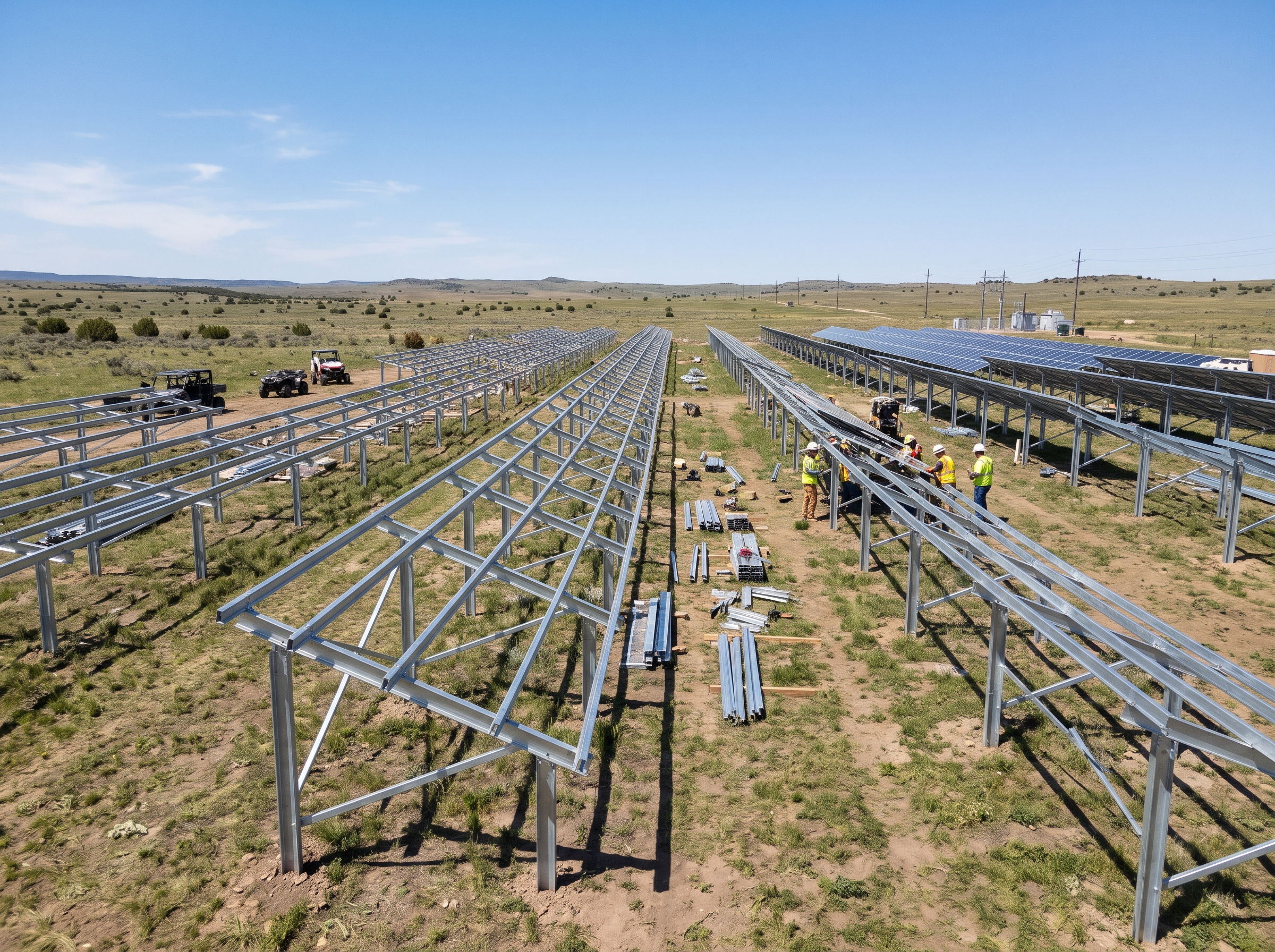
Ground-mounted solar structures support solar panels installed on frameworks erected directly on the ground. These systems are particularly common in large-scale solar power plants.
For ground-mounted installations, several factors influence the design, including soil conditions, foundation or pile systems, panel layout, wind loads and snow loads.
The supporting components can be manufactured from steel, aluminium or hybrid systems combining both materials. The appropriate material and profile cross-section must be determined according to the project's engineering calculations and structural requirements.
3. Flat-Roof Solar Mounting Structures
Flat-roof solar mounting structures are commonly used for installations on commercial buildings and industrial facilities.
In these systems, panels can be positioned on supports or triangular mounting frames designed to provide the required tilt angle. Depending on the roof construction and project specifications, the system may be mechanically anchored to the roof or secured using ballast.
For flat-roof installations, the weight of the mounting system, the roof's load-bearing capacity, waterproofing requirements and wind effects must be assessed together.
4. Solar Carport Structures
Solar carports are covered structures designed to support solar panels above parking areas. They provide shade and weather protection for parked vehicles while also enabling solar electricity generation.
In carport projects, factors such as span lengths, column and beam design, connection details and environmental loads are important. Depending on the design and engineering calculations, aluminium profiles may be used in selected supporting or connecting components.
What Materials Are Used in Solar Mounting Structures?
The materials used in solar mounting systems affect their durability, weight, corrosion resistance and overall cost. Aluminium and steel are the most widely used materials, while stainless steel may also be selected for certain fasteners and connection components.
| Property | Aluminium | Steel |
|---|---|---|
| Weight | Low density | Higher density |
| Corrosion behaviour | Good corrosion resistance due to its naturally forming oxide layer | May require protective coatings or appropriate material selection |
| Workability | Suitable for extrusion and the production of custom cross-sections | Available in structural sections, sheet products and various other forms |
| Installation | Low weight can facilitate handling and installation | Can be suitable for heavy-duty structural components |
| Typical applications | Mounting rails, profiles, clamps and connection components | Main supporting structures, columns, piles and other structural elements |
Both materials are suitable for specific applications. The right choice depends on structural requirements, environmental conditions, project costs and the intended use of the system.
Why Is Aluminium Preferred for Solar Mounting Structures?
Aluminium is widely used in solar mounting applications because of its low weight, corrosion resistance and ability to be extruded into complex cross-sectional geometries.
Low weight: Aluminium's low density can simplify handling and installation, particularly in rooftop applications. However, the total load imposed on the roof must be calculated by considering all system components and relevant environmental loads.
Corrosion resistance: Aluminium naturally forms a protective oxide layer on its surface, helping it resist corrosion. In demanding environments, such as coastal areas or industrial zones, the alloy, surface treatment and connection details must be carefully evaluated.
Design flexibility: Extrusion makes it possible to manufacture custom profiles with mounting channels, connection slots and other specialised geometries. This flexibility can support optimised mounting system designs and help reduce the number of separate components required.
Machinability: Aluminium extrusion profiles can undergo cutting, drilling, milling and other suitable machining operations according to project requirements.
Recyclability: Aluminium can be recycled repeatedly while retaining its useful properties when processed appropriately. Using recycled aluminium can also contribute to reducing the environmental impact of the manufacturing supply chain.
What Is a Solar Aluminium Profile?
A solar aluminium profile is a specially shaped aluminium product, typically manufactured through the extrusion process, for use in solar panel mounting systems. Depending on the application, these profiles can be used in mounting rails, panel support systems, connecting components and other mounting applications.
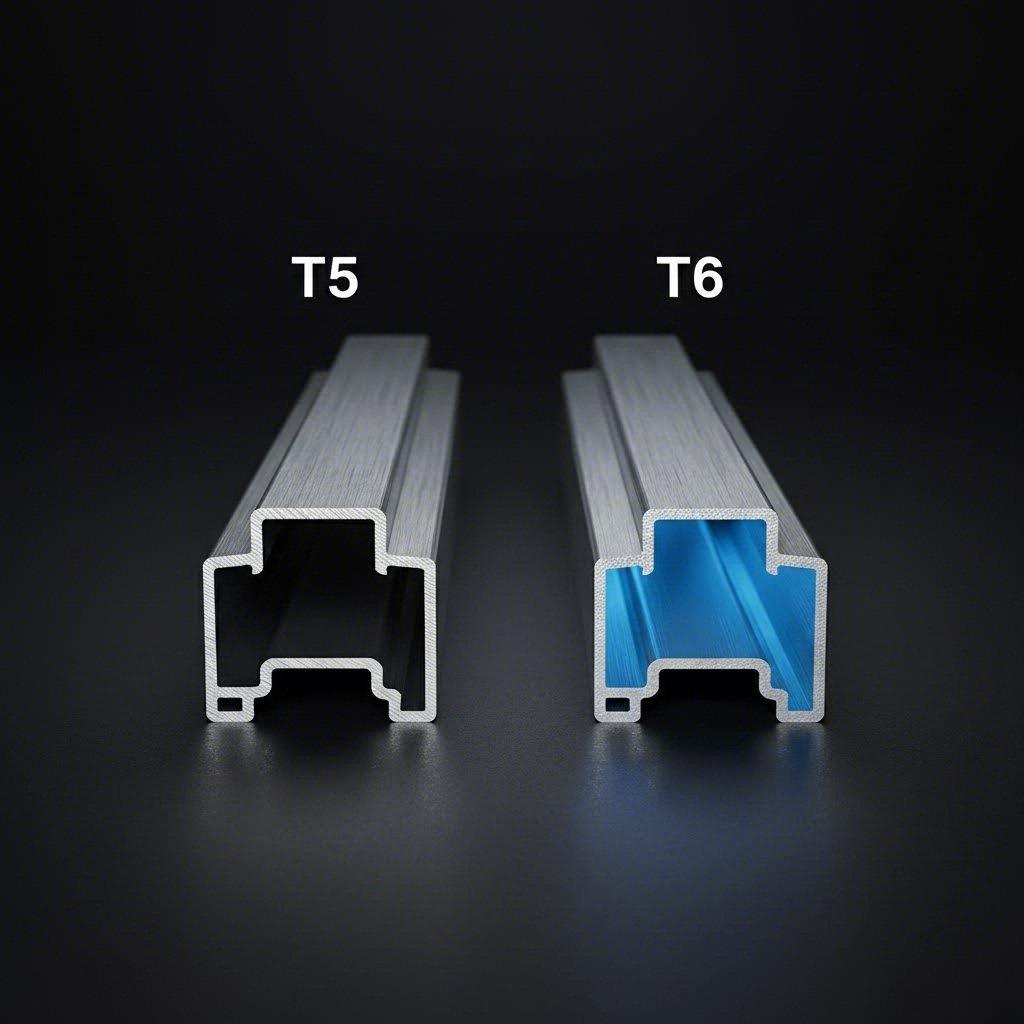
The cross-sectional geometry of a solar profile is designed to suit the relevant mounting system and provide the required mechanical performance. In addition to the external dimensions, wall thickness, cross-sectional design, alloy and temper are all important considerations.
Common applications of solar aluminium profiles include:
-
Solar panel mounting rails
-
Panel support profiles
-
Rooftop mounting systems
-
Suitable profile components for ground-mounted solar installations
-
Connection and support profiles
-
Custom-designed solar mounting components
A profile's suitability for solar applications cannot be determined by its dimensions alone. The loads it will be subjected to, the distance between support points, the connection method and the permitted deflection limits must also be evaluated.
Which Aluminium Alloys Are Used in Solar Mounting Profiles?
The choice of aluminium alloy affects the mechanical properties, extrusion performance and surface quality of solar mounting profiles. Alloys from the 6000 series are commonly considered for solar applications.
These alloys contain magnesium and silicon, making them suitable for extrusion and capable of developing increased strength through appropriate heat treatment.
EN AW-6060 and EN AW-6063
Alloys 6060 and 6063 are valued for their extrusion characteristics and surface finish. They can be used to manufacture complex cross-sections and adapted to many profile applications through appropriate temper selection.
These alloys may be suitable for profile designs in which extrusion performance and surface quality are both important.
EN AW-6005A
Alloy 6005A can be considered for certain extrusion applications requiring higher mechanical strength when supplied in an appropriate temper condition. For load-bearing profiles in particular, the alloy's mechanical properties must be evaluated together with the cross-sectional design and operating conditions.
What Should Be Considered When Selecting an Aluminium Alloy?
Selecting a solar mounting profile requires more than choosing an alloy designation. The following characteristics should be evaluated together:
-
Aluminium alloy and temper
-
Tensile strength and yield strength
-
Profile cross-section and wall thickness
-
Profile length and distance between support points
-
Surface treatment and environmental corrosion conditions
-
Compatibility with fasteners and connection components
-
Applicable engineering standards and project-specific calculation requirements
For example, two profiles manufactured from the same alloy may have different load-bearing performance because their cross-sections and wall thicknesses differ. Therefore, the appropriate profile must be selected according to the specific requirements of the project.
What Should You Consider When Selecting a Solar Mounting Structure?
When choosing a solar mounting system, it is important to consider not only the initial cost but also safety, durability, ease of installation and long-term operating requirements.
1. Wind and Snow Loads
Solar panels and their supporting structures are exposed to different loads depending on the local climate. Wind uplift and snow accumulation can significantly affect the design of profile cross-sections and connection points.
Profile dimensions and support spacing should therefore not be selected solely on the basis of general applications. They must be verified through project-specific engineering calculations.
2. Roof and Ground Conditions
For rooftop systems, the existing structure's load-bearing capacity, roof covering and waterproofing requirements are important considerations. For ground-mounted systems, soil conditions, foundation or pile design and installation requirements must be assessed.
3. Material and Surface Quality
Profiles used outdoors are exposed to temperature fluctuations, moisture and other environmental factors. Selecting an appropriate alloy and surface treatment helps support the long-term durability of the system.
Anodising or suitable coating applications may be considered depending on project requirements. However, surface treatment does not replace the need for proper connection design and material compatibility.
4. Ease of Installation
Compatibility between profile cross-sections and connection components can simplify installation. Standardised or custom-designed cross-sections can help ensure component compatibility and improve the efficiency of assembly operations.
5. Manufacturing Quality and Tolerances
Dimensional tolerances, profile straightness, surface quality and mechanical properties are important for solar aluminium profiles. A manufacturer's ability to meet technical specifications is a key consideration, particularly for solar mounting system companies involved in serial production.
The Importance of Aluminium Extrusion in Solar Mounting Profile Manufacturing
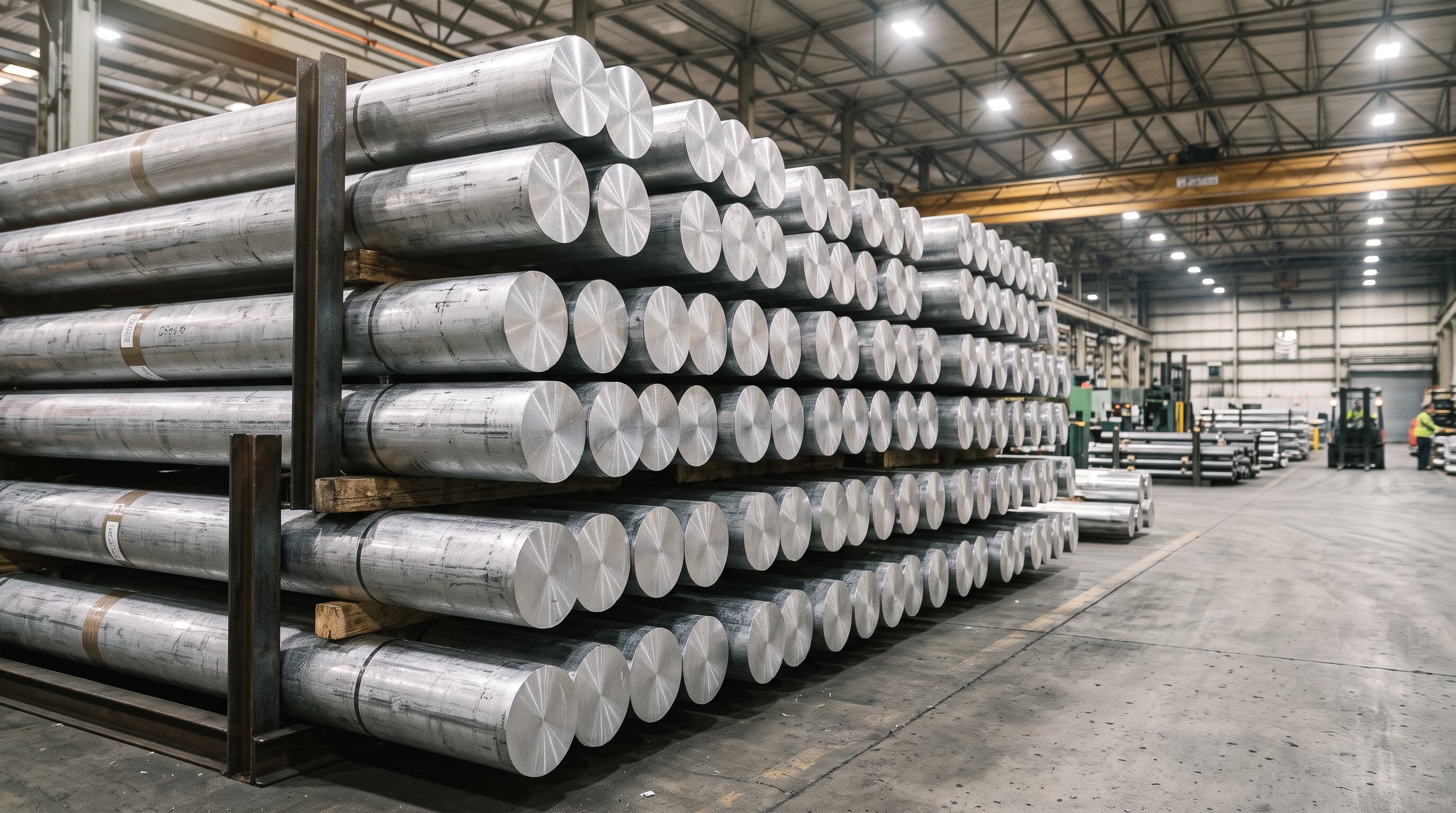
Aluminium extrusion is a manufacturing process in which a heated aluminium billet is forced through a die to produce a profile with a specified cross-sectional shape. This process is used to manufacture profiles with a wide range of geometries and connection details.
In the solar mounting industry, extruded aluminium profiles can be produced in different cross-sections and lengths according to system design requirements. This allows profile geometry, connection systems and installation requirements to be considered together.
The following factors are important during the manufacturing process:
-
Selecting the appropriate alloy and temper
-
Ensuring that the profile cross-section matches the technical drawing
-
Controlling wall thickness and dimensional tolerances
-
Maintaining accuracy during cutting, drilling and other machining operations
-
Achieving the required surface finish
-
Verifying product conformity with customer specifications
For solar mounting system manufacturers, selecting a profile supplier involves more than evaluating production capacity. The supplier's ability to manufacture according to technical drawings, maintain quality control and meet delivery requirements is also important.
With manufacturing capabilities extending from aluminium billet casting to extrusion and surface finishing, Biser Aluminium provides aluminium profile solutions for a range of industries. For solar mounting applications, the evaluation of profile requirements begins with technical details such as cross-sectional drawings, alloy and temper specifications, required lengths and surface finish.
Sharing these technical requirements helps assess suitable manufacturing options for solar energy projects.
Frequently Asked Questions About Solar Mounting Structures
What Is the Purpose of a Solar Mounting Structure?
A solar mounting structure is a supporting and connection system that secures solar panels to rooftops or the ground. It maintains the required panel positioning and helps transfer the weight of the panels and environmental loads to the supporting structure.
What Materials Are Solar Mounting Structures Made Of?
The most commonly used materials are aluminium and steel. Other materials, including stainless steel, may also be used for fasteners and connection components. The appropriate material depends on the project's technical requirements and environmental conditions.
Why Are Aluminium Profiles Used in Solar Mounting Systems?
Aluminium profiles offer advantages such as low density, corrosion resistance and the ability to be manufactured in different cross-sectional geometries through extrusion. These properties make them suitable for solar mounting rails and various connection components.
Which Aluminium Alloys Are Used for Solar Mounting Profiles?
Alloys from the 6000 series, including 6060, 6063 and 6005A, may be considered for solar applications. The appropriate alloy and temper must be selected according to the intended application, mechanical requirements and manufacturing conditions.
Can Solar Mounting Profiles Be Manufactured to Custom Dimensions?
Aluminium extrusion allows manufacturers to produce a wide range of cross-sectional geometries using appropriately designed dies. For custom manufacturing requests, customers should provide technical drawings, dimensions, alloy and temper specifications, required profile lengths and estimated annual quantities.
Why Is the Selection of a Solar Mounting Structure Important?
Choosing the right mounting structure helps secure solar panels safely and supports the system's performance under environmental loads and its long-term durability. Project-specific structural calculations and installation conditions must be considered during the selection process.
Conclusion
Solar mounting structures are essential components that secure photovoltaic panels and play an important role in the structural performance of solar energy projects. Material selection, profile geometry, connection details and environmental loads must all be considered during system design.
Aluminium extrusion profiles play an important role in solar mounting systems thanks to their low weight, corrosion resistance and design flexibility. Selecting the appropriate alloy, temper and profile cross-section is essential for developing solutions that meet the technical requirements of each application.
If you are looking for an aluminium profile supplier for your solar mounting projects, contact Biser Aluminium to discuss your technical requirements. Information such as profile drawings, alloy and temper specifications, required lengths and estimated order quantities can help us evaluate suitable manufacturing options for your project.