What Are Aluminium Windows and Doors? Features, Types and Comparison with PVC
Aluminium windows and doors are building systems manufactured from aluminium profiles and widely used in modern architecture for windows, doors, sliding systems and glass façades. Thanks to their lightweight structure, high mechanical strength, long service life and adaptability to different architectural designs, they are widely preferred in both residential and commercial construction projects.
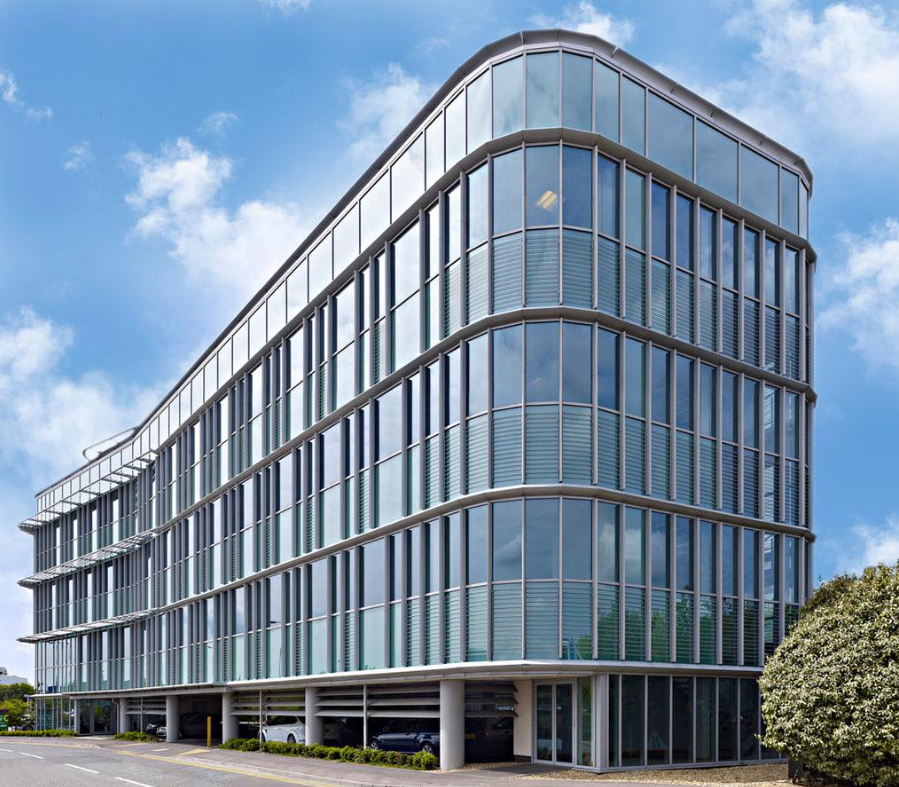
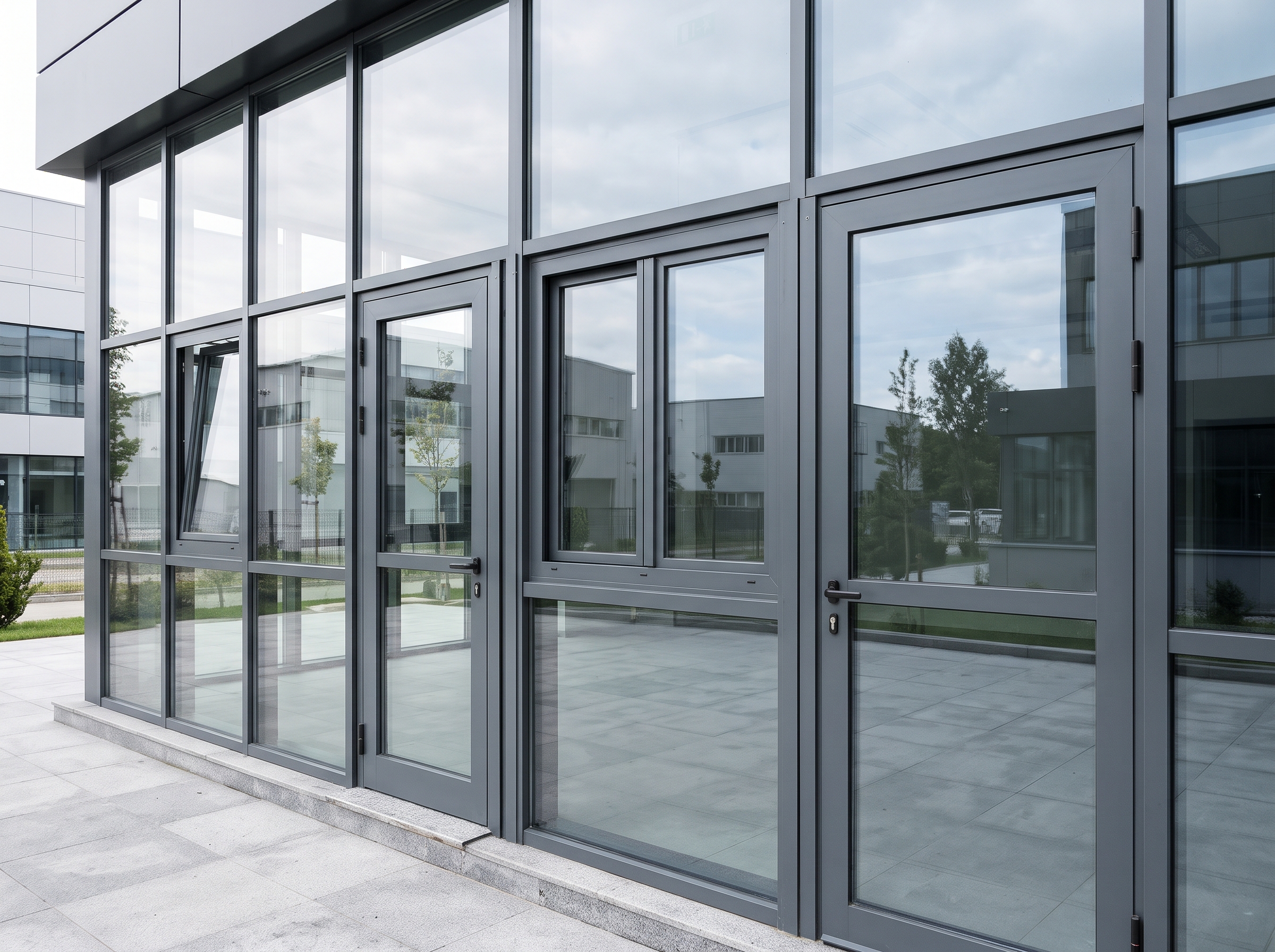
Aluminium window and door systems play an important role in modern architecture, particularly in buildings featuring large glass surfaces. Their slim profile sections allow for wider glass areas and improved sightlines, while different opening mechanisms and surface finishes provide greater design flexibility.
However, choosing an aluminium window system involves more than appearance and durability. Thermal insulation performance, glazing specifications, gasket design, hardware quality and installation details also directly affect the overall performance of the system.
What are aluminium windows and doors? What types are available, what are their advantages and disadvantages, and how do they compare with PVC systems? This guide explores the technical characteristics, applications and key differences between aluminium and PVC window systems.
What Are Aluminium Windows and Doors?
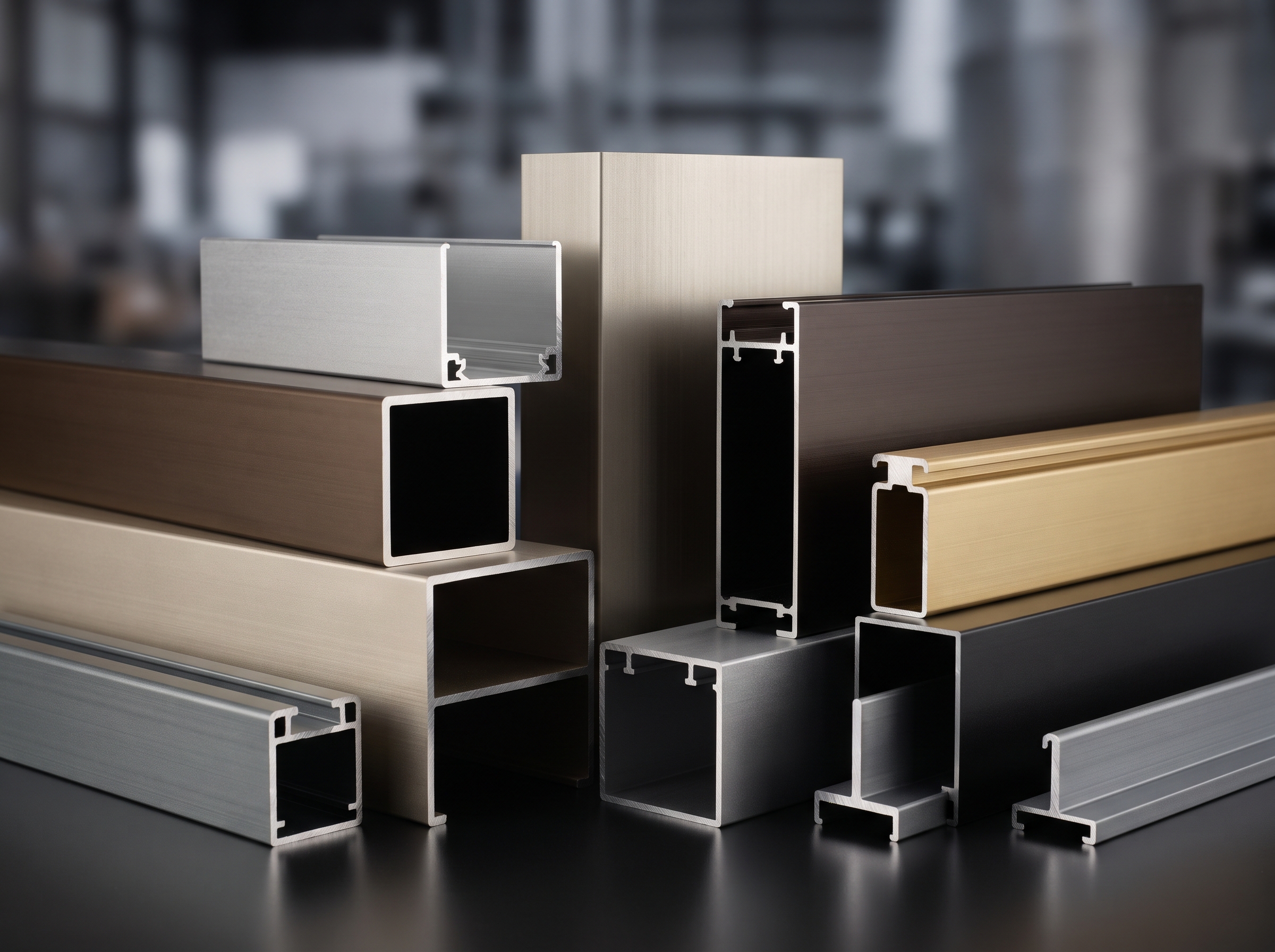
Aluminium windows and doors are building elements manufactured by cutting, machining and assembling extruded aluminium profiles to create window frames, door systems and other architectural applications.
In these systems, aluminium profiles form the structural frame. Glass panels, gaskets, hinges, locking mechanisms and other hardware components are combined to create a complete functional system.
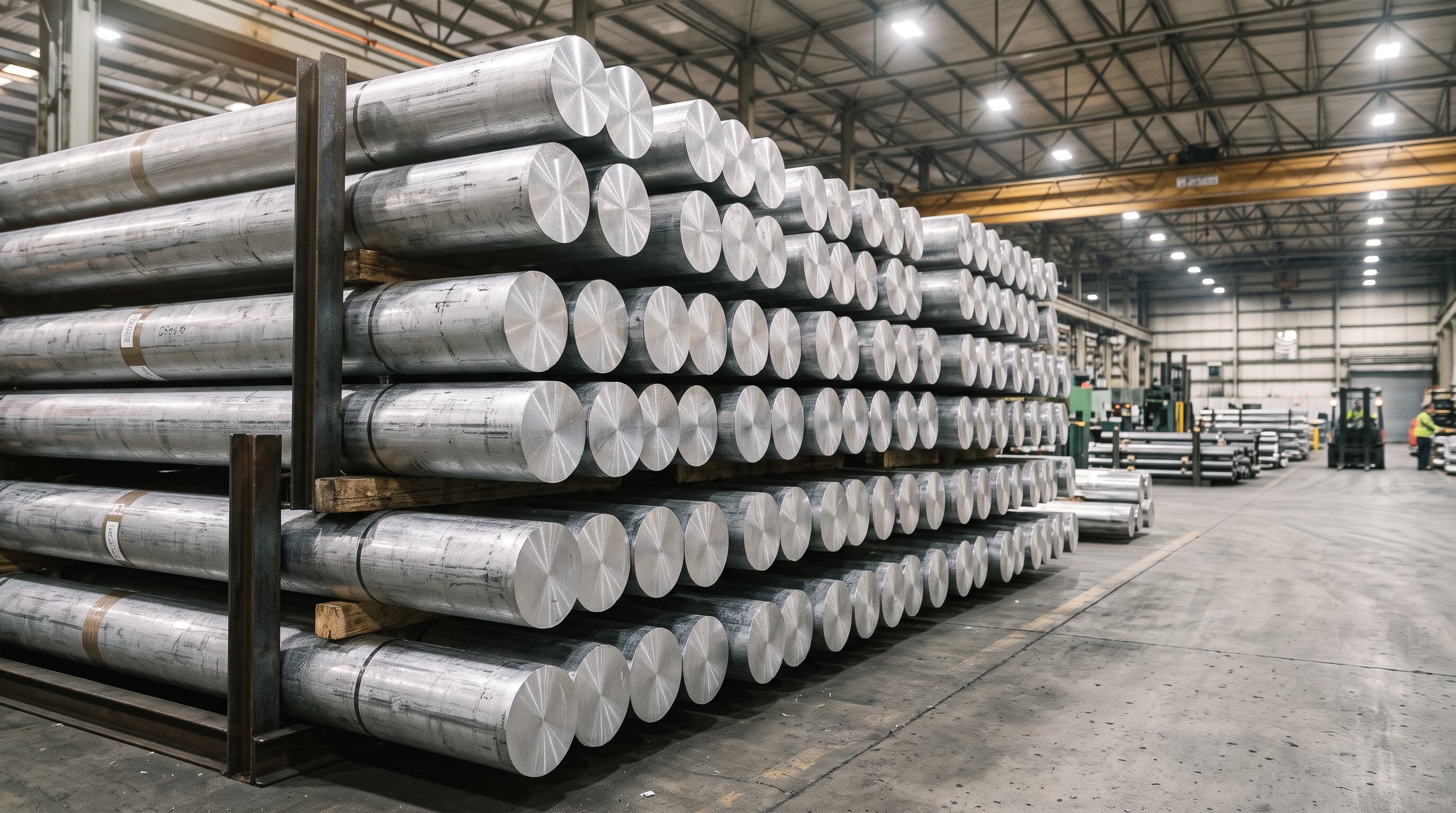
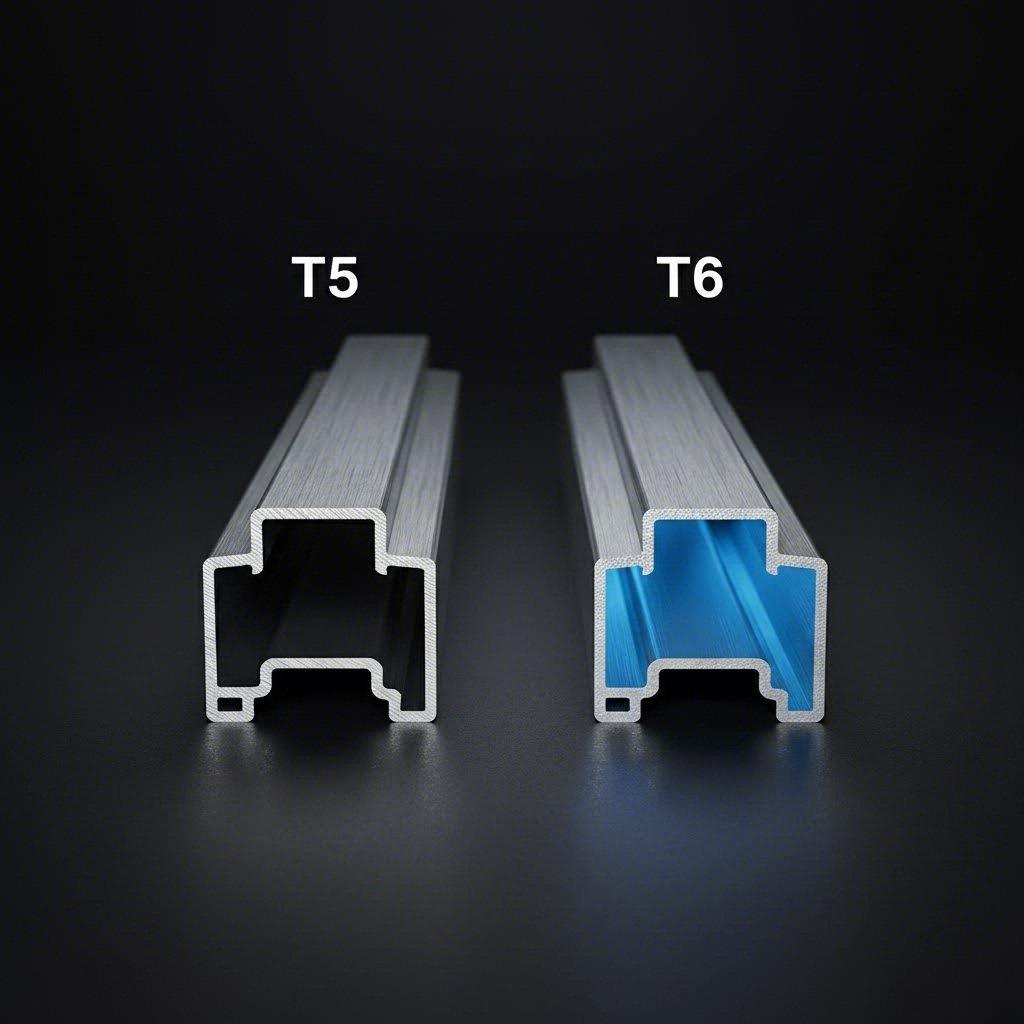
The manufacturing process behind aluminium windows and doors is based on aluminium extrusion technology. During extrusion, an aluminium alloy is heated and forced through specially designed dies to produce profiles with different geometries, wall thicknesses and technical specifications.
The resulting profiles can then be further processed according to project requirements and incorporated into various window and door systems.
Common applications of aluminium window and door systems include:
-
Window and door systems in residential buildings and villas
-
Entrance doors and shopfronts in commercial buildings
-
Glass partitions in offices
-
Sliding systems for balconies, terraces and garden access points
-
Façade applications in shopping centres and commercial buildings
-
Winter gardens and large glazed openings
-
Architectural applications in hotels, hospitals and public buildings
The ability to manufacture aluminium profiles in different cross-sectional designs makes the material suitable for both standard window systems and large-scale architectural projects.
What Are the Main Features of Aluminium Windows and Doors?
The physical, mechanical and aesthetic properties of aluminium play an important role in the selection of these systems.
1. High Strength and Lightweight Structure
Aluminium is a metal with relatively low density and high mechanical strength. This provides an advantageous balance between structural performance and weight in window and door systems.
The mechanical strength of profiles is particularly important in systems featuring large glass panels. By selecting the appropriate alloy, profile geometry and wall thickness, solutions can be developed for different load requirements and dimensions.
2. Corrosion Resistance
When exposed to air, aluminium naturally forms a thin oxide layer on its surface. This layer contributes to the material's resistance to corrosion.
For aluminium profiles used outdoors, additional surface protection is also important. Surface treatments such as electrostatic powder coating provide an additional protective layer while offering a wide range of colours and finishes.
3. Long Service Life
With appropriate design and surface protection, aluminium profiles are suitable for long-term use. UV-related colour changes and dimensional variations caused by high temperatures, which may occur in PVC profiles, affect aluminium systems differently.
The dimensional stability of aluminium is a significant advantage, particularly in doors and windows exposed to frequent use.
4. Slim Profiles and Larger Glass Areas
One of the most notable architectural advantages of aluminium windows is the ability to achieve slim profile sections while maintaining high mechanical strength.
This allows the frame area to be reduced and larger glass surfaces to be incorporated. Increased natural light and a stronger visual connection between indoor and outdoor spaces are particularly desirable in modern residential and commercial buildings.
5. Design and Colour Flexibility
Aluminium profiles can be manufactured in different geometries and dimensions, allowing them to be adapted to the requirements of various architectural projects.
Different surface treatments provide a wide range of colours and finishes. Electrostatic powder coating, in particular, offers extensive colour options and a uniform surface appearance.
Depending on the selected profile system and coating process, different colours can also be applied to the interior and exterior sides.
6. Recyclability
Aluminium is one of the most recyclable industrial materials. Recycling aluminium requires significantly less energy compared with the production of primary aluminium.
This makes aluminium window and door systems an important option in the context of sustainable building materials.
What Are the Different Types of Aluminium Window and Door Systems?
Aluminium window and door systems can be classified according to their intended application, opening mechanism and profile design.
Non-Thermal-Break Aluminium Systems
Non-thermal-break aluminium systems do not have a thermal barrier between the inner and outer sections of the profile. As a result, aluminium's high thermal conductivity directly affects the system's insulation performance.
These systems are generally used in areas where thermal insulation is not a primary requirement.
Common applications include:
-
Interior doors
-
Office partitions
-
Storage and technical areas
-
Unheated commercial spaces
-
Certain shopfront applications
For windows and doors separating heated or air-conditioned spaces from the outdoor environment, thermally broken systems should be considered.
Thermally Broken Aluminium Systems
Thermally broken aluminium systems incorporate polyamide strips with low thermal conductivity between the inner and outer aluminium sections of the profile.
This structure reduces direct heat transfer between the interior and exterior aluminium surfaces. As a result, the mechanical and architectural advantages of aluminium can be maintained while improving thermal insulation performance.
Thermally broken aluminium systems are particularly suitable for:
-
Windows in residential buildings and villas
-
External doors
-
Office and commercial building façades
-
Heated or air-conditioned winter gardens
-
Balcony and terrace doors
An important point to consider is that the presence of a thermal break alone does not guarantee high insulation performance. Profile design, thermal barrier specifications, glazing units, gasket systems and installation quality must all be evaluated together.
Hinged Aluminium Windows and Doors
Hinged aluminium systems feature panels that open inward or outward using hinges.
Available in single- or double-leaf configurations, these systems are commonly used in conventional window and door applications.
The opening direction and hardware mechanism are selected according to the intended application and architectural requirements.
Aluminium Sliding Systems
Aluminium sliding systems feature panels that move horizontally along tracks. This means that no additional interior space is required when opening the panels.
They are frequently used for balconies, terraces and garden access points with large glass surfaces.
Key advantages of sliding systems include:
-
Space-saving operation
-
Compatibility with large glass surfaces
-
Modern and minimal appearance
-
Visual continuity between indoor and outdoor spaces
System performance depends on the quality of the tracks, rollers, gaskets and locking mechanisms.
Aluminium Folding Systems
Aluminium folding systems consist of multiple panels connected through specialised mechanisms. The panels fold together and stack to one side when opened.
These systems are particularly popular in restaurants, cafés, hotels, villas and large terrace applications.
By allowing most of the opening to be cleared, folding systems provide an effective solution for connecting indoor and outdoor spaces.
Thermally Broken Systems for Large Openings
Architectural projects featuring large glass panels often require specialised aluminium profile systems with high load-bearing capacity.
Profile dimensions, glass weight, wind loads, panel sizes and connection details must be determined through appropriate engineering calculations.
These systems are commonly used in modern commercial buildings, residential properties with large façades and projects requiring panoramic glazing.
Where Are Aluminium Windows and Doors Used?
Thanks to their different profile designs and opening mechanisms, aluminium window and door systems can be adapted to a wide range of building types.
| Application | Main reason for use |
|---|---|
| Residential buildings and villas | Modern appearance, durability and large glass areas |
| Office buildings | Glass partitions and architectural flexibility |
| Shops and storefronts | Wide viewing areas and strong frame construction |
| Hotels | Large openings and different design options |
| Shopping centres | Systems suitable for intensive use |
| Winter gardens | Large glass surfaces and different system combinations |
| Commercial buildings | Adaptability to different dimensions and project requirements |
The building location, climate conditions, intended application and technical requirements should all be considered when selecting the appropriate aluminium window system.
Aluminium Windows vs PVC Windows: Which Is Better?
One of the most common questions when selecting window and door systems concerns the differences between aluminium and PVC windows.
Both systems offer distinct advantages. Therefore, the most suitable option should be determined according to project requirements and the technical specifications of the selected system rather than material type alone.
PVC windows are manufactured from profiles based on polyvinyl chloride. Their multi-chamber structure and internal steel reinforcements contribute to mechanical stability and thermal insulation.
Aluminium windows, on the other hand, are manufactured from extruded metal profiles. They stand out for their high mechanical strength, slim profile designs and suitability for large openings.
Aluminium vs PVC Windows: Comparison Table
| Comparison criteria | Aluminium windows | PVC windows |
|---|---|---|
| Material | Aluminium alloy | PVC-U |
| Mechanical strength | High | Depends on reinforcement and profile design |
| Profile appearance | Slimmer sections are possible | Generally wider sections |
| Large glass openings | Advantageous with suitable systems | May be limited depending on system and dimensions |
| Thermal insulation | High performance possible with thermal breaks | Good performance possible with multi-chamber profiles |
| Design flexibility | High | Depends on profile and finish options |
| Colour options | Powder coating and other surface finishes | Profile colours and decorative foils |
| Dimensional stability | High | Can be affected by temperature and profile design |
| Recyclability | High | Recyclable, but through different processes |
| Initial investment cost | Generally higher | Generally more economical |
1. Differences in Thermal Insulation
Thermal insulation is one of the most important criteria when comparing aluminium and PVC window systems.
PVC has relatively low thermal conductivity, and its multi-chamber profile structure provides advantages in thermal insulation.
Aluminium, on the other hand, has high thermal conductivity. Therefore, thermally broken profile systems should be used in applications where thermal insulation is required.
Properly designed thermally broken aluminium systems can achieve high insulation performance when combined with suitable glazing and gasket configurations.
Consequently, the question of aluminium versus PVC cannot be answered based on the profile material alone. The technical performance of the complete system must be compared.
2. Differences in Durability
Aluminium offers advantages in large window and door systems thanks to its high mechanical strength and dimensional stability.
In PVC systems, mechanical performance depends on factors such as the quality of internal steel reinforcement, profile geometry and connecting components.
Aluminium systems are frequently preferred for large openings, heavy glass panels and applications involving intensive use.
3. Differences in Aesthetics and Architectural Design
Aluminium windows allow larger glass surfaces to be achieved through slim profile sections. This is a significant advantage in projects where minimalist architectural design is a priority.
PVC windows may require wider frames in certain applications due to their profile geometry and multi-chamber construction.
Furthermore, the availability of different profile geometries and a wide range of powder-coated colours provides greater architectural flexibility with aluminium systems.
4. Differences in Maintenance and Service Life
Aluminium window systems can be used for many years with appropriate surface protection and regular maintenance of their hardware components.
PVC systems also generally require limited maintenance. However, exposure to sunlight, temperature fluctuations and profile quality can affect their long-term performance.
For both systems, gaskets, moving mechanisms and connection components should be inspected periodically.
5. Differences in Cost
PVC windows are generally considered a more economical option in terms of initial investment.
The cost of aluminium windows depends on the profile series, thermal break, surface coating, glazing specifications and hardware selection.
In projects involving large openings and customised architectural designs, the technical and aesthetic advantages of aluminium may play an important role in evaluating the initial investment.
In summary: PVC windows may be a suitable choice for standard residential windows when cost and thermal insulation are the main priorities. Aluminium windows may offer greater advantages when slim profiles, large glass openings, high mechanical strength and architectural flexibility are required. Thermally broken aluminium systems should also be evaluated according to their specific technical performance.
What Should You Consider When Choosing Aluminium Windows?
When selecting aluminium window systems, decisions should not be based solely on appearance or price. The following criteria should be considered to ensure long-term performance and reliable operation.
1. Thermal break: For profiles separating climate-controlled interiors from outdoor environments, thermally broken systems should be considered.
2. Profile wall thickness and geometry: Mechanical strength does not depend on wall thickness alone. Cross-sectional design, alloy properties and intended application must be evaluated together.
3. Glazing specifications: Single glazing, double glazing, laminated glass and specially coated glass can affect the thermal, acoustic and safety performance of the system.
4. Gaskets and sealing: Gasket quality, the number of sealing points and connection details are important for air and water tightness.
5. Surface coating: For outdoor applications, coating quality, surface preparation and suitability for environmental conditions should be checked.
6. Hardware and mechanisms: Hinges, locks, handles, tracks and rollers contribute to the safe and smooth operation of the system.
7. Installation quality: Installation methods and connection details are just as important as selecting the right profile. Incorrect installation can prevent even a high-quality system from achieving its expected performance.
What Determines Aluminium Window and Door Prices?
Aluminium window and door prices vary according to the technical requirements of the project and the materials used. Therefore, there is no single square-metre price applicable to every aluminium window system.
The main factors affecting prices include:
-
Profile series: The cross-section, weight and technical specifications of the aluminium profile.
-
Thermal insulation: Cost differences between thermally broken and non-thermal-break systems.
-
Aluminium profile weight: The total quantity of aluminium profiles required for the project.
-
Glass type: Double glazing, laminated glass, tempered glass or specially coated glass.
-
Opening mechanism: Hinged, sliding or folding systems.
-
Surface treatment: Electrostatic powder coating, anodising or other surface finishes.
-
Hardware: Specifications of hinges, locks, handles and other components.
-
Dimensions and project details: Panel dimensions, total window area and application complexity.
-
Installation and labour: Project location and installation requirements.
When comparing aluminium window prices, it is important to consider not only the initial cost but also the technical performance, durability and intended application of the system.
Surface Finishing Options for Aluminium Window and Door Systems
Surface treatments influence both the appearance of aluminium profiles and their protection against environmental conditions.
Two of the most common surface finishing methods are electrostatic powder coating and anodising.
Electrostatic Powder Coating
Electrostatic powder coating involves applying powder particles to the aluminium surface using an electrostatic process, followed by curing in an oven.
This process creates a uniform coating layer on the profile surface.
Key features of electrostatic powder coating include:
-
A wide range of colours and gloss levels
-
Uniform surface appearance
-
Compatibility with different architectural designs
-
Durable coatings when appropriate surface preparation and processing conditions are used
RAL colour options allow profiles to be finished in colours that complement the interior and exterior design of buildings.
Anodising
Anodising is an electrochemical process that creates a controlled oxide layer on the aluminium surface.
This treatment can improve surface wear and corrosion resistance. It can also be used to preserve the natural metallic appearance of aluminium or achieve different anodised colours.
Anodising and electrostatic powder coating are two different surface treatment technologies. The appropriate method should be selected according to aesthetic expectations, operating conditions and technical project specifications.
Frequently Asked Questions About Aluminium Windows and Doors
What are aluminium windows and doors?
Aluminium windows and doors are building elements manufactured by cutting, machining and assembling aluminium profiles. They are widely used in modern buildings due to their durability, lightweight structure and design flexibility.
Are aluminium windows better than PVC windows?
Both systems offer different advantages. PVC windows can provide good thermal insulation through their multi-chamber profile structure. Aluminium windows stand out for their mechanical strength, slim profile designs and suitability for large glass openings. Thermally broken aluminium systems can also deliver high thermal insulation performance.
Do aluminium windows provide thermal insulation?
Yes. However, thermally broken aluminium profiles must be used. The polyamide barrier between the inner and outer sections of the profile reduces heat transfer. Glazing, gaskets and installation quality also affect overall insulation performance.
Do aluminium windows rust?
Aluminium does not rust like iron or steel. A natural oxide layer forms on its surface and helps protect the material against corrosion. Nevertheless, the alloy and surface protection should be suitable for the environmental conditions.
Do aluminium windows have a long service life?
Yes. Aluminium window systems manufactured with appropriate profile designs, suitable surface coatings and quality hardware can provide many years of service. Regular cleaning and maintenance of moving components help support their service life.
What colours are available for aluminium windows?
Aluminium profiles can be powder-coated in a wide range of RAL colours. Anthracite grey, white, black and brown are among the commonly selected options. Wood-effect finishes can also be achieved through specialised decorative coating techniques.
What are thermally broken aluminium windows?
Thermally broken aluminium windows are systems in which the inner and outer aluminium sections are connected using insulating elements such as polyamide strips. This structure reduces heat transfer through the aluminium profile.
How are aluminium window prices calculated?
Prices depend on the profile series, profile weight, thermal break, glass type, surface coating, hardware, dimensions and installation costs. Accurate pricing requires a clear definition of the project's technical requirements.
Conclusion: Aluminium Window and Door Systems for Modern Buildings
Aluminium window and door systems are important components of modern architecture thanks to their durability, design flexibility, large glass openings and long service life.
Compared with PVC windows, aluminium systems offer particular advantages in mechanical strength, slim profile construction and adaptability to large openings. Thermally broken profile technologies also make aluminium a strong alternative for projects with energy-efficiency requirements.
The performance of an aluminium window system depends not only on the metal itself but also on profile geometry, alloy quality, surface treatment and manufacturing standards.
For this reason, selecting the right aluminium profile is essential for the quality and long-term performance of the complete window system.
Biser Aluminium offers aluminium profile solutions for different industries through its production infrastructure, which extends from aluminium billet casting to extrusion profile manufacturing. Profiles developed for architectural and industrial applications can be evaluated according to the specific technical requirements of each project.
Visit the Biser Aluminium website to learn more about our aluminium profile manufacturing capabilities, extrusion technologies and product groups.