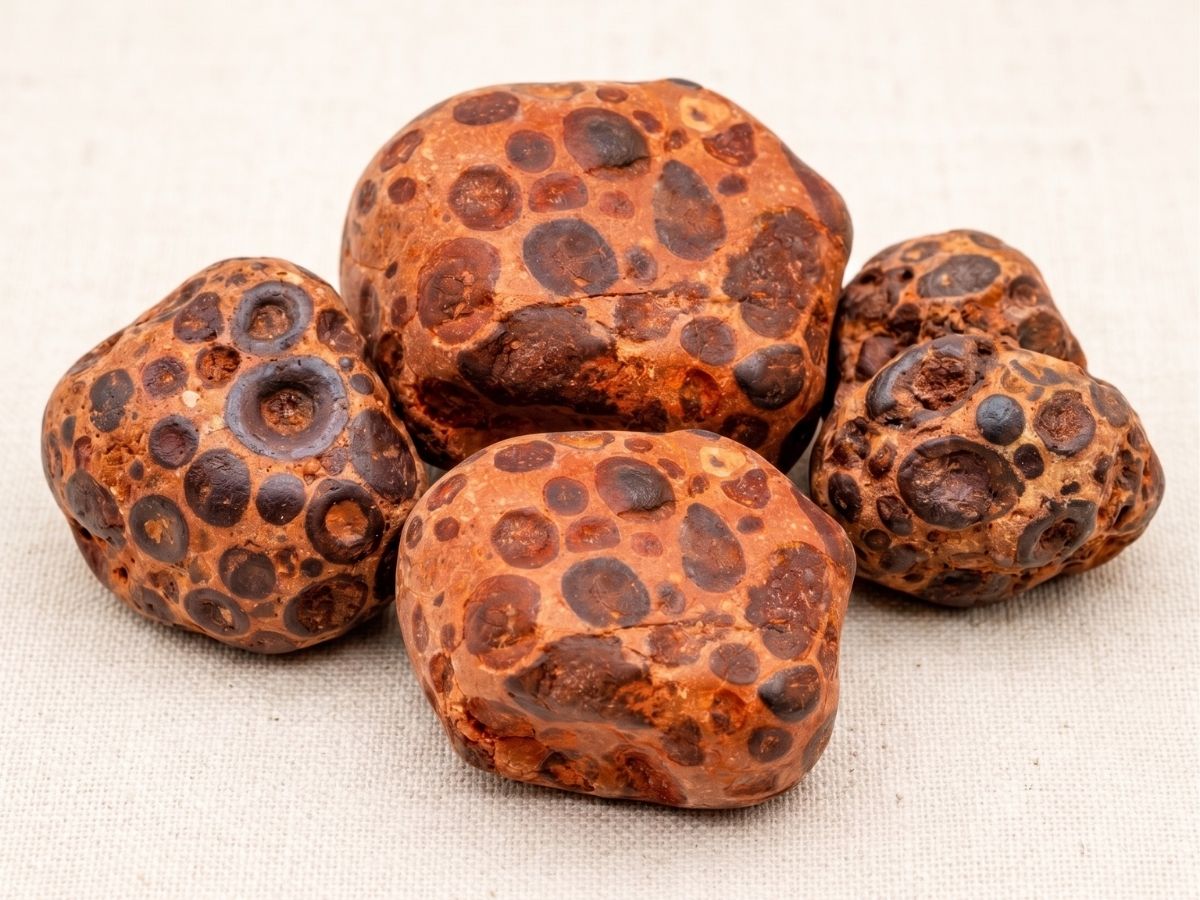
What Is Bauxite? Everything You Need to Know About the Raw Material Behind Aluminum
Aluminum is one of the world's most important industrial metals. From aerospace and automotive manufacturing to construction and renewable energy, it is used across countless industries. But every aluminum product begins with the same essential raw material: bauxite.
So, what is bauxite, and why is it considered the foundation of the global aluminum industry?
Bauxite is a naturally occurring ore rich in aluminum-bearing minerals. It serves as the primary raw material for nearly all primary aluminum produced worldwide. For manufacturers of aluminum billets, extrusion profiles, architectural systems, and value-added aluminum products, the quality of bauxite has a direct impact on production efficiency, cost, and ultimately the performance of the finished product.
In this article, we explore what bauxite is, how it forms, how it is processed into aluminum, and why it remains one of the most strategically important industrial minerals.
What Is Bauxite?
Bauxite is the principal ore used for producing aluminum. Rather than being a single mineral, it is a sedimentary rock composed of several aluminum-bearing minerals.
Its primary constituents include:
-
Gibbsite (Al(OH)₃)
-
Boehmite (γ-AlO(OH))
-
Diaspore (α-AlO(OH))
Depending on the deposit, bauxite also contains varying amounts of:
-
Iron oxides
-
Silica-bearing minerals
-
Titanium dioxide
-
Calcium compounds
-
Trace elements
Bauxite deposits are formed over millions of years through intense weathering of aluminum-rich rocks in tropical and subtropical climates. High rainfall and elevated temperatures gradually leach away soluble elements while concentrating aluminum-bearing minerals, creating commercially viable ore bodies.
Today, Australia, Guinea, Brazil, India, and China are among the world's leading bauxite producers.
How Is Bauxite Converted into Aluminum?
Contrary to common belief, aluminum is not extracted directly from bauxite. The production process consists of two major stages.
| Stage | Output |
|---|---|
| Bauxite ore | Alumina (Al₂O₃) |
| Alumina | Primary aluminum |
These stages are carried out using two well-established industrial processes.
1. The Bayer Process
The Bayer Process refines bauxite into alumina.
The process generally includes:
-
Crushing
-
Grinding
-
Digestion with caustic soda
-
Clarification
-
Precipitation
-
Calcination
The result is high-purity alumina suitable for electrolytic reduction.
2. The Hall-Héroult Process
In the second stage, alumina is dissolved in molten cryolite and subjected to electrolysis.
This process produces:
-
Molten aluminum
-
Oxygen
-
Carbon consumption at the anodes
The molten metal is then cast into various semi-finished products such as:
-
Billets
-
Slabs
-
Ingots
-
Foundry products
Aluminum billets used in extrusion plants are one of the most important outputs of this production chain.
Chemical Properties of Bauxite
The quality of bauxite is determined not only by its aluminum content but also by the concentration of impurities.
Key quality parameters include:
| Property | Importance |
|---|---|
| Al₂O₃ content | Higher values improve aluminum yield |
| SiO₂ content | Lower values are preferred |
| Fe₂O₃ content | Influences color and processing characteristics |
| TiO₂ content | May affect refining efficiency |
| Moisture content | Impacts transportation and processing costs |
High silica content is particularly undesirable in the Bayer Process because it increases caustic soda consumption and reduces refining efficiency.
Where Is Bauxite Found?
Commercial bauxite reserves are concentrated in several key regions around the world.
| Country | Industry Position |
|---|---|
| Australia | One of the world's largest producers |
| Guinea | Holds some of the largest reserves |
| Brazil | Major exporter |
| India | Significant producer |
| China | Major producer and consumer |
| Indonesia | Important regional supplier |
Turkey also possesses bauxite deposits. However, domestic reserves alone are insufficient to meet the country's overall aluminum demand, making imported raw materials and primary aluminum an important part of the supply chain.
Why Does Bauxite Quality Matter?
The quality of bauxite affects every stage of aluminum production.
Higher-grade ore generally offers:
-
Improved aluminum recovery
-
Lower energy consumption
-
Reduced caustic soda usage
-
Less process waste
-
Greater production stability
These advantages ultimately contribute to lower production costs and more consistent quality from billet casting through aluminum extrusion.
The Role of Bauxite in the Aluminum Value Chain
Every aluminum extrusion profile begins with a remarkably long production journey.
Bauxite
↓
Alumina
↓
Primary Aluminum
↓
Billet Casting
↓
Extrusion
↓
Heat Treatment
↓
Precision Machining
↓
Anodizing / Powder Coating
↓
Finished Aluminum Profile
Quality control plays a critical role throughout every stage.
During billet production in particular, factors such as:
-
Alloy chemistry
-
Chemical composition
-
Grain structure
-
Homogenization
have a direct impact on extrusion performance and the mechanical properties of the final product.
Why Billet Quality Matters After Bauxite
Although bauxite represents the starting point of aluminum production, it is only one part of the quality equation.
In modern extrusion operations, billet quality significantly influences:
-
Surface finish
-
Extrusion efficiency
-
Mechanical strength
-
Weldability
-
Anodizing performance
-
Powder coating quality
For this reason, vertically integrated manufacturers invest not only in extrusion technologies but also in maintaining consistent billet quality.
At Biser Aluminium, production processes ranging from billet manufacturing and extrusion to precision machining and powder coating are managed within an integrated manufacturing structure. This approach helps support process consistency, quality control, and reliable supply for customers across multiple industries.
The Relationship Between Bauxite and Aluminum Alloys
Bauxite itself is not an alloying material.
Instead, it serves as the starting point for producing high-purity primary aluminum, which is then alloyed to meet specific engineering requirements.
Common extrusion alloys include:
-
EN AW-6060
-
EN AW-6063
-
EN AW-6005
-
EN AW-6061
-
EN AW-6082
These alloys are widely used in:
-
Architectural systems
-
Curtain wall applications
-
Solar energy structures
-
Automotive components
-
Machinery manufacturing
-
Industrial equipment
Their chemical compositions and mechanical properties are generally defined by standards such as EN 573, EN 755, and EN 12020, while the applicable product standard depends on the intended application.
Bauxite and Sustainability
The aluminum industry is undergoing a significant transformation toward lower-carbon production.
Key focus areas include:
-
Energy-efficient refining technologies
-
Renewable energy integration
-
Red mud management
-
Water recycling
-
Increased use of recycled aluminum
Although primary aluminum production is energy-intensive, aluminum's ability to be recycled repeatedly without losing its essential properties makes it one of the world's most sustainable engineering materials.
Producing aluminum from recycled material requires only a fraction of the energy needed for primary production, significantly reducing environmental impact.
As a result, many manufacturers now combine primary and recycled raw materials to optimize both performance and sustainability.
What Should B2B Buyers Consider?
Selecting an aluminum supplier involves much more than comparing prices.
A comprehensive evaluation should include:
-
Manufacturing capabilities
-
Process control systems
-
Quality assurance procedures
-
Alloy availability
-
Precision machining capabilities
-
Surface finishing options
-
Delivery reliability
-
Technical engineering support
For project-based manufacturing, the supplier's ability to provide engineering expertise and full material traceability can be a significant competitive advantage.
Practical Supplier Evaluation Checklist
When selecting an aluminum manufacturer, consider the following questions:
✔ Does the manufacturer produce its own billets?
✔ Are the alloys manufactured in accordance with international standards?
✔ Can chemical analysis reports be provided?
✔ Are precision machining services available?
✔ Does the supplier offer anodizing or powder coating?
✔ Is the production process fully traceable?
✔ Is a documented quality management system in place?
✔ Can the company develop custom aluminum profiles for project-specific applications?
Conclusion
Understanding what bauxite is means understanding the foundation of the aluminum industry.
From bauxite mining and alumina refining to primary aluminum production, billet casting, extrusion, surface treatment, and final inspection, every stage contributes to the performance of the finished aluminum product.
For manufacturers and industrial buyers alike, choosing a supplier with strong process control, engineering expertise, and integrated production capabilities is essential to achieving consistent quality and long-term value.
Request Technical Support or a Quote
If you are looking for aluminum billets, extrusion profiles, precision machining, powder coating, or project-specific aluminum solutions, the engineering team at Biser Aluminium is ready to assist. Contact us to discuss your technical requirements, material selection, manufacturing options, or request a customized quotation tailored to your project.