What Is Anodizing? Anodized Aluminum, Anodizing Coating, Colors and Properties
Aluminum is widely used in architecture, construction, industry, and design due to its low weight, corrosion resistance, good machinability, and versatility. Various surface treatments can be applied to aluminum profiles to improve their surface properties and provide a high-quality appearance. One of these treatments is anodizing.
Although the term “anodized paint” is sometimes used in everyday language, anodizing is not a conventional painting process. It is an electrochemical surface treatment that creates a controlled oxide layer on the aluminum surface.
As a result, anodized aluminum can provide specific surface properties while maintaining the characteristic metallic appearance of the material and offering different decorative options.
But what exactly is anodizing, how does anodizing work, what colors are available, and where are anodized aluminum profiles used?
This guide explains the key aspects of aluminum anodizing, including its process, properties, colors, applications, and the differences between anodizing and powder coating.
What Is Anodizing?
Anodizing is an electrochemical surface treatment used to create a controlled anodic oxide layer on aluminum and aluminum alloys.
During the process, the aluminum profile acts as an anode in an electrolytic solution and is treated using an electric current. This creates a controlled oxide layer on the aluminum surface that is different from the naturally occurring oxide layer.
Depending on the process and parameters used, the anodized layer can:
- Contribute to corrosion resistance.
- Increase surface hardness.
- Improve resistance to surface wear.
- Provide a decorative surface finish.
- Allow different colors and visual effects to be achieved.
For these reasons, anodizing is widely used for aluminum profiles in architectural and industrial applications.
What Is Anodized Paint?
The term “anodized paint” is sometimes used commercially, but anodizing should technically not be considered a conventional paint coating.
In powder coating, a separate layer of paint is applied to the aluminum surface and then cured. During anodizing, an oxide layer is formed directly on the aluminum surface through an electrochemical process.
Therefore, the technically more accurate terms are anodized coating, anodized finish, anodized surface, or simply anodized aluminum.
However, terms such as “anodized paint,” “anodized color,” and “anodized profile” may still be encountered in everyday commercial use.
How Is Aluminum Anodized?
Proper surface preparation is an important part of the anodizing process. The condition of the aluminum surface, the alloy used, and the process parameters can all influence the final appearance.
The anodizing process may generally include the following stages:
1. Surface Preparation
Oil, dirt, and other residues are removed from the aluminum surface using appropriate cleaning and preparation processes.
Proper surface preparation helps achieve a more consistent anodized finish.
2. Chemical Surface Treatment
Depending on the required appearance, additional chemical surface treatments may be applied.
A uniform and controlled surface is particularly important for architectural aluminum profiles where the final appearance is highly visible.
3. Anodizing
The prepared aluminum profile is placed in an electrolytic bath and treated using an electric current.
This electrochemical process creates a controlled anodic oxide layer on the aluminum surface.
4. Coloring
Depending on the desired appearance, the anodized layer can be colored.
In addition to natural aluminum tones, options such as bronze, black, and champagne shades can be produced. Available colors depend on the anodizing process and production conditions.
5. Sealing
After anodizing, the porous structure of the anodic oxide layer can be sealed.
This process helps stabilize the properties of the anodized surface and can contribute to its resistance to environmental effects.
What Are the Properties of Anodized Aluminum?
Anodized aluminum combines the inherent properties of aluminum with the characteristics of the anodized surface.
Corrosion Resistance
A suitable anodized layer can contribute to protecting the aluminum surface against environmental conditions. For this reason, anodized aluminum is widely considered for architectural applications, including exterior applications.
Surface Hardness
The anodized layer has different mechanical properties from untreated aluminum and can provide increased surface hardness.
This can be beneficial in applications where surface resistance is an important consideration.
Metallic Appearance
One of the characteristic features of anodizing is that it can preserve the natural metallic character of aluminum.
This makes anodized aluminum particularly suitable for modern architectural applications where a clean and metallic appearance is desired.
Different Color Options
Different anodizing processes can provide a range of colors and surface effects.
However, the final appearance can be affected by factors such as the aluminum alloy, surface preparation, and process parameters.
Low Maintenance Requirements
A properly produced anodized surface can provide long-term surface performance depending on the application and environmental conditions, while requiring relatively simple routine maintenance.
What Are the Available Anodized Aluminum Colors?
Anodized aluminum profiles can be produced in a variety of colors and surface finishes.
Common anodized aluminum finishes include:
- Natural anodized
- Silver tones
- Bronze tones
- Dark bronze
- Black anodized
- Champagne tones
Available colors may vary depending on the anodizing process and production conditions.
Anodized colors should also not be treated in exactly the same way as standard colors from a conventional paint or RAL color chart.
The final appearance can be affected by the aluminum alloy, surface structure, pretreatment, and anodizing parameters.
For larger architectural projects, it is therefore recommended to approve the desired finish using an actual physical sample.
What Is an Anodized Aluminum Profile?
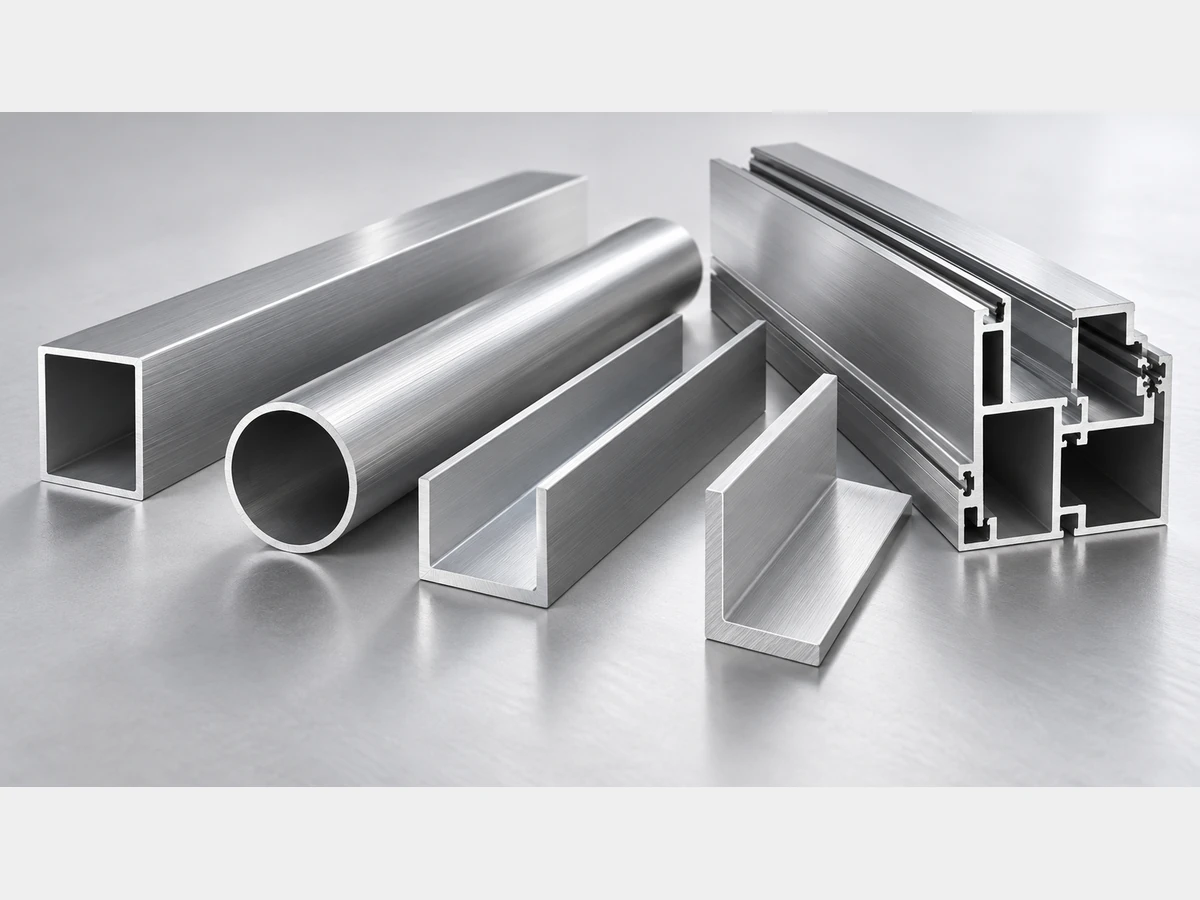
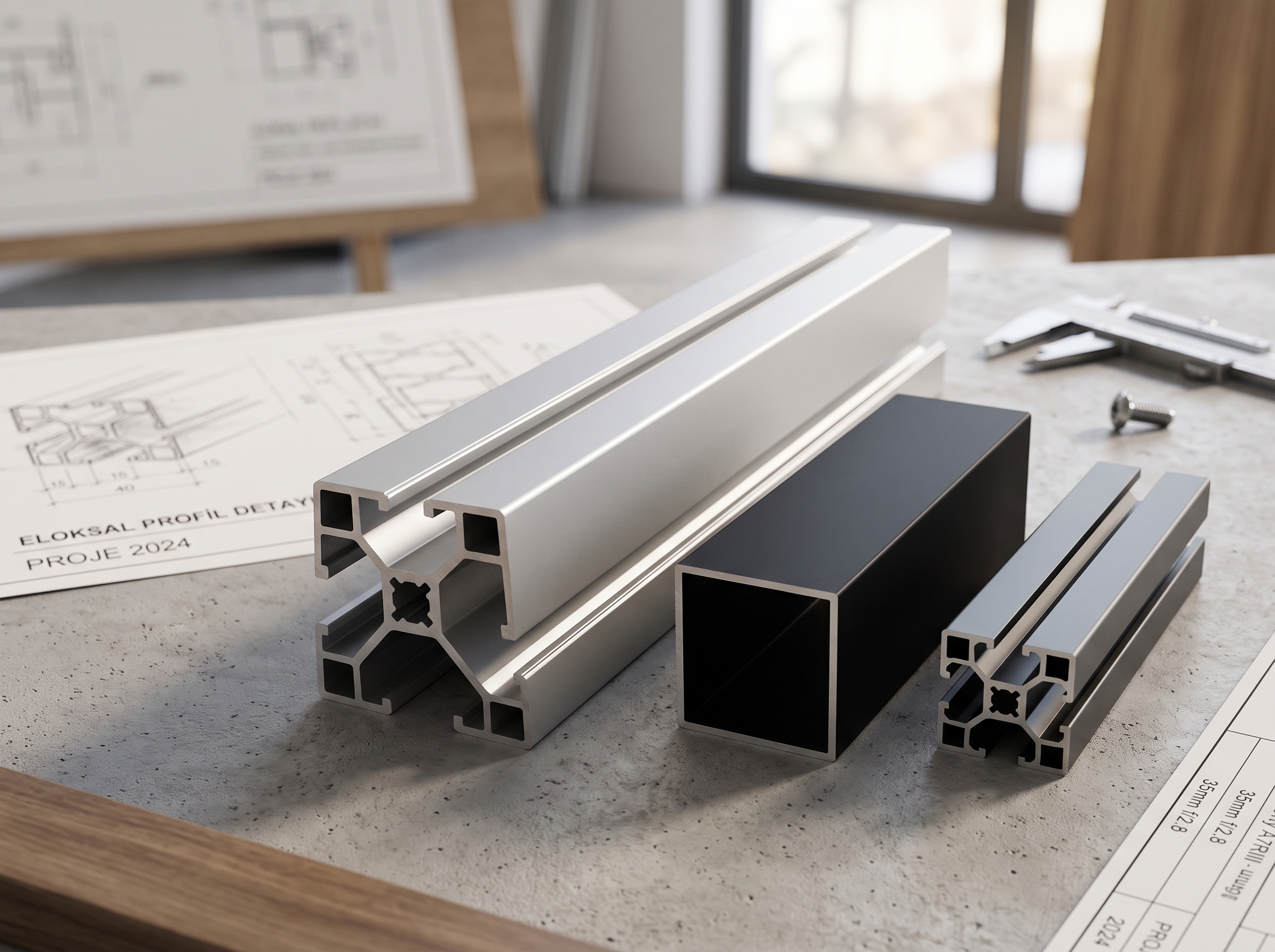
An anodized aluminum profile is an extruded aluminum profile that has subsequently undergone an anodizing process.
The aluminum is first formed into the required profile geometry through the extrusion process. Depending on the requirements, the profile then undergoes the necessary surface preparation and anodizing processes.
Anodized aluminum profiles are particularly suitable for applications where both technical performance and surface appearance are important.
They can be used in:
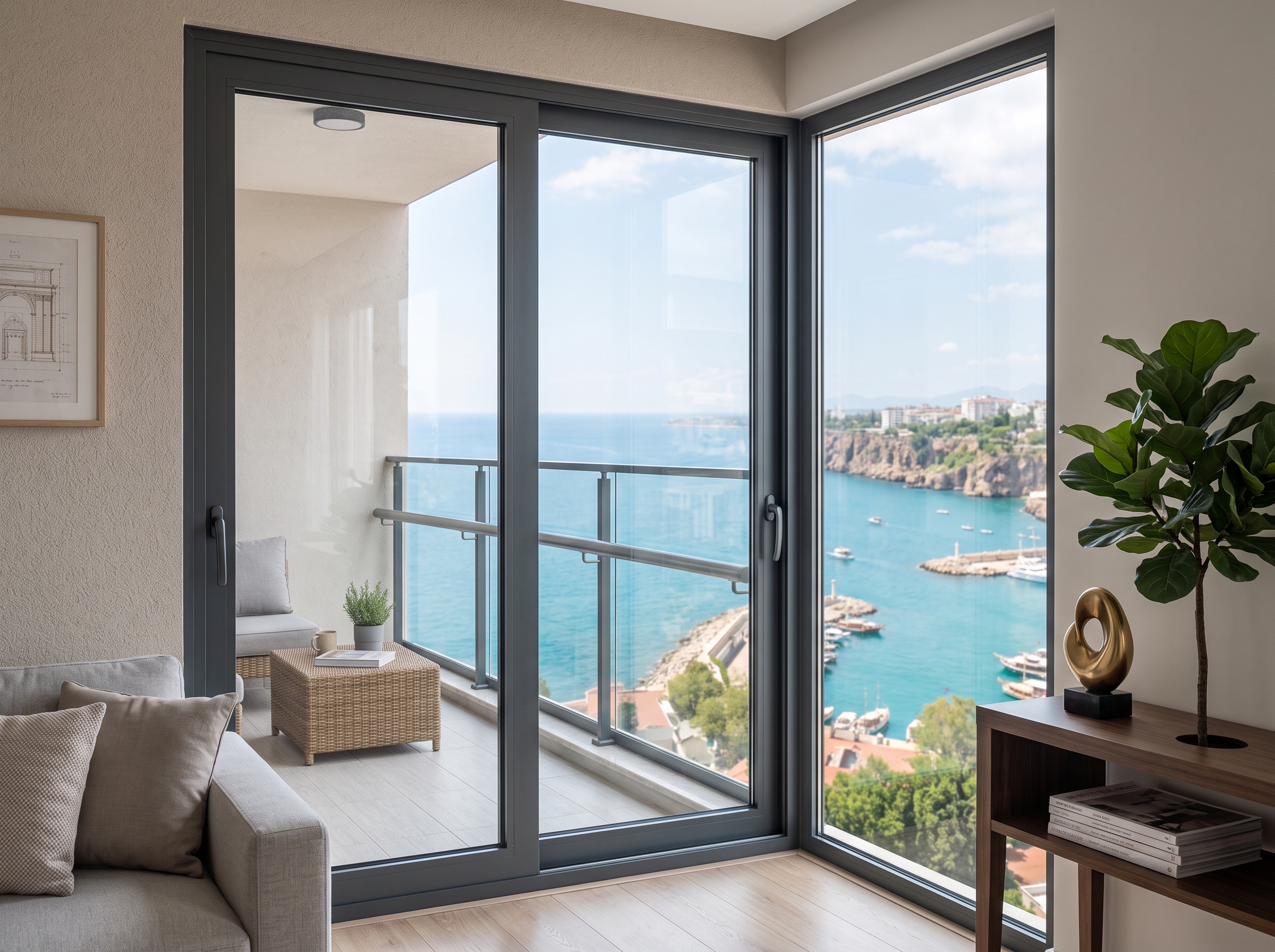
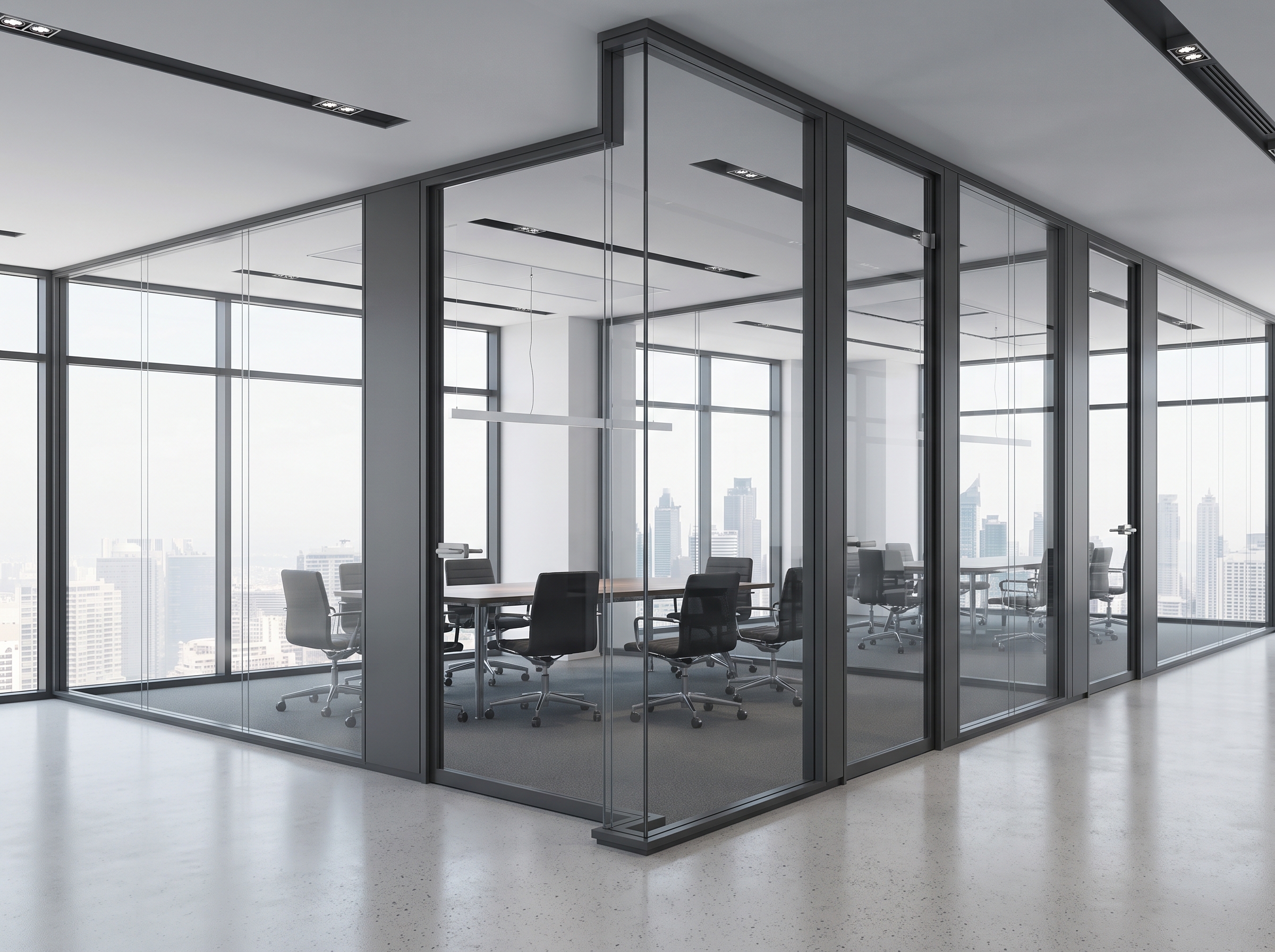
- Door and window systems
- Facade systems
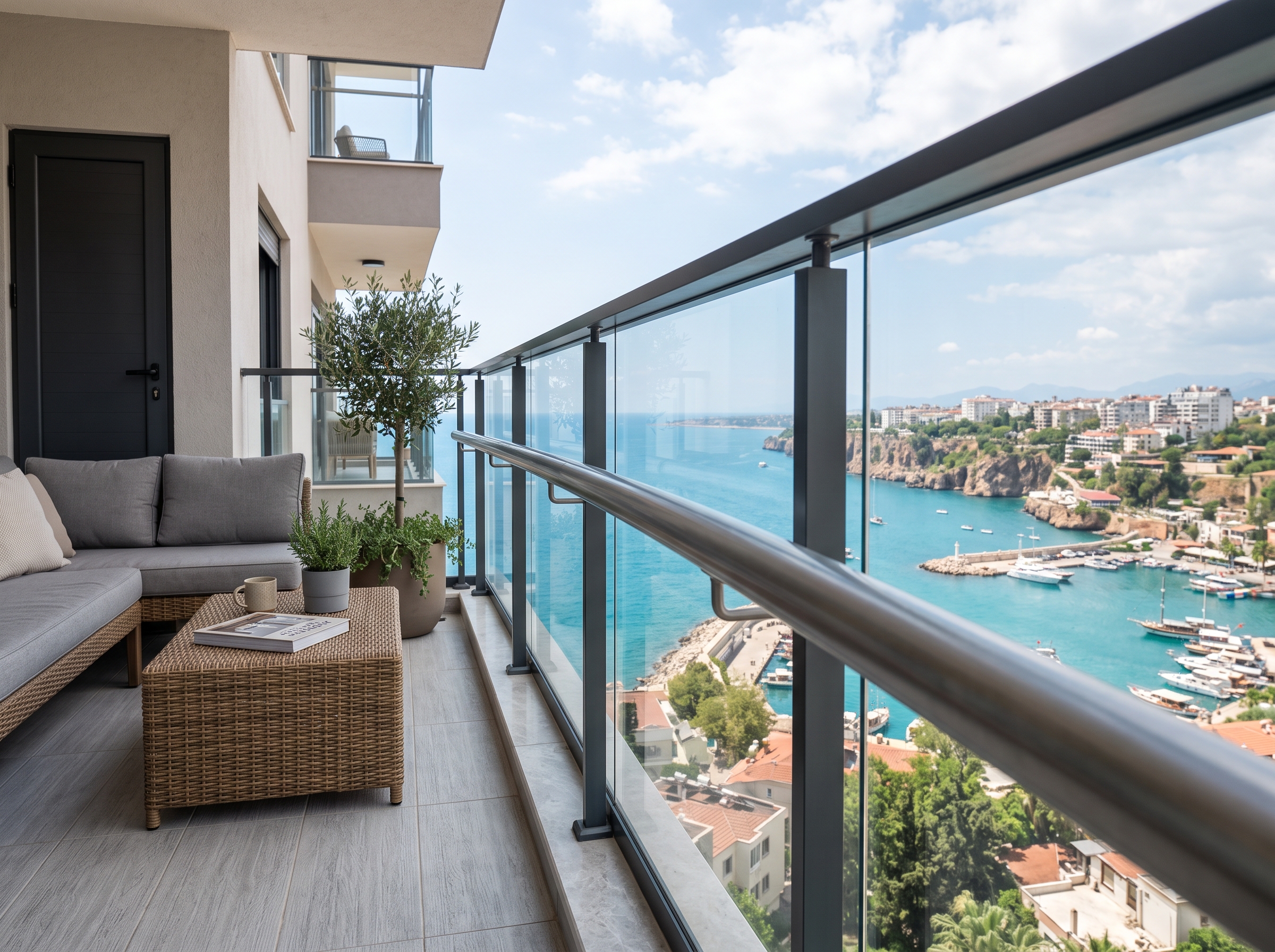
- Glass balcony systems
- Handrails and railing systems
- Solar shading systems
- Interior architecture
- Decorative aluminum applications
- Furniture and design applications
The appropriate profile and surface treatment should be selected according to the specific requirements of the project.
Where Are Anodized Aluminum Profiles Used?
Anodized aluminum profiles have a wide range of applications.
Architectural Systems
The low weight and machinability of aluminum, combined with the characteristic appearance of an anodized surface, make anodized profiles suitable for various architectural applications.
They can be used for doors, windows, facades, railings, handrails, and other architectural systems.
Facade Systems
In facade applications, aluminum profiles can function as both structural and visual elements.
An anodized finish can preserve the metallic character of aluminum and provide a contemporary appearance to the facade.
Door and Window Systems
Anodized aluminum profiles have been used in door and window systems for many years.
The aluminum alloy, surface treatment, and application conditions should be considered when selecting the appropriate profile.
Glass Balcony Systems
Aluminum profiles used in glass balcony systems can also be anodized.
The anodized surface can contribute to the desired metallic appearance while improving the surface properties of the aluminum.
Handrails and Railing Systems
Aluminum offers advantages in handrail and railing applications due to its low weight and machinability.
Anodized finishes can be selected when a metallic and high-quality appearance is desired.
Anodizing vs. Powder Coating: What Is the Difference?
One of the most common questions when selecting an aluminum surface treatment is: anodizing or powder coating?
The two processes are fundamentally different.
| Property | Anodizing | Powder Coating |
|---|---|---|
| Process | Electrochemical surface treatment | Coating with powder paint |
| Surface layer | Anodic oxide layer | Cured paint layer |
| Appearance | Metallic character can be preserved | Wide range of colors and finishes |
| Color range | Depends on anodizing process | Very wide range of colors |
| Metallic appearance | Characteristic of anodized aluminum | Depends on powder coating system |
| Architectural use | Widely used | Widely used |
| Color consistency | Influenced by alloy and process | Influenced by coating and process |
There is therefore no universal answer to whether anodizing or powder coating is better.
The appropriate choice should be based on the project's desired appearance, environmental conditions, technical requirements, color requirements, and specifications.
What Is the Difference Between Anodizing and Painting?
The main difference is how the surface layer is created.
During anodizing, an oxide layer is formed on the aluminum surface through an electrochemical process.
During painting or powder coating, a separate coating material is applied to the aluminum surface.
As a result, the two processes differ in terms of:
- Surface structure
- Appearance
- Color selection
- Production process
- Surface performance
- Maintenance requirements
Is Anodized Aluminum Durable?
The durability of an anodized surface depends on several factors, including:
- Properties and thickness of the anodized layer
- Aluminum alloy
- Quality of surface preparation
- Sealing process
- Application conditions
- Environmental exposure
For exterior applications, the environmental conditions should be carefully considered.
Coastal areas, high humidity, industrial atmospheres, and other demanding environments may create specific requirements for the selection of an aluminum surface treatment.
Therefore, the suitability of an anodized finish should always be evaluated according to the actual application and relevant technical requirements.
Why Is Anodizing Thickness Important?
The thickness of the anodized layer is an important parameter when evaluating an anodized aluminum surface.
Depending on the application, environmental conditions, and technical requirements, different anodizing classes and layer thicknesses may be specified.
When selecting an anodized aluminum profile, it is therefore important to consider not only the color but also the anodizing thickness and relevant technical specification.
For large-scale construction and architectural projects, technical requirements should be clearly defined before production begins.
What Should You Consider When Buying Anodized Aluminum Profiles?
When selecting anodized aluminum profiles, it is important to evaluate more than just price and color.
Aluminum Alloy
The aluminum alloy used can affect the appearance after anodizing.
The same anodizing color may therefore appear differently on different aluminum alloys.
Profile Surface
The surface condition after extrusion can also influence the final anodized appearance.
For visible architectural profiles, surface uniformity is particularly important.
Color and Sample Approval
For larger projects, the final color should preferably be approved using a physical sample.
Digital images, screen colors, or digital color references may not accurately represent the actual appearance of an anodized aluminum surface.
Anodizing Thickness
The required anodizing thickness should be determined according to the intended application and technical requirements.
Application Environment
It is important to consider whether the profile will be used indoors, outdoors, in coastal areas, or in an industrial environment.
How Do You Clean Anodized Aluminum?
Anodized aluminum surfaces should be cleaned using suitable cleaning products and soft cleaning materials.
For general cleaning:
- Remove dust and loose dirt from the surface.
- Use a suitable cleaning solution and a soft cloth.
- Rinse the surface with clean water.
- Dry the surface with a soft cloth.
The specific cleaning method should follow the manufacturer's recommendations and the properties of the anodized finish.
Abrasive materials, aggressive chemicals, and hard tools may damage the anodized surface.
Can Anodized Aluminum Be Scratched?
Anodized aluminum has a specially treated surface, but it is not completely resistant to mechanical damage.
Contact with sharp or hard objects, friction, improper storage, or careless installation can cause scratches.
Particular care should therefore be taken during:
- Transportation
- Storage
- Cutting
- Machining
- Installation
to protect the anodized surface.
How Does the Aluminum Alloy Affect Anodizing?
The aluminum alloy can have a significant influence on the final appearance of an anodized surface.
Certain alloying elements may affect the color, tone, and uniformity achieved after anodizing.
For this reason, the aluminum alloy and anodizing process should be considered together, particularly for decorative and architectural applications.
For larger quantities, producing and approving a sample before starting mass production can help ensure that the expected appearance is achieved.
Why Are Anodized Aluminum Profiles Used?
Anodized aluminum profiles can be selected for a combination of technical and aesthetic reasons.
In addition to the inherent properties of aluminum, anodizing can:
- Provide a high-quality metallic appearance.
- Contribute to corrosion resistance.
- Improve surface properties.
- Provide different color options.
- Offer decorative possibilities for architectural applications.
- Provide long-term surface performance when properly specified and produced.
However, the most suitable surface treatment depends on the specific application and technical requirements of the project.
Why Is Quality Important in Anodized Aluminum Profile Production?
The quality of an anodized surface is not determined by the anodizing process alone.
The aluminum alloy, billet quality, extrusion process, profile surface, surface preparation, and control of anodizing parameters can all influence the final result.
This is particularly important for architectural profiles because large and highly visible surfaces can make small differences more noticeable.
A controlled production process – from billet production and extrusion to surface treatment and mechanical processing – is therefore an important part of achieving consistent product quality.
Aluminum Profile Production at Biser Aluminium
Biser Aluminium has an integrated production structure covering various stages of aluminum profile manufacturing, from aluminum billet production and extrusion to surface treatment and mechanical processing.
Aluminum billets produced at the Malatya facility are processed into aluminum profiles using extrusion presses. This enables the production of profiles for different systems and applications.
In addition to extrusion, the production capabilities include powder coating, sublimation, mechanical processing, and other surface and fabrication operations.
For projects requiring an anodized finish, the technical requirements, aluminum alloy, desired surface appearance, and appropriate processing conditions can be evaluated according to the project specifications.
Frequently Asked Questions About Anodized Aluminum
Is anodized paint the same as regular paint?
No. Anodizing is not technically a conventional painting process. It is an electrochemical process that creates an oxide layer on the aluminum surface.
Does anodized aluminum rust?
Aluminum does not rust like iron-based metals. However, aluminum can corrode depending on environmental conditions. A suitable anodized layer can contribute to corrosion resistance.
Can anodized aluminum be used outdoors?
Yes. When the appropriate anodizing specification and surface treatment are selected, anodized aluminum can be used for exterior applications. The environmental conditions and project requirements should be considered.
Is anodizing or powder coating more durable?
The two processes have different characteristics and mechanisms. Durability depends not only on the surface treatment but also on the alloy, production quality, application conditions, and environmental exposure.
Do anodized aluminum colors change over time?
The appearance of an anodized finish can be affected by factors such as the aluminum alloy, anodizing process, surface properties, and environmental exposure.
Can anodized aluminum be painted?
Anodized aluminum can be painted after appropriate surface preparation. The suitable coating system and pretreatment should be determined according to the specific application.
Can anodized aluminum be cleaned?
Yes. Anodized aluminum surfaces can be cleaned using suitable cleaning products and soft cloths. Abrasive materials and aggressive chemicals should be avoided.
Where are anodized aluminum profiles used?
Anodized aluminum profiles are used in doors and windows, facade systems, glass balconies, handrails, railings, solar shading systems, interior architecture, and various decorative aluminum applications.
Conclusion
Anodizing aluminum is an established electrochemical surface treatment used to improve surface properties and create high-quality metallic finishes.
The performance and appearance of anodized aluminum are influenced by several factors, including the aluminum alloy, profile surface, surface preparation, anodizing parameters, layer thickness, and application environment.
When selecting anodized aluminum profiles, it is therefore important to consider not only color and appearance but also the technical requirements and intended environment.
Choosing the appropriate aluminum profile and surface treatment helps meet both the technical and aesthetic requirements of architectural and industrial projects.