What Is an Aluminum Box Profile? Properties, Dimensions and Applications
Aluminum box profiles are widely used in construction, architecture, automotive manufacturing, machinery, furniture production and various industrial applications thanks to their lightweight structure, durability, corrosion resistance and design flexibility. Featuring a hollow square or rectangular cross-section, these profiles can be manufactured in different geometries, wall thicknesses and aluminum alloy grades.
Their low density compared to steel, ease of machining and compatibility with various surface treatments make aluminum box profiles a versatile engineering material. Furthermore, aluminum extrusion technology enables manufacturers to produce not only conventional profile designs but also custom cross-sections tailored to customers' technical drawings and specific project requirements.
So, what is an aluminum box profile? What are its main properties, how are its dimensions determined, and where is it used? In this guide, we explore the production processes, alloy options, advantages and key considerations when selecting aluminum box profiles.
What Is an Aluminum Box Profile?
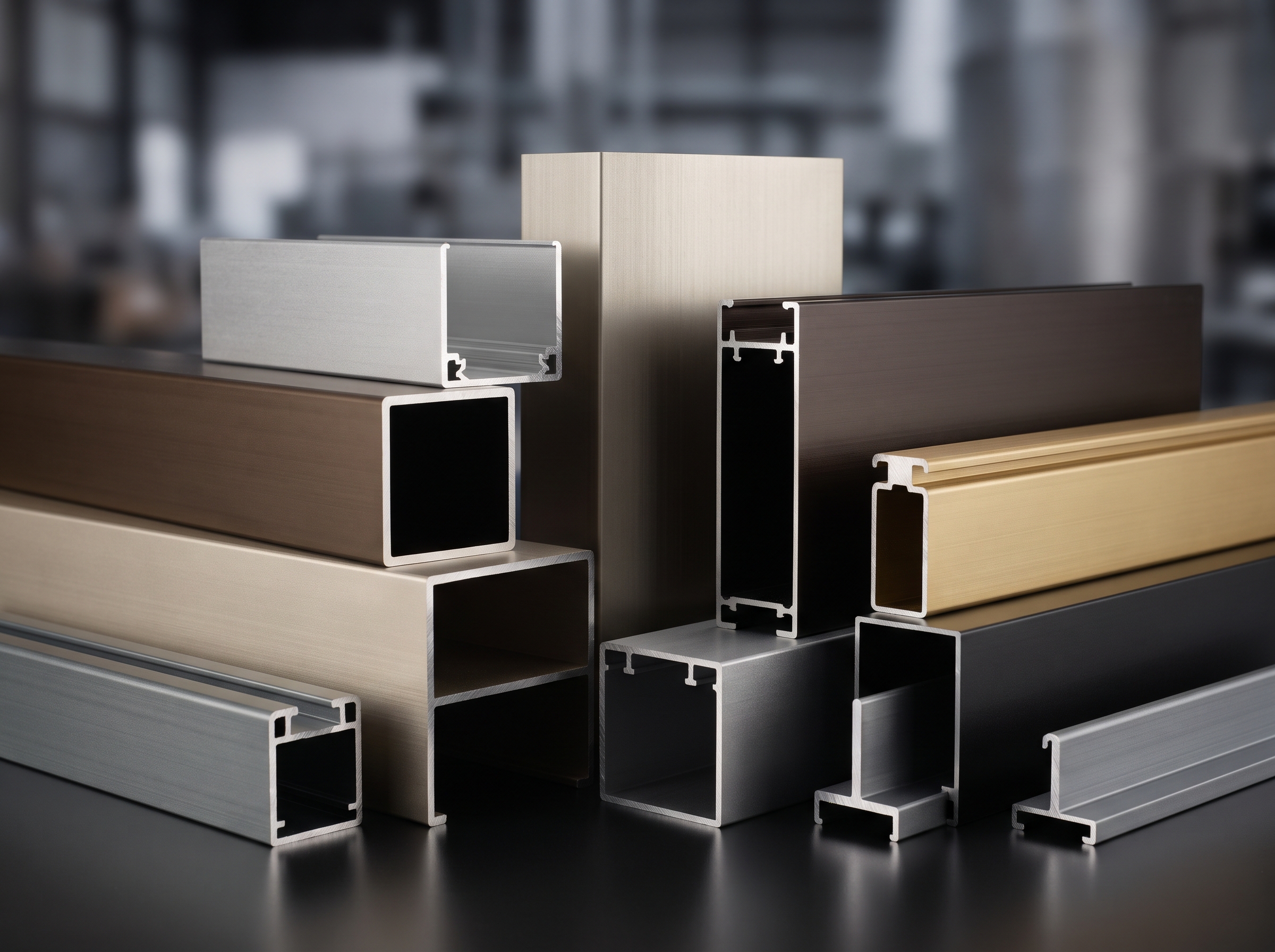
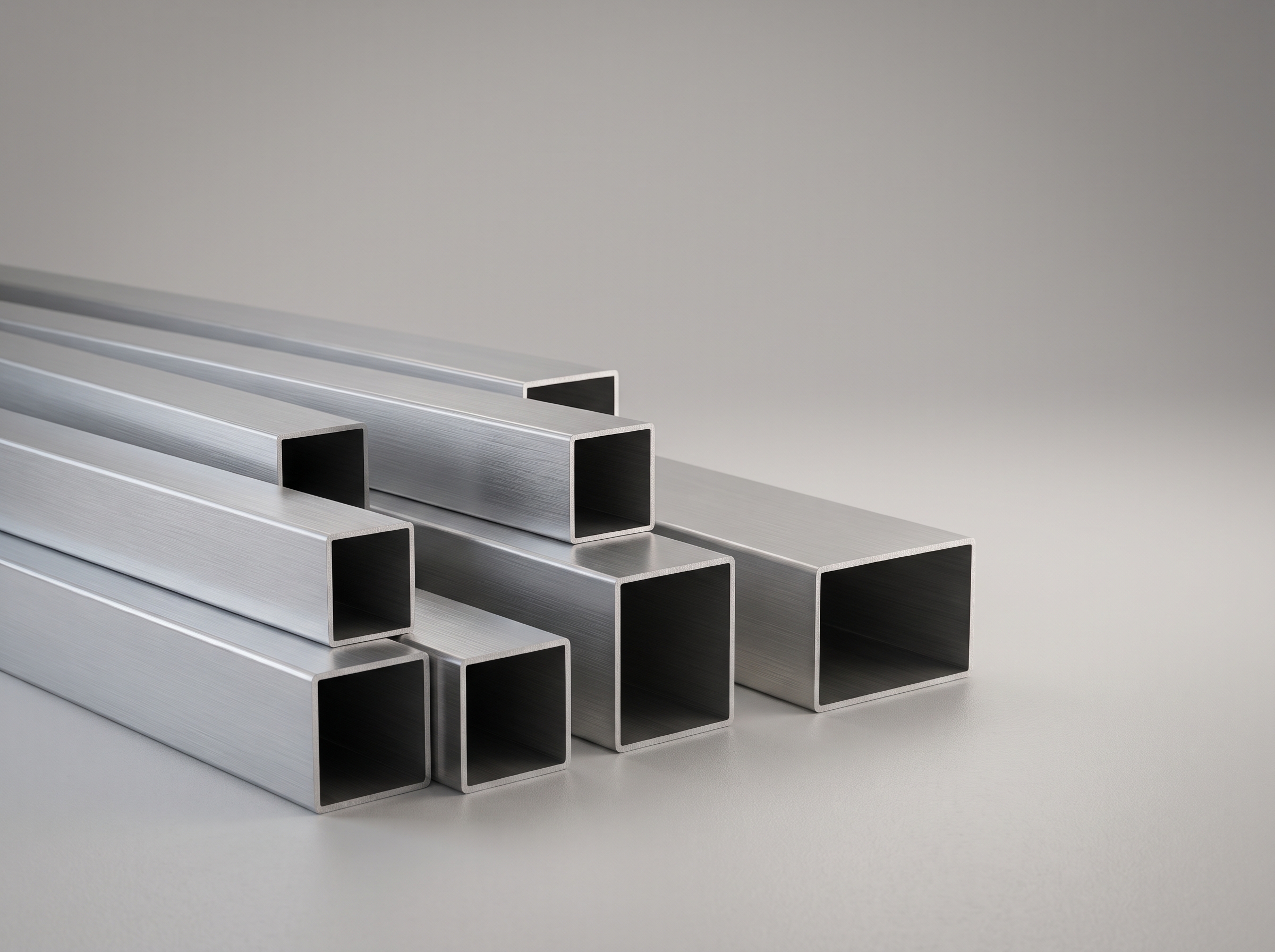
An aluminum box profile is a hollow aluminum extrusion with a square or rectangular cross-section, manufactured by shaping aluminum alloys through the extrusion process. Its external geometry, internal cavity and wall thickness are designed according to the intended application and technical requirements.
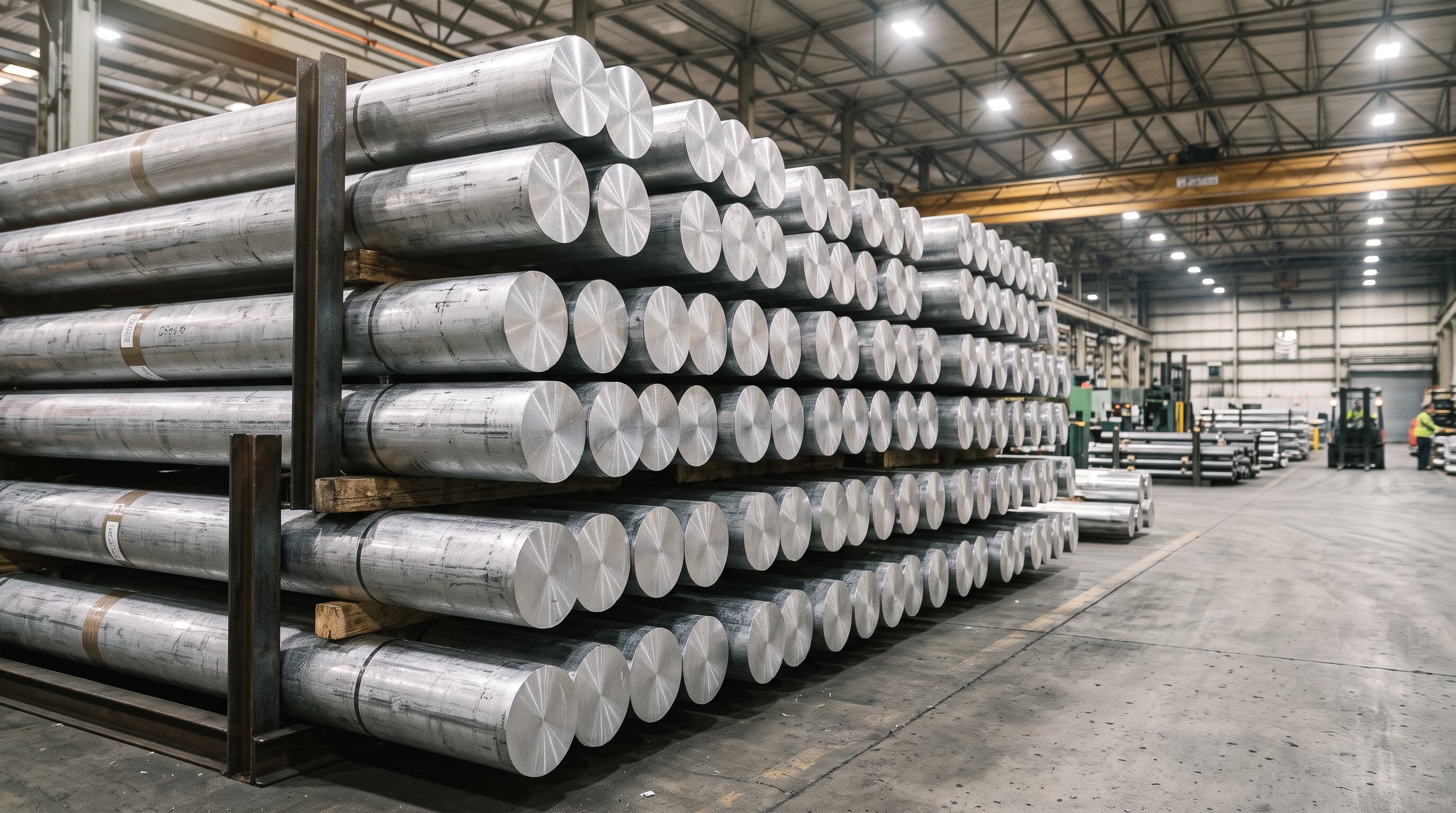
During production, a heated aluminum billet is forced through a specially designed extrusion die to create the required cross-sectional geometry. This process makes it possible to manufacture aluminum profiles in various shapes to meet the needs of different industries.
Aluminum box profiles are generally classified into two main geometric categories:
-
Square aluminum box profiles: Profiles with equal external width and height dimensions, featuring a symmetrical cross-section.
-
Rectangular aluminum box profiles: Profiles with different external width and height dimensions.
Both types are used in a wide range of applications, from machinery structures and architectural systems to furniture and automotive components.
What Are the Properties of Aluminum Box Profiles?
The widespread use of aluminum box profiles across different industries is largely due to the physical and mechanical properties of aluminum.
1. Lightweight Yet Durable Structure
Aluminum has a density of approximately 2.70 g/cm³, which is roughly one-third that of steel.
This low density provides a significant advantage in applications where reducing structural weight is important. Aluminum box profiles help create lighter structures and simplify transportation and installation processes.
However, a profile's load-bearing capacity is not determined by weight alone. Alloy grade, temper, wall thickness, cross-sectional geometry and connection details also influence its mechanical performance.
2. Corrosion Resistance
When exposed to air, aluminum naturally forms a thin oxide layer on its surface. This layer helps protect the material against environmental influences.
Thanks to this characteristic, aluminum box profiles can be used in both indoor and outdoor applications. With the appropriate alloy and surface treatment, they can provide durable solutions for humid environments, architectural façade systems and outdoor structures.
3. Excellent Machinability
Aluminum box profiles are suitable for cutting, drilling, milling, slotting and various other machining operations.
Depending on project requirements, profiles can undergo custom cutting, hole drilling, milling and connection-related machining processes. Welding and mechanical joining methods can also be used when the appropriate alloy and design are selected.
These properties make it easier to manufacture custom-sized profiles and develop application-specific solutions.
4. Recyclability
Aluminum is a highly recyclable metal that can be reused repeatedly while retaining many of its essential properties.
Using recycled aluminum significantly reduces energy consumption compared with primary aluminum production. For this reason, aluminum profiles are also an important material in sustainable manufacturing and resource efficiency.
5. Compatibility with Different Surface Treatments
Aluminum box profiles can undergo various surface treatments depending on their intended application and aesthetic requirements.
Common surface treatment options include:
-
Anodizing: A controlled oxide layer is formed on the aluminum surface to improve surface performance and appearance.
-
Electrostatic powder coating: Powder paint is applied to the profile and cured in an oven to create a protective coating. A wide range of RAL color options is available.
-
Wood-effect sublimation: A wood-like appearance is transferred onto suitably powder-coated aluminum profiles using transfer film, heat and pressure.
-
Mechanical surface treatments: Different surface textures and finishes can be achieved according to specific requirements.
These processes allow aluminum profiles to be used in both technical and decorative applications.
How Are Aluminum Box Profile Dimensions Determined?
Aluminum box profile dimensions are determined according to the technical requirements of the intended application. These products are not limited to fixed standard external dimensions. Square and rectangular profiles can be designed according to customer requirements and project-specific technical drawings.
Extrusion technology enables the production of a wide range of cross-sectional geometries. The external dimensions, wall thickness, internal cavity and geometric details are evaluated during the design stage.
Technical Parameters That Determine Profile Dimensions
The following criteria are considered when designing custom aluminum box profiles:
-
External cross-sectional dimensions: The width and height of the profile.
-
Wall thickness: The thickness of the profile walls.
-
Internal geometry: The shape and dimensions of the internal cavity.
-
Profile length: The required production or cutting length for the project.
-
Corner geometry: The design and radii of internal and external corners.
-
Alloy and temper: The material selection that provides the required mechanical properties.
-
Tolerances: Dimensional and geometric tolerances specified in the technical drawing.
Custom Aluminum Box Profile Manufacturing
In custom aluminum box profile manufacturing, the technical drawing serves as the primary reference for the production process. After evaluating the cross-sectional geometry and wall thickness, a suitable extrusion die is designed or an appropriate existing die is selected.
For custom profile orders, providing the technical drawing together with the alloy, temper, profile length, tolerances, surface treatment and estimated order quantity helps facilitate the manufacturability assessment.
This approach makes it possible to develop aluminum box profile solutions tailored to specific project requirements rather than being limited to standard products.
Which Aluminum Alloys Are Used for Box Profiles?
Different 6xxx-series aluminum alloys can be used in the production of aluminum box profiles. These alloys contain magnesium and silicon, making them suitable for extrusion applications.
Some of the most commonly used grades include EN AW-6060, EN AW-6061, EN AW-6063 and EN AW-6082.
EN AW-6060 Aluminum Alloy
6060 alloy is known for its good extrudability and surface quality. It is commonly used in architectural applications, decorative profiles, window and door systems, and various industrial applications.
It is also a suitable option for surface treatments such as anodizing and electrostatic powder coating.
EN AW-6061 Aluminum Alloy
6061 alloy stands out for its good mechanical properties and strength. It can be used in machinery manufacturing, industrial structures, automotive applications and mechanical components.
Its extrusion and surface quality characteristics should be evaluated according to the specific application requirements.
EN AW-6063 Aluminum Alloy
6063 alloy is one of the most widely used alloys in the aluminum extrusion industry.
Thanks to its good surface quality, corrosion resistance and formability, it is preferred for architectural profiles, furniture systems, decorative applications and various industrial profile designs.
EN AW-6082 Aluminum Alloy
6082 alloy is one of the higher-strength alloys in the 6xxx series. It can be used in structural applications, machinery frameworks and engineering projects.
For applications requiring higher strength, profile geometry, wall thickness and production conditions should be evaluated together.
Which aluminum alloy should be selected?
Alloy selection depends on the intended application and expected performance. Grades 6060 and 6063 are commonly considered for architectural applications, 6061 for general industrial applications, and 6082 for applications requiring higher mechanical strength.
The final selection should take temper condition, mechanical properties, surface requirements and relevant technical standards into account.
Where Are Aluminum Box Profiles Used?
Aluminum box profiles are versatile products that can meet the structural and aesthetic requirements of many industries.
1. Construction and Architectural Applications
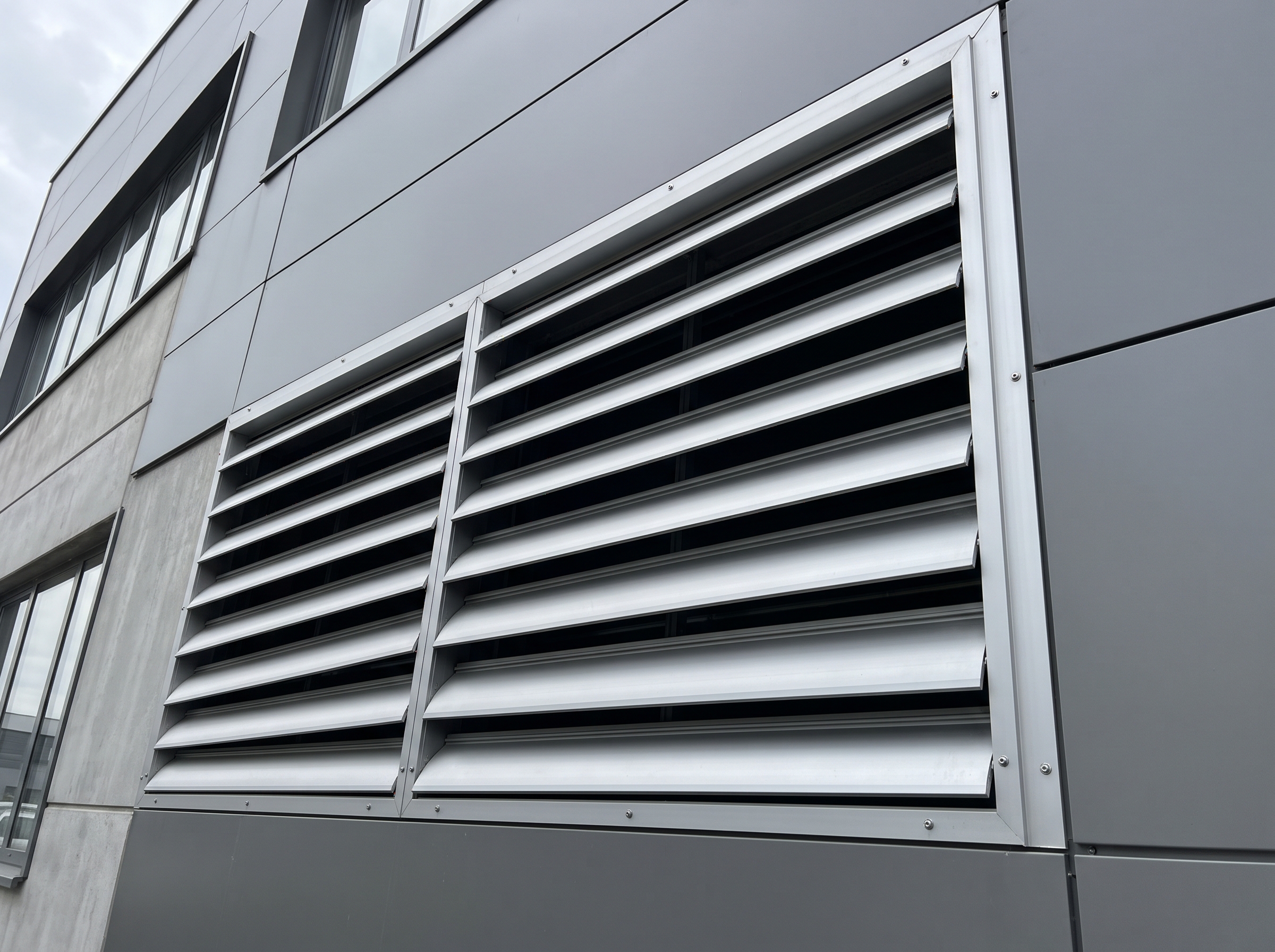
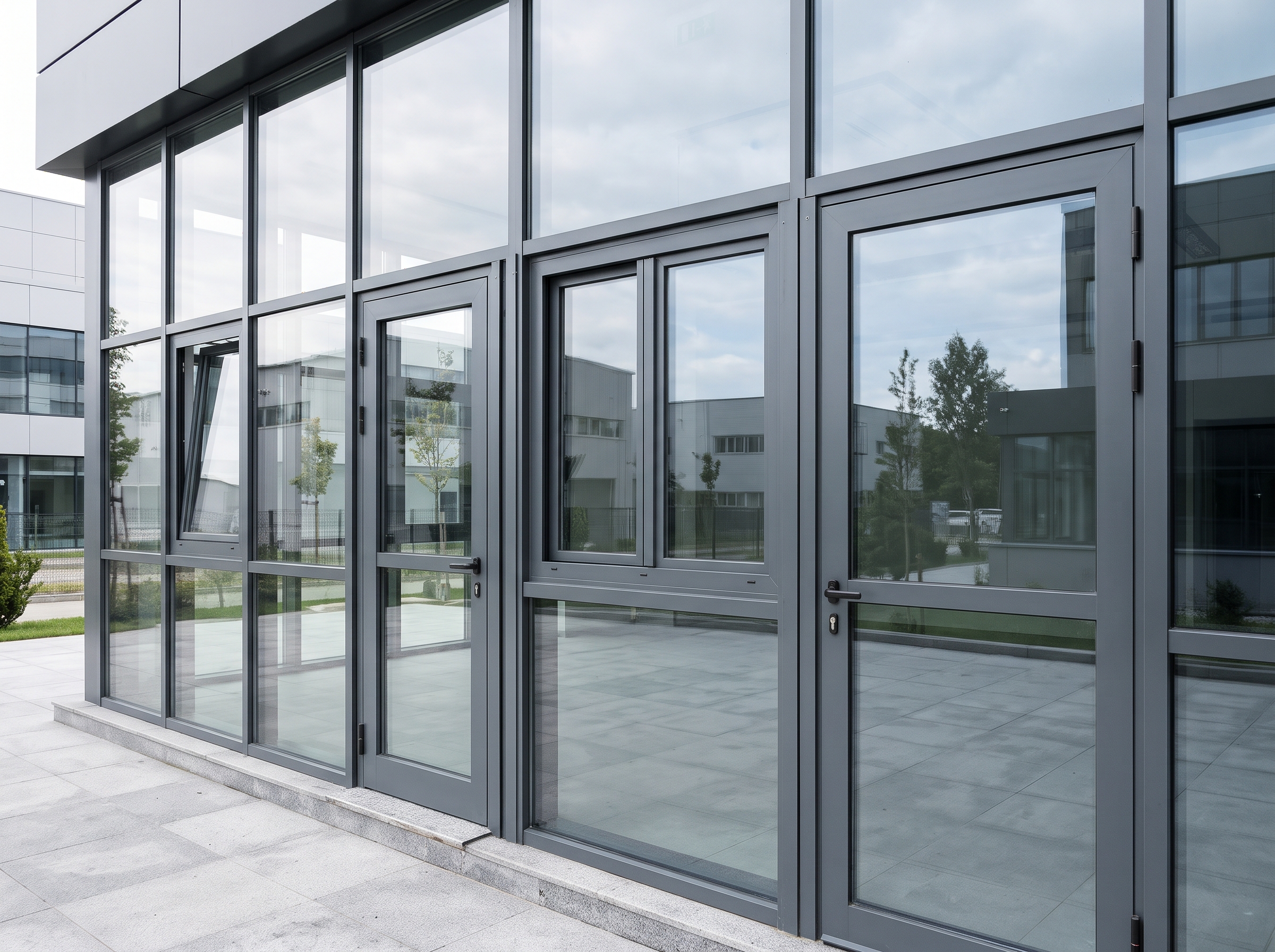
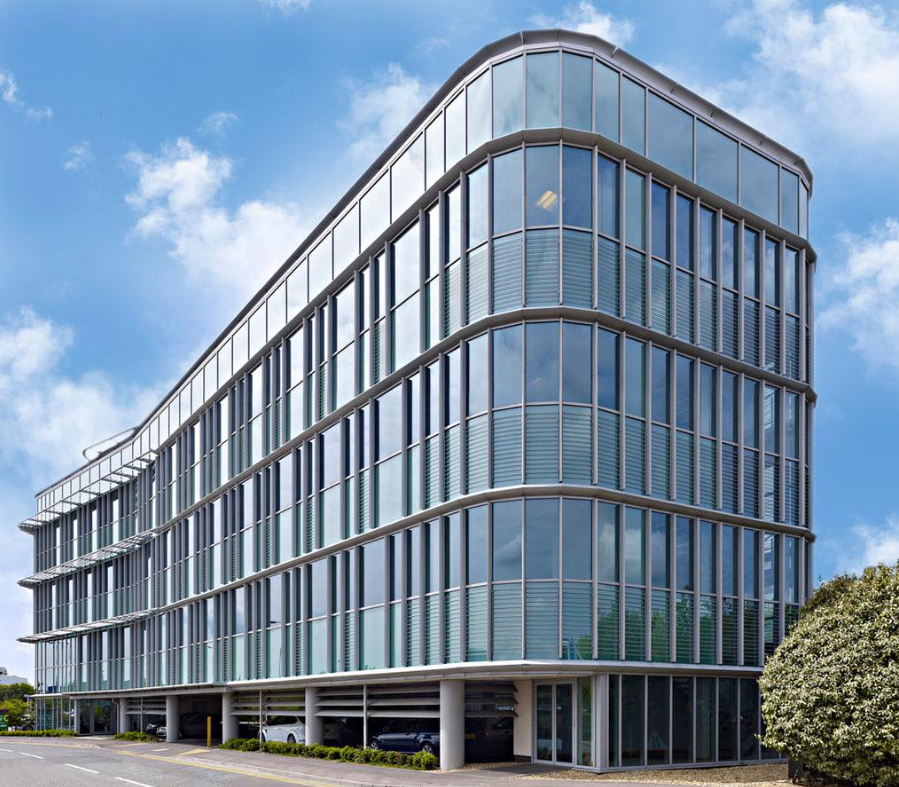
Aluminum box profiles can be used in various construction structures, façade details, railings, partition systems and decorative architectural elements.
Their lightweight structure simplifies installation, while different surface coating options allow them to complement modern architectural designs.
2. Machinery and Industrial Manufacturing
In machinery manufacturing, aluminum box profiles can be used for machine frames, equipment chassis, support structures, protective enclosures and production lines.
Their machinability makes it easier to assemble different components and create application-specific structures.
3. Furniture and Interior Design
In the furniture industry, aluminum box profiles are used in table and chair frames, shelving systems, cabinet structures, display units and decorative designs.
Their lightweight structure, durability and modern appearance make them particularly suitable for commercial spaces and contemporary interior projects.
4. Automotive and Transportation Industry
Reducing weight is an important consideration in the automotive industry, particularly in terms of energy efficiency and vehicle performance.
With appropriate engineering design, aluminum box profiles can be used in selected vehicle body sections, internal structural components, equipment systems and various transportation applications.
5. Solar Energy Systems
In solar power plants and rooftop solar installations, aluminum profiles can be used in different components of solar panel mounting structures.
Their corrosion resistance, low weight and machinability make aluminum a preferred material for solar panel support systems.
The load-bearing capacity of the selected profile must be calculated according to wind loads, snow loads, span distances and connection details.
6. Electrical and Electronic Equipment
Aluminum box profiles can be used in the production of electrical panels, electronic equipment housings, equipment supports and various protective enclosures.
Aluminum's high thermal conductivity can help dissipate heat in appropriately designed applications.
7. Advertising and Exhibition Systems
Aluminum box profiles are used in advertising panels, sign structures, display units, exhibition stands and presentation systems.
Their easy handling, availability in custom cross-sections and aesthetic surface options provide important advantages in these applications.
Aluminum Box Profiles vs. Steel Box Profiles
Although aluminum and steel box profiles can have similar geometries, they differ in terms of physical, mechanical and application-related properties.
| Property | Aluminum Box Profile | Steel Box Profile |
|---|---|---|
| Density | Approx. 2.70 g/cm³ | Approx. 7.85 g/cm³ |
| Weight | Lighter | Heavier |
| Corrosion resistance | Good, thanks to its natural oxide layer | Generally requires protective coating |
| Thermal conductivity | High | Lower |
| Machinability | Good | Depends on material and cross-section |
| Recyclability | High | High |
| Surface treatment options | Anodizing, powder coating and other finishes | Painting, galvanizing and other coatings |
Aluminum's low density provides a significant weight advantage over steel for the same volume. However, steel has a higher modulus of elasticity and can provide greater stiffness in certain structural applications.
Therefore, the choice between these two materials should consider not only weight but also strength, stiffness, cost, operating environment and design requirements.
How Are Aluminum Box Profiles Manufactured?
Aluminum box profile manufacturing is based on extrusion technology and consists of several controlled production stages, from raw material preparation to final quality inspection.
1. Billet Preparation
The aluminum billet used in production is prepared according to the required alloy and technical specifications. Its chemical composition and homogeneity are important factors in final product quality.
2. Heating
The aluminum billet is heated to a temperature suitable for the extrusion process. Heating conditions are determined according to the alloy and production parameters.
3. Extrusion
The heated billet is pushed through a specially designed extrusion die to obtain the required cross-sectional geometry. At this stage, the square or rectangular shape and other cross-sectional details are formed.
4. Cooling and Stretching
After extrusion, the profile is cooled using appropriate methods. Stretching may then be applied to improve straightness and dimensional stability.
5. Cutting to Length and Heat Treatment
Profiles are cut to the required lengths. Appropriate heat treatment processes are carried out to achieve the desired temper properties.
6. Surface Treatments
Depending on the intended application, anodizing, electrostatic powder coating or other surface treatments may be applied. These processes improve the appearance and surface performance of the profiles.
7. Quality Control
After production, profile dimensions, wall thickness, surface quality and relevant mechanical properties are inspected. Compliance with technical specifications is an essential part of final product quality.
What Factors Affect Aluminum Box Profile Prices?
Aluminum box profile prices vary depending on the product's technical specifications, raw material costs and manufacturing conditions.
The main factors affecting pricing include:
-
LME aluminum price: Aluminum prices traded on the London Metal Exchange (LME) are an important component of raw material costs.
-
Alloy grade: The aluminum alloy and temper requirements can affect production costs.
-
Profile geometry: Cross-sectional design, wall thickness and profile weight per meter influence manufacturing costs.
-
Order quantity: Order tonnage can affect production planning and unit pricing.
-
Die cost: Custom cross-sections may require a new extrusion die.
-
Surface treatments: Anodizing, powder coating and wood-effect finishes may involve additional costs.
-
Machining and packaging: Additional requirements such as cutting, drilling, milling and special packaging can affect the final quotation.
To obtain an accurate quotation for aluminum box profiles, customers should provide the technical drawing, alloy, temper, surface treatment, profile length and estimated order quantity.
For custom extrusion profiles in particular, sharing the technical drawing helps simplify manufacturability assessment and pricing.
What Should You Consider When Choosing Aluminum Box Profiles?
Selecting the right aluminum box profile for a project directly affects its service life and performance.
The following criteria should be considered during the purchasing and technical evaluation process:
-
Intended application: Determine whether the profile will be used for decorative, architectural or structural purposes.
-
Alloy and temper: Select an aluminum alloy suitable for the required mechanical properties.
-
Cross-sectional geometry: Ensure that external dimensions, internal cavity and wall thickness meet project requirements.
-
Mechanical strength: Evaluate load, span and connection conditions through engineering calculations.
-
Surface quality: Select the appropriate surface treatment according to the appearance requirements and operating environment.
-
Manufacturing standards: Define relevant dimensional tolerances and mechanical properties before placing an order.
-
Manufacturer capabilities: Ensure that the supplier has the production infrastructure to meet the required dimensions, alloy, length and order quantity.
For aluminum profile sourcing in European markets, relevant European standards such as the EN 755 series can help establish technical specifications.
Frequently Asked Questions (FAQ)
What is an aluminum box profile?
An aluminum box profile is a hollow aluminum extrusion with a square or rectangular cross-section. It is used in various industrial and architectural applications thanks to its lightweight structure, corrosion resistance and machinability.
What dimensions are available for aluminum box profiles?
Aluminum box profiles are not limited to fixed standard dimensions. They can be manufactured with different external dimensions, wall thicknesses and geometries according to the customer's technical drawing and project requirements.
Can aluminum box profiles be manufactured in custom dimensions?
Yes. Extrusion technology allows manufacturers to design custom cross-sections according to customer technical drawings. Manufacturability depends on factors such as profile geometry, wall thickness, alloy and extrusion capacity.
What lengths are available for aluminum box profiles?
Aluminum box profiles can be manufactured in different lengths or cut to the required dimensions depending on production capabilities and project requirements. Available length options should be confirmed with the manufacturer before ordering.
Do aluminum box profiles rust?
Aluminum does not rust in the same way as iron or steel. It naturally forms an oxide layer on its surface, which provides protection against corrosion. However, selecting the appropriate alloy and surface treatment is important in aggressive environments.
Can aluminum box profiles be used for structural applications?
Yes. Aluminum box profiles designed with the appropriate alloy, cross-sectional geometry and wall thickness can be used in various structural applications. Their load-bearing capacity must be determined through engineering calculations.
Can aluminum box profiles be painted?
Yes. Electrostatic powder coating can be applied to aluminum box profiles after suitable surface preparation. Anodizing and other decorative surface treatments are also available.
What is the difference between an aluminum box profile and an aluminum tube?
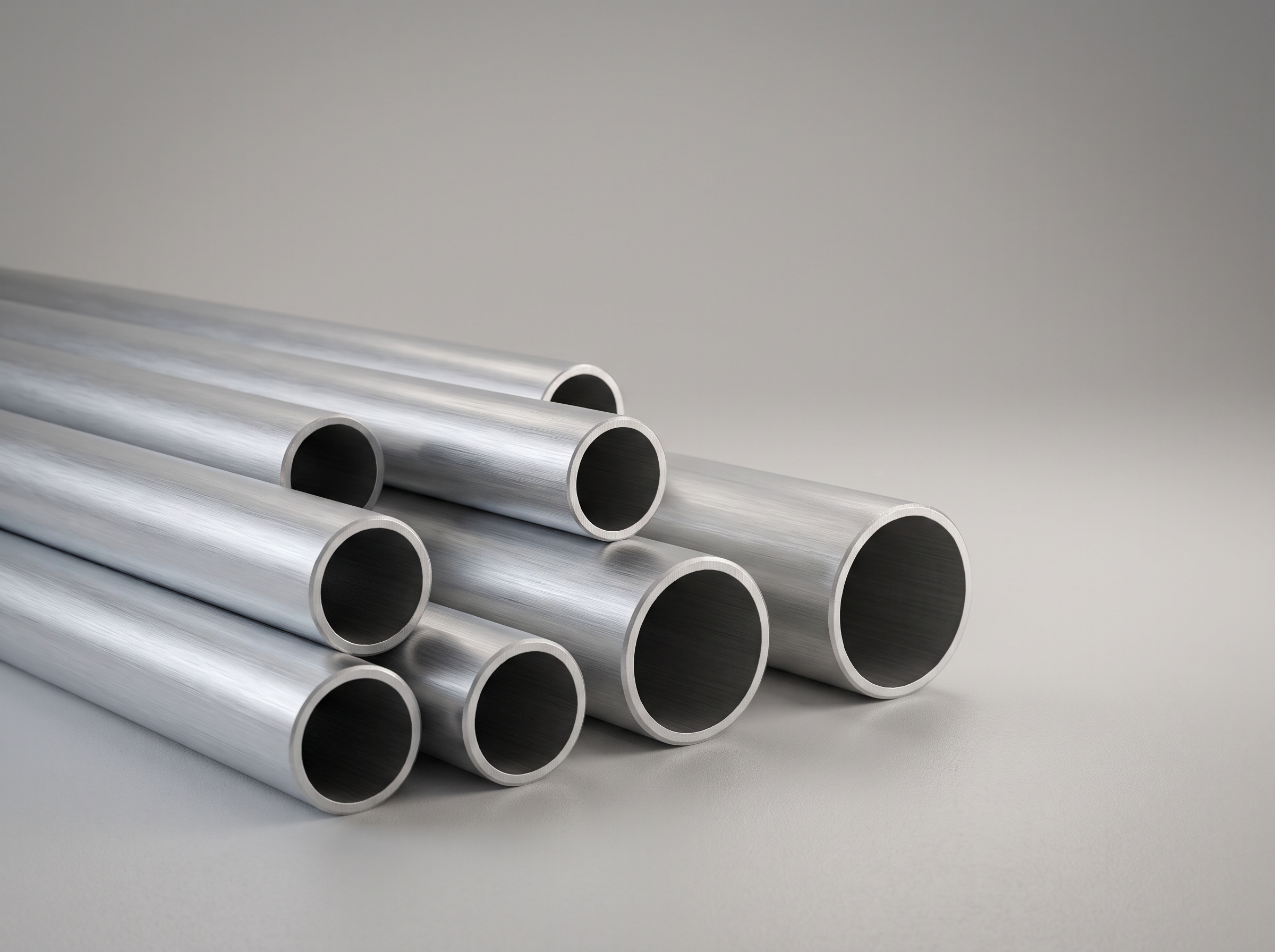
An aluminum box profile has a square or rectangular external cross-section, whereas an aluminum tube generally has a circular cross-section. Both products have hollow geometries, but their applications and connection designs may differ.
How are aluminum box profile prices calculated?
Pricing depends on factors such as the LME aluminum price, alloy grade, profile weight per meter, production quantity, die costs and surface treatments. Technical drawings and order quantities are required for an accurate quotation.
Which aluminum alloys are used in box profile manufacturing?
Depending on the intended application, 6xxx-series aluminum alloys such as EN AW-6060, 6061, 6063 and 6082 can be used. Alloy selection depends on mechanical properties, surface requirements and manufacturing specifications.
Custom Aluminum Profile Solutions for Your Projects with Biser Aluminium
In aluminum extrusion manufacturing, the right alloy, suitable cross-sectional design and controlled production processes form the foundation of final product performance.
With its production infrastructure in aluminum billet manufacturing and extrusion, Biser Aluminium provides solutions for the aluminum profile requirements of different industries. From architectural systems to industrial applications, production is carried out in line with technical specifications and project requirements.
Profile geometries, cross-sectional characteristics, alloy and temper options, and surface treatments are evaluated according to customer requirements to develop suitable manufacturing solutions for each project.
Contact Biser Aluminium to learn more about custom aluminum box profiles and extrusion solutions for your project. Share your technical drawing and production requirements with us, and let us evaluate the most suitable solutions together.