What Is an Aluminium Tube? Properties, Types and Applications
Aluminium tubes are widely used in industries such as construction, automotive, machinery, furniture, energy and industrial manufacturing due to their lightweight structure, corrosion resistance, excellent machinability and design flexibility. They offer significant advantages in applications where weight reduction, durability and long service life are important.
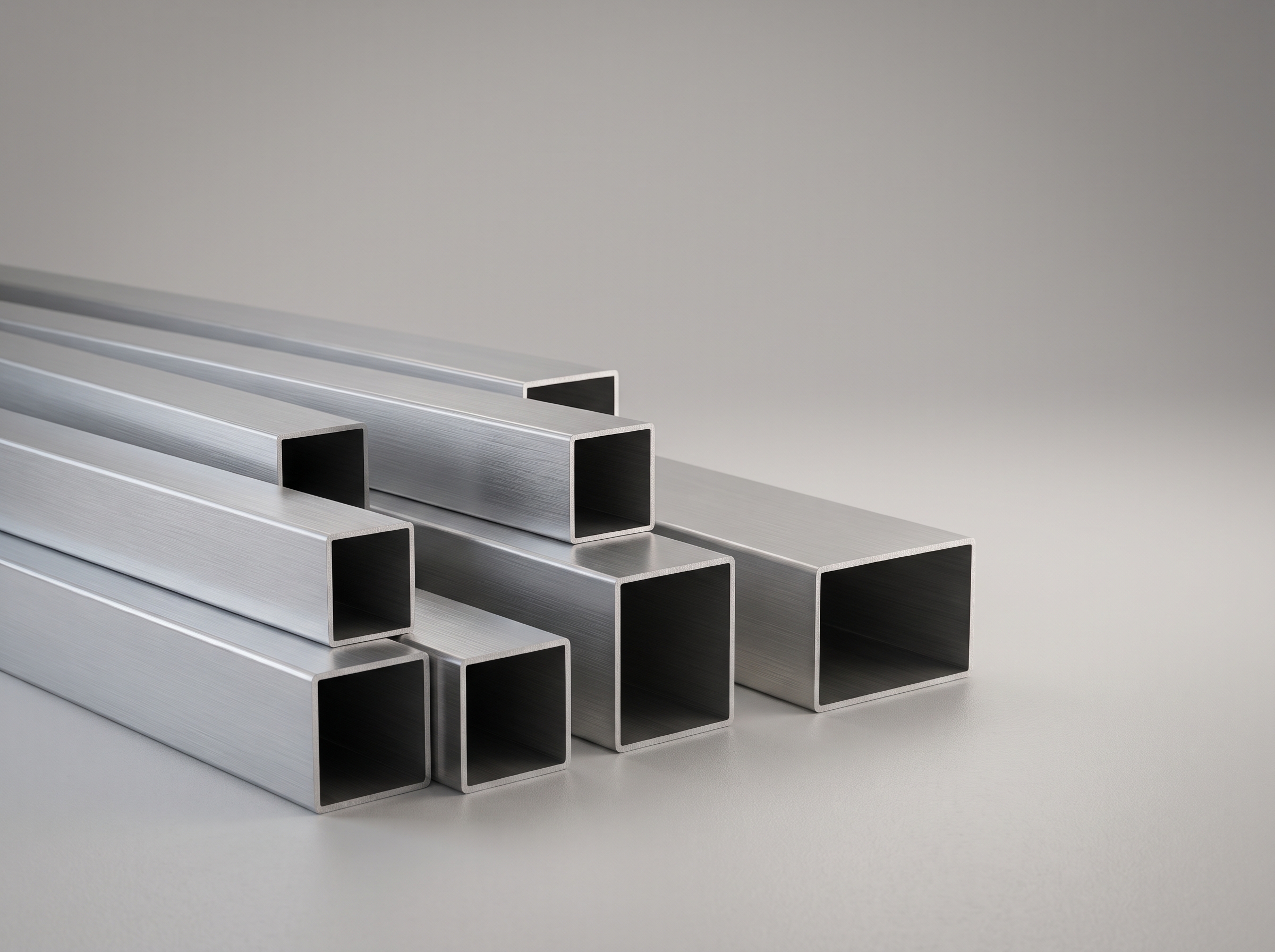
Aluminium tubes can be manufactured in round, square, rectangular and custom-shaped hollow sections. Depending on project requirements, they can be produced using different alloys, wall thicknesses and lengths. Thanks to aluminium extrusion technology, manufacturers can produce not only standard geometries but also custom hollow profiles designed to meet specific customer requirements.
So, what is an aluminium tube, what are its properties, what types are available and where are they used? In this article, we explore everything you need to know about aluminium tubes, including their manufacturing processes, alloys, technical characteristics and applications.
What Is an Aluminium Tube?
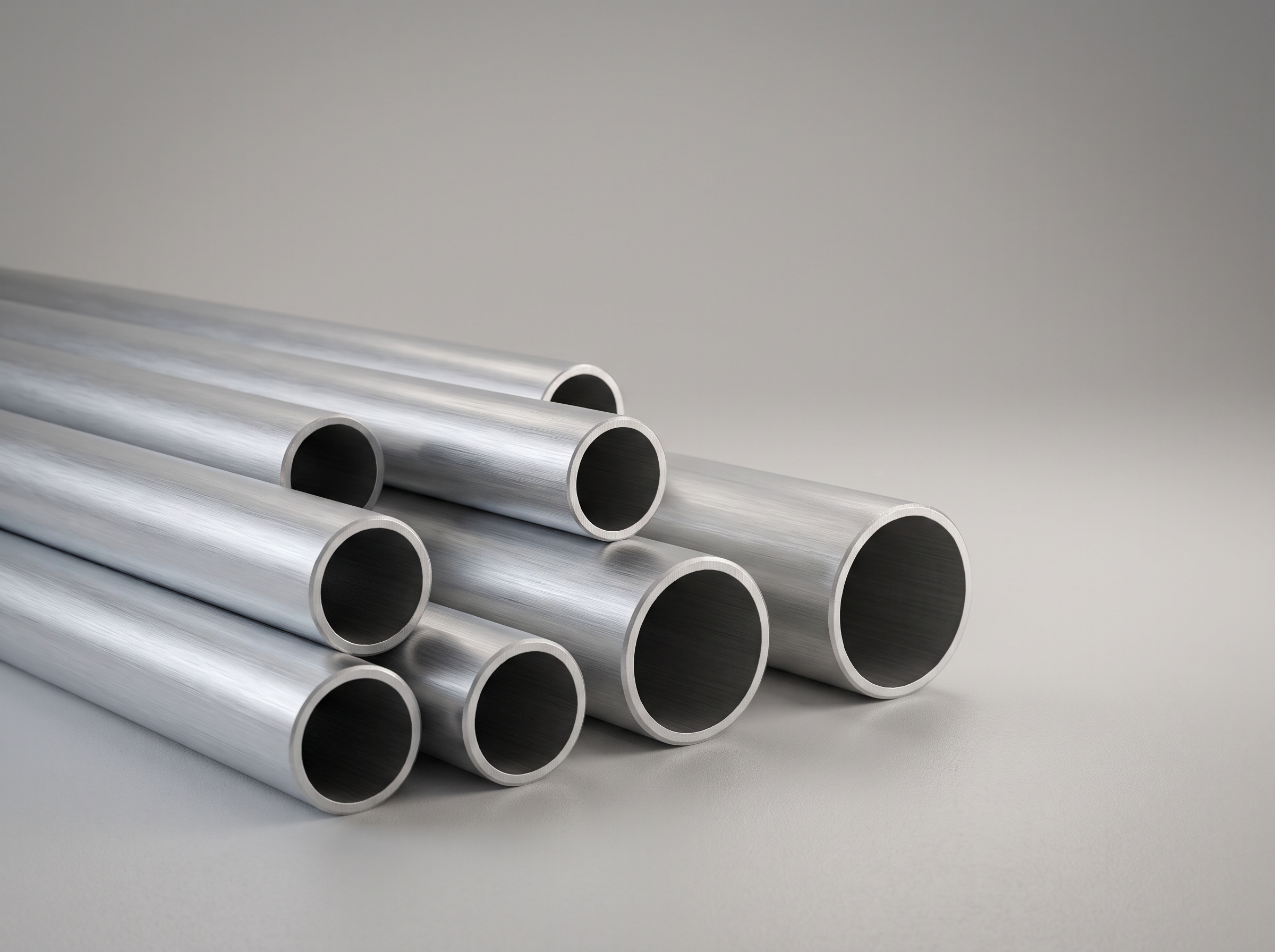
An aluminium tube is a hollow aluminium profile, generally manufactured with a circular or geometric cross-section. Due to the low density of aluminium, these products provide an advantageous balance between lightweight construction and mechanical performance.
Depending on the intended application, aluminium tubes can be designed with round, square, rectangular or custom cross-sections. Their hollow structure helps achieve efficient material usage while providing structural performance at a relatively low weight.
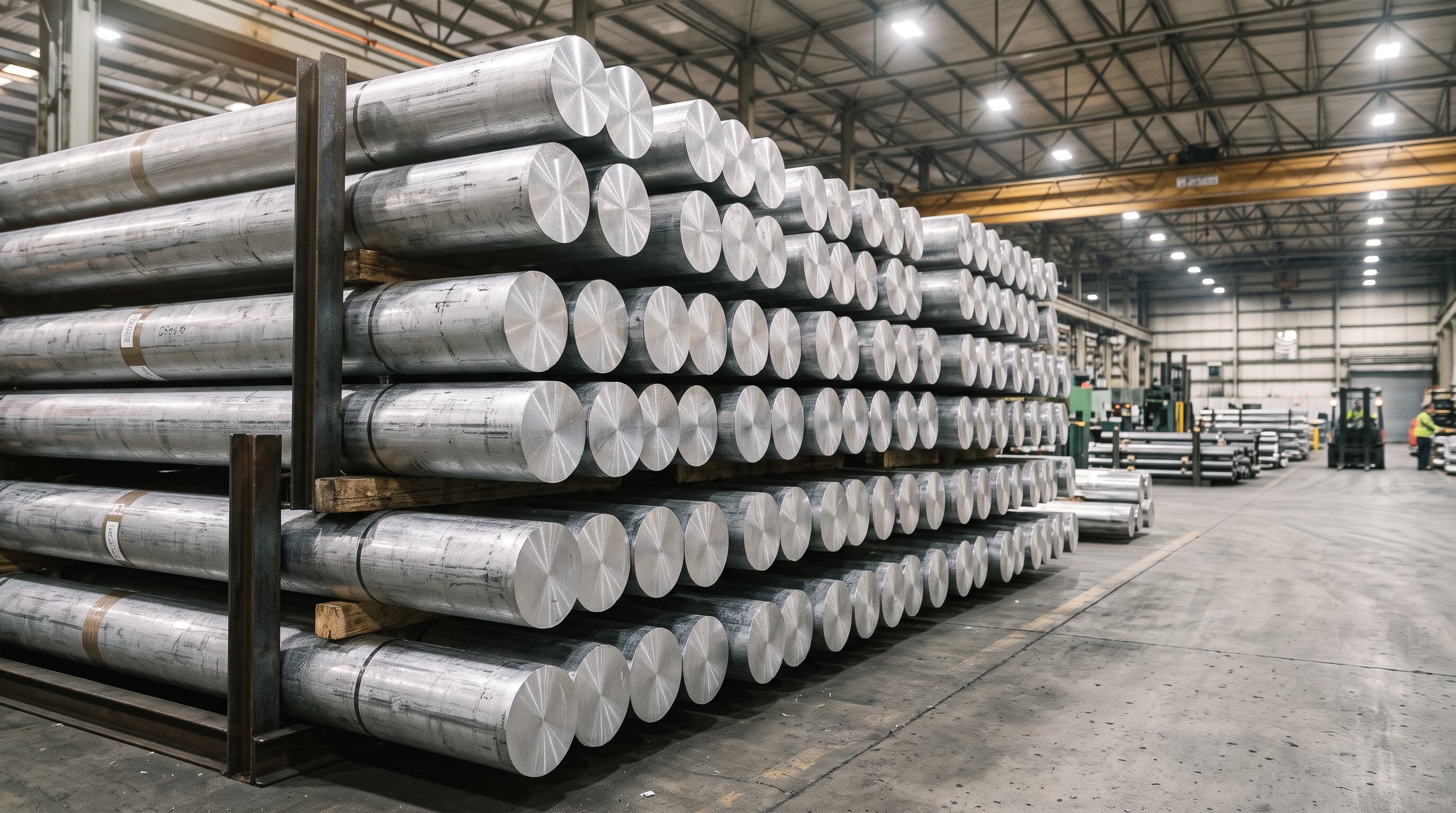
One of the most common manufacturing methods is aluminium extrusion. During this process, an aluminium billet heated to a suitable temperature is forced through a specially designed die using a hydraulic press. This process forms the required external and internal cross-sectional geometry.
Depending on the final application, additional operations such as cutting, heat treatment and surface finishing can be performed after extrusion.
What Are the Properties of Aluminium Tubes?
The versatility of aluminium tubes comes from their physical and mechanical properties, which make them suitable for a wide range of industrial applications.
1. Lightweight and Durable Structure
Aluminium has a density of approximately 2.70 g/cm³, making it about one-third the weight of steel. This makes aluminium tubes an excellent option for applications where reducing overall weight is a priority.
They are particularly useful in automotive, transportation, aerospace and machinery applications. However, the load-bearing capacity of an aluminium tube does not depend solely on the material. Alloy, temper, external dimensions, wall thickness and cross-sectional geometry must all be considered together.
2. Corrosion Resistance
When exposed to air, aluminium naturally forms a thin oxide layer on its surface. This protective layer helps the material resist various environmental conditions.
As a result, aluminium tubes can be used in humid environments, outdoor applications and different industrial settings when the appropriate alloy and surface characteristics are selected.
However, specific conditions such as seawater exposure, aggressive chemicals and contact with dissimilar metals should be evaluated separately.
3. Excellent Machinability
Aluminium tubes are suitable for various machining operations, including cutting, drilling, milling, turning and bending under appropriate conditions.
This makes it easier to adapt products to specific project dimensions and integrate them into different assembly systems. Depending on the alloy and welding method, aluminium tubes can also be welded.
4. High Recyclability
Aluminium can be recycled repeatedly while retaining most of its essential material properties. Producing recycled aluminium requires significantly less energy than primary aluminium production.
This makes aluminium tubes an attractive material choice for industries focused on sustainable manufacturing and efficient resource management.
5. Suitability for Surface Treatments
Depending on their application and aesthetic requirements, aluminium tubes can undergo various surface treatments.
These include:
-
Anodizing
-
Electrostatic powder coating
-
Glossy or matte finishes
-
Mechanical surface treatments
Appropriate surface treatments can improve the appearance of aluminium tubes while providing additional protection against environmental conditions.
6. Thermal and Electrical Conductivity
Aluminium offers good thermal and electrical conductivity. Therefore, aluminium tubes can be used in heat transfer, cooling systems and certain electrical applications.
However, alloy selection, wall thickness and operating conditions must also be considered for these applications.
What Are the Different Types of Aluminium Tubes?
Aluminium tubes can be classified according to their cross-sectional geometry, manufacturing method and intended application.
1. Round Aluminium Tubes
Round aluminium tubes have circular internal and external cross-sections. Their uniform geometry makes them suitable for applications requiring different types of structural connections and mechanical performance.
Common applications include:
-
Machinery and equipment manufacturing
-
Automotive and transportation
-
Furniture and decoration
-
Handrails and connection systems
-
Cooling and heat transfer applications
-
Industrial structures
Round tubes are generally specified according to their outer diameter and wall thickness.
2. Square Aluminium Tubes
Square aluminium tubes feature four equal sides and a hollow internal structure. Their symmetrical geometry makes them suitable for assembly and connection applications.
They are commonly used in frame structures, furniture manufacturing and lightweight constructions.
Common applications include:
-
Aluminium structural systems
-
Tables, chairs and shelving units
-
Machine frames
-
Exhibition and trade fair stands
-
Railings and fencing systems
-
Industrial support structures
3. Rectangular Aluminium Tubes
Rectangular aluminium tubes have hollow cross-sections with two different side dimensions. Their geometry can provide a higher second moment of area in specific directions, depending on the design.
This makes them suitable for structures where loads are concentrated along a particular axis.
Common applications include:
-
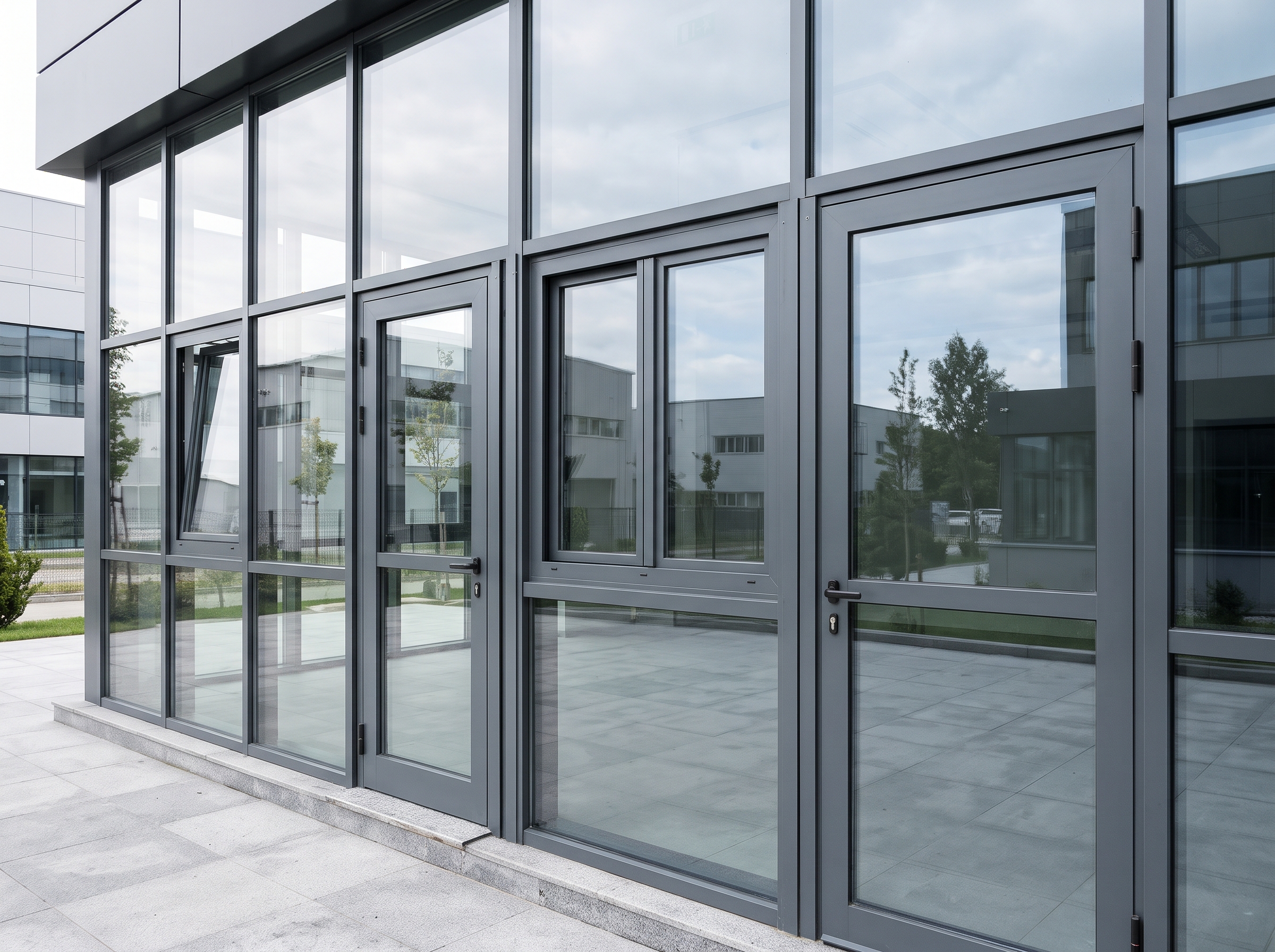
Door and window systems
-
Machine constructions
-
Structural frames
-
Vehicle and trailer manufacturing
-
Industrial shelving systems
-
Architectural applications
4. Custom Aluminium Hollow Profiles
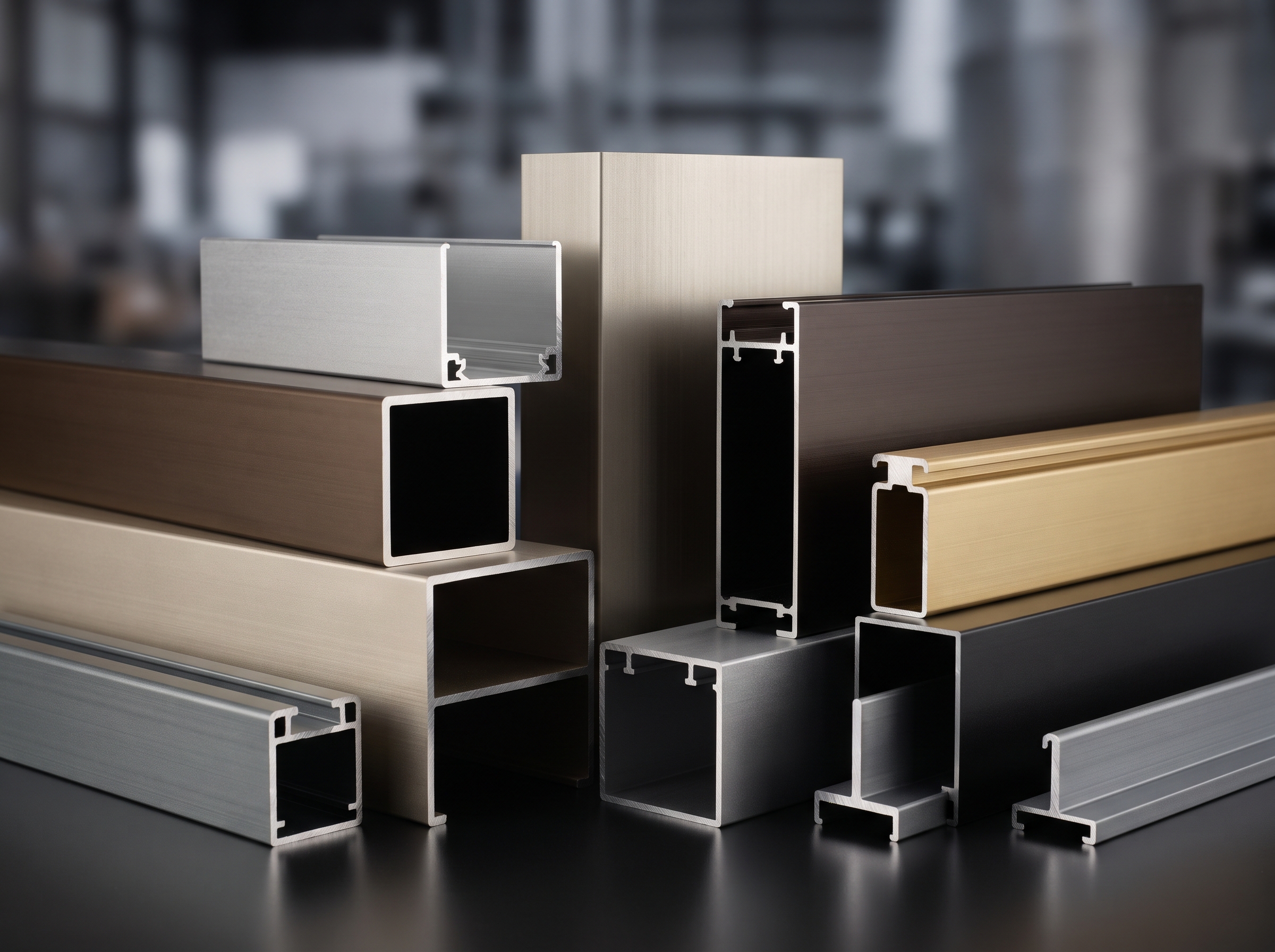
Not every project can be manufactured using standard round, square or rectangular tube geometries. In such cases, custom aluminium extrusion profiles can provide an effective solution.
Depending on the extrusion die design, profiles can be manufactured with different internal cavities, channels, connection points and geometric details.
Common applications include:
-
Automotive and railway systems
-
Industrial machinery and equipment
-
Architectural systems
-
Solar mounting structures
-
Special engineering projects
-
Assembly and connection systems
For custom profiles, manufacturability, cross-sectional geometry, wall thickness and alloy selection must be evaluated together.
Which Aluminium Alloys Are Used for Aluminium Tubes?
The mechanical properties, machinability and overall performance of aluminium tubes depend significantly on the alloy used during production.
The 6000 series aluminium alloys are widely used in extruded aluminium profiles. These alloys contain magnesium and silicon, offering good extrusion characteristics, corrosion resistance and different mechanical performance options.
EN AW-6060 Aluminium Alloy
6060 is known for its good extrusion properties and surface finish. Its suitability for complex cross-sectional geometries makes it particularly useful in architectural and decorative applications.
Key properties:
-
Good extrusion capability
-
Excellent surface quality
-
Corrosion resistance
-
Suitability for anodizing
-
Good machinability
EN AW-6061 Aluminium Alloy
6061 is one of the widely used alloys in the 6000 series. Its mechanical properties, machinability and corrosion resistance make it suitable for structural and engineering applications.
Key properties:
-
Good mechanical strength
-
Good machinability
-
Weldability
-
Corrosion resistance
-
Suitability for structural applications
EN AW-6063 Aluminium Alloy
6063 is widely used in the extrusion industry, particularly for architectural profiles and hollow sections. It is valued for its surface quality, extrusion capability and corrosion resistance.
Key properties:
-
Excellent extrusion capability
-
Good surface finish
-
Suitability for anodizing and coating
-
Corrosion resistance
-
Ability to produce complex cross-sections
EN AW-6082 Aluminium Alloy
6082 is one of the 6000 series alloys commonly selected for applications requiring higher mechanical strength.
Key properties:
-
Good mechanical strength
-
Corrosion resistance
-
Machinability
-
Suitability for structural applications
-
Use in machinery and engineering projects
Which aluminium alloy should you choose?
| Alloy | Main characteristic | Common applications |
|---|---|---|
| 6060 | Extrusion capability and surface quality | Architectural and decorative profiles |
| 6061 | Mechanical strength and machinability | Machinery and structural applications |
| 6063 | Surface quality and extrusion capability | Architectural and hollow profiles |
| 6082 | Higher mechanical strength | Engineering and load-bearing applications |
When selecting an aluminium alloy, mechanical strength should not be the only consideration. The operating environment, manufacturing method, surface requirements, welding needs and machining processes should also be evaluated.
How Are Aluminium Tubes Manufactured?
Aluminium extrusion is one of the main manufacturing methods used to produce aluminium tubes and hollow profiles.
The manufacturing process generally consists of the following stages:
1. Aluminium Billet Preparation
The process begins with selecting an aluminium billet with a chemical composition suitable for the required product specifications.
2. Heating
The aluminium billet is heated to a temperature suitable for the extrusion process. The required temperature depends on the alloy and production parameters.
3. Extrusion Process
The heated billet is pushed through a specially designed extrusion die using a hydraulic press. The die determines the external and internal cross-sectional geometry of the final product.
For hollow profiles, die design varies according to the required geometry and manufacturing method.
4. Cooling and Stretching
The extruded profile is cooled under controlled conditions. A stretching process may then be applied to improve straightness and dimensional stability.
5. Cutting and Heat Treatment
Profiles are cut to the required lengths. Depending on the desired mechanical properties, heat treatments for tempers such as T5 or T6 may be applied.
6. Quality Control and Surface Treatment
In the final stage, product dimensions, surface quality and relevant mechanical properties are inspected. Anodizing, powder coating or other surface treatments can be applied depending on project requirements.
These stages may vary according to the manufacturing method and technical specifications of the product.
What Are the Applications of Aluminium Tubes?
Aluminium tubes are used across many industries due to their lightweight structure, strength, corrosion resistance and design flexibility.
Construction and Architectural Systems
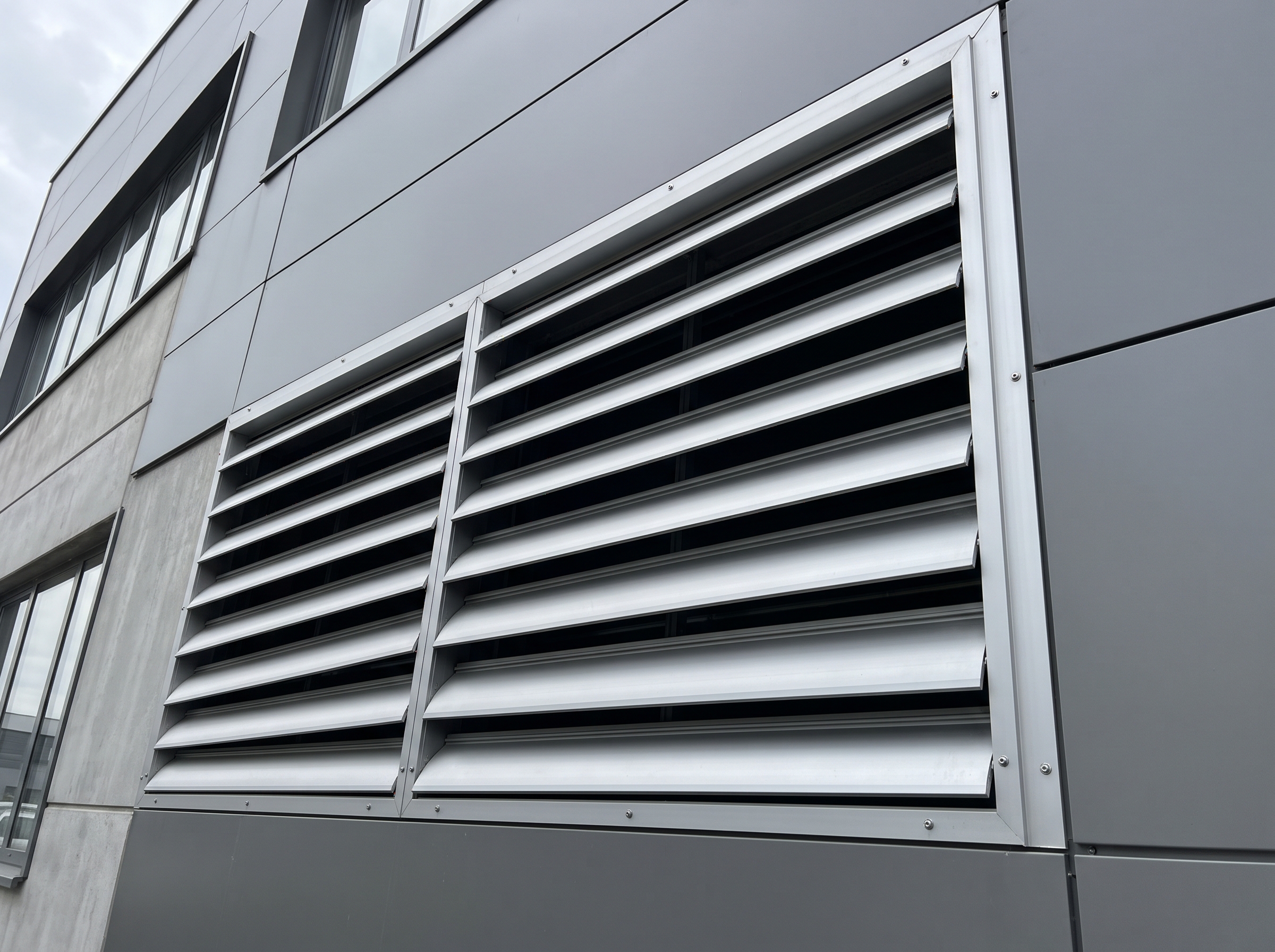
In the construction industry, aluminium tubes are used in railings, frame systems, façade applications, decorative elements and various architectural structures.
The growing demand for lightweight and aesthetically appealing materials in modern architecture has increased the use of aluminium profiles in this sector.
Automotive and Transportation
Reducing vehicle weight is an important factor in improving fuel efficiency and energy performance. Aluminium tubes can therefore be used in structural components, support elements, connection parts and various vehicle equipment.
Railway systems, trailers and commercial vehicle manufacturing are also important application areas.
Furniture and Decoration
Aluminium tubes are widely used in modern furniture manufacturing to create lightweight and durable structures.
Typical applications include table and chair frames, shelving systems, cabinet components, retail equipment and decorative frames.
Machinery and Industrial Equipment
In machinery manufacturing, aluminium tubes can be used for protective frames, support structures, connection components and custom machine constructions.
Their machinability and low weight provide significant advantages in these applications.
Solar Energy Systems
In the solar energy industry, aluminium profiles are used in solar panel mounting structures, support systems and various connection components.
Their corrosion resistance and lightweight properties are particularly important for outdoor applications. However, alloy selection, wall thickness, connection design, wind loads and snow loads must be considered for structural components.
Cooling and Heat Transfer Systems
The thermal conductivity of aluminium allows appropriately designed tubes and profiles to be used in heat transfer applications.
Cooling systems, heat exchangers and certain industrial equipment are examples of these applications. The properties of the fluid, pressure and operating temperature must be considered when selecting the appropriate material and manufacturing method.
What Are the Dimensions of Aluminium Tubes?
Aluminium tube dimensions are determined by the cross-sectional geometry and technical requirements of the intended application. Therefore, there is no single dimensional specification suitable for every project.
The following technical details are important when ordering aluminium tubes:
| Technical specification | Description |
|---|---|
| Cross-sectional shape | Round, square, rectangular or custom |
| Outer diameter | External diameter for round tubes |
| External dimensions | Width and height for square and rectangular tubes |
| Wall thickness | Thickness of the tube wall |
| Length | Required product length |
| Alloy | 6060, 6061, 6063, 6082, etc. |
| Temper | T5, T6 and other temper conditions |
| Tolerances | Dimensional, straightness and geometric tolerances |
| Surface treatment | Mill finish, anodized, painted, etc. |
For custom aluminium extrusion profiles, providing a technical drawing or cross-sectional illustration makes it easier to evaluate manufacturing feasibility.
Thanks to the flexibility of aluminium extrusion technology, different dimensions and cross-sectional geometries can be evaluated according to customer requirements. However, actual production feasibility depends on technical factors such as profile dimensions, wall thickness, die design and press capacity.
What Should You Consider When Choosing Aluminium Tubes?
Selecting the right aluminium tube directly affects product performance and service life. The following criteria should be evaluated before purchasing:
1. Intended application: Determine whether the tube will be used as a structural component, decorative element, fluid-carrying pipe or machine component.
2. Alloy selection: Choose an alloy that meets the required mechanical strength, corrosion resistance and machinability requirements.
3. Wall thickness: Determine the appropriate wall thickness based on expected loads and operating conditions.
4. Cross-sectional geometry: Select round, square, rectangular or custom geometries according to project requirements.
5. Temper condition: Consider temper conditions such as T5 and T6, which influence the mechanical properties of the product.
6. Surface quality: Select a suitable alloy and surface condition for anodizing, electrostatic powder coating or other finishing processes.
7. Manufacturing tolerances: Dimensional accuracy, straightness and other geometric tolerances should be clearly specified before ordering.
8. Supplier and production capacity: Check whether the manufacturer can meet the required alloy, cross-sectional geometry, dimensions and quality specifications.
What Is the Difference Between Aluminium Tubes and Steel Tubes?
Aluminium and steel tubes have different physical and mechanical properties. Therefore, material selection should be based on the intended application.
| Comparison criteria | Aluminium tube | Steel tube |
|---|---|---|
| Density | Low | Higher |
| Weight | Lightweight | Heavier |
| Corrosion resistance | Protected by a natural oxide layer | Depends on steel grade and protective coating |
| Mechanical strength | Depends on alloy and temper | Generally higher depending on steel grade |
| Machinability | Generally good | Varies by steel grade |
| Surface treatments | Anodizing and powder coating | Painting, galvanizing and other coatings |
| Recyclability | Highly recyclable | Highly recyclable |
Aluminium tubes offer advantages in applications where low weight and corrosion resistance are important. Steel tubes may be more suitable for applications requiring higher mechanical strength or specific pressure performance.
The key is to evaluate not only strength per kilogram but also the actual operating conditions and overall project costs.
Frequently Asked Questions About Aluminium Tubes (FAQ)
Do aluminium tubes rust?
Aluminium does not rust in the same way as iron or steel. It naturally forms an oxide layer on its surface, which provides protection against corrosion. However, aluminium can still experience corrosion under unsuitable environmental conditions.
Can aluminium tubes be welded?
Yes. Aluminium tubes can be welded using an appropriate alloy and welding method. The alloy type, temper condition, wall thickness and possible changes in mechanical properties after welding should be taken into account.
Can aluminium tubes be bent?
Aluminium tubes can be bent when the appropriate alloy, temper, diameter and wall thickness are selected. The bending radius and process parameters must be properly determined to prevent cracking and deformation.
Which alloys are used to manufacture aluminium tubes?
Aluminium tubes can be manufactured from different alloys depending on their intended application. In extrusion applications, 6000 series alloys such as 6060, 6061, 6063 and 6082 are commonly used.
Are aluminium tube dimensions standardized?
Standard dimensions are available for aluminium tubes, but manufacturing is not limited to these dimensions. Different external dimensions, wall thicknesses and custom cross-sectional geometries can also be evaluated according to project requirements.
What is the difference between an aluminium tube and an aluminium profile?
An aluminium profile is a general term covering products manufactured in different cross-sectional geometries. An aluminium tube is a type of aluminium profile with a hollow cross-section. Round, square, rectangular and custom-shaped hollow profiles are included in this product category.
What lengths are available for aluminium tubes?
Manufacturing lengths depend on profile geometry, extrusion capacity, order quantity and customer requirements. Custom cutting lengths can also be evaluated as part of a project.
Biser Aluminium – Extrusion Solutions for Your Projects
When selecting aluminium tubes and hollow profiles, choosing the right alloy, cross-sectional geometry and manufacturing method is essential for achieving the required product performance.
With its activities in aluminium billet production and extrusion, Biser Aluminium provides solutions for the aluminium profile requirements of different industries. At our production facility in Malatya, we manufacture aluminium profiles for various applications, ranging from architectural systems to industrial solutions.
If you require aluminium tubes or hollow profiles for your project, you can share your technical drawings, cross-sectional dimensions, alloy requirements and estimated order quantity with us. Our team can evaluate your technical specifications and provide information about manufacturing feasibility and potential supply options.
Biser Aluminium – Reliable solutions in aluminium extrusion.