What Is an Aluminum T-Slot (Sigma) Profile? What Is It Used For and Where Is It Used?
In industrial manufacturing, load-bearing structures are expected to offer more than just strength. They must also be easy to assemble, simple to modify when production requirements change, and capable of maintaining their performance for many years. For this reason, modular aluminum profile systems have increasingly become a preferred alternative to traditional steel constructions. Among these systems, T-slot aluminum profiles, commonly known as Sigma profiles, are one of the most widely used solutions.
But what exactly is a Sigma profile, and why is it preferred by machine manufacturers, automation companies, and many other industrial sectors?
In this guide, we will explain everything you need to know about Sigma profiles—from their manufacturing process and technical properties to their applications and selection criteria—from the perspective of an aluminum extrusion manufacturer.
What Is a Sigma Profile?
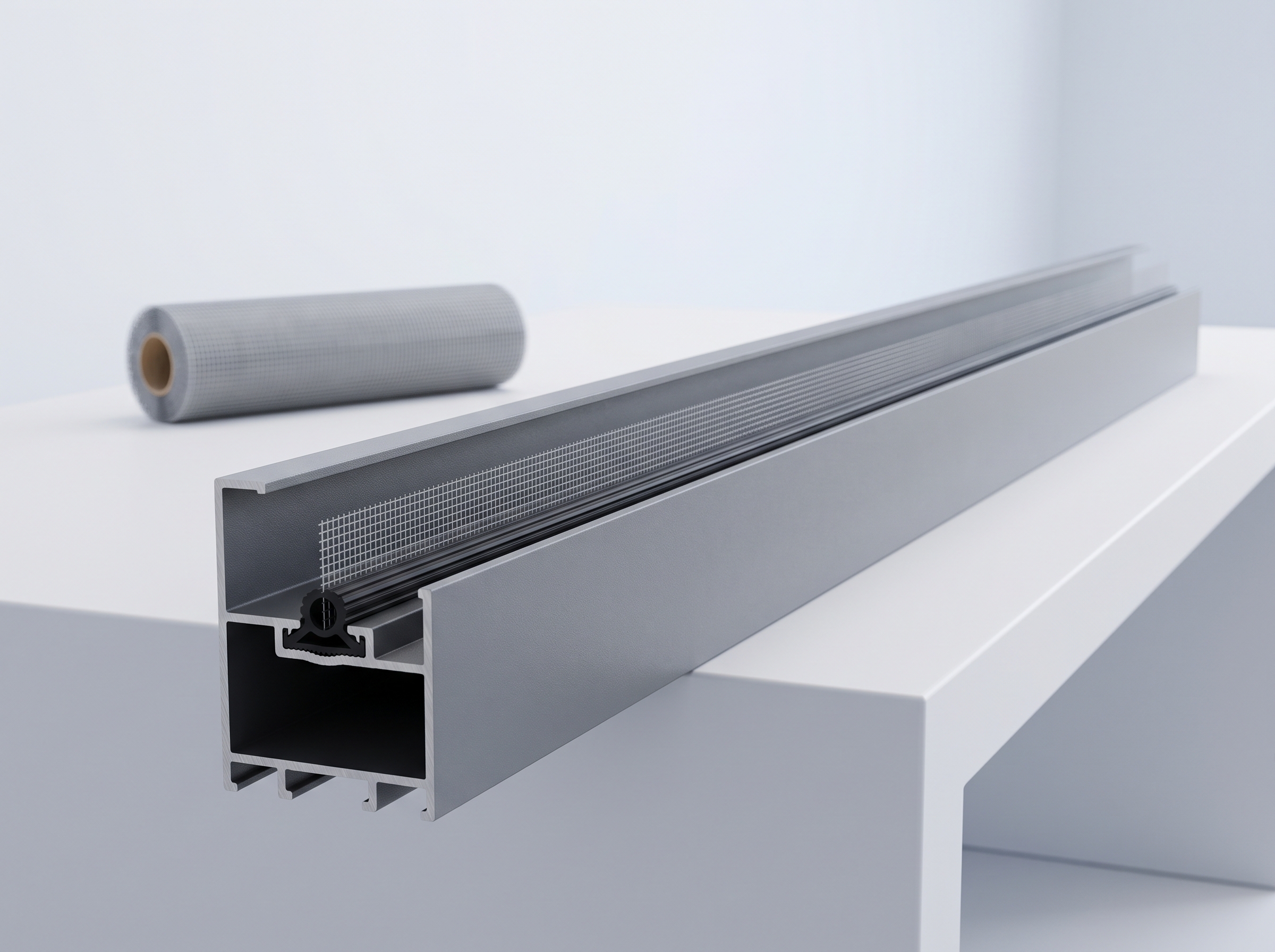
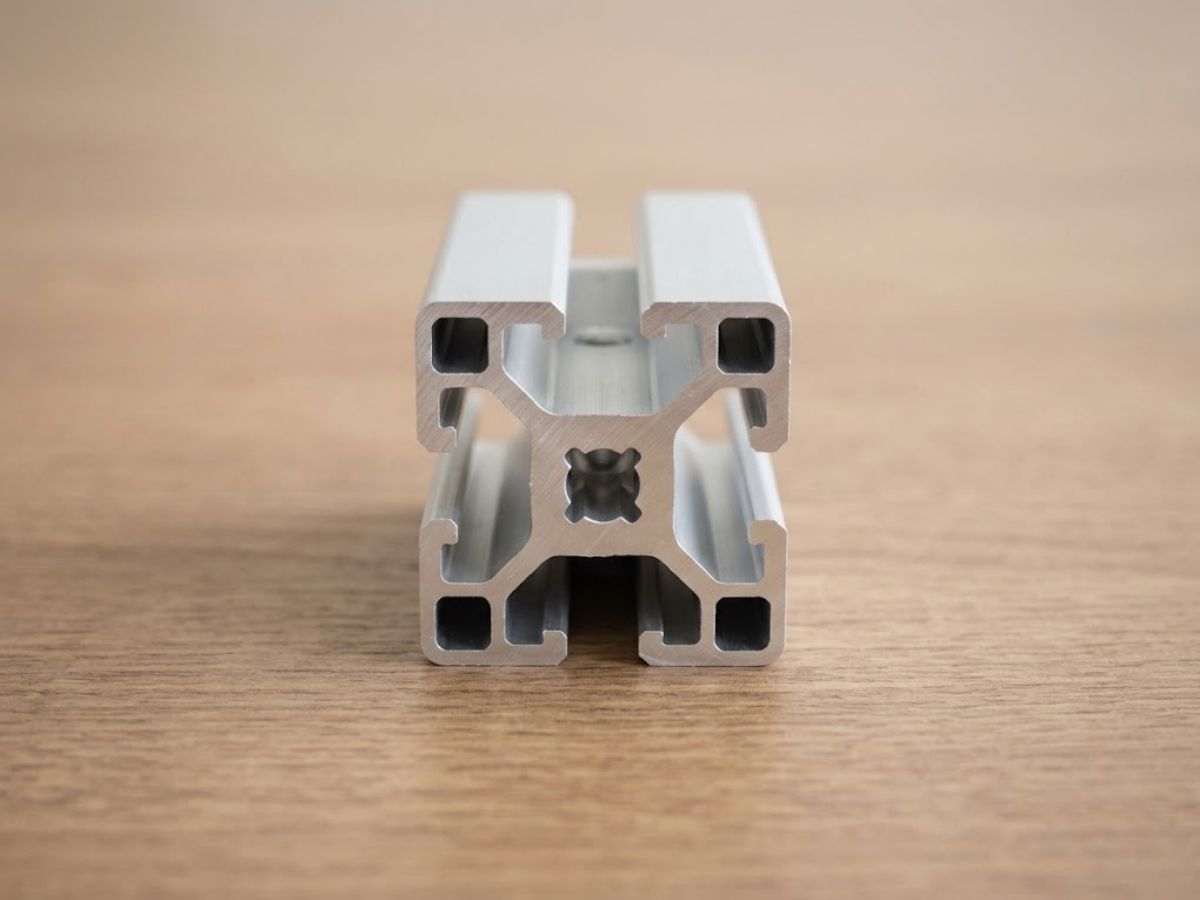
A Sigma profile is a modular aluminum extrusion profile featuring T-shaped slots along its surface. It takes its name from the cross-sectional shape, which resembles the Greek letter Sigma (Σ). However, its greatest advantage is not its shape, but the exceptional flexibility it provides during assembly.
Unlike conventional steel structures, which generally require welding, Sigma profiles are assembled using bolts, T-slot nuts, and dedicated fastening accessories. This enables the construction of strong and rigid structures without welding. When production requirements change, the system can be easily dismantled, modified, expanded, or reassembled without damaging the existing framework.
Thanks to this modular design, Sigma profiles are widely used not only in machine frames but also in conveyor systems, production lines, workstations, automation equipment, and safety enclosures.
The most commonly used aluminum alloys for Sigma profiles are EN AW-6060 and EN AW-6063. For applications requiring higher mechanical strength, EN AW-6082 is often preferred. Selecting the appropriate alloy depends not only on strength requirements but also on machinability, surface finish, and the intended operating environment.
How Are Sigma Profiles Manufactured?
The performance of a Sigma profile depends on much more than its cross-sectional design. Billet quality, extrusion die precision, press parameters, and heat treatment all have a direct impact on the final mechanical properties. Therefore, producing a high-quality Sigma profile requires a carefully controlled manufacturing process.
The process begins by heating aluminum billets of the selected alloy to the appropriate extrusion temperature. The heated billets are then pushed through specially designed extrusion dies using high-capacity hydraulic presses, producing the desired Sigma profile shape.
Throughout the extrusion process, critical parameters such as temperature, extrusion speed, and metal flow must be precisely controlled. Poor process control can lead to dimensional deviations, surface imperfections, or reduced mechanical performance.
After extrusion, the profiles are cooled under controlled conditions and straightened to maintain dimensional accuracy. They are then cut to the required lengths. Depending on application requirements, artificial aging treatments such as T5 or T6 tempering may be applied to improve mechanical strength.
Finally, different surface finishes can be applied according to the intended application. While a mill finish may be sufficient for indoor use, anodizing or powder coating is generally preferred for outdoor or decorative applications. Besides enhancing appearance, these treatments significantly improve corrosion resistance and long-term durability.
Throughout the manufacturing process, dimensional tolerances are continuously inspected to ensure compatibility with standard fastening components. This level of precision is especially important in machine manufacturing and automation systems where even millimeter-level deviations can affect assembly quality.
Technical Characteristics of Sigma Profiles
Sigma profiles combine the inherent advantages of aluminum with the flexibility of modular engineering. Despite their lightweight structure, they offer excellent load-bearing capacity, making them suitable for a wide range of industrial applications.
In addition to their strength, Sigma profiles provide outstanding corrosion resistance, require minimal maintenance, and deliver a long service life.
| Feature | Benefit |
|---|---|
| Lightweight | Easy transportation and installation |
| High Strength | Reliable performance in industrial structures |
| Modular Design | Fast assembly and easy modifications without welding |
| Corrosion Resistance | Long service life even in humid or demanding environments |
| Excellent Machinability | Easy cutting, drilling, and assembly |
| Fully Recyclable | Supports sustainable manufacturing practices |
One of the greatest advantages of Sigma profiles is their compatibility with a wide variety of connection accessories. A single profile system can be adapted to numerous projects, expanded when necessary, or reconfigured without replacing the entire structure.
Additionally, aluminum naturally forms a protective oxide layer, providing excellent corrosion resistance without requiring additional protective coatings in many applications. For harsher environments, anodizing or powder coating can further enhance durability.
Where Are Sigma Profiles Used?
One of the greatest advantages of Sigma profiles is their versatility. Thanks to their modular design, they are suitable for a wide range of industries and applications, from compact equipment to large-scale industrial systems. Their ability to be cut to custom lengths, combined with a broad selection of fastening components, allows engineers to design flexible structures that can be modified or expanded whenever production requirements change.
Machine Frames and Industrial Equipment
Machine frames represent the most common application for Sigma profiles. They are extensively used in the construction of CNC machines, packaging equipment, filling systems, testing devices, and custom-built industrial machinery.
Unlike welded steel structures, where even a minor modification may require cutting, welding, grinding, and repainting, Sigma profile systems allow individual components to be removed, repositioned, or replaced with minimal effort. This significantly reduces maintenance costs and production downtime.
For machines that are frequently customized according to customer specifications, modular aluminum profile systems provide considerable time and cost savings.
Automation and Robotics Systems
As Industry 4.0 technologies continue to evolve, the demand for Sigma profiles has grown significantly. Robot cells, sensor supports, vision systems, PLC cabinets, and automation enclosures are commonly constructed using modular aluminum profiles.
Their lightweight structure simplifies installation while making future upgrades easier to implement. In addition, the integrated T-slots enable organized cable routing and allow new accessories or equipment to be added without redesigning the entire system.
Conveyor Systems and Production Lines
Modern conveyor systems are largely based on modular design principles. Sigma profiles are widely used as structural frames for belt conveyors, roller conveyors, and chain conveyor systems.
When production lines need to be expanded or new stations added, the existing framework can simply be extended rather than completely rebuilt. This flexibility is particularly valuable for manufacturers implementing lean manufacturing principles and continuously improving production efficiency.
Workstations and Ergonomic Solutions
Manufacturing efficiency depends not only on machines but also on operator ergonomics. Sigma profiles are commonly used to build assembly tables, quality inspection stations, technical service benches, and custom workstations.
Additional components such as adjustable shelves, lighting systems, monitor arms, and tool holders can easily be mounted onto the profile slots. If production requirements change, the entire workstation can be reconfigured without replacing the structure.
Safety Enclosures and Protective Barriers
Workplace safety is another important application area for Sigma profiles. Machine guarding systems, robot safety fences, protective cages, and industrial barriers are frequently built using modular aluminum profiles.
Polycarbonate panels, wire mesh, and other protective materials can be securely mounted within the T-slot system, resulting in durable, professional-looking safety structures that comply with industrial safety requirements.
Storage and Material Handling Solutions
Sigma profiles are also widely used in storage and logistics applications. Shelving systems, material carts, equipment trolleys, and customized logistics solutions benefit from their modular construction.
As warehouse layouts or production requirements evolve, these systems can be reconfigured and reused, providing significant long-term cost savings.
Advantages of Sigma Profiles
The popularity of Sigma profiles extends far beyond their lightweight construction. Their combination of modularity, durability, and low maintenance requirements has made them one of the most preferred structural solutions in modern manufacturing.
The most notable advantage is their modular assembly system. Since welding is unnecessary, installation is faster and future modifications can be completed with minimal effort. Existing structures can also be expanded or repurposed for new projects, reducing both material waste and overall investment costs.
Another major benefit is aluminum's low density. Compared with steel, Sigma profiles are considerably lighter, making transportation, handling, and installation easier while reducing the total weight of moving equipment.
Excellent corrosion resistance is another key advantage. Aluminum naturally develops a protective oxide layer that shields the material from corrosion. For outdoor environments or highly humid production facilities, anodizing or powder coating can provide even greater durability.
Sigma profiles also offer a clean, modern appearance. Their smooth surfaces make them suitable not only for industrial production areas but also for laboratories, technology centers, clean rooms, and showrooms.
Finally, aluminum is one of the world's most recyclable engineering materials. It can be recycled repeatedly with minimal loss of its original properties, making Sigma profiles an environmentally responsible choice that supports sustainable manufacturing.
What Should You Consider When Choosing a Sigma Profile?
Not every Sigma profile is suitable for every application. Selecting the wrong profile section, alloy, or fastening system may lead to bending, vibration, or structural instability over time. Therefore, profile selection should always be based on the project's complete engineering requirements rather than dimensions alone.
The first factor to evaluate is the expected load. Both static and dynamic loads should be calculated carefully, while span lengths must also be considered. Choosing an undersized profile for long spans may result in excessive deflection or permanent deformation.
The aluminum alloy is another critical consideration. While EN AW-6060 and EN AW-6063 are commonly used for general industrial applications, EN AW-6082 is often selected when higher mechanical strength is required. The chosen alloy affects not only strength but also machinability and surface quality.
The operating environment should also influence material selection. Mill-finish profiles are generally adequate for indoor installations, whereas outdoor applications benefit from anodized or powder-coated surfaces that provide enhanced corrosion resistance. In chemically aggressive environments, additional protective measures may be required.
The quality of fastening components is equally important. T-slot nuts, bolts, and connectors must match the dimensional tolerances of the profile to ensure secure and rigid assembly. Poor-quality accessories may loosen over time and compromise structural integrity.
Finally, evaluate the manufacturer's quality control procedures. Dimensional accuracy, straightness, and surface quality are especially important in precision automation systems and machine manufacturing. Selecting a technically capable manufacturer rather than focusing solely on price often results in greater long-term reliability.
Why Are EN and ISO Standards Important?
Because Sigma profiles are used across a wide range of industries, their manufacturing processes are expected to comply with internationally recognized quality standards. These standards provide a consistent framework that helps ensure product quality, dimensional accuracy, and manufacturing reliability.
For example, EN 755 specifies the general requirements for extruded aluminum profiles, including dimensional tolerances, mechanical properties, and technical specifications. Manufacturing in accordance with this standard helps maintain consistency in dimensions and quality across different production batches.
In addition, internationally recognized management system standards such as ISO 9001 (Quality Management), ISO 14001 (Environmental Management), and ISO 45001 (Occupational Health and Safety) demonstrate that manufacturing processes are managed systematically and continuously improved.
Although these certifications alone do not guarantee product quality, they indicate that the manufacturer operates under internationally accepted management practices and follows structured production processes.
For export-oriented manufacturers, compliance with international standards not only improves customer confidence but also increases eligibility for global industrial and construction projects.
Why Is Choosing the Right Manufacturer Important?
Although Sigma profiles may appear to be standardized products, their actual performance depends heavily on manufacturing quality. Two profiles with identical dimensions may exhibit different mechanical performance due to variations in billet quality, extrusion die design, process control, and quality assurance procedures.
A manufacturer's expertise in aluminum extrusion, tooling design, and production process management directly influences dimensional accuracy, surface finish, and mechanical properties. In high-volume manufacturing environments, even minor dimensional inconsistencies can increase assembly time and reduce production efficiency.
Sharing technical drawings and application requirements with the manufacturer at the beginning of the project helps determine the most suitable profile cross-section and aluminum alloy. This approach prevents unnecessary material costs caused by oversized profiles while reducing the risk of structural problems resulting from undersized sections.
At Biser Aluminum, our objective extends beyond manufacturing aluminum profiles. We work closely with our customers to analyze their technical requirements and recommend the most appropriate extrusion solutions. By managing every stage of production—from billet manufacturing and extrusion to surface finishing and quality control—under one roof, we ensure consistent product quality, reliable supply, and dependable long-term performance.
Sigma Profile Purchasing Checklist
Before selecting a Sigma profile for your next project, consider the following points:
- Have the required load capacity and span calculations been completed?
- Has the appropriate aluminum alloy been selected for the application?
- Is the chosen profile cross-section strong enough to provide the required rigidity?
- Has the correct surface finish been selected according to the operating environment?
- Are the fastening components fully compatible with the profile's T-slots?
- Will the system need to be expanded or modified in the future?
Reviewing these factors before purchasing helps ensure the correct profile selection while minimizing long-term maintenance and operating costs.
Conclusion
Sigma profiles have become one of the most widely used structural solutions in modern industry thanks to their modular design, excellent corrosion resistance, lightweight construction, and outstanding versatility. Their broad range of applications—from machine frames and automation systems to workstations and safety enclosures—makes them an ideal solution for manufacturers across numerous industries.
However, achieving long-term performance requires more than simply selecting the correct profile size. The aluminum alloy, manufacturing quality, fastening system, surface treatment, and operating conditions must all be evaluated together. Choosing a high-quality aluminum profile that meets the technical requirements of the application improves structural reliability, reduces maintenance requirements, and extends the service life of the entire system.
Get Technical Support for Your Project
If you would like to learn more about Sigma profiles or custom aluminum extrusion solutions, evaluate the most suitable profile cross-section and alloy for your project, or receive technical guidance on aluminum extrusion manufacturing, Biser Aluminum is ready to assist.
Our engineering team provides professional technical support in profile design, aluminum extrusion, surface finishing, and application-specific solutions, helping you select the most suitable product for your project while ensuring long-term performance and manufacturing efficiency.