What Is an Aluminum Ingot? Its Role in the Production Chain and a B2B Buyer's Guide
For manufacturers, foundries, extrusion companies, and industrial buyers, understanding the answer to the question what is an aluminum ingot is essential for making informed sourcing decisions. An aluminum ingot is far more than a simple metal block; it is a critical intermediate product that connects primary aluminum production, recycling operations, casting processes, and downstream manufacturing.
In today's competitive aluminum market, selecting the right raw material directly affects production efficiency, product quality, and overall operating costs. This guide explains what aluminum ingots are, how they are produced, where they fit within the aluminum value chain, and what B2B buyers should consider before purchasing.
What Is an Aluminum Ingot?
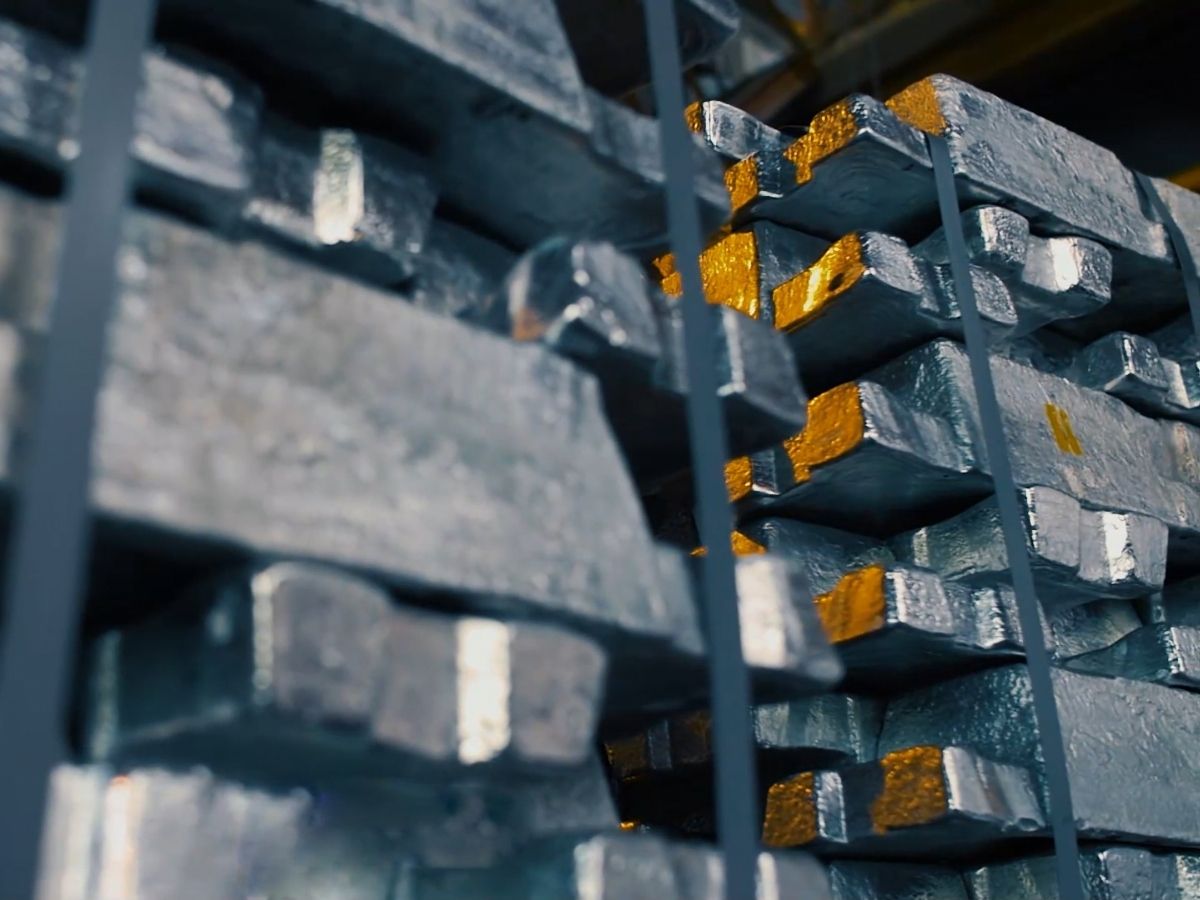
An aluminum ingot is a solidified form of aluminum produced by pouring molten metal into molds and allowing it to cool under controlled conditions. The ingot serves as a transportable and processable raw material that can later be remelted and transformed into various aluminum products.
Aluminum ingots are widely used in:
-
Foundries
-
Secondary aluminum production
-
Alloy manufacturing
-
Rolling mills
-
Extrusion billet production
-
Industrial casting applications
Because of their versatility, aluminum ingots play a vital role in both primary and recycled aluminum supply chains.
How Aluminum Ingots Are Produced
The production of aluminum ingots involves several metallurgical processes designed to ensure consistent quality and chemical composition.
1. Raw Material Selection
The process begins with either:
-
Primary aluminum produced from bauxite and alumina
-
Secondary aluminum obtained from recycled scrap
The choice of raw material significantly influences purity levels, alloy composition, and overall cost.
2. Melting
Aluminum melts at approximately 660°C (1220°F). During melting, producers carefully control:
-
Furnace efficiency
-
Oxidation levels
-
Energy consumption
-
Temperature stability
3. Alloying
Depending on the intended application, alloying elements may be added.
|
Element |
Main Effect |
|---|---|
|
Silicon (Si) |
Improved castability and fluidity |
|
Magnesium (Mg) |
Higher strength |
|
Iron (Fe) |
Enhanced hardness and machinability |
|
Copper (Cu) |
Increased mechanical strength |
4. Metal Treatment
Before casting, the molten aluminum undergoes refining operations such as:
-
Degassing
-
Dross removal
-
Filtration
These processes help reduce impurities and improve final product quality.
5. Casting and Solidification
The treated molten metal is poured into molds and cooled under controlled conditions to produce aluminum ingots with the required dimensions and properties.
Types of Aluminum Ingots
Aluminum ingots can be categorized according to their composition and intended use.
Primary Aluminum Ingots
Primary ingots are produced directly from electrolytic aluminum and offer:
-
High purity levels
-
Low contamination
-
Consistent chemical composition
They are commonly used in aerospace, electrical, and high-performance industrial applications.
Secondary Aluminum Ingots
Secondary ingots are manufactured from recycled aluminum scrap.
Key advantages include:
-
Lower environmental impact
-
Cost efficiency
-
Reduced energy consumption
They are widely used in automotive, construction, and general engineering industries.
Alloyed Aluminum Ingots
These ingots contain specific alloying elements to achieve desired mechanical and physical properties for downstream manufacturing.
The Role of Aluminum Ingots in the Production Chain
Aluminum ingots occupy a central position in the aluminum manufacturing ecosystem.
A simplified production chain typically follows this sequence:
-
Bauxite mining
-
Alumina refining
-
Primary aluminum smelting
-
Ingot casting
-
Billet or slab production
-
Extrusion or rolling
-
Finished products
As a result, aluminum ingots function both as an end product for suppliers and as a raw material for manufacturers.
Key Quality Parameters for B2B Buyers
Purchasing aluminum ingots should involve more than price comparison. Several technical factors directly influence manufacturing performance and product consistency.
Chemical Composition
The alloy chemistry should comply with relevant standards and customer specifications.
Consistency between production batches is especially important for long-term supply agreements.
Gas Content
Excess hydrogen can cause porosity and casting defects.
Low hydrogen levels are therefore a critical quality indicator.
Inclusion Control
Oxides, dross particles, and other non-metallic inclusions can negatively affect:
-
Surface quality
-
Mechanical performance
-
Machining operations
Homogeneity
Uniform distribution of alloying elements contributes to stable manufacturing performance and predictable mechanical properties.
Certification and Standards
Industrial buyers often request compliance with recognized standards such as:
-
EN 1676
-
ISO 9001 Quality Management Systems
-
Customer-specific technical requirements
Aluminum Ingot vs. Aluminum Billet
One of the most common questions in the aluminum industry concerns the difference between ingots and billets.
|
Feature |
Aluminum Ingot |
Aluminum Billet |
|
Shape |
Cast block |
Cylindrical |
|
Purpose |
Remelting |
Direct extrusion |
|
Processing Level |
Lower |
Higher |
|
Main Use |
Raw material |
Extrusion feedstock |
While ingots are generally remelted before further processing, billets are specifically designed for extrusion operations and can be used directly in extrusion presses.
Major Applications of Aluminum Ingots
Aluminum ingots support a wide range of industrial sectors, including:
-
Automotive manufacturing
-
Construction materials
-
Industrial machinery
-
Electrical components
-
Consumer goods
-
Architectural systems
-
Extrusion and rolling operations
Growing demand for lightweight, recyclable materials continues to increase global consumption of aluminum ingots.
What to Evaluate Before Purchasing Aluminum Ingots
Industrial buyers should perform a structured supplier evaluation before placing orders.
Aluminum Ingot Procurement Checklist
-
Verify chemical analysis reports
-
Review quality certifications
-
Confirm alloy consistency
-
Assess production capacity
-
Evaluate logistics capabilities
-
Check traceability procedures
-
Request sample test reports
-
Review long-term supply reliability
A thorough assessment helps reduce production risks and improve supply chain stability.
Impact of Ingot Quality on Casting and Extrusion Operations
The quality of aluminum ingots directly affects downstream manufacturing performance.
Low-quality ingots may result in:
-
Higher scrap rates
-
Surface defects
-
Increased die wear
-
Lower productivity
High-quality ingots typically provide:
-
Improved process stability
-
Better mechanical properties
-
Enhanced product consistency
-
Reduced operational costs
For this reason, leading manufacturers place significant emphasis on ingot quality and supplier reliability.
The Manufacturer's Perspective
From a producer's standpoint, aluminum ingots represent the foundation of the entire manufacturing process. Consistent alloy chemistry, controlled melting practices, and effective quality management contribute directly to the performance of billets, profiles, castings, and finished products.
For companies operating in extrusion, casting, powder coating, and architectural systems, selecting the right ingot source is a strategic decision rather than a simple purchasing activity.
Conclusion
Aluminum ingots are a fundamental component of the global aluminum industry. They serve as a bridge between raw aluminum production and downstream manufacturing processes, making them indispensable for foundries, recyclers, extrusion plants, and industrial manufacturers.
For B2B buyers, evaluating quality, certification, alloy consistency, and supplier reliability is essential for achieving long-term production efficiency and cost control.