What Is an Aluminium Profile? Production, Alloys, Applications and Selection Criteria
An aluminium profile is a long aluminium product with a specific cross-sectional geometry, primarily manufactured using the hot extrusion process. Thanks to its low density, excellent corrosion resistance, ease of machining, and 100% recyclability, aluminium profiles are widely used in applications ranging from doors, windows, and curtain wall systems to automotive components and solar mounting structures.
In this guide, you will learn how aluminium profiles are manufactured, which alloys are suitable for different applications, the available heat treatment and surface finishing options, their most common areas of use, and the key factors to consider when selecting the right aluminium profile.
How Are Aluminium Profiles Manufactured?
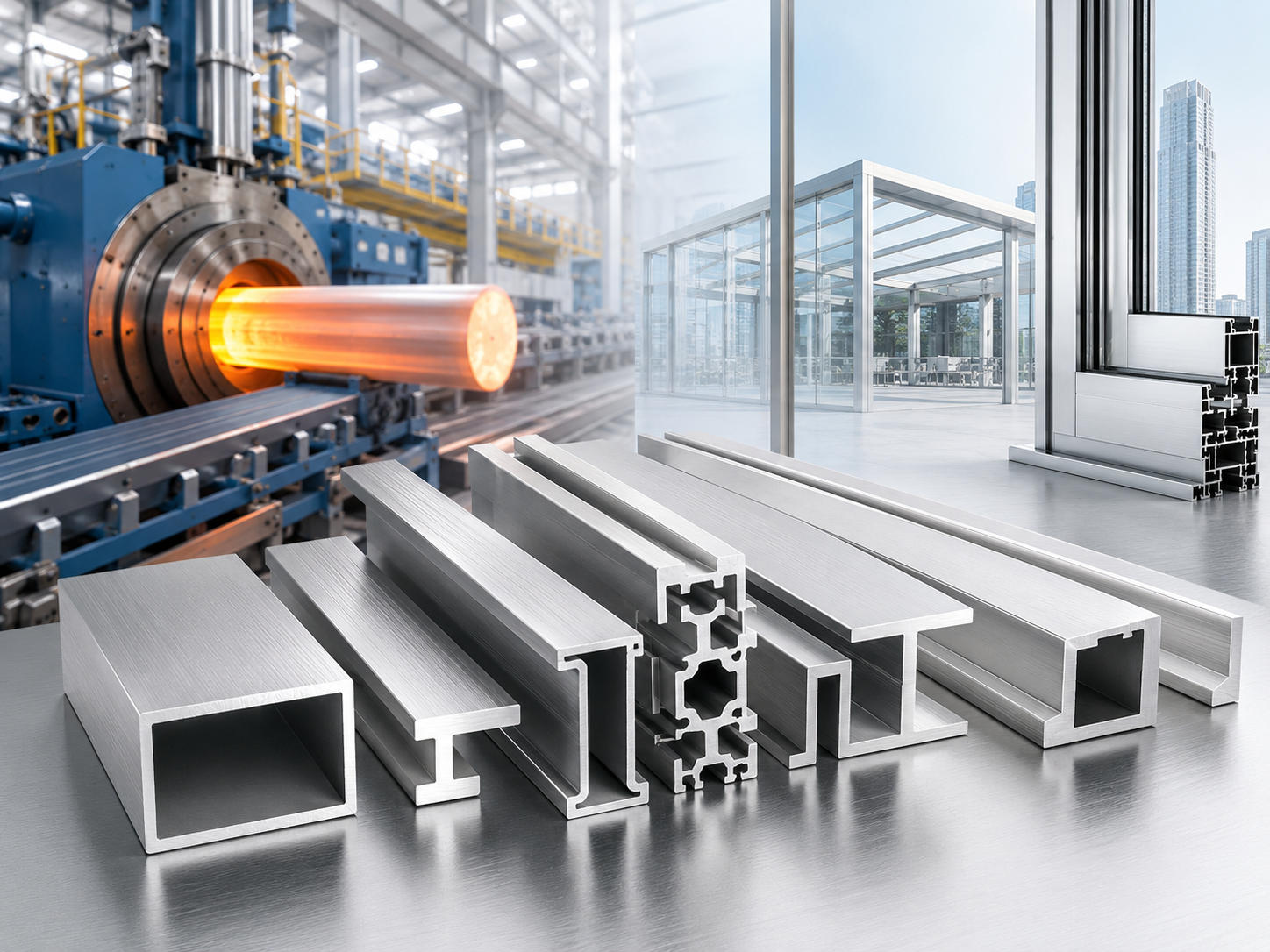
Aluminium profiles are produced through the hot extrusion process, in which an aluminium billet (a cylindrical raw material homogenized after casting) is heated and forced through a die under high pressure to create the desired cross-sectional shape.
The manufacturing process generally consists of the following steps:
- Billet Preparation: Aluminium produced from bauxite is cast together with alloying elements and then heat-treated in a homogenization furnace to achieve a uniform microstructure.
- Preheating: The billet is heated to temperatures that vary depending on the alloy, typically between 450°C and 550°C.
- Extrusion: The heated billet is pushed through a die using a hydraulic ram, forming the required profile geometry.
- Cooling and Stretching: The extruded profile is cooled under controlled conditions and stretched to improve dimensional stability and straightness.
- Heat Treatment: Depending on the alloy, T5 or T6 temper is applied to achieve the required mechanical properties.
- Surface Finishing: According to customer requirements, the profile is finished with either anodizing or powder coating.
Aluminium profiles can be manufactured as solid, semi-hollow, or hollow sections. They may be produced in standard dimensions or with custom extrusion dies designed specifically for individual projects.
Standard vs. Custom Aluminium Profiles
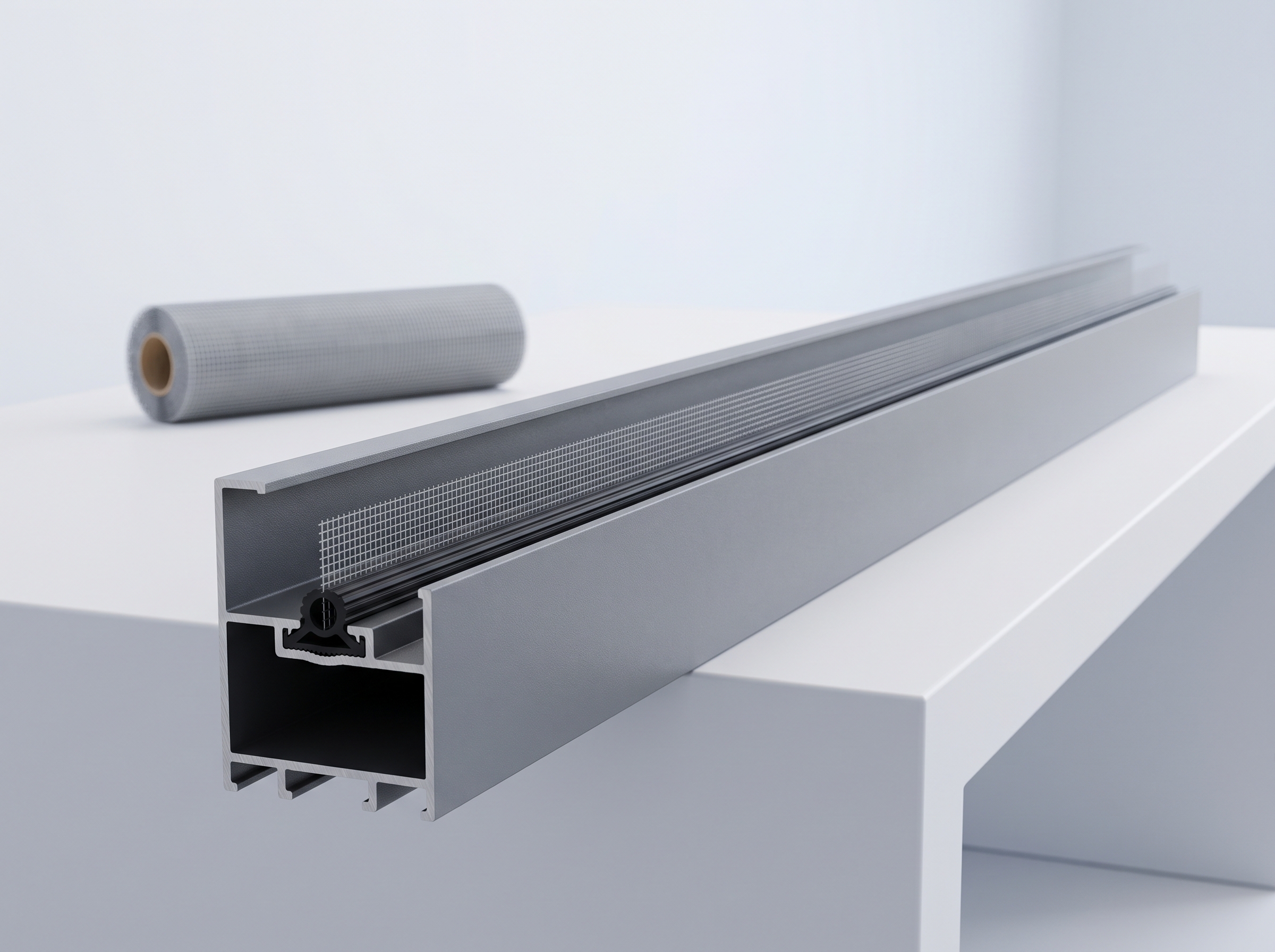
Standard aluminium profiles include commonly available shapes such as rectangular tubes, round tubes, flat bars, angle profiles, and L-, T-, and U-sections manufactured in standard dimensions.
Custom aluminium profiles, on the other hand, are engineered to meet the functional requirements of industries such as automotive, machinery, architectural systems, renewable energy, and furniture manufacturing. These profiles are produced using project-specific extrusion dies.
For custom profile production, it is essential to define the DXF drawing, dimensional tolerances, and surface finishing requirements at the beginning of the project to ensure a smooth manufacturing process.
Choosing the Right Alloy: Comparing 6060, 6063 and 6082 Aluminium Alloys
The most widely used aluminium alloys for profile extrusion belong to the 6xxx series, based on magnesium and silicon. Their excellent extrudability and ability to gain strength through heat treatment make them ideal for both architectural and industrial applications.
| Alloy | Extrudability | Strength | Surface Finish | Typical Applications |
|---|---|---|---|---|
| 6060 | Excellent | Low to Medium | Excellent | Thin-walled architectural and decorative profiles |
| 6063 | Excellent | Medium | Excellent | Doors, windows, curtain walls and general architectural systems |
| 6082 | More Challenging | High | Medium to Good | Structural, automotive and industrial applications |
6060 aluminium offers the best extrudability and surface quality due to its relatively low alloying element content. It is particularly suitable for thin-walled and complex architectural profiles.
6063 aluminium provides slightly higher mechanical strength than 6060 while maintaining excellent surface finish and anodizing performance. For this reason, it has become the industry standard for architectural aluminium profiles.
6082 aluminium contains higher levels of magnesium and silicon, resulting in significantly greater mechanical strength. It is therefore preferred for structural systems, load-bearing components, and demanding industrial and automotive applications.
Effect of Extrusion Process Parameters on Product Quality
Die design, billet preheating temperature, ram speed, and die exit temperature directly affect the dimensional accuracy, surface finish, and internal structure of an aluminium profile.
Excessively high ram speeds may result in surface defects such as die lines, while the design of the die bridges and welding chamber determines the strength of weld seams in multi-void and hollow profiles. Therefore, die engineering is just as critical as alloy selection in achieving consistent product quality.
Heat Treatment: T5 and T6 Tempers
The T5 temper is achieved by cooling the profile under controlled conditions immediately after extrusion, followed by artificial ageing.
The T6 temper refers to a solution heat-treated and artificially aged condition. Depending on the alloy and profile geometry, the required solution treatment may be achieved by the extrusion exit temperature itself, while some applications require a separate solution heat treatment furnace.
Cooling rate, ageing temperature, and ageing time must all be carefully controlled according to the desired mechanical properties and the specific production process.
Surface Finishing: Anodizing and Powder Coating
Anodizing is the most common surface treatment for aluminium profiles. Through an electrochemical process, a controlled oxide layer is formed on the aluminium surface, significantly improving corrosion resistance while enhancing the product's appearance.
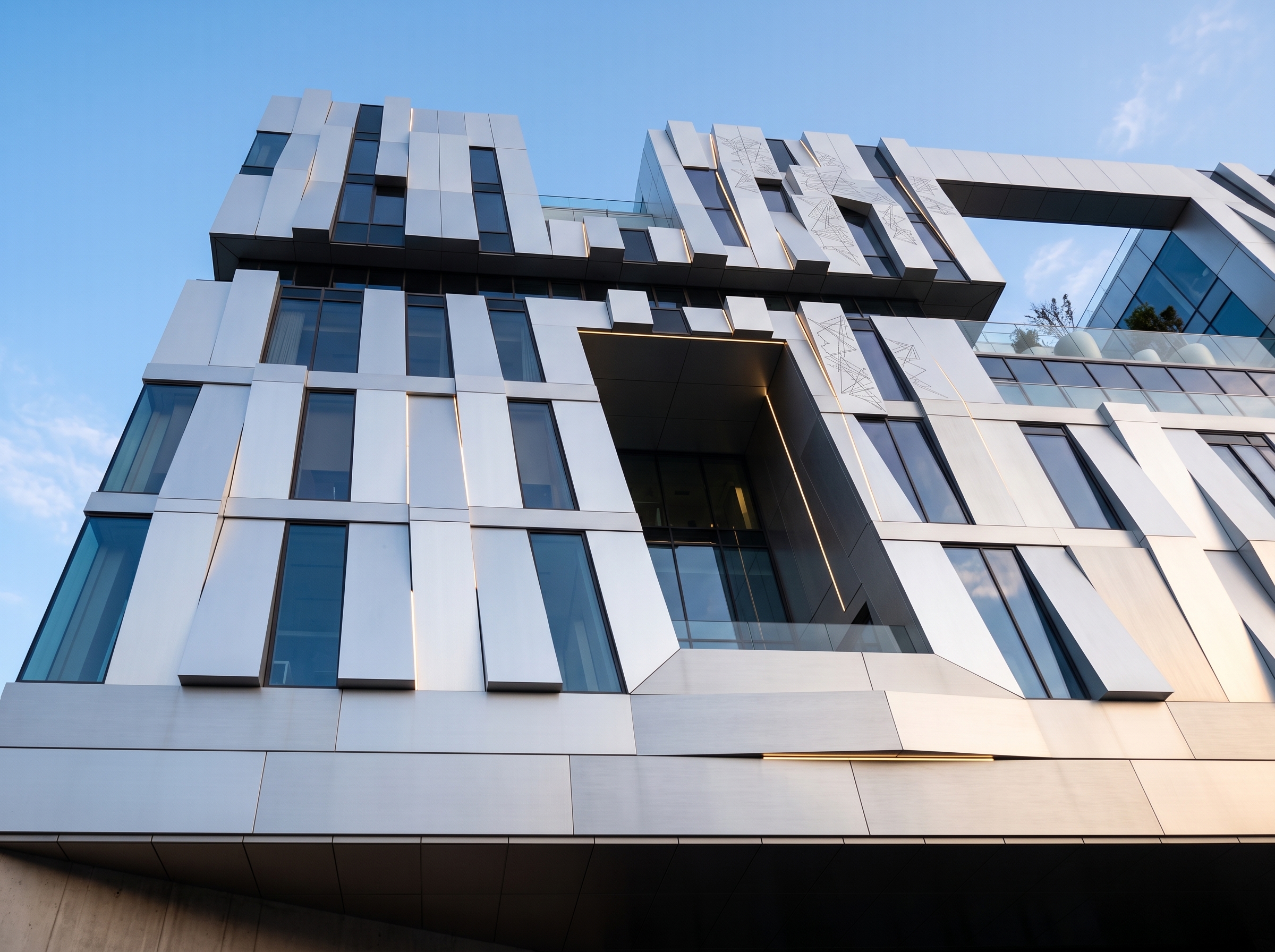
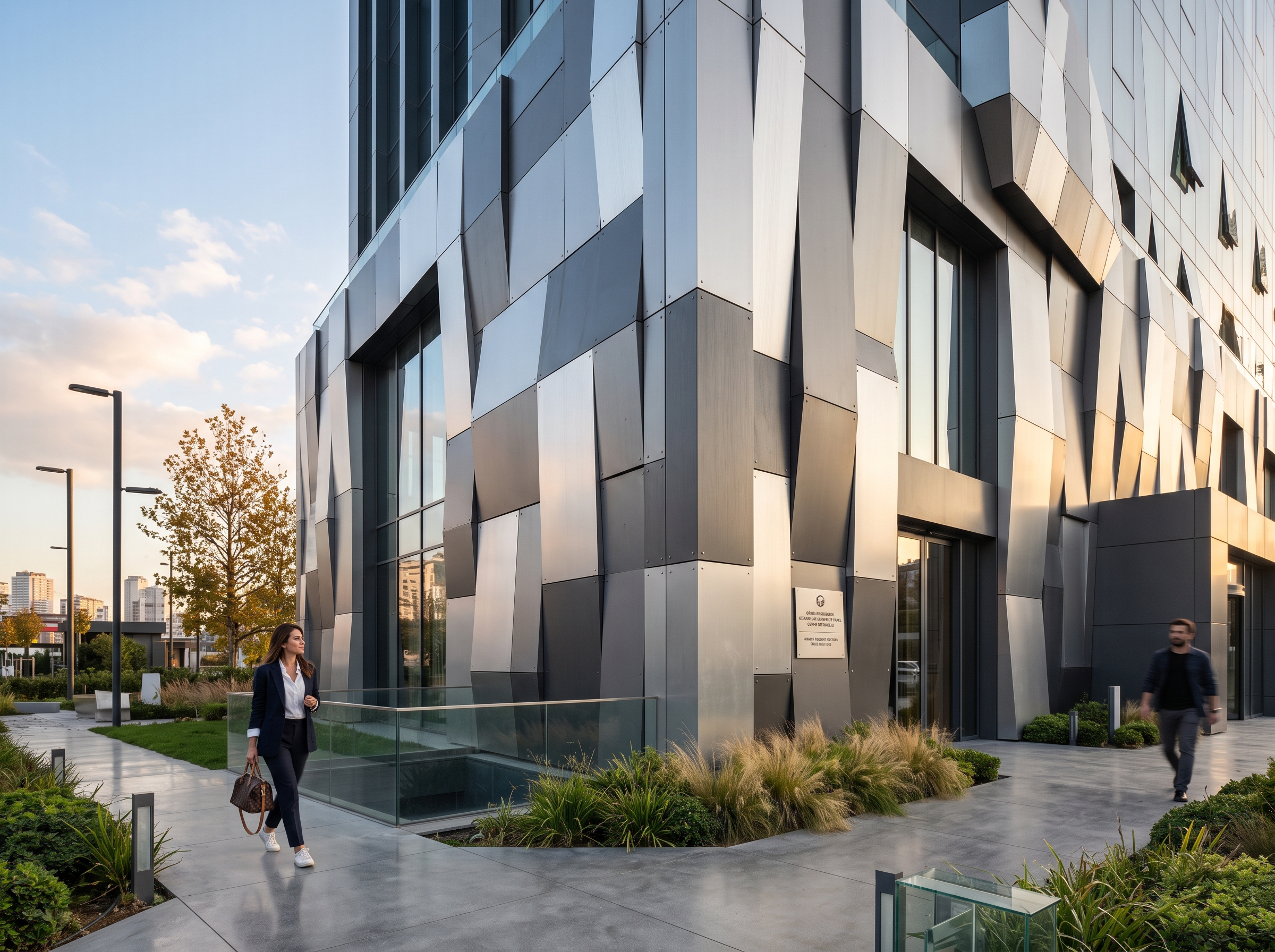
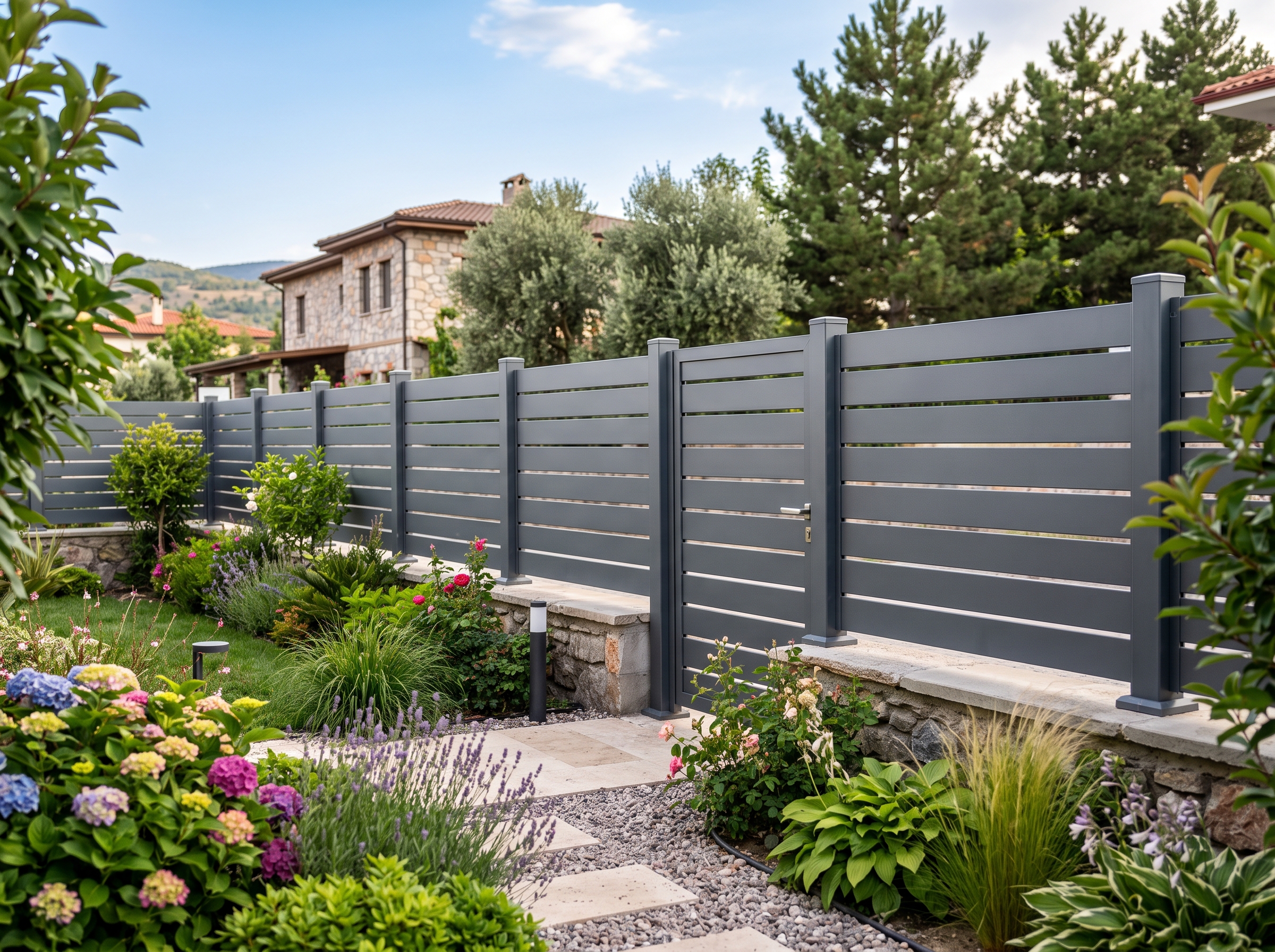
Electrostatic powder coating offers a much wider range of colours and surface textures, making it the preferred choice for architectural façades, doors, and window systems.
For outdoor applications, selecting the appropriate anodized coating thickness (such as AA15, AA20, or AA25) according to environmental conditions is essential for ensuring long-term durability.
Applications of Aluminium Profiles
Aluminium profiles are widely used across many industries, including:
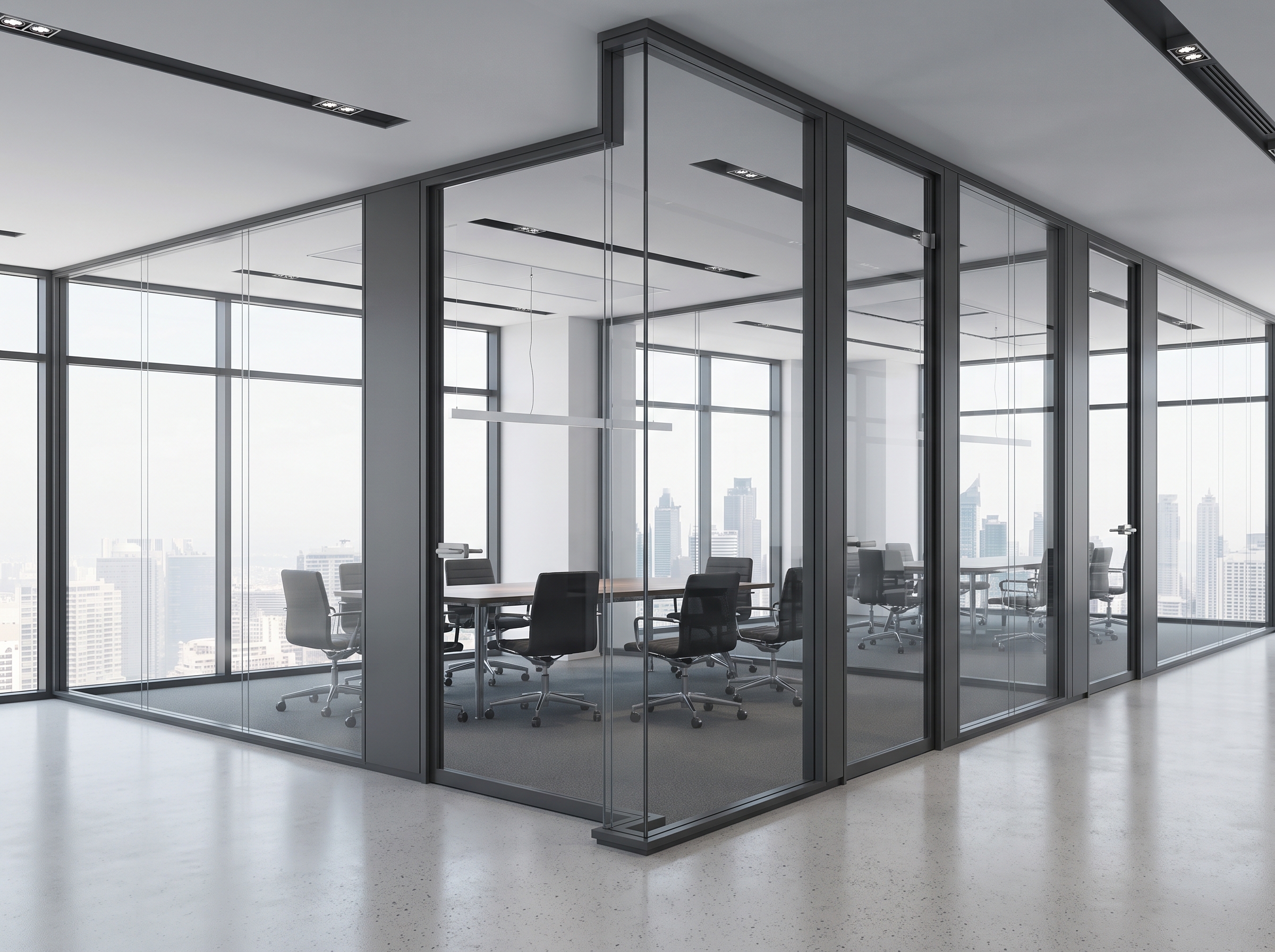
- Architectural systems: doors, windows, sliding systems, curtain walls, and office partition systems
- Outdoor structures: pergola systems, railings, and balustrades
- Industrial applications: machine frames, conveyor systems, and structural profiles
- Energy sector: solar mounting systems and cable management channels
- Automotive and transportation: lightweight structural components and load-bearing parts
How to Choose the Right Aluminium Profile
Selecting the right aluminium profile involves much more than choosing the correct cross-sectional dimensions. The following factors should be evaluated together:
- Required load capacity and bending moment resistance
- Alloy and temper condition (such as 6060, 6063, or 6082)
- Wall thickness and dimensional tolerances
- Corrosion conditions of the operating environment
- Surface finishing requirements (anodizing class or powder coating colour)
- Secondary manufacturing processes such as cutting, drilling, welding, or CNC machining
- Annual order volume and tooling investment for custom extrusion dies
Choosing a standard profile without carefully considering these factors can result in unexpected production costs or performance issues during manufacturing and service.
Quality Control and Standards
The production of aluminium profiles is generally based on internationally recognized standards, including:
- EN 755-2 – Mechanical properties of aluminium extrusions
- EN 12020-2 – Dimensional tolerances for precision architectural profiles
- EN 573-3 – Chemical composition of aluminium alloys
Compliance with these standards is verified through laboratory testing, including:
- Spectrometric chemical analysis
- Tensile testing
- Hardness testing
- Anodized coating thickness and colour inspection
Conclusion
The performance of an aluminium profile depends on the successful combination of alloy selection, profile design, extrusion parameters, heat treatment, and surface finishing.
6060 and 6063 alloys are the preferred choice for architectural applications where excellent surface quality and formability are required, while 6082 provides significantly higher mechanical strength for structural and industrial applications.
At its integrated production facility in Malatya, Türkiye, Biser Aluminium manages the entire manufacturing process—from billet production and extrusion to heat treatment and surface finishing—under one roof. This integrated approach enables the company to deliver aluminium profile solutions tailored to each project's specific requirements. Contact our technical team to determine the most suitable alloy and profile design for your application.