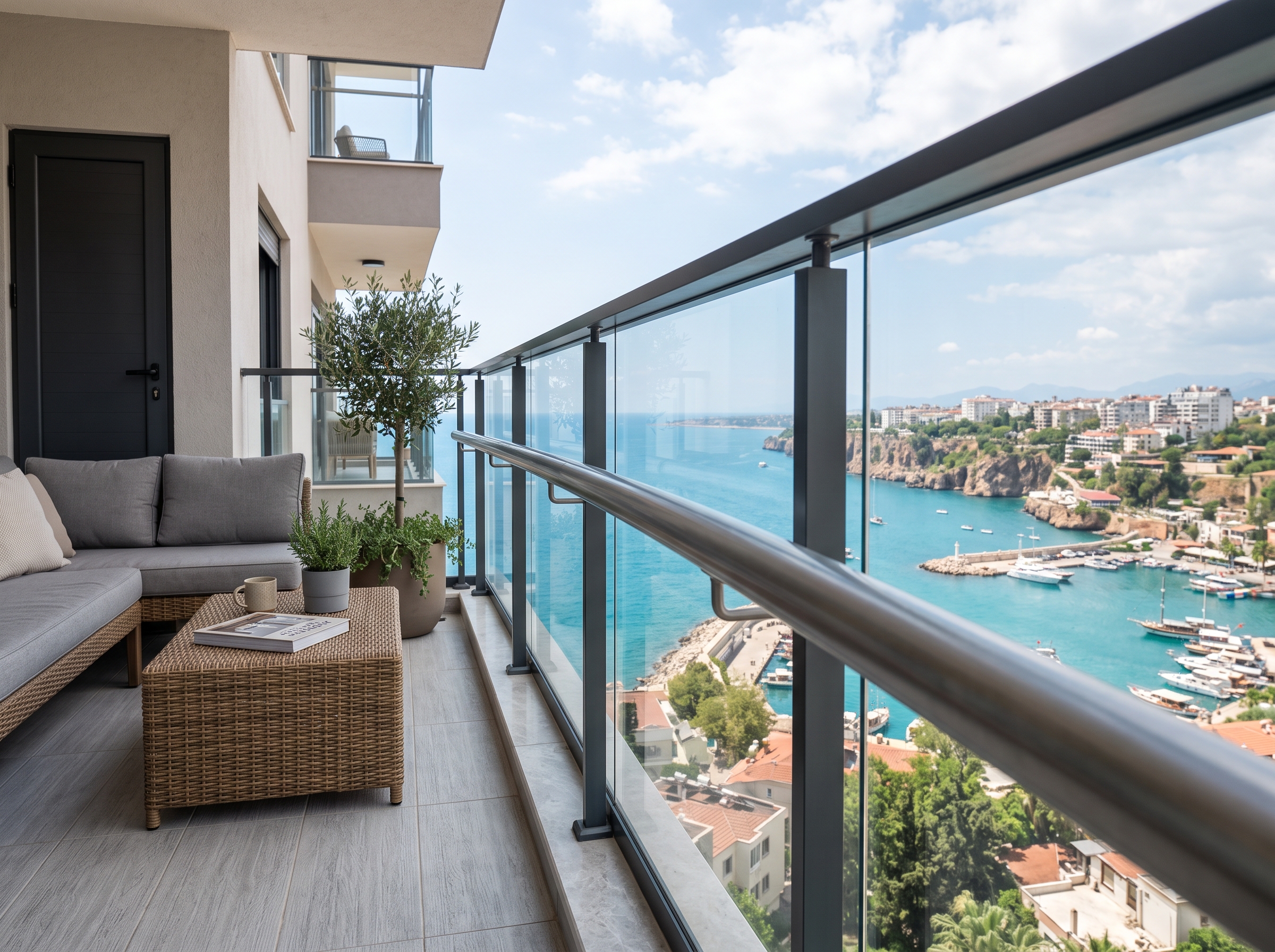
As energy efficiency becomes one of the most important priorities in modern construction, solutions that reduce heat loss in buildings are gaining significant importance. One of the leading solutions in this field is the thermal break aluminum profile. Widely used in aluminum window, door, and façade systems, these profiles have become essential materials for both energy savings and indoor comfort.
In this article, we will explain what thermal break aluminum profiles are, how they are manufactured, and where they are commonly used.
What Is a Thermal Break Aluminum Profile?
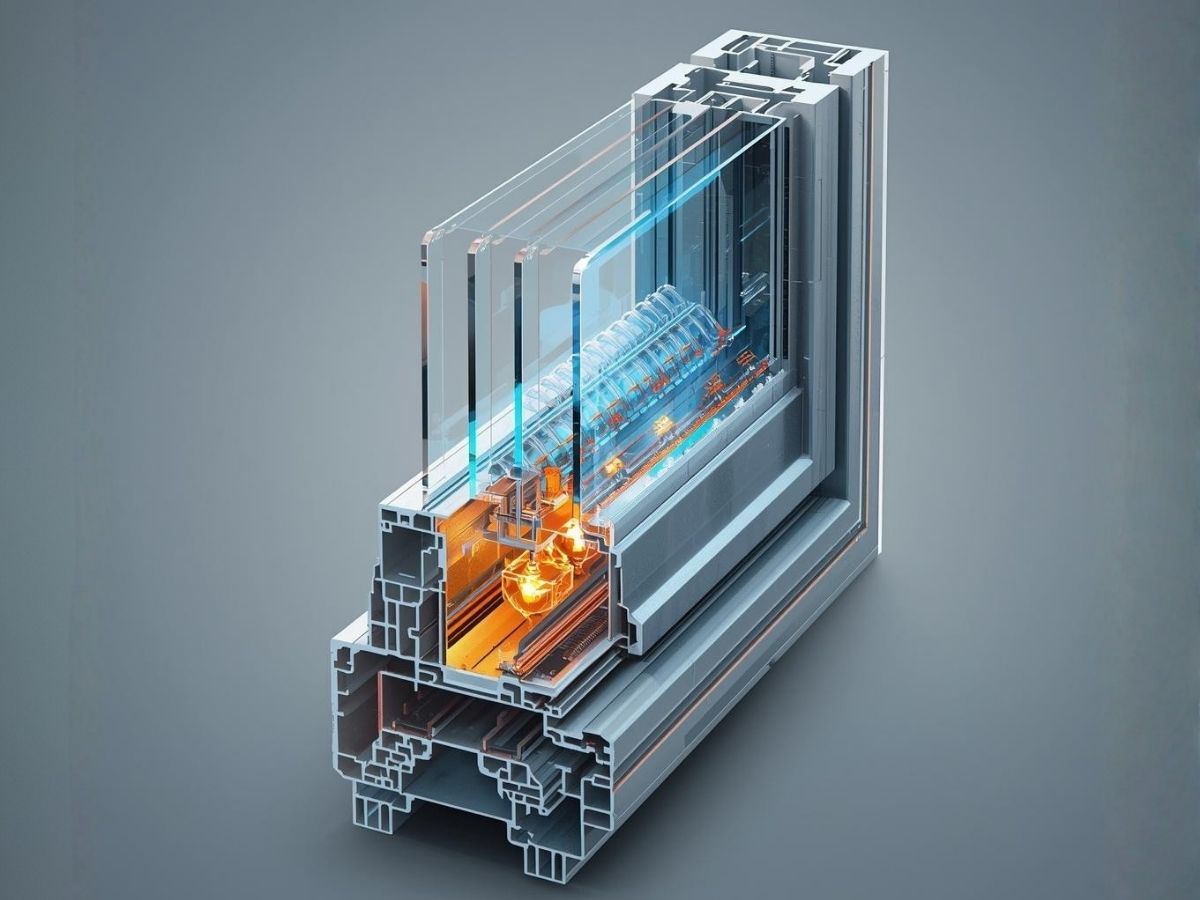
A thermal break aluminum profile is a composite system created by inserting a low thermal conductivity material—typically polyamide or glass fiber reinforced polymer—between two separate aluminum profiles.
In technical terminology, this system is also referred to as a thermal barrier or thermal break system.
Simply put, the interior and exterior parts of the aluminum profile are thermally separated from each other. Although aluminum itself is a highly conductive material, the insulating barrier prevents heat from easily transferring from inside to outside or vice versa.
The insulating material eliminates the formation of a thermal bridge, significantly reducing heat transfer and improving energy performance.
Technical Structure of Thermal Break Profiles
A thermal break aluminum profile generally consists of three main components:
1. Exterior Aluminum Profile
The outer section exposed to weather conditions such as rain, wind, sunlight, and temperature changes.
2. Interior Aluminum Profile
The inner section facing the indoor environment, designed to provide durability and aesthetic appearance.
3. Thermal Insulation Barrier
A polyamide and glass fiber reinforced strip or channel placed between the two aluminum sections to block heat transfer.
How Are Thermal Break Aluminum Profiles Manufactured?
Two main production methods are commonly used:
1. Roll-Forming Method
The inner and outer aluminum profiles are mechanically connected using polyamide strips. Specialized rollers lock the strips into the profiles, creating a strong and durable thermal barrier.
This is the most widely used manufacturing technique for mass production.
2. Pour & Debridge Method
Liquid polyurethane resin is poured into the cavity between the aluminum sections. After curing, the center bridge is removed, creating thermal insulation.
This method is generally preferred for applications requiring higher structural strength.
Advantages of Thermal Break Aluminum Profiles
| Feature | Benefit |
|---|---|
| Low thermal transmittance (Uw value) | 40–60% lower heat transfer compared to standard profiles |
| Condensation prevention | Prevents water droplets on interior surfaces during cold weather |
| Sound insulation | Polyamide barriers also reduce sound transmission |
| Energy efficiency | Lower heating and cooling costs |
| Improved comfort | More stable indoor temperatures near windows and façades |
Where Are Thermal Break Aluminum Profiles Used?
Thermal break aluminum systems are widely used across many industries and building applications.
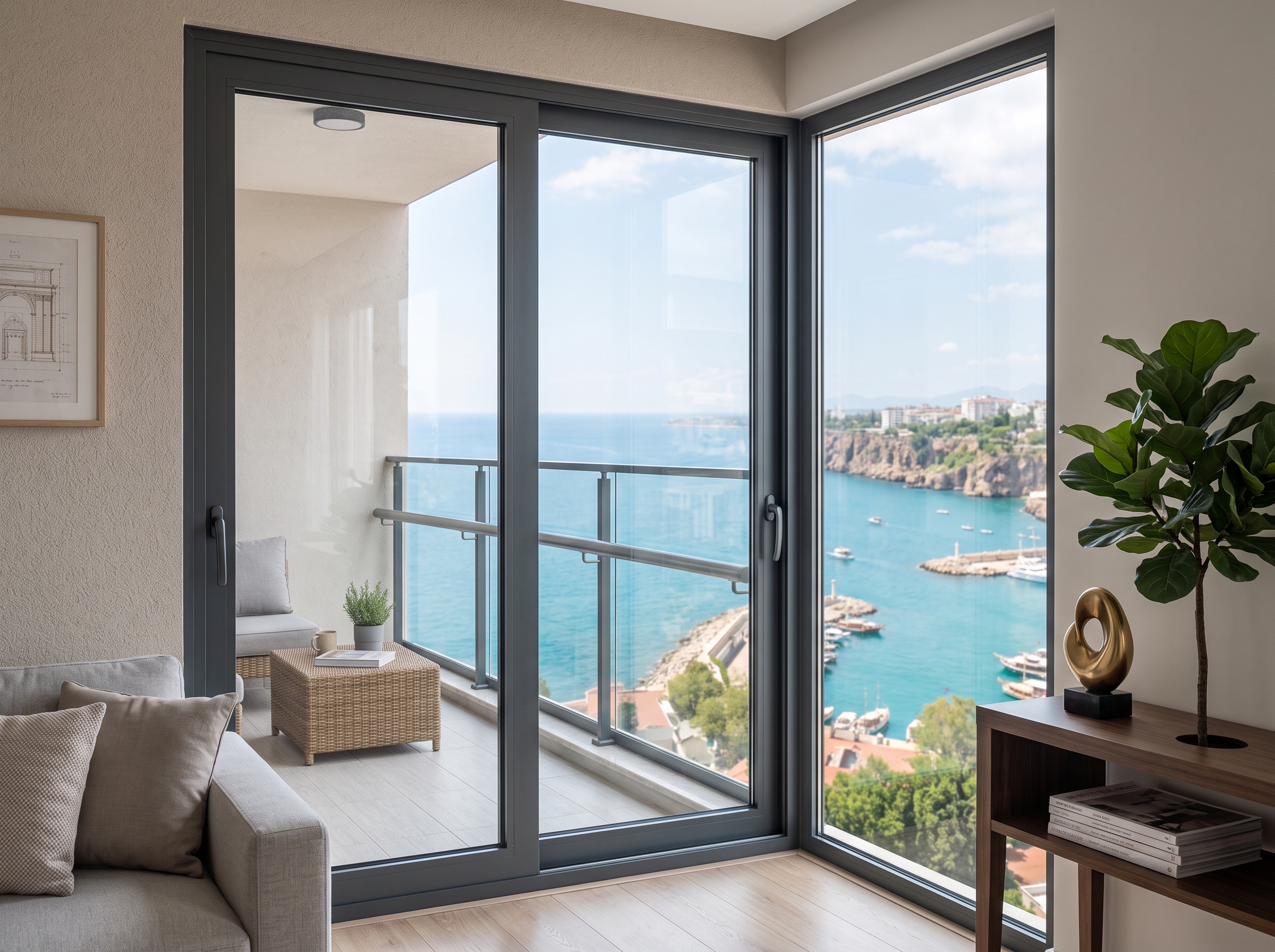
1. Building Façade and Glazing Systems
- Aluminum window and door frames
- Sliding door systems
- Folding door systems
- French balcony systems
- Curtain wall façade systems
2. Residential and Commercial Buildings
Modern energy-efficient buildings often require thermal break profiles to comply with energy performance regulations and Energy Performance Certificates (EPC/EKB).
They are also essential components in passive house construction standards.
3. Cold Storage Facilities and Industrial Buildings
In environments with extreme temperature differences—such as cold storage warehouses—thermal break profiles help prevent:
- Heat loss
- Condensation
- Moisture formation
4. Marine and Coastal Structures
When combined with corrosion-resistant surface coatings, thermal break aluminum profiles provide excellent resistance against both saltwater corrosion and thermal transfer.
Difference Between Standard Aluminum Profiles and Thermal Break Profiles
| Feature | Standard Aluminum Profile | Thermal Break Aluminum Profile |
|---|---|---|
| Thermal conductivity | ~160 W/mK | ~3–4 W/mK (thermal section) |
| Condensation risk | High | Low |
| Cost | Lower | 20–35% higher |
| Energy efficiency | Low | High (A+ level) |
| Service life | 20–30 years | 30–50 years |
Conclusion
As energy costs continue to rise and sustainable construction becomes increasingly important, thermal break aluminum profiles offer a long-term investment that quickly pays for itself.
They not only minimize heat loss but also prevent condensation-related issues such as mold and humidity, improving indoor comfort and building durability.
At our factory, we manufacture European-standard thermal break aluminum profiles with high-quality polyamide insulation systems, providing customized solutions for a wide range of architectural and industrial projects.