6063 Aluminium Billet: Why Is It One of the Most Preferred Choices for Extrusion?
6063 aluminium billet is one of the most widely used aluminium alloys in the extrusion industry. It is particularly preferred for window and door systems, architectural profiles, façade systems, decorative profiles, and various industrial applications. The alloy stands out due to its excellent extrudability, good surface finish, corrosion resistance, and suitability for surface treatments.
For aluminium extrusion manufacturers, selecting the right billet involves much more than simply choosing an alloy grade. The billet's chemical composition, casting quality, homogenization treatment, surface condition, dimensions, and metallurgical properties can all have a direct impact on extrusion process stability and the quality of the final profile.
So, what is 6063 aluminium billet, why is it so widely used for extrusion, and how does it compare with 6061 aluminium? In this comprehensive guide, we examine the properties, production process, applications, quality criteria, and purchasing considerations of 6063 aluminium billet from an aluminium producer's perspective.
What Is 6063 Aluminium Billet?
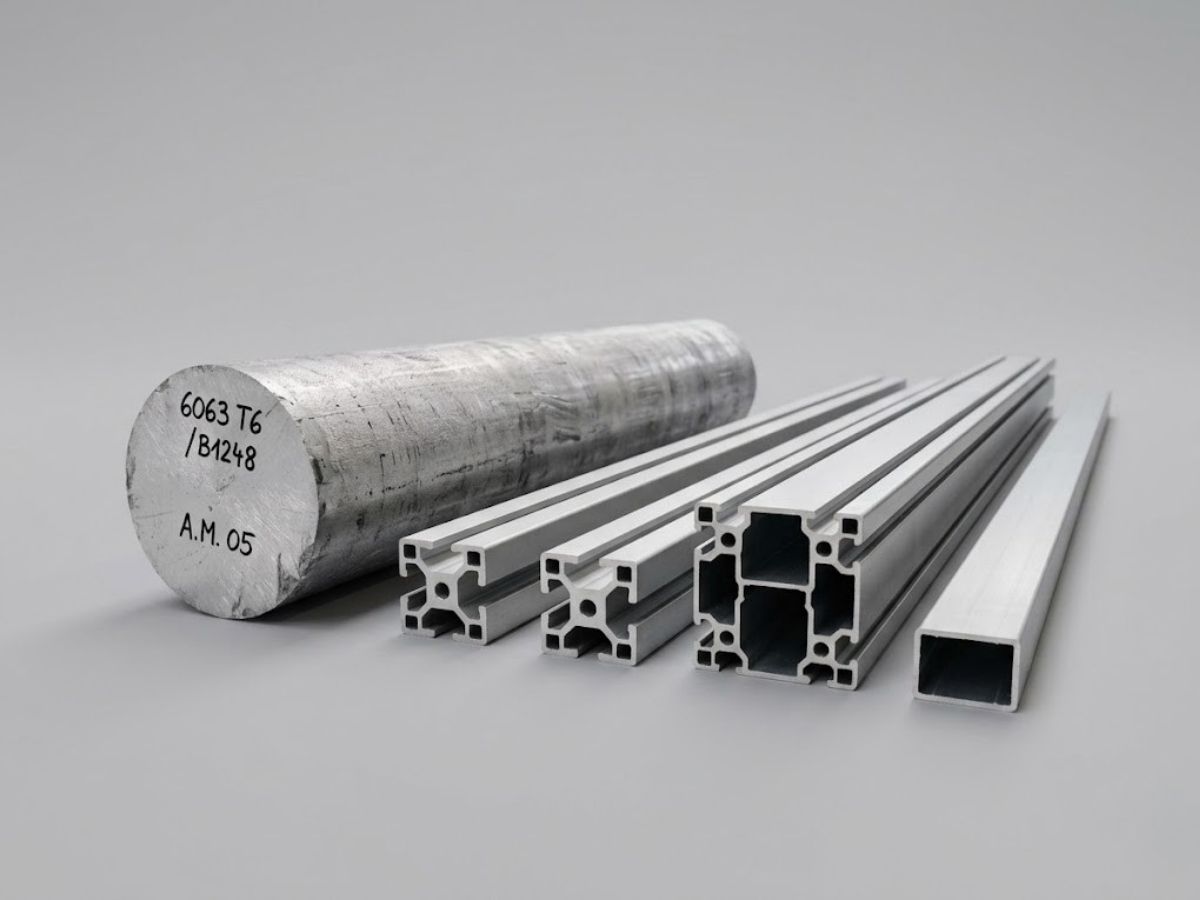
6063 aluminium billet is a semi-finished aluminium product manufactured from the 6063 alloy and used as the raw material for the aluminium extrusion process.
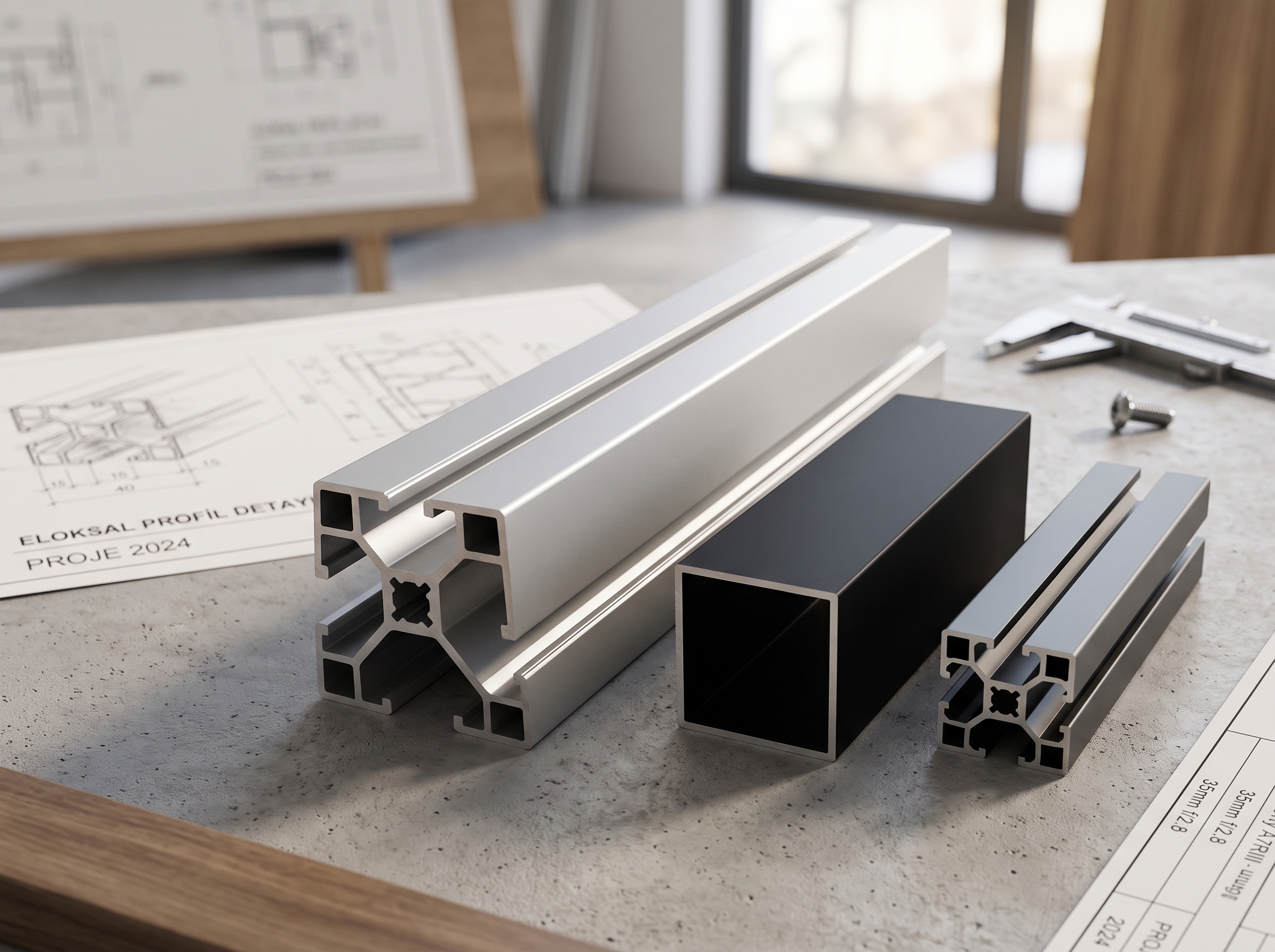
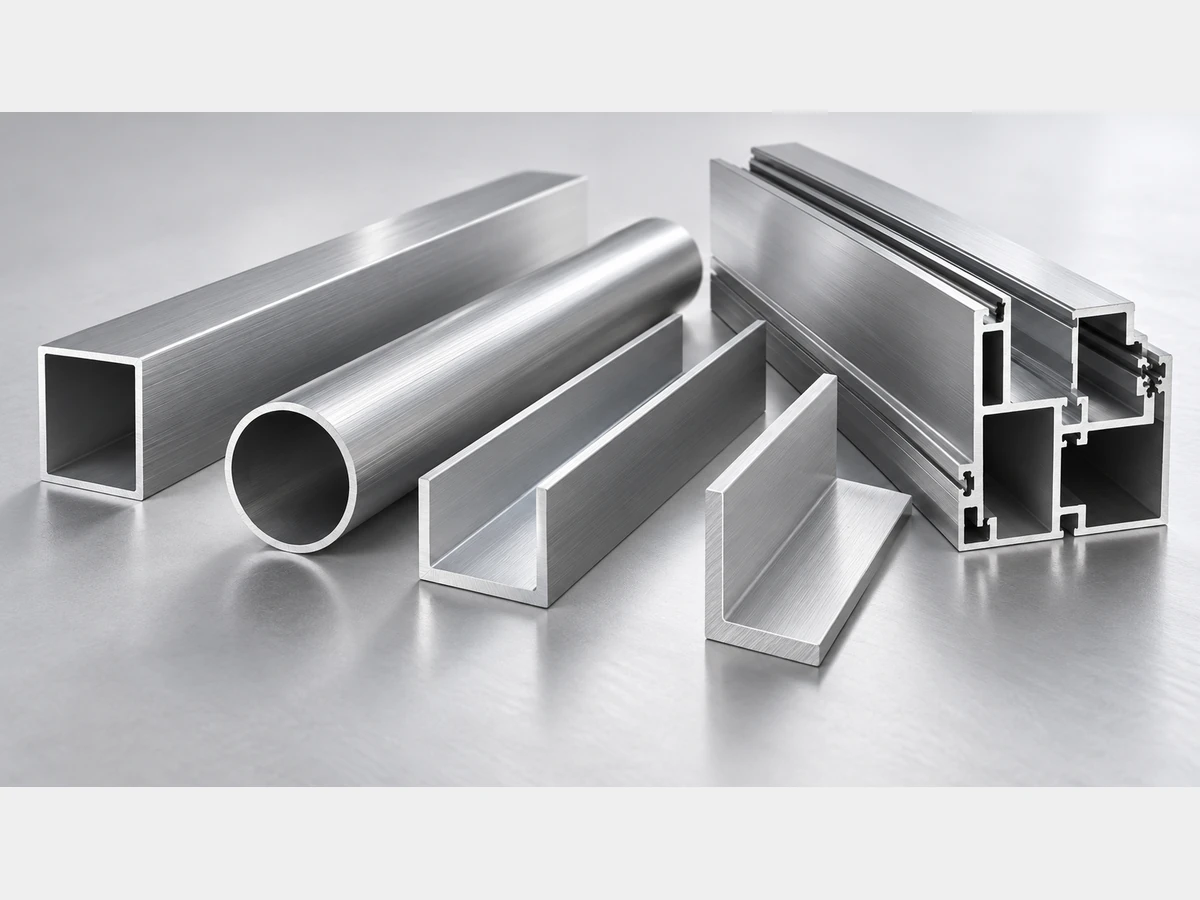
Before extrusion, the billet is heated to a specific temperature and then forced through an extrusion die under high pressure to produce an aluminium profile with the desired cross-sectional geometry.
The basic aluminium profile production process can be summarized as:
Aluminium Raw Material → Melting → Alloy Adjustment → Casting → Homogenization → Billet Cutting → Heating → Extrusion → Cooling → Stretching → Cutting → Aging → Surface Treatment
The billet is the starting point of this process. Therefore, billet quality is critical to extrusion process stability, production efficiency, and final profile quality.
6063 aluminium is widely used worldwide, particularly in architectural and decorative aluminium profile production, because of its excellent characteristics for extrusion applications.
What Are the Main Properties of 6063 Aluminium?
6063 aluminium belongs to the Al-Mg-Si, or aluminium-magnesium-silicon, alloy family.
The main characteristics that make this alloy attractive for extrusion include the following.
Excellent Extrudability
One of the most important advantages of 6063 aluminium is its excellent extrudability.
Extrudability refers to how easily and consistently an alloy can be formed through an extrusion die under controlled process conditions.
6063 aluminium can provide advantages in the production of:
-
Thin-wall profiles
-
Complex cross-sections
-
Decorative profiles
-
Architectural profiles
-
Profiles with precise geometries
This characteristic makes 6063 particularly valuable in applications where complex profile geometries and high surface quality are required simultaneously.
Good Surface Finish
6063 aluminium billet is also widely preferred because of the surface quality that can be achieved after extrusion.
A smooth and uniform profile surface is particularly important for surface treatments such as:
-
Anodizing
-
Powder coating
-
Electrostatic painting
-
Polishing
-
Mechanical finishing
For anodized aluminium profiles in particular, surface quality can have a direct effect on the final appearance of the product.
Good Corrosion Resistance
6063 aluminium offers good corrosion resistance, making it suitable for aluminium profile applications exposed to outdoor environmental conditions.
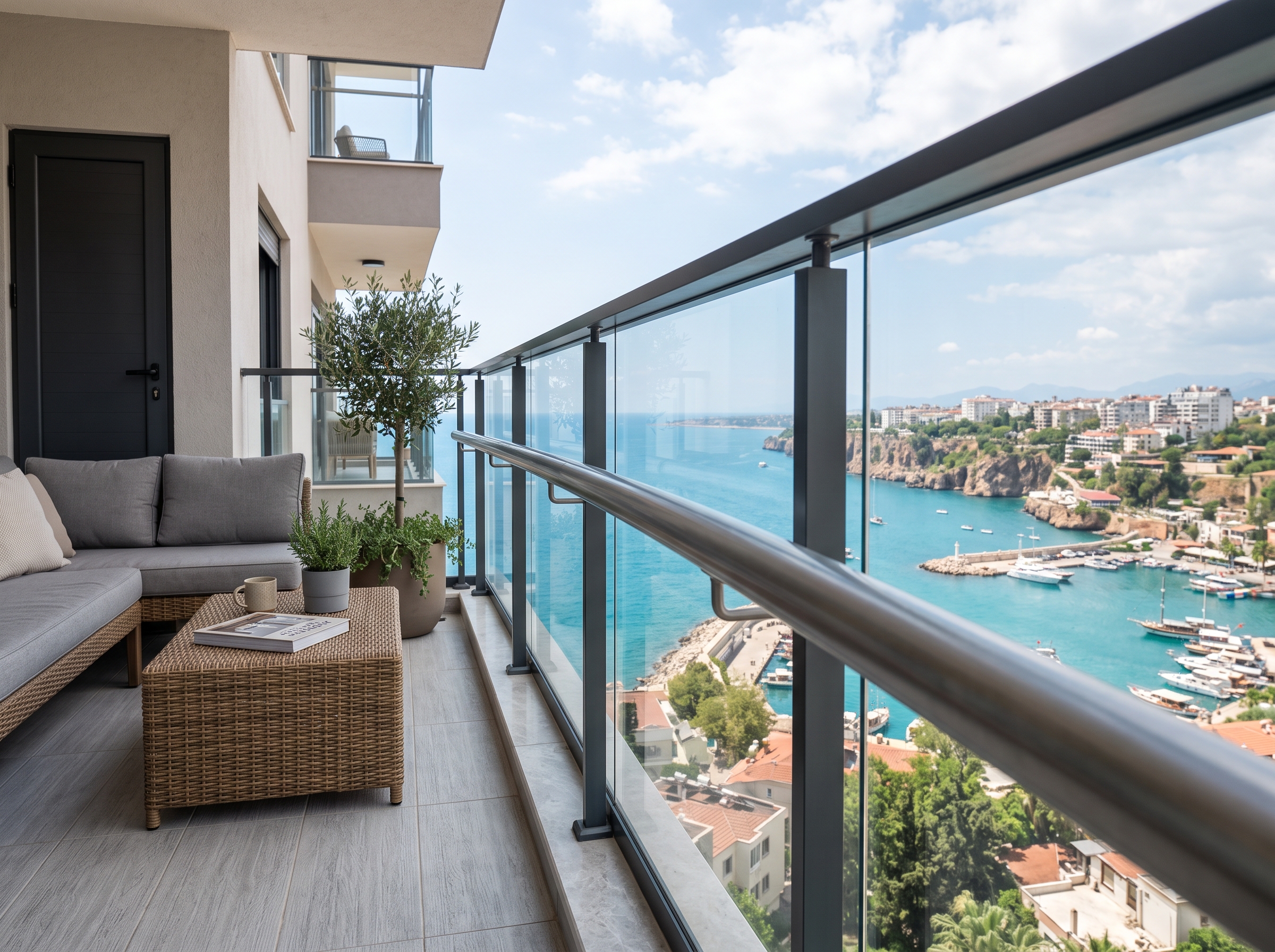
In applications such as windows, doors, façades, and balcony systems, corrosion resistance can contribute significantly to long-term product performance.
Suitable for Surface Treatments
Another important advantage of 6063 aluminium is its suitability for various surface treatment processes.
Anodizing and powder coating can be used to improve both the appearance and surface durability of aluminium profiles.
For this reason, 6063 is widely selected by manufacturers of architectural aluminium profiles.
Balanced Mechanical Properties
6063 aluminium is particularly suitable for applications where maximum mechanical strength is not the primary requirement and where extrudability and surface quality are more important.
For applications requiring higher mechanical strength, alloys such as 6061 or 6082 may be considered depending on the specific requirements.
Why Is 6063 Aluminium Billet Preferred for Extrusion?
Why is 6063 aluminium billet so widely used in the extrusion industry?
The answer lies in the alloy's balanced combination of properties.
6063 aluminium offers a combination of:
Excellent extrudability + good surface finish + corrosion resistance + suitability for surface treatment
These characteristics are particularly important for architectural aluminium profile manufacturers.
| Property | Advantage of 6063 Aluminium Billet |
|---|---|
| Extrudability | Facilitates the production of complex cross-sections |
| Surface quality | Suitable for architectural and decorative applications |
| Corrosion resistance | Provides advantages in outdoor applications |
| Anodizing suitability | Supports decorative and durable surface finishes |
| Powder coating suitability | Suitable for painted aluminium profiles |
| Workability | Supports a wide range of profile designs |
| Wide application range | Used across many aluminium extrusion products |
However, an important point should be emphasized: high-quality 6063 billet alone does not automatically guarantee high-quality aluminium profiles.
The billet's chemical composition, casting structure, homogenization treatment, and extrusion temperature control must all be considered together.
6063 Aluminium Billet Chemical Composition
The primary alloying elements in 6063 aluminium are magnesium and silicon. Other elements such as iron, copper, manganese, zinc, titanium, and chromium are also controlled as part of the alloy's chemical composition.
The main elements monitored during 6063 billet production include:
-
Silicon (Si)
-
Magnesium (Mg)
-
Iron (Fe)
-
Copper (Cu)
-
Manganese (Mn)
-
Zinc (Zn)
-
Titanium (Ti)
-
Chromium (Cr)
Maintaining the chemical composition within the applicable standard and customer specification is important for consistent billet performance during extrusion.
Chemical composition control becomes particularly important in applications where surface quality is critical.
Therefore, when purchasing aluminium billet, buyers should look beyond the “6063” alloy designation and evaluate the supplier's chemical analysis results and quality documentation.
Why Is Casting Quality Important in 6063 Billet Production?
Casting is one of the most important stages in 6063 aluminium billet production.
Molten aluminium must be cast under controlled conditions and at the appropriate temperature. Metallurgical problems that occur during casting can later develop into quality issues during the extrusion process.
Key parameters that should be controlled during billet production include:
-
Metal temperature
-
Casting speed
-
Cooling conditions
-
Chemical composition
-
Metal homogeneity
-
Internal structure
-
Segregation
-
Oxide and non-metallic inclusions
The objective of high-quality billet production is not simply to produce a billet with the correct diameter.
The goal is to achieve a homogeneous and controlled metallurgical structure that can perform consistently during the extrusion process.
Why Is Homogenization Important for 6063 Aluminium Billet?
Homogenization is a controlled heat treatment applied after casting to improve the billet's microstructure.
During casting, alloying elements may not be distributed completely uniformly throughout the billet. A properly controlled homogenization process helps create a more consistent microstructure and improve the distribution of alloying elements.
Proper homogenization can contribute to:
-
Improved microstructure
-
More uniform distribution of alloying elements
-
More predictable extrusion behaviour
-
Improved process stability
-
Consistent final profile quality
For this reason, when purchasing 6063 aluminium billet, buyers should evaluate not only the supplier's casting capacity but also its heat treatment and homogenization capabilities.
6063 Aluminium Billet and the Extrusion Process
During aluminium extrusion, the billet is heated to a controlled temperature and then loaded into the extrusion press.
Inside the press, the billet is forced through an extrusion die under high pressure and transformed into the required profile geometry.
The basic process can be summarized as:
Billet → Heating → Extrusion → Cooling → Stretching → Cutting → Aging → Surface Treatment
Billet quality can influence each of these stages.
Homogeneity issues within the billet or deviations in chemical composition can affect extrusion behaviour and process stability.
For high-volume extrusion manufacturers in particular, consistent billet quality is essential for production efficiency and scrap-rate control.
What Is the Difference Between 6063 and 6061 Aluminium?
6063 and 6061 are two of the most frequently compared aluminium alloys in the industry. However, they are generally selected for different performance requirements.
In simple terms:
6063 → Extrudability and surface quality
6061 → Higher mechanical strength
6063 is widely used for architectural and decorative profiles, while 6061 is often selected for industrial and structural applications where higher mechanical strength is required.
| Property | 6063 | 6061 |
|---|---|---|
| Extrudability | Excellent | Good |
| Surface finish | Excellent | Good |
| Anodizing applications | Highly suitable | Suitable |
| Mechanical strength | Moderate | Higher |
| Architectural profiles | Very common | More limited |
| Structural applications | More limited | More suitable |
| Complex profile geometries | Highly suitable | Application-dependent |
Therefore, there is no universal answer to the question, “Is 6063 or 6061 better?”
The appropriate alloy should be selected according to the profile's intended application, mechanical requirements, cross-sectional geometry, surface treatment, and manufacturing process.
What Are the Applications of 6063 Aluminium Billet?
6063 aluminium billet can be extruded into a wide range of aluminium products.
Architectural Aluminium Profiles
One of the most common applications of 6063 billet is architectural aluminium profile production.
Typical applications include:
-
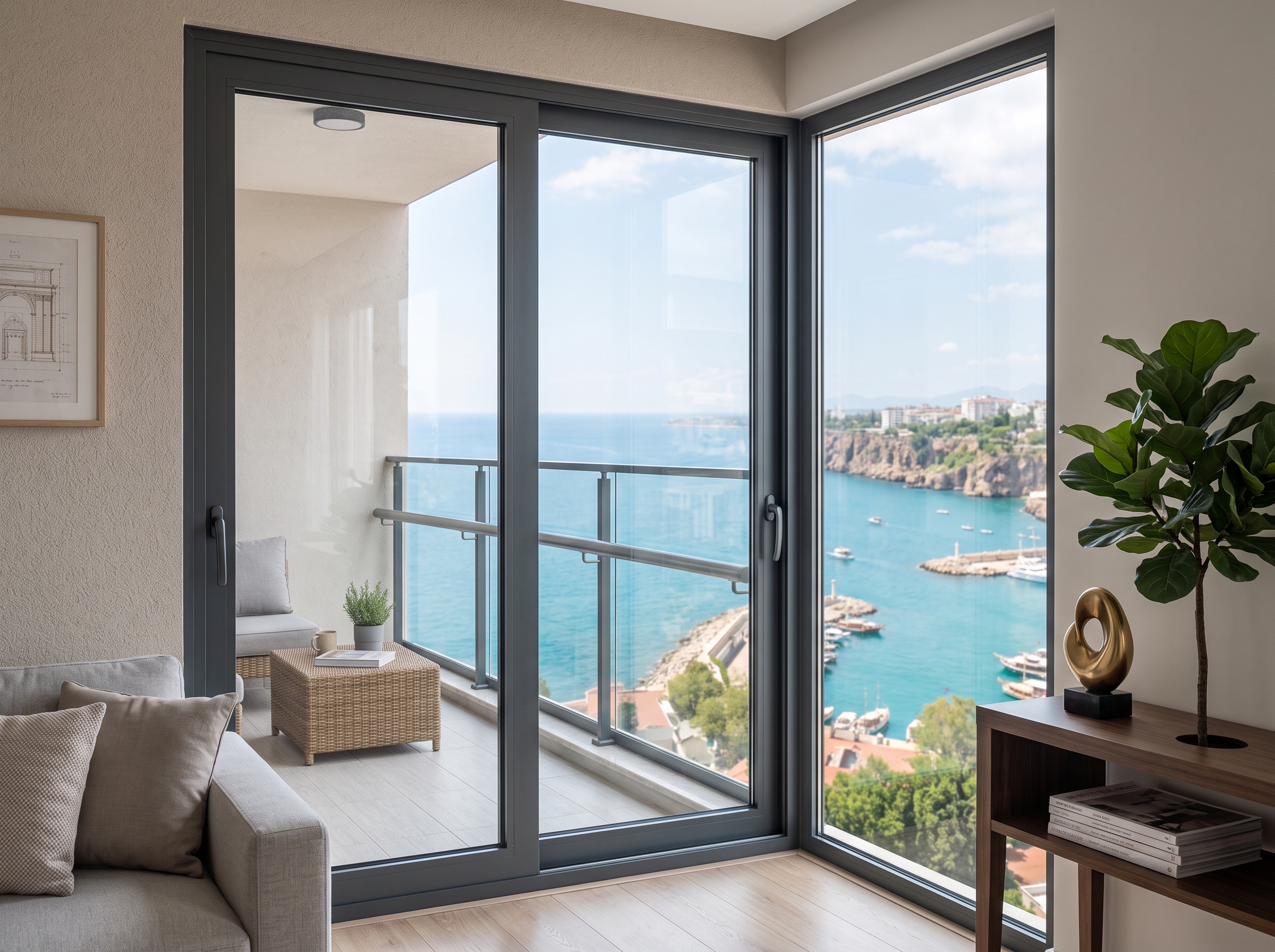
Window systems
-
Door systems
-
Curtain wall systems
-
Façade profiles
-
Balcony systems
-
Aluminium framing systems
-
Solar shading systems
-
Decorative architectural profiles
Industrial Aluminium Profiles
6063 aluminium can also be used in various industrial profile applications.
Examples include:
-
Machine profiles
-
Furniture profiles
-
Lighting profiles
-
Decorative profiles
-
Lightweight structural profiles
-
Custom-designed extrusion profiles
Decorative Aluminium Profiles
6063 aluminium can provide significant advantages in applications where surface appearance is important.
Especially for profiles that will be anodized or powder coated, surface quality is an important factor affecting the final appearance of the product.
What Should You Consider When Buying 6063 Aluminium Billet?
When selecting a 6063 aluminium billet manufacturer or supplier, evaluating only the price per metric ton is not enough.
For regular and high-volume purchases, the following criteria should be considered together.
1. Chemical Composition
The supplier should be able to meet the required chemical composition for the specified 6063 alloy.
2. Billet Diameter
The billet diameter must be compatible with the extrusion press being used.
Common billet diameter options include:
-
5 inch
-
6 inch
-
7 inch
-
8 inch
-
9 inch
3. Billet Length
Billet length should be determined according to the extrusion press specifications and production requirements.
Different manufacturers may offer different standard lengths. Therefore, the required billet length should be clearly specified before placing an order.
4. Casting and Metallurgical Quality
Simply meeting the chemical requirements of 6063 aluminium is not enough.
Casting quality, internal structure, and homogenization should also be evaluated.
5. Surface Quality
The billet surface should be free from cracks, defects, or other conditions that could negatively affect the extrusion process.
6. Quality Documentation
Depending on the buyer's requirements, the following documents may be requested:
-
Mill Test Certificate (MTC)
-
Chemical analysis report
-
Mechanical test results
-
Certificate of conformity
-
Quality inspection reports
How to Choose a 6063 Aluminium Billet Manufacturer?
Choosing the right aluminium billet manufacturer for international purchases involves more than comparing prices.
The following criteria should be considered when evaluating a supplier.
Production Capacity
The supplier should have sufficient production capacity to meet regular and long-term order requirements.
Alloy Range
Suppliers capable of producing alloys such as 6060, 6061, 6063, and 6082 can provide additional flexibility for long-term cooperation.
Billet Dimensions
The manufacturer should be able to supply billet diameters and lengths compatible with the buyer's extrusion presses.
Quality Control
Regular chemical analysis, casting control, homogenization, and product testing are important indicators of a reliable billet manufacturing process.
Delivery and Logistics
For international buyers, lead time, loading capability, packaging, and logistics organization are also important factors alongside the material price.
Technical Communication
The ability of the manufacturer to understand customer specifications and produce according to specific technical requirements is particularly valuable for customized billet orders.
What Determines the Price of 6063 Aluminium Billet?
The price of 6063 aluminium billet is not fixed. Pricing depends on aluminium market conditions as well as several technical and commercial factors.
The main pricing factors include:
-
Primary aluminium prices
-
Aluminium scrap prices
-
Alloying element costs
-
Billet diameter
-
Billet length
-
Order quantity
-
Packaging
-
Freight costs
-
Delivery terms
-
Destination country
-
Payment terms
Therefore, when researching 6063 aluminium billet prices, buyers should evaluate not only the price per metric ton but also the commercial conditions under which the quotation is provided.
For example, different Incoterms such as FOB, CIF, or DAP can significantly affect the total landed cost.
What Quality Controls Should Be Performed for 6063 Billet?
Quality 6063 billet production requires controls at different stages of the manufacturing process.
Key control points include:
-
Chemical composition
-
Billet diameter
-
Billet length
-
Surface condition
-
Metallurgical structure
-
Homogenization
-
Internal quality
-
Weight
-
Batch and production traceability
For regular B2B supply programs, batch-level quality control and traceability are particularly important for maintaining a reliable supply chain.
Buyers should also share their technical specifications clearly with the manufacturer before placing an order. This helps ensure that production parameters are correctly defined from the beginning.
6063 Aluminium Billet Purchasing Checklist
Before placing an order for 6063 aluminium billet, the following technical and commercial details should be clearly defined:
-
Alloy: 6063
-
Required standard or technical specification
-
Billet diameter
-
Billet length
-
Chemical composition requirements
-
Order quantity
-
Surface quality requirements
-
Homogenization requirements
-
Quality documentation
-
Packaging
-
Delivery term
-
Loading location
-
Destination
-
Payment terms
-
Required delivery date
Clarifying these details at the quotation stage makes it easier to compare offers from different suppliers accurately, both technically and commercially.
Biser Aluminium 6063 Aluminium Billet Production
Biser Aluminium is a Turkish manufacturer of aluminium billets and aluminium profiles, serving extrusion manufacturers in Türkiye and international markets.
With an annual aluminium billet production capacity of 32,000 metric tons, Biser Aluminium offers different billet diameters and lengths for a wide range of extrusion applications.
Available billet diameters include:
-
5 inch
-
6 inch
-
7 inch
-
8 inch
-
9 inch
Billets can be produced in lengths ranging from 1,000 mm to 6,050 mm.
Biser Aluminium produces billets in major extrusion alloys including:
-
6060
-
6061
-
6063
-
6082
Different alloy and dimensional requirements can also be evaluated according to customer technical specifications.
Biser Aluminium's production approach focuses not only on production capacity but also on providing extrusion manufacturers with a consistent, traceable, and application-oriented aluminium billet supply.
For extrusion manufacturers purchasing 6063 aluminium billet, defining the correct diameter, length, alloy, and chemical composition is an important part of the order process.
Why Is 6063 Aluminium Billet an Important Extrusion Raw Material?
6063 aluminium billet is one of the key raw materials in the aluminium extrusion industry because of its wide range of applications and excellent suitability for producing different profile geometries.
For architectural applications in particular, the combination of:
Excellent extrudability + good surface quality + corrosion resistance + suitability for surface treatment
makes 6063 aluminium a highly attractive alloy.
However, selecting the correct alloy alone is not enough to achieve consistent extrusion quality.
The following factors should also be evaluated:
-
Chemical composition
-
Casting quality
-
Homogenization
-
Metallurgical structure
-
Surface quality
-
Billet diameter
-
Billet length
-
Batch-level quality control
For this reason, aluminium billet purchasing decisions should focus not only on the lowest price, but also on finding a supplier capable of delivering consistent quality that matches the requirements of the extrusion process.
Frequently Asked Questions About 6063 Aluminium Billet
What is 6063 aluminium billet?
6063 aluminium billet is a semi-finished aluminium product manufactured from 6063 alloy and used as the raw material for producing aluminium profiles through the extrusion process.
Is 6063 aluminium suitable for extrusion?
Yes. 6063 aluminium is widely used for extrusion because of its excellent extrudability and good surface finish. It is particularly common in architectural, decorative, and various industrial aluminium profiles.
What is the difference between 6063 and 6061 aluminium?
6063 aluminium is generally preferred for its excellent extrudability and surface quality, while 6061 is often selected for applications requiring higher mechanical strength.
What billet diameters are available for 6063 aluminium?
Billet diameters vary depending on the manufacturer and extrusion press. Biser Aluminium produces billets in 5, 6, 7, 8, and 9 inch diameters.
What billet lengths are available?
Biser Aluminium can produce aluminium billets, including 6063, in lengths ranging from 1,000 mm to 6,050 mm.
What products are made from 6063 aluminium billet?
6063 billet can be used to produce window and door profiles, curtain wall systems, façade profiles, balcony systems, decorative profiles, machine profiles, and various custom extrusion products.
What documents should be requested when purchasing 6063 aluminium billet?
Depending on the application and customer requirements, buyers may request a Mill Test Certificate (MTC), chemical analysis reports, mechanical test results, and certificates of conformity.
How is the price of 6063 aluminium billet determined?
Pricing depends on aluminium market prices, order quantity, billet diameter and length, alloy requirements, packaging, logistics, delivery terms, and payment conditions.
Is 6063 aluminium suitable for anodizing and powder coating?
Yes. 6063 aluminium is widely used for profiles that will undergo anodizing and powder coating, particularly where surface appearance and finish quality are important.
Conclusion
6063 aluminium billet is one of the most widely used alloys in the aluminium extrusion industry due to its excellent extrudability, good surface finish, corrosion resistance, and suitability for surface treatments.
It is particularly common in window and door systems, façade applications, curtain wall systems, decorative profiles, and various industrial applications.
However, producing high-quality aluminium profiles requires more than simply selecting the correct alloy. Chemical composition, casting quality, homogenization, metallurgical structure, surface condition, and dimensional accuracy all play important roles in billet performance and extrusion quality.
At Biser Aluminium, we manufacture aluminium billets with an annual production capacity of 32,000 metric tons, offering 5, 6, 7, 8, and 9 inch billet diameters for extrusion manufacturers in Türkiye and international markets.
If you are looking for 6063 aluminium billet, share your required alloy, diameter, length, quantity, and delivery destination with Biser Aluminium to request a technical and commercial quotation.