Renewable and Non-Renewable Energy Sources: The Role of Aluminum
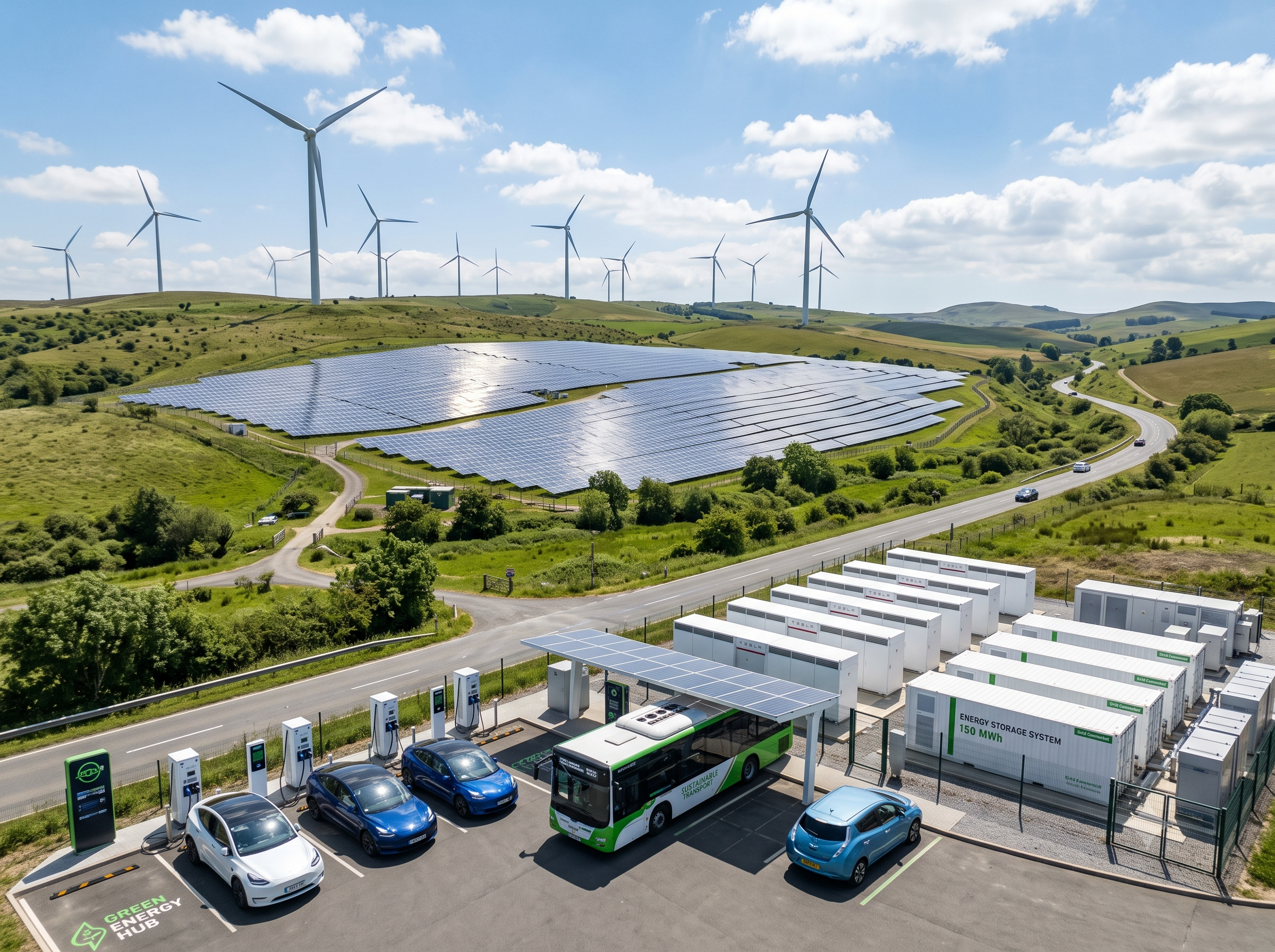
The global energy transition is reshaping the future of industry. Renewable and non-renewable energy sources not only influence how energy is generated but also determine the materials, manufacturing technologies, and supply chains used across various industries. At the heart of this transformation is aluminum—a material recognized for its lightweight structure, durability, corrosion resistance, recyclability, and long service life.
Today, aluminum extrusion, billet production, casting technologies, and surface finishing solutions play a vital role in applications ranging from solar power plants and wind turbines to electric vehicles and energy storage systems. For companies operating in the energy sector, partnering with the right aluminum manufacturer is not only a matter of cost but also a strategic decision that directly impacts long-term performance and reliability.
Understanding the Difference Between Renewable and Non-Renewable Energy Sources
Energy resources are generally classified into two main categories.
Renewable Energy Sources
Renewable energy sources are naturally replenished over time and provide a more sustainable alternative to fossil fuels.
The most common renewable energy sources include:
-
Solar energy
-
Wind energy
-
Hydroelectric power
-
Geothermal energy
-
Biomass energy
-
Tidal and wave energy
As countries pursue carbon neutrality and sustainability goals, investments in renewable energy infrastructure continue to grow worldwide.
Non-Renewable Energy Sources
Non-renewable energy sources are finite resources that cannot be replenished on a human timescale.
These include:
-
Oil
-
Natural gas
-
Coal
-
Nuclear fuels such as uranium
Although these energy sources still account for a significant share of global energy production, environmental concerns and carbon reduction targets are accelerating the transition toward cleaner alternatives.
Why Aluminum Is Essential for the Energy Industry
Materials used in energy systems must meet demanding requirements beyond mechanical strength. Weight, corrosion resistance, thermal conductivity, maintenance needs, and lifecycle costs are equally important considerations.
Aluminum offers significant advantages thanks to its unique properties:
-
Low density and lightweight structure
-
Excellent corrosion resistance
-
High thermal and electrical conductivity
-
Superior formability
-
Long service life
-
100% recyclability
-
Ability to retain its properties through repeated recycling processes
These characteristics make aluminum profiles an ideal choice for structural and functional applications across modern energy projects.
Aluminum in Solar Energy Systems
Photovoltaic (PV) systems rely heavily on aluminum components because of their durability and lightweight nature.
Typical applications include:
-
Solar panel frames
-
Mounting structures
-
Rail systems
-
Installation profiles
-
Inverter housings
-
Cable management systems
The lightweight nature of aluminum provides several advantages:
-
Lower transportation costs
-
Faster installation
-
Reduced structural loads on rooftops
-
Easier maintenance
In addition, aluminum naturally forms a protective oxide layer, offering excellent corrosion resistance even under harsh outdoor conditions.
Among extrusion alloys, EN AW-6060 and EN AW-6063 are widely preferred for solar energy applications due to their excellent surface finish and anodizing capabilities.
The Contribution of Aluminum to Wind Energy Projects
Wind turbines operate under demanding mechanical and environmental conditions.
While steel remains the primary material for towers, aluminum is extensively used in:
-
Maintenance platforms
-
Electrical cabinets
-
Cable trays
-
Ladder systems
-
Cooling equipment
-
Structural accessories
Its combination of low weight and corrosion resistance makes aluminum particularly valuable in offshore wind farms, where exposure to saltwater significantly increases corrosion risks.
Aluminum in Electric Vehicles and Energy Storage Systems
The transition to clean energy is closely linked with the rapid growth of electric mobility.
Reducing vehicle weight is essential for extending battery range and improving overall efficiency.
As a result, aluminum is widely used for:
-
Battery enclosures
-
Cooling plates
-
Structural chassis components
-
Electric motor housings
-
Lightweight structural profiles
Similarly, battery energy storage systems (BESS) utilize aluminum for battery cabinets, supporting frames, cooling systems, and enclosure structures.
These applications require precision extrusion tolerances and high-quality surface finishing to ensure long-term reliability.
Sustainability in Aluminum Production
Primary aluminum production is an energy-intensive process.
However, one of aluminum's greatest sustainability advantages lies in its exceptional recyclability.
Producing recycled aluminum can:
-
Reduce energy consumption by up to 95%
-
Significantly lower carbon emissions
-
Preserve natural resources
-
Minimize industrial waste
For this reason, modern casting facilities increasingly focus on efficient scrap management and optimized billet production processes.
High-quality aluminum billets require strict control of chemical composition, melting parameters, filtration, degassing, grain refinement, and homogenization processes to ensure consistent downstream performance.
Common Aluminum Alloys Used in Energy Applications
| Alloy | Typical Applications | Key Advantages |
|---|---|---|
| EN AW-6060 | Architectural profiles, solar structures | Excellent surface finish |
| EN AW-6063 | Solar mounting systems | Outstanding extrudability and anodizing performance |
| EN AW-6061 | Structural components | High mechanical strength |
| EN AW-6082 | Heavy-duty structural applications | Superior strength and weldability |
| 6000 Series | General energy infrastructure | Excellent balance of strength, corrosion resistance, and machinability |
Selecting the right alloy depends on mechanical requirements, environmental conditions, corrosion exposure, fabrication methods, and finishing requirements.
Advantages of Aluminum Extrusion for Energy Projects
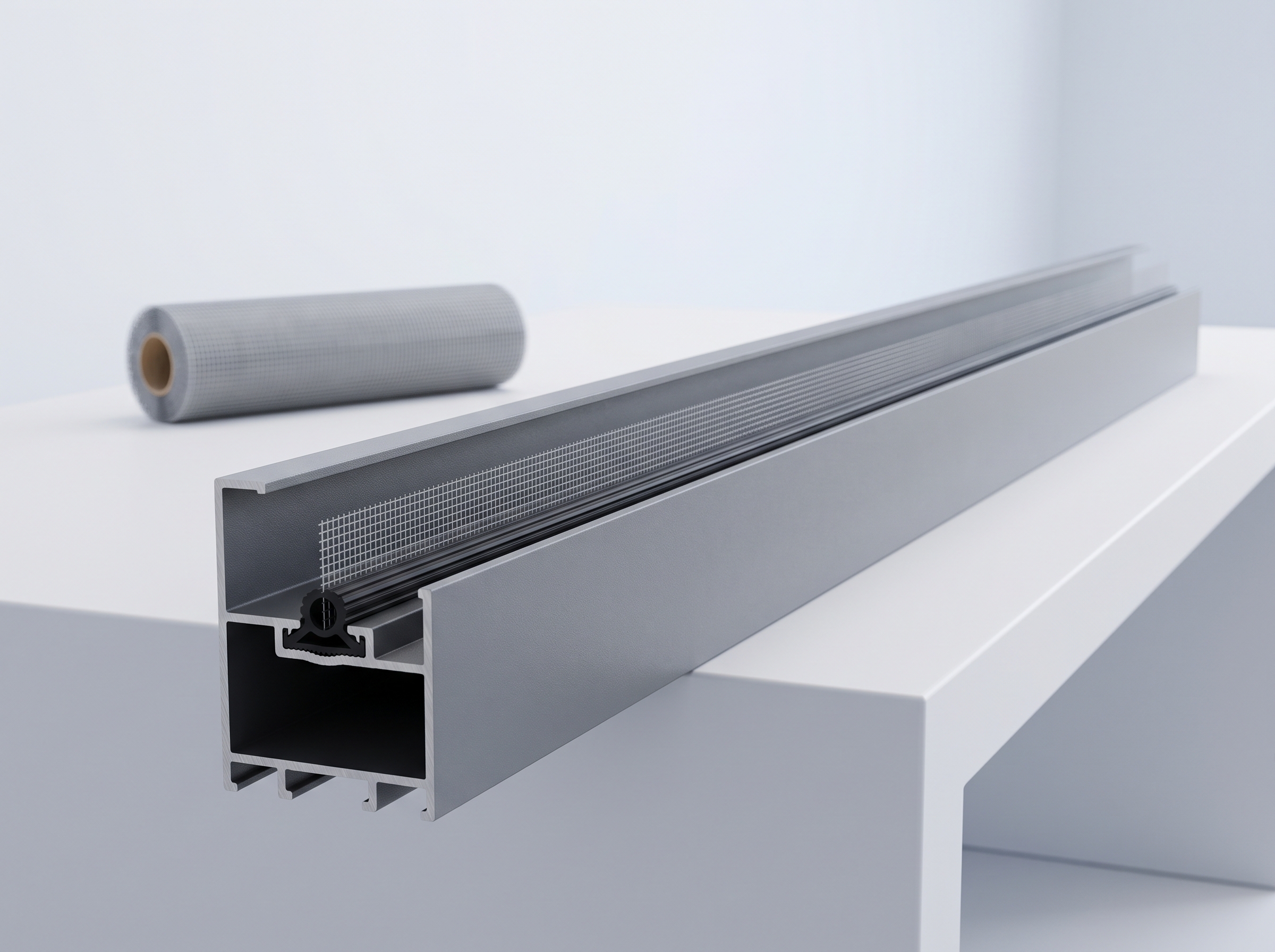
Energy infrastructure often requires customized profiles rather than standard products.
This is where aluminum extrusion offers significant engineering advantages.
Key benefits include:
-
Complex cross-sections produced in a single extrusion
-
Reduced number of assembly components
-
Faster installation
-
Lower overall structural weight
-
High dimensional accuracy
-
Cost-efficient mass production
-
Excellent surface quality
Carefully designed extrusion dies and optimized process parameters enable manufacturers to produce profiles that meet the demanding requirements of the renewable energy industry.
The Importance of Quality Standards
Aluminum products used in energy infrastructure must consistently meet strict quality expectations.
Manufacturers commonly operate according to internationally recognized management systems such as:
-
ISO 9001 Quality Management System
-
ISO 14001 Environmental Management System
-
ISO 45001 Occupational Health and Safety Management System
-
European EN alloy standards
-
Mechanical testing and chemical analysis procedures where required
In addition, dimensional accuracy, surface quality, hardness values, traceability, and process consistency play a critical role, particularly in large-scale energy projects.
Choosing the Right Manufacturing Partner
Energy investments are designed for decades of reliable operation.
Therefore, supplier selection should be based on more than pricing alone.
Key evaluation criteria include:
-
Manufacturing capacity
-
Technical engineering support
-
Alloy availability
-
Quality assurance systems
-
Reliable delivery performance
-
Full production traceability
Manufacturers with integrated expertise in billet casting, aluminum extrusion, surface finishing, and precision processing are often better positioned to deliver consistent quality throughout complex B2B projects.
Engineering support, custom profile development, and production optimization can significantly improve project performance while reducing long-term operating costs.
Aluminum Selection Checklist for Energy Projects
Before sourcing aluminum products for your next energy project, consider the following checklist:
✔ Has the operating environment been evaluated for corrosion?
✔ Is the selected alloy appropriate for the application?
✔ Have structural load calculations been completed?
✔ Is the required surface treatment specified?
✔ Has the profile geometry been optimized?
✔ Does the supplier operate under recognized quality management systems?
✔ Can the manufacturer meet your production schedule?
✔ Are chemical analysis and mechanical test reports available?
✔ Are sustainability and recyclability objectives considered during material selection?
Conclusion
The global energy transition is transforming not only the way energy is produced but also the materials that make modern energy systems possible. As investments in renewable energy continue to accelerate, demand for lightweight, durable, corrosion-resistant, and fully recyclable materials is growing rapidly.
Aluminum has become one of the key materials supporting this transition, with applications spanning solar energy systems, wind power infrastructure, electric vehicles, and energy storage technologies. Selecting the appropriate alloy, ensuring precision extrusion, producing high-quality billets, and maintaining consistent manufacturing standards are all essential factors for achieving long-term project success.
At Biser Aluminum, we support the evolving needs of the energy industry through our expertise in billet production, aluminum extrusion, casting, surface finishing, and profile manufacturing. By combining technical know-how with modern production capabilities, we help our customers develop reliable and efficient aluminum solutions for demanding industrial applications.
If you are looking for technical support, custom aluminum profiles, high-quality billets, or tailored manufacturing solutions for your next energy project, contact Biser Aluminum to discuss your requirements and request a quotation from our engineering team.