How Are Aluminum Prices Calculated? The Role of LME, Premiums and Processing Costs
When purchasing aluminum or requesting a quotation, many buyers focus only on the LME aluminum price. However, the actual selling price is influenced by much more than the London Metal Exchange quotation. Alloy selection, production methods, processing operations, energy costs, and logistics all play a significant role in determining the final price.
This is especially true for aluminum billets, extrusion profiles, and custom aluminum products. Understanding how aluminum prices are calculated enables buyers to compare quotations more accurately and make informed purchasing decisions.
In this article, we explain the key components that make up the price of aluminum products and the factors that influence final quotations.
Aluminum Pricing Is More Than Just the LME Price
The final price of an aluminum product typically consists of several cost components, including:
- LME aluminum price
- Regional premium
- Alloy cost
- Production cost
- Extrusion or casting cost
- Surface treatment
- Machining operations
- Packaging
- Transportation
- Commercial terms and taxes
As a result, two aluminum profiles with the same weight may have significantly different prices depending on their specifications and production processes.
LME: The Global Price Reference
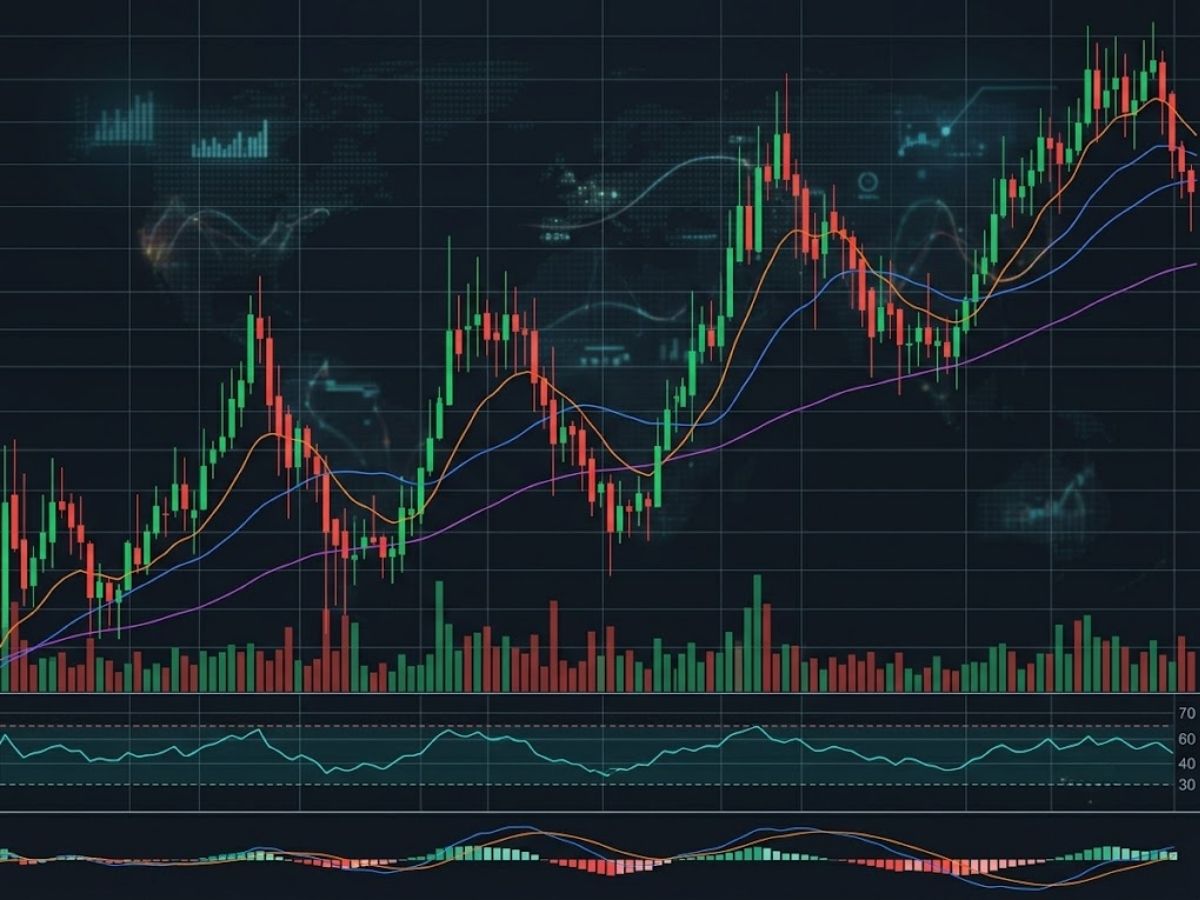
The London Metal Exchange (LME) serves as the primary benchmark for aluminum pricing worldwide.
The daily LME quotation reflects the international market value of primary aluminum. However, it should not be confused with the final selling price offered by manufacturers.
Aluminum producers generally use the LME price as the starting point before adding other cost elements required to manufacture and deliver the finished product.
When LME prices rise, aluminum product prices usually increase as well. Likewise, a decline in LME prices often leads to lower market prices, although other cost factors may offset these changes.
What Is the Aluminum Premium?
One of the first additions to the LME price is the regional premium.
Premiums reflect market conditions beyond the raw material price, including:
- Regional supply and demand
- Import costs
- Freight expenses
- Warehouse availability
- Market conditions
- Material availability
For example, aluminum premiums in Europe may differ significantly from those in Asia or North America.
This is why aluminum buyers in different regions may receive different quotations even when the LME price remains unchanged.
Alloy Selection Directly Affects Pricing
Not all aluminum alloys have the same production cost.
Some of the most commonly used extrusion alloys include:
| Alloy | Typical Applications |
|---|---|
| 6060 | Architectural systems |
| 6063 | Doors, windows and curtain walls |
| 6061 | Engineering and machinery components |
| 6082 | Heavy-duty structural applications |
Each alloy contains different proportions of magnesium, silicon, manganese and other alloying elements. Variations in chemical composition influence raw material costs as well as production complexity.
Consequently, identical profiles manufactured from different alloys can have noticeably different prices.
Manufacturing Processes Add Value—and Cost
The production route also has a significant impact on aluminum pricing.
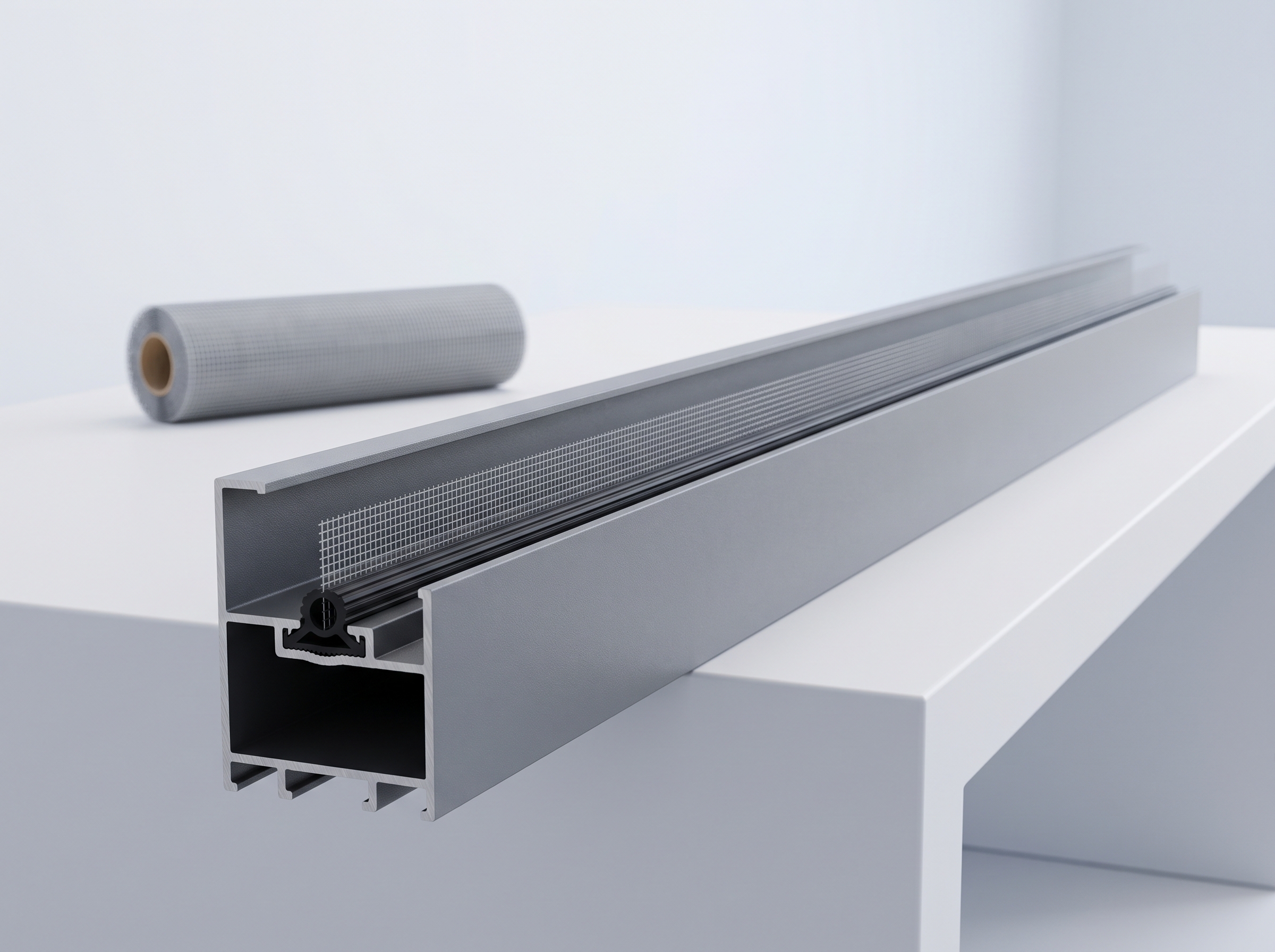
Compared with a simple billet, an extruded aluminum profile requires several additional manufacturing stages, including:
- Die preparation
- Extrusion
- Heat treatment
- Stretching
- Cutting
- Aging
- Quality inspection
Each process requires energy, equipment and skilled labor, all of which contribute to the final production cost.
For this reason, extrusion products cannot be priced based solely on raw material value.
Surface Treatments Increase the Final Price
Aluminum profiles are available with various surface finishes, such as:
- Mill finish
- Anodized
- Powder coated
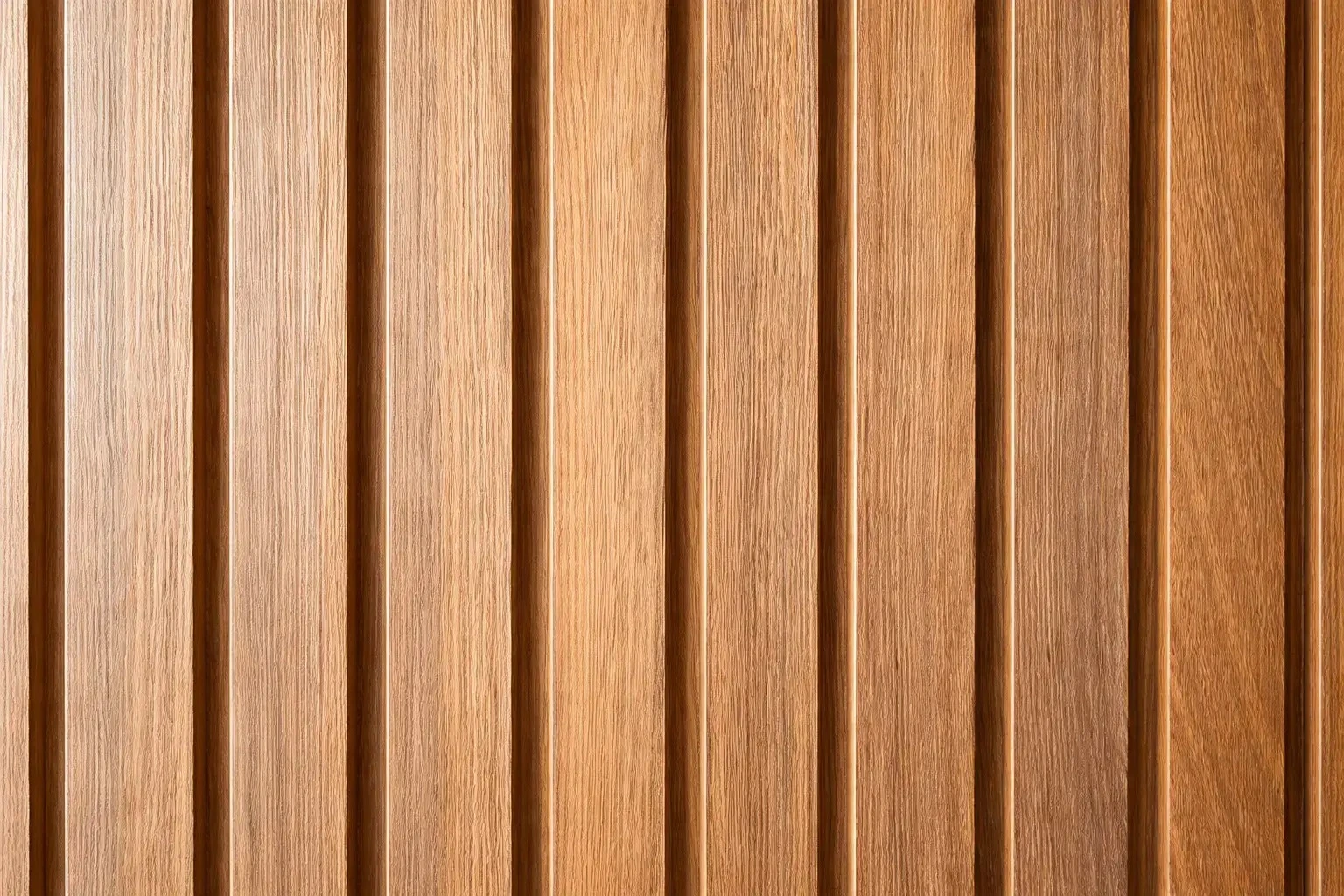
- Wood-grain finish
Each finishing process requires specialized equipment, additional production time and strict quality control.
Although these treatments increase manufacturing costs, they also enhance corrosion resistance, durability and aesthetics, particularly in architectural applications.
Machining Operations Influence Pricing
Many customers require aluminum profiles that are fully machined rather than simply extruded.
Common machining services include:
- CNC machining
- Drilling
- Milling
- Thread tapping
- Precision cutting
- End machining
These operations require additional manufacturing time, specialized machinery and tighter dimensional tolerances, all of which contribute to higher production costs.
Order Volume Matters
The unit price of aluminum products is not determined solely by weight.
For smaller production quantities, fixed manufacturing costs such as:
- Die manufacturing
- Machine setup
- Production losses
are distributed across fewer kilograms, resulting in a higher unit price.
Large production runs improve manufacturing efficiency, allowing suppliers to offer more competitive pricing.
Delivery Terms Affect the Total Cost
Commercial delivery terms also play a major role in aluminum pricing.
For example:
- EXW (Ex Works): Factory pickup only
- FOB (Free on Board): Includes delivery to the export port
- CIF (Cost, Insurance and Freight): Includes ocean freight and insurance
- DAP (Delivered at Place): Includes transportation to the buyer's destination
When comparing quotations, buyers should always ensure that the same Incoterms are being used.
What Should Buyers Compare Besides Price?
Comparing quotations based only on price per kilogram may lead to inaccurate purchasing decisions.
Buyers should also evaluate:
- Aluminum alloy
- Profile dimensions
- Dimensional tolerances
- Surface finish
- Required certifications
- Delivery time
- Minimum order quantity
- Packaging specifications
- Delivery terms
- Die cost
A lower quoted price does not necessarily represent the best overall value.
Transparent Pricing at Biser Aluminum
At Biser Aluminum, we believe that transparent pricing is essential for long-term business partnerships.
Rather than relying solely on LME-based calculations, we prepare quotations by considering alloy selection, technical specifications, production requirements and logistics.
We manufacture aluminum billets and extrusion profiles in 6060, 6061, 6063 and 6082 alloys, offering billet production from 5 to 9 inches in diameter and lengths of up to 6,050 mm. Our integrated production capabilities—including billet casting, extrusion, machining and powder coating—allow us to provide consistent quality, reliable lead times and competitive pricing for customers worldwide.
Conclusion
Aluminum pricing is influenced by far more than the daily LME quotation. Regional premiums, alloy composition, manufacturing processes, surface treatments, machining operations, order volume and delivery terms all contribute to the final cost.
Understanding these factors enables buyers to evaluate quotations more accurately and select suppliers based not only on price but also on quality, technical capability and long-term value.
For manufacturers and international buyers alike, a transparent pricing structure provides greater confidence, better cost management and stronger business relationships.