Properties, Sub-Series, and Applications of 1000 Series Aluminum Alloys
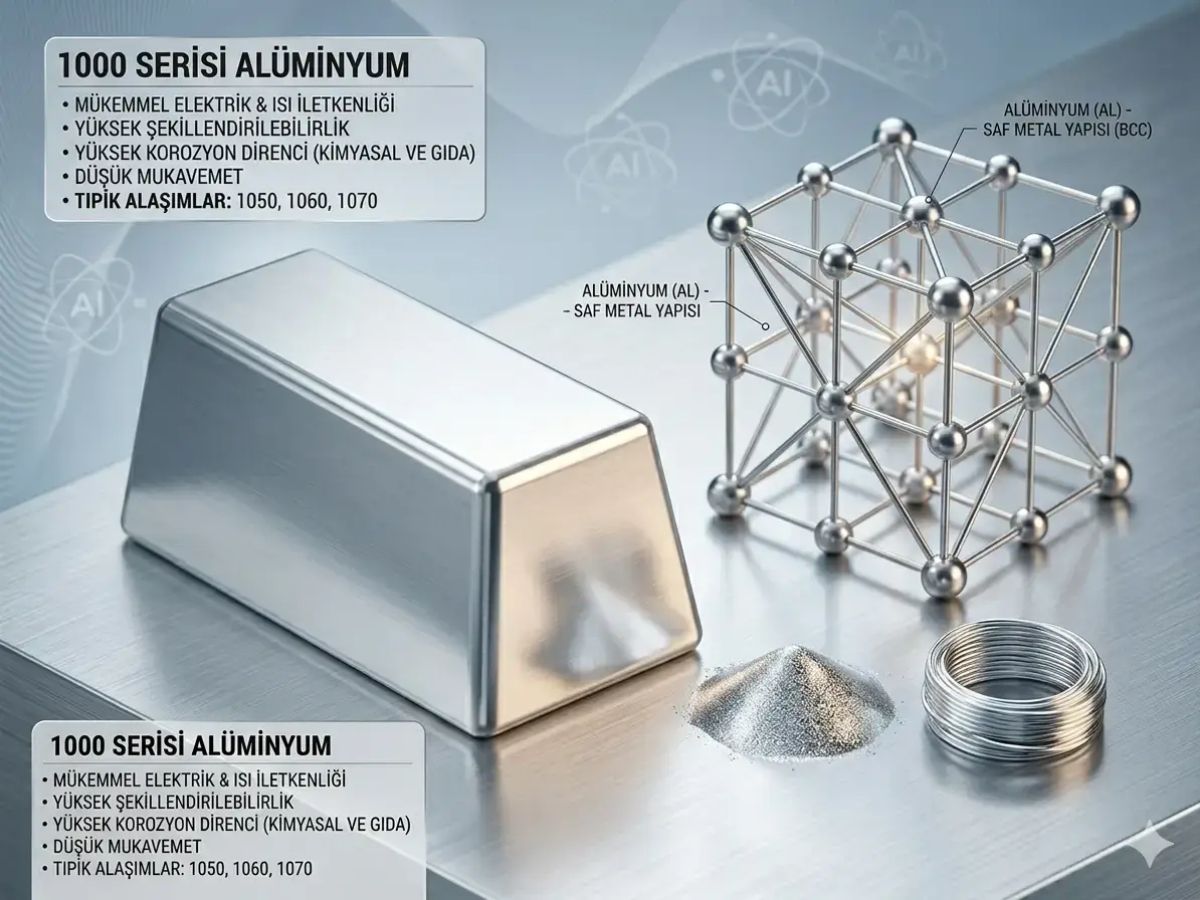
1000 series aluminum is an alloy group with a minimum purity level of 99.0% aluminum, commonly referred to as commercially pure aluminum. Apart from trace amounts of iron and silicon, it contains no significant alloying elements.
Thanks to this structure, the 1000 series offers:
- The highest electrical conductivity among all aluminum series
- Excellent corrosion resistance
- Superior formability
However, its mechanical strength remains lower compared to other aluminum alloy families.
In this guide, we take a detailed look at the technical properties, major sub-series (1050, 1060, 1070, 1100), application areas, and the ideal use cases for 1000 series aluminum alloys.
Technical Properties of 1000 Series Aluminum
The defining characteristic of this series is its chemical purity.
The last two digits of the alloy number indicate the minimum aluminum content:
- 1050 Aluminum: Minimum 99.5% pure aluminum — widely used in foil and electrical conductors
- 1060 Aluminum: Minimum 99.6% pure aluminum — commonly used in busbar systems and chemical tanks
- 1070 Aluminum: Minimum 99.7% pure aluminum — preferred for high-purity electronic components
- 1100 Aluminum: Minimum 99.0% pure aluminum — suitable for general processing and packaging applications
Electrical and Thermal Conductivity
The 1000 series possesses the highest electrical conductivity within the aluminum family.
For example, the electrical conductivity of 1050 aluminum is approximately 62% that of pure copper.
However, aluminum has only about one-third the density of copper. When conductivity is evaluated based on weight, 1000 series aluminum provides a significant advantage over copper.
This is one of the primary reasons aluminum conductors are preferred in:
- High-voltage transmission lines
- Busbar systems
- Electrical power infrastructure
Corrosion Resistance
Pure aluminum naturally forms a thin yet highly stable aluminum oxide layer when exposed to air.
This oxide layer protects the metal from external environmental effects.
Because the 1000 series contains almost no alloying elements, this protective layer forms in its most stable condition, providing:
- Excellent resistance to seawater
- Superior chemical resistance
- Outstanding atmospheric corrosion resistance
Formability and Ductility
The 1000 series is designed not for maximum strength, but for maximum formability.
Its soft and highly ductile structure allows it to:
- Be bent into complex geometries without cracking
- Undergo deep drawing operations
- Be rolled down to ultra-thin foil thicknesses
This flexibility significantly reduces production waste and provides major cost advantages in complex manufacturing operations.
Mechanical Strength
The main limitation of 1000 series aluminum is its relatively low mechanical strength.
Because it contains virtually no strengthening alloying elements, its tensile strength remains well below that of 6000 or 7000 series alloys.
For structural load-bearing applications, alloys such as 6061 or 6063 are far more suitable.
However, in applications where high strength is not required, this characteristic becomes an advantage by enabling superior machinability and formability.
Where Is 1000 Series Aluminum Used?
The high purity of the 1000 series makes it indispensable in many industries thanks to its conductivity and corrosion resistance.
Electrical & Electronics Industry
The most intensive use of 1000 series aluminum can be found in:
- Busbars
- High-voltage transmission lines
- Capacitor foils
- Cable and wire production
Its low electrical resistance and lightweight structure have allowed aluminum to replace heavy copper conductors in many applications, especially in long-distance power transmission systems.
Chemical & Food Industries
Thanks to its excellent corrosion resistance and chemical inertness, 1000 series aluminum is widely used in:
- Chemical storage tanks
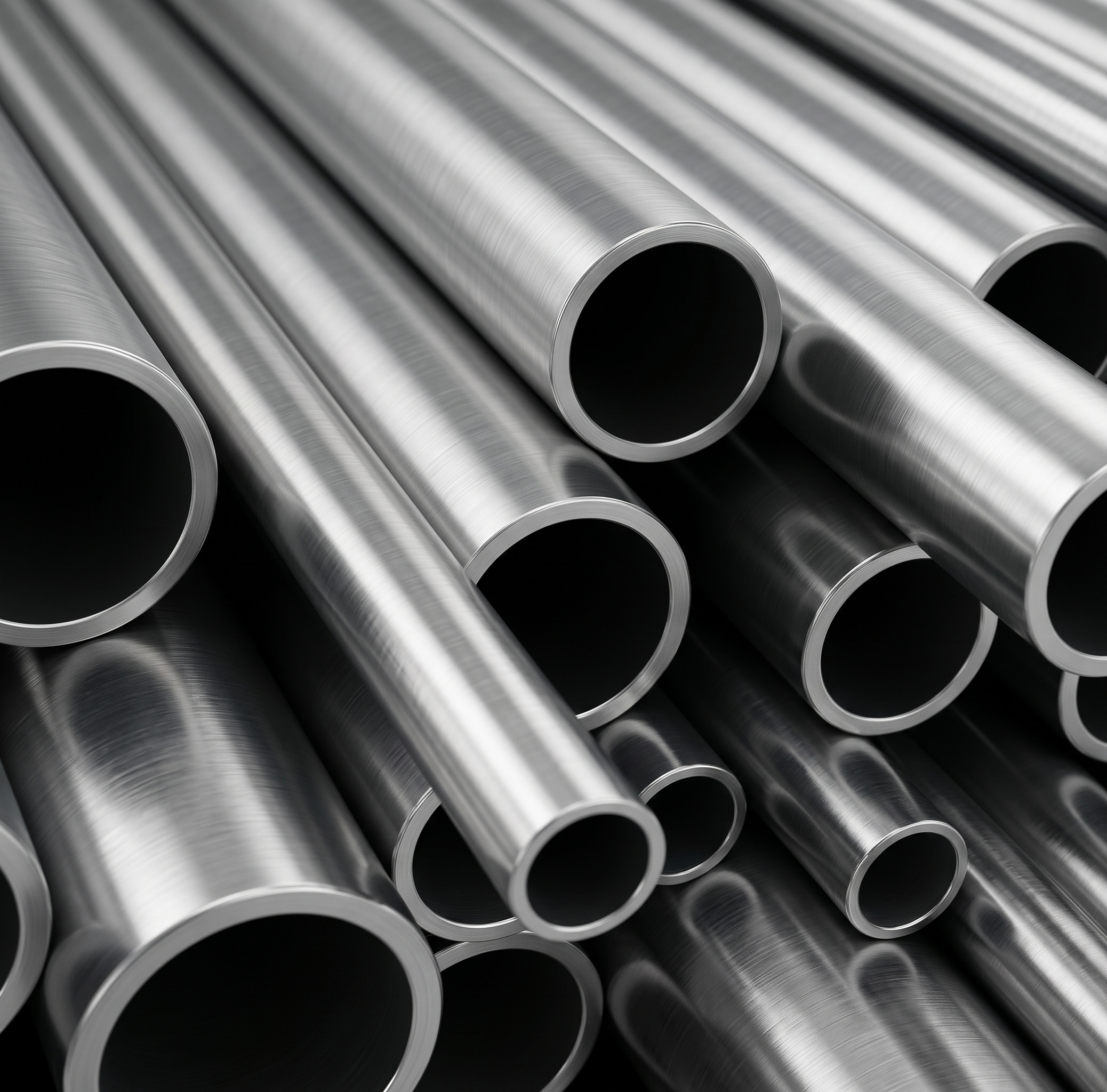
- Pipe systems
- Food processing equipment
Its use in food-contact applications is approved under international standards.
Packaging Industry
The most common everyday form of 1000 series aluminum appears in packaging applications, including:
- Household aluminum foil
- Pharmaceutical blister packaging
- Certain beverage can layers
Its ability to be rolled down to foil thickness is one of its greatest advantages in this sector.
Architecture & Decoration
Due to its high light reflectivity, the 1000 series is commonly used in:
- Mirrors
- Lighting reflectors
- Decorative facade panels
- Traffic signs
- Directional signage systems
Automotive Industry
1000 series aluminum is also used in:
- Heat insulation panels
- Radiator fins
- Interior trim components
Its lightweight structure contributes directly to vehicle weight reduction.
Processability of 1000 Series Aluminum
Among all aluminum alloys, the 1000 series is one of the most flexible for cold forming applications.
It can easily be:
- Rolled into sheets and foil
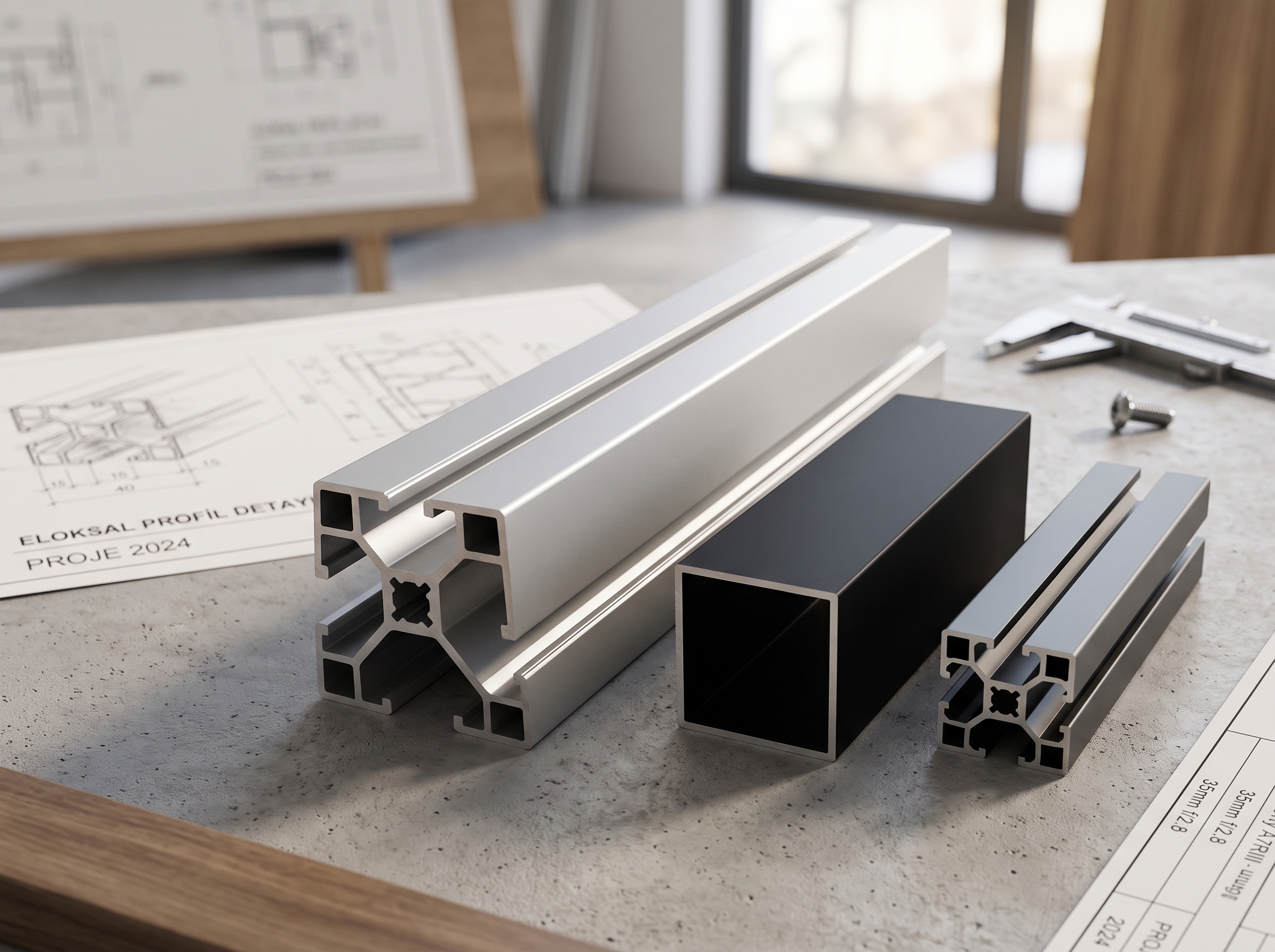
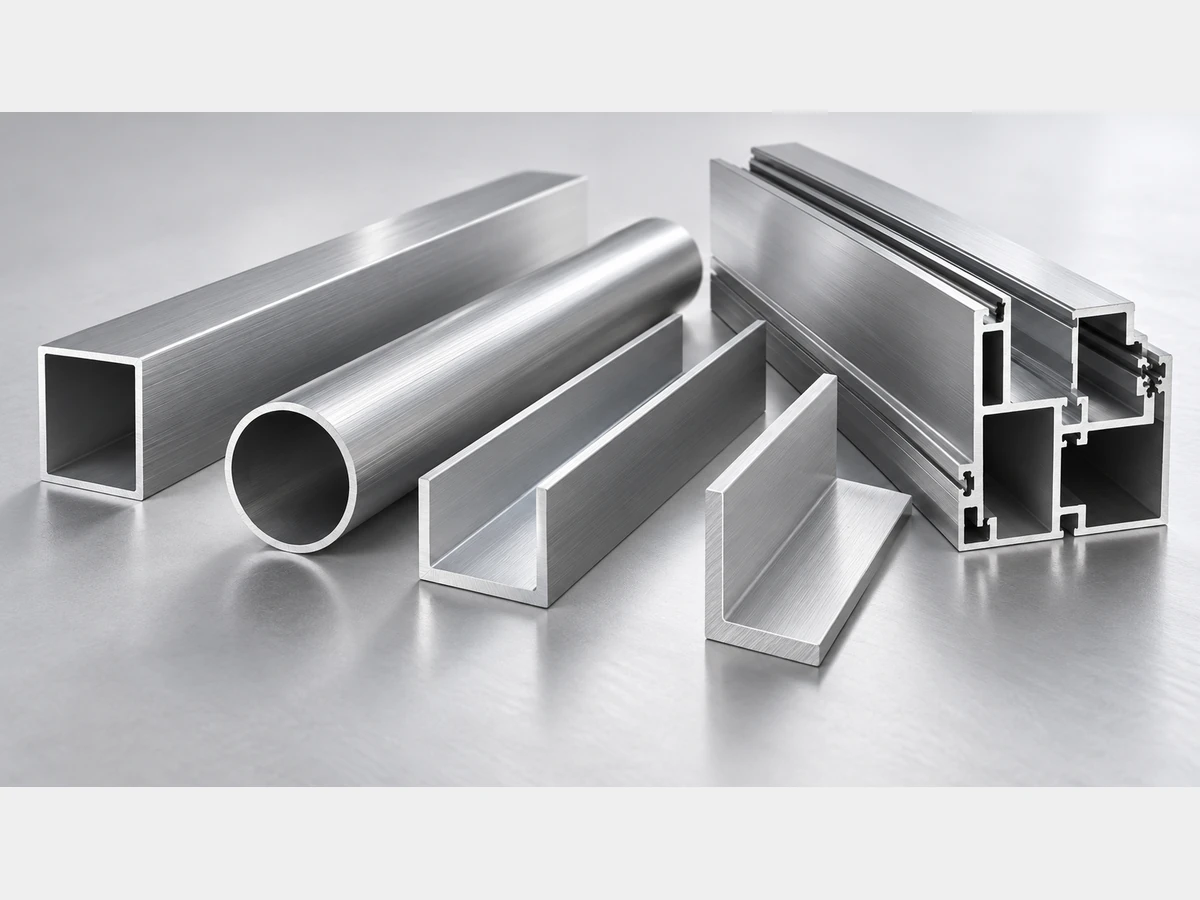
- Extruded into profiles
- Deep drawn into complex shapes
Its high ductility enables successful processing even in operations where other alloy series may crack or fail.
This reduces scrap rates and directly lowers production costs.
Weldability
Weldability is another major strength of the 1000 series.
It can easily be joined using:
- TIG welding
- MIG welding
Since the base material itself already has relatively low strength, strength reduction in the weld zone is generally not a critical issue.
Brief History: How Did 1000 Series Aluminum Emerge?
Interest in pure aluminum dates back to the second half of the 19th century, when aluminum became commercially producible.
In 1886, Charles Martin Hall and Paul Héroult independently developed the electrolytic production method that enabled large-scale aluminum manufacturing at affordable costs.
The first commercially produced aluminum materials were naturally part of what we now call the 1000 series, since alloy technology had not yet evolved.
Over time, engineers realized that the exceptional conductivity and corrosion resistance of pure aluminum made it ideal for specific industrial applications.
Today, the 1000 series remains one of the foundational materials of the aluminum industry.
1000 Series or Other Aluminum Series? A Selection Guide
The 1000 series is not suitable for every application.
You can use the following guide when selecting the right alloy:
- If high electrical conductivity is the priority → 1000 Series (1050, 1060, 1070)
- If excellent surface finish and anodizing are required → 6063 Series
- If high mechanical strength and weldability are required → 6061 Series
- If aerospace-grade ultra-high strength is needed → 7000 Series
Although the 1000 series falls behind in terms of mechanical strength, it remains unmatched in applications prioritizing conductivity and formability.
Frequently Asked Questions About 1000 Series Aluminum
Is 1000 Series Aluminum Magnetic?
No.
Like all aluminum alloys, the 1000 series is non-magnetic.
This makes it suitable for electronic applications where electromagnetic interference may be a concern.
Can 1000 Series Aluminum Be Heat Treated?
No.
1000 series aluminum cannot be strengthened through heat treatment.
Its strength can only be increased slightly through cold working (strain hardening).
For high-strength requirements, 6000 or 7000 series alloys should be preferred.
What Is the Difference Between 1050 and 1060 Aluminum?
- 1050 aluminum contains a minimum of 99.5% aluminum
- 1060 aluminum contains a minimum of 99.6% aluminum
Because 1060 provides slightly higher electrical conductivity, it is preferred in:
- Busbar systems
- Power transmission applications
Meanwhile, 1050 is more common in:
- Aluminum foil
- General-purpose applications
Can 1000 Series Aluminum Be Used in Food-Contact Applications?
Absolutely.
Thanks to its chemical inertness and low toxicity risk, 1000 series aluminum is approved under international standards for use in:
- Food packaging
- Food processing equipment
How Does the Price of 1000 Series Aluminum Compare to Other Series?
Generally, the 1000 series is more affordable than many other alloy families.
Because it contains almost no additional alloying elements, raw material costs remain lower.
However, final pricing still depends on:
- Purity level
- Dimensional tolerances
- Order quantity
Conclusion
1000 series aluminum alloys may not appear flashy, but they are among the most functional materials in the aluminum industry.
With:
- Excellent electrical conductivity
- Outstanding corrosion resistance
- Exceptional formability
they serve as essential materials in the electrical, electronics, packaging, chemical, and architectural sectors.
Understanding the limitations of this series — especially regarding mechanical strength — is just as important as understanding its technical advantages when selecting the right material for a project.
If you would like technical support in selecting the most suitable 1000 series alloy for your applications, our expert team will be happy to assist you.