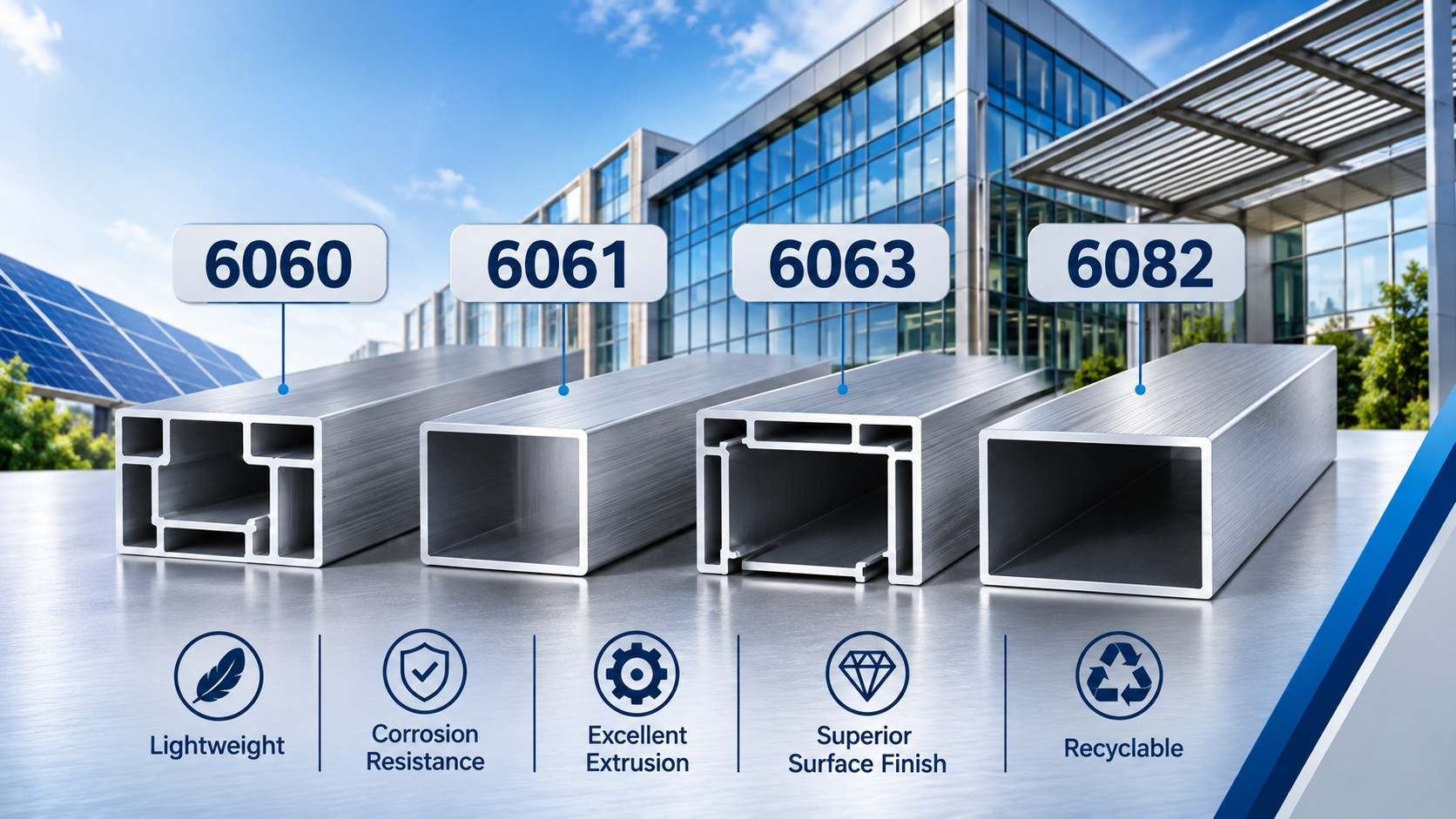
What Are the Differences Between 6060, 6061, 6063 and 6082 Aluminium Alloys?
Aluminium is an important engineering material used in many industries, including construction, automotive, machinery, transportation and architectural systems, thanks to its lightweight properties, corrosion resistance and adaptability to different manufacturing processes. However, not all aluminium alloys offer the same mechanical properties, surface quality or manufacturing capabilities.
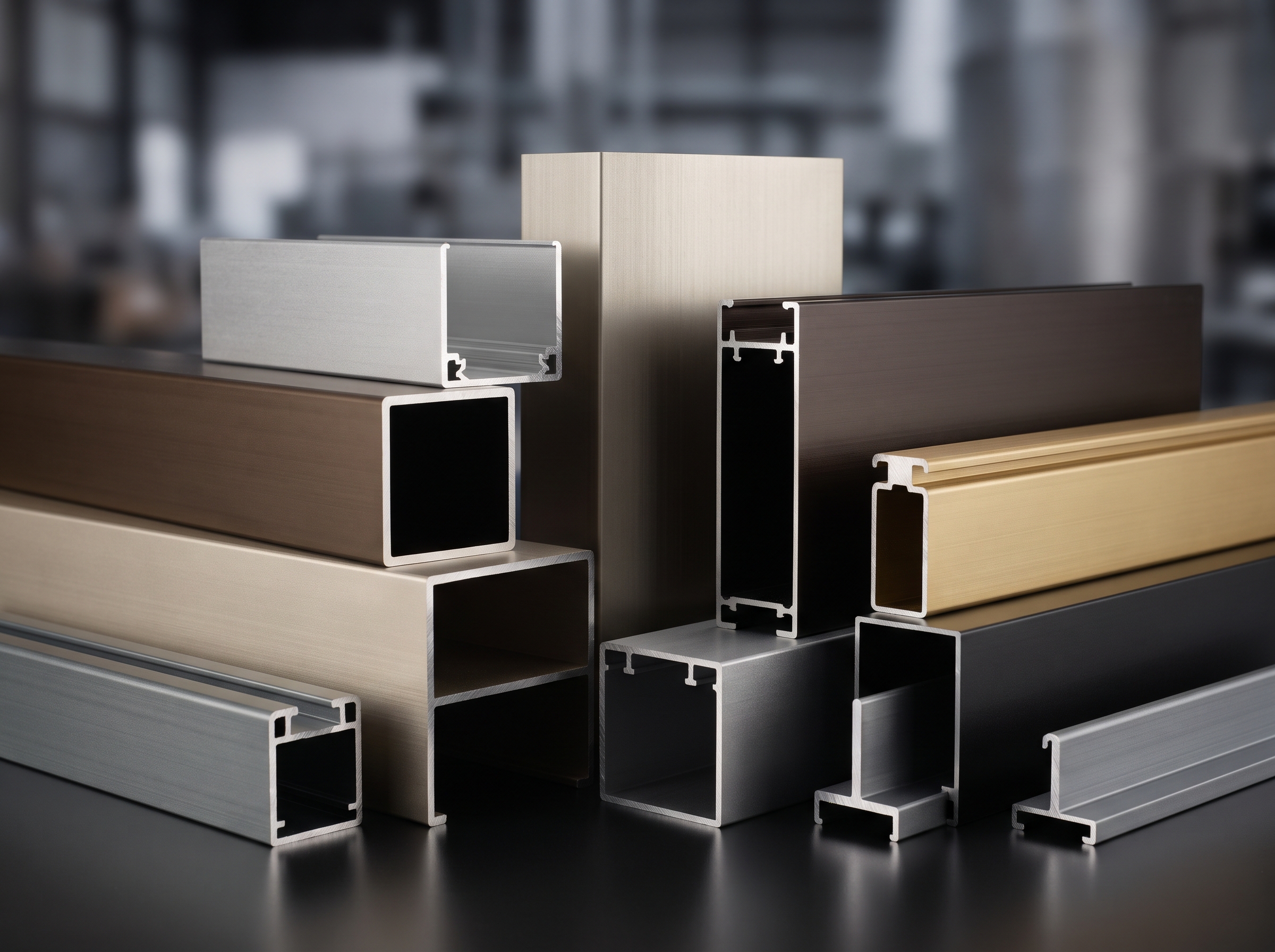
6060, 6061, 6063 and 6082 are among the most commonly used alloys, particularly in aluminium profiles manufactured through the extrusion process. All four belong to the 6000 series and primarily contain magnesium (Mg) and silicon (Si). However, differences in their chemical compositions affect properties such as strength, formability, surface quality and machinability.
So, what are the main differences between 6060, 6061, 6063 and 6082 aluminium alloys? Which alloy is suitable for architectural profiles, and which is better suited to applications requiring higher mechanical strength?
In this article, we compare four widely used aluminium alloys in terms of their technical properties and applications.
1. What Are 6000 Series Aluminium Alloys?
6000 series aluminium alloys are heat-treatable alloys whose primary alloying elements are magnesium and silicon. Under suitable heat-treatment conditions, these two elements form magnesium silicide (Mg₂Si) precipitates, increasing the mechanical strength of the alloy.
One of the key characteristics of this series is its balanced combination of mechanical strength and manufacturability. For this reason, 6000 series alloys are widely used in the aluminium extrusion industry.
The main characteristics of 6000 series alloys include:
-
Good corrosion resistance
-
The ability to improve mechanical properties through heat treatment
-
Suitability for extrusion manufacturing
-
Good machinability
-
Weldability under appropriate conditions
-
A wide range of architectural and industrial applications
Although 6060, 6061, 6063 and 6082 belong to the same alloy series, they are designed to meet different manufacturing and performance requirements.
2. What Is 6060 Aluminium Alloy?
6060 aluminium is a 6000 series alloy particularly known for its extrusion performance and surface quality. It is preferred for manufacturing profiles with complex cross-sections, thin walls and detailed geometries.
Its good formability allows different profile designs to be produced through extrusion. It also offers suitable characteristics for decorative surface treatments.
Key characteristics of 6060 alloy:
-
Good extrudability
-
Suitable for producing profiles with complex cross-sections
-
Good surface quality
-
Good corrosion resistance
-
Suitable for surface treatments such as anodising and powder coating
-
Widely used in architectural applications
Where is 6060 alloy used?
-
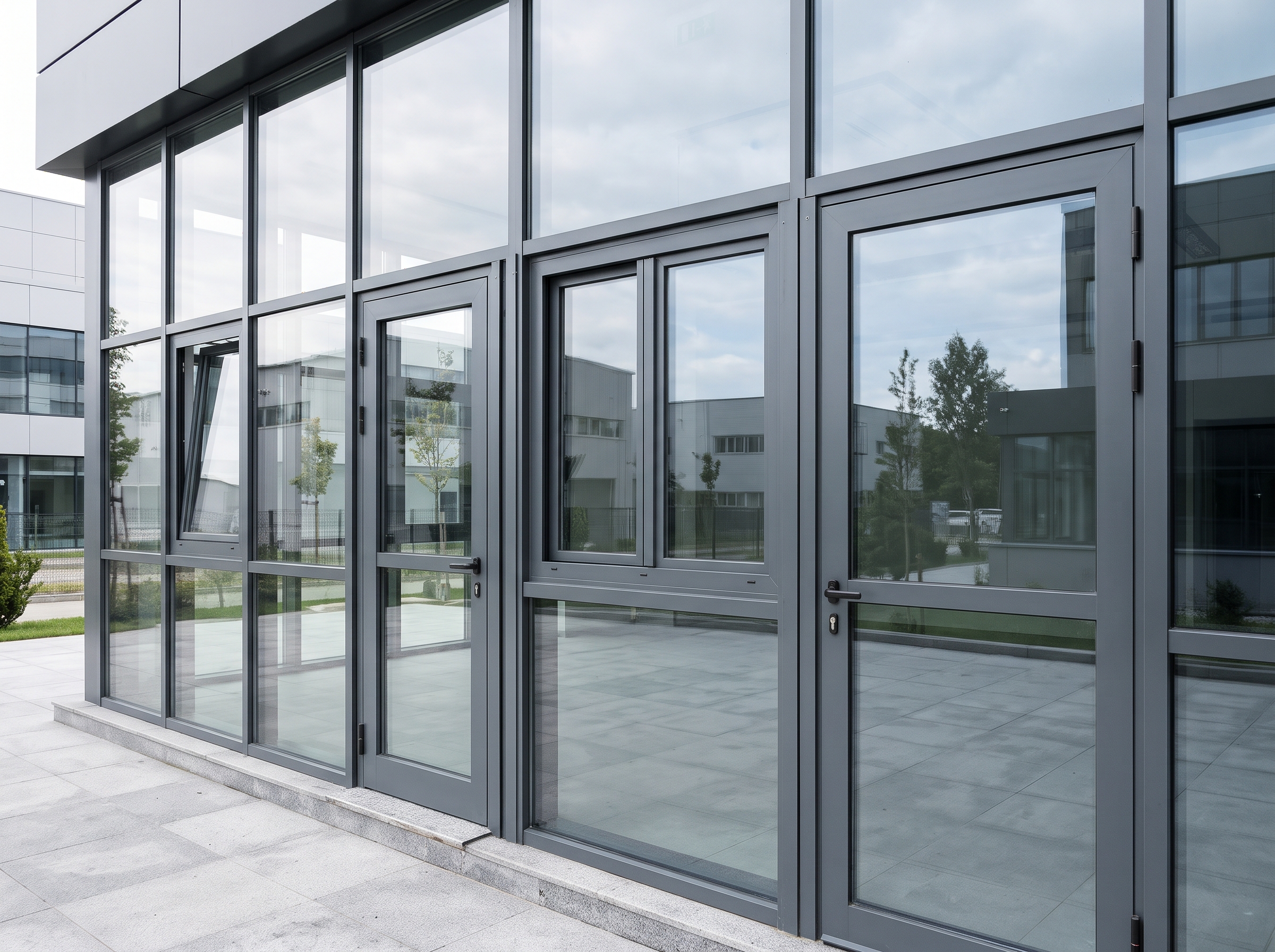
Door and window profiles
-
Façade systems
-
Decorative aluminium profiles
-
Furniture and interior systems
-
Lighting profiles
-
General-purpose architectural extrusion products
6060 is one of the alloys considered for applications where profile geometry is complex and surface appearance is important.
3. What Is 6061 Aluminium Alloy?
6061 aluminium alloy is known for its good mechanical strength, machinability and versatility. In addition to magnesium and silicon, it contains controlled amounts of copper, which is an important factor influencing its mechanical properties.
6061 is preferred particularly in applications where strength and manufacturing flexibility are both required. It can be processed through extrusion, rolling and other forming methods.
Key characteristics of 6061 alloy:
-
Good mechanical strength
-
Good machinability
-
Increased strength through heat treatment
-
Weldability under appropriate conditions
-
Good corrosion resistance
-
Adaptability to various industrial applications
Where is 6061 alloy used?
-
Machinery and equipment components
-
Automotive components
-
Transportation systems
-
Industrial structures
-
Machined aluminium parts
-
Profiles requiring mechanical strength
6061 stands out particularly in applications where machining operations and mechanical performance are important. However, alloys such as 6060 or 6063 may be more suitable for manufacturing very thin-walled and complex architectural profiles.
4. What Is 6063 Aluminium Alloy?
6063 aluminium alloy is one of the best-known alloys used in architectural extrusion applications. Thanks to its good surface quality, corrosion resistance and extrudability, it is particularly preferred for profiles where visible surfaces are important.
In addition to enabling the production of complex profile geometries, 6063 is also suitable for surface treatments such as anodising and electrostatic powder coating.
Key characteristics of 6063 alloy:
-
Good extrudability
-
High surface quality
-
Suitable for decorative anodising applications
-
Good corrosion resistance
-
Widely used in architectural profile manufacturing
-
Good formability
Where is 6063 alloy used?
-
Aluminium door and window systems
-
Curtain wall profiles
-
Architectural decorative profiles
-
Railing and handrail systems
-
Furniture profiles
-
Interior and exterior building components
6063 is particularly preferred in architectural projects where aesthetics, surface quality and profile design are key considerations.
5. What Is 6082 Aluminium Alloy?
6082 aluminium alloy is one of the 6000 series alloys used in applications requiring higher mechanical strength. In addition to magnesium and silicon, it contains manganese, which plays an important role in its mechanical properties.
6082 can offer high strength in suitable heat-treatment conditions, particularly in the T6 temper, and is therefore used in structural and industrial applications.
Key characteristics of 6082 alloy:
-
High mechanical strength
-
Good machinability
-
Good corrosion resistance
-
Weldability under appropriate conditions
-
Suitable for structural applications
-
Suitable for load-bearing components
Where is 6082 alloy used?
-
Machine frames and load-bearing components
-
Industrial structures
-
Transportation equipment
-
Bridges and structural components
-
Load-bearing aluminium parts
-
Heavy-duty industrial profiles
6082 can be considered for applications where mechanical strength and structural performance are more important than surface appearance. However, profile geometry and extrusion conditions also affect its manufacturability.
6. Key Differences Between 6060, 6061, 6063 and 6082
The main differences between these four alloys relate to their chemical compositions, mechanical strength, extrudability and surface quality.
The table below provides a general comparison of their characteristics.
| Property | 6060 | 6061 | 6063 | 6082 |
|---|---|---|---|---|
| Main alloying elements | Mg, Si | Mg, Si, Cu | Mg, Si | Mg, Si, Mn |
| Mechanical strength | Medium | High | Medium | High |
| Extrudability | Very good | Good | Very good | More limited |
| Surface quality | Very good | Good | Very good | Relatively more limited |
| Machinability | Good | Very good | Good | Very good |
| Architectural applications | Common | Application-dependent | Very common | More limited |
| Structural applications | Moderate | Common | Moderate | Common |
Important: The table provides a general overview of the alloys' characteristics. Actual mechanical properties vary depending on the temper condition, such as T5 or T6, product form, cross-sectional thickness and the requirements of the applicable standard.
Comparison in Terms of Mechanical Strength
Mechanical strength is one of the most important criteria when selecting an aluminium alloy. Tensile strength and yield strength must be considered, particularly for load-bearing profiles.
In general, 6082 and 6061 are preferred for applications requiring higher mechanical strength compared with 6060 and 6063. By contrast, 6060 and 6063 offer a balanced solution between the strength requirements of architectural profiles and the demands of manufacturing and surface quality.
However, the load-bearing capacity of a profile cannot be determined solely by its alloy designation. Profile cross-section, wall thickness, temper condition, connection method and operating conditions must all be evaluated together.
Comparison in Terms of Extrudability
Extrudability refers to the ability of aluminium to pass through a die and form a profile with the desired cross-sectional geometry.
6060 and 6063 generally offer advantages in the production of thin-walled profiles and complex geometries. Due to their higher alloying content and different mechanical properties, 6061 and 6082 may require more careful control of manufacturing parameters.
Therefore, profile design, press capacity, billet characteristics and production conditions should all be considered when selecting an alloy.
Comparison in Terms of Surface Quality
Surface quality is a decisive factor in architectural applications where visible surfaces are important.
6060 and 6063 are preferred particularly for decorative surface treatments and architectural profile applications. 6061 and 6082 can also undergo suitable surface treatments; however, the results obtained from decorative anodising depend on the alloy's chemical composition and manufacturing conditions.
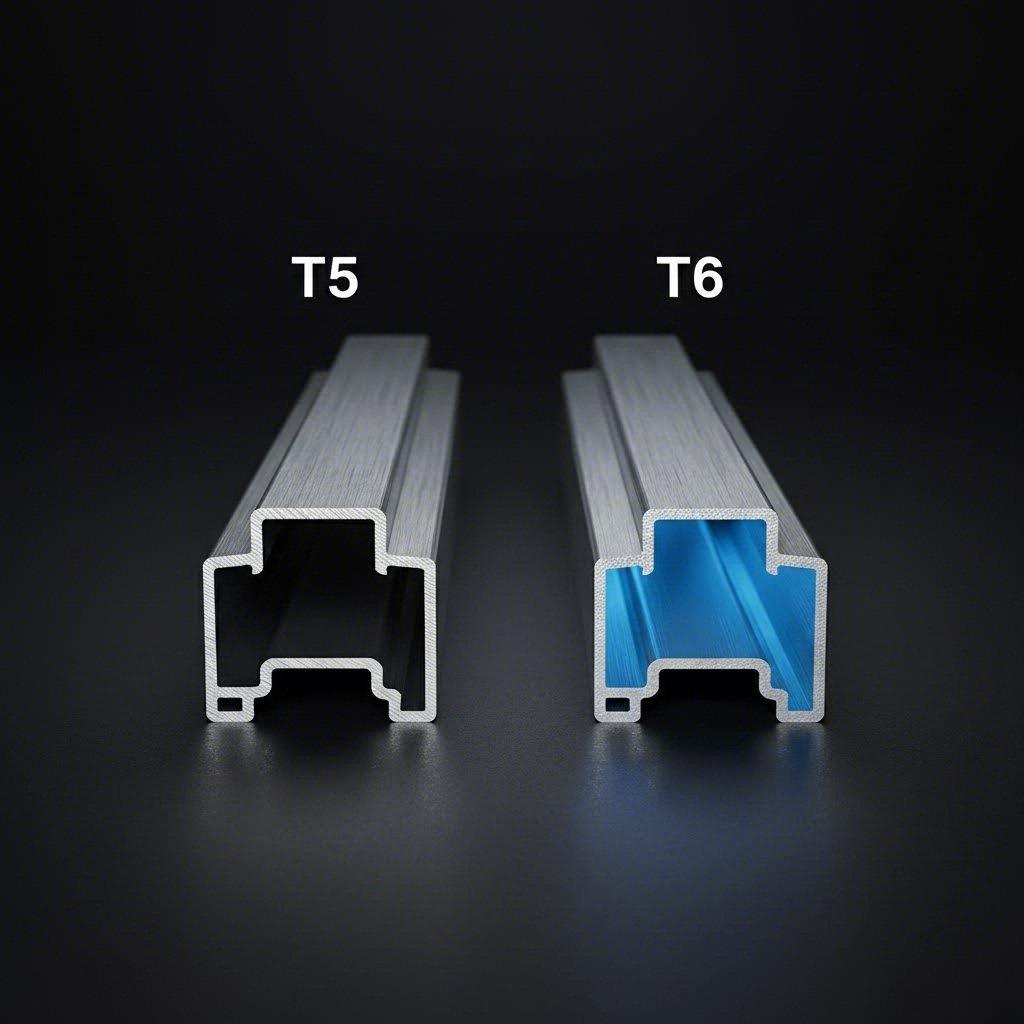
7. How Do T5 and T6 Heat-Treatment Tempers Affect Alloy Selection?
The mechanical properties of an aluminium alloy depend not only on its chemical composition. Heat treatments applied after manufacturing and the resulting temper condition also directly affect the material's performance.
Two common temper conditions for 6000 series aluminium alloys are T5 and T6.
T5 temper: After the aluminium has been shaped at an elevated temperature, it is cooled under controlled conditions and then artificially aged.
T6 temper: The aluminium undergoes solution heat treatment, is cooled appropriately and then artificially aged.
The main difference between T5 and T6 lies in the heat-treatment process applied. Both tempers determine the mechanical properties of the alloy. However, the resulting strength values vary depending on the alloy, product cross-sectional thickness and applicable standard.
For this reason, specifying only the alloy designation—6060, 6061, 6063 or 6082—may not be sufficient in technical orders. The required temper condition should also be clearly stated.
8. Which Aluminium Alloy Should Be Used for Which Application?
The right alloy selection depends on the technical requirements of the project. Choosing the alloy with the highest strength is not always the best approach for every application. Manufacturability, surface appearance, machining requirements and cost should also be considered.
A general selection guide is provided below:
| Application requirement | Alloys to consider |
|---|---|
| Complex architectural extrusion profiles | 6060 / 6063 |
| Door and window systems | 6060 / 6063 |
| Decorative surface quality | 6060 / 6063 |
| Components requiring high mechanical strength | 6061 / 6082 |
| Machinery and equipment components | 6061 / 6082 |
| Structural and load-bearing applications | 6082 / 6061 |
This table provides general guidance. The final alloy selection should be based on the project's engineering calculations and the applicable product standard.
9. What Should Be Considered When Selecting an Aluminium Alloy?
The right alloy should not be selected solely according to the intended application. Many factors, from the manufacturing process to the final operating conditions, must be taken into account.
The following criteria should be evaluated during alloy selection:
-
Mechanical strength: The loads the profile must carry and its operating conditions should be determined.
-
Profile geometry: Cross-sectional complexity, wall thickness and dimensions should be suitable for the extrusion process.
-
Surface treatment: Suitability for anodising, electrostatic powder coating or other decorative applications should be assessed.
-
Machinability: Cutting, drilling, milling and other machining operations should be considered.
-
Corrosion resistance: The operating environment, moisture and chemical exposure should be taken into account.
-
Heat-treatment condition: The appropriate temper should be specified according to the required mechanical properties.
-
Standards and tolerances: Chemical composition, mechanical properties and dimensional tolerances should be defined in accordance with the relevant product standard.
Particularly in industrial and architectural projects, determining the alloy during the design stage helps make the manufacturing process more efficient.
10. Frequently Asked Questions
What is the difference between 6060 and 6063 aluminium?
6060 and 6063 are two aluminium alloys commonly used in architectural extrusion applications. Both offer good extrudability and surface quality. However, they differ in chemical composition and mechanical properties. 6063 is particularly known for its surface quality in architectural applications, while 6060 is also widely used to produce profiles with complex cross-sections.
Is 6061 stronger than 6063?
In general, 6061, particularly in the T6 temper, offers higher mechanical strength than 6063. However, an accurate comparison requires consideration of the product form, temper condition and mechanical property values specified in the applicable standard.
Why is 6082 aluminium preferred?
6082 is preferred for structural and industrial applications requiring high mechanical strength. Machine components, load-bearing parts and transportation equipment are among its typical applications.
Can 6060 and 6063 aluminium be anodised?
Yes. 6060 and 6063 are commonly used for decorative anodising applications. However, the appearance of the anodised surface is influenced by the alloy's chemical composition, manufacturing quality and the parameters of the surface-treatment process.
Are 6061 and 6082 aluminium suitable for extrusion?
Yes. Both alloys can be manufactured through the extrusion process. However, due to their mechanical properties and chemical compositions, press conditions, profile geometry and manufacturing parameters must be carefully evaluated.
Do 6060, 6061, 6063 and 6082 alloys have different densities?
The densities of these four alloys are very similar, at approximately 2.70 g/cm³. Therefore, alloy selection is based more on criteria such as mechanical strength, manufacturability and surface properties than on weight.
Conclusion: The Right Aluminium Alloy Should Be Selected for the Right Application
6060, 6061, 6063 and 6082 are important 6000 series aluminium alloys that meet different technical requirements.
6060 and 6063 stand out for their extrudability, surface quality and performance in architectural applications. 6061 offers a balanced combination of mechanical strength and machinability. 6082, on the other hand, is considered for structural and industrial applications requiring higher strength.
Selecting the right alloy directly affects product performance, manufacturing efficiency and long-term service life. For this reason, chemical composition, temper condition, mechanical properties, profile geometry and final operating conditions should all be considered together.
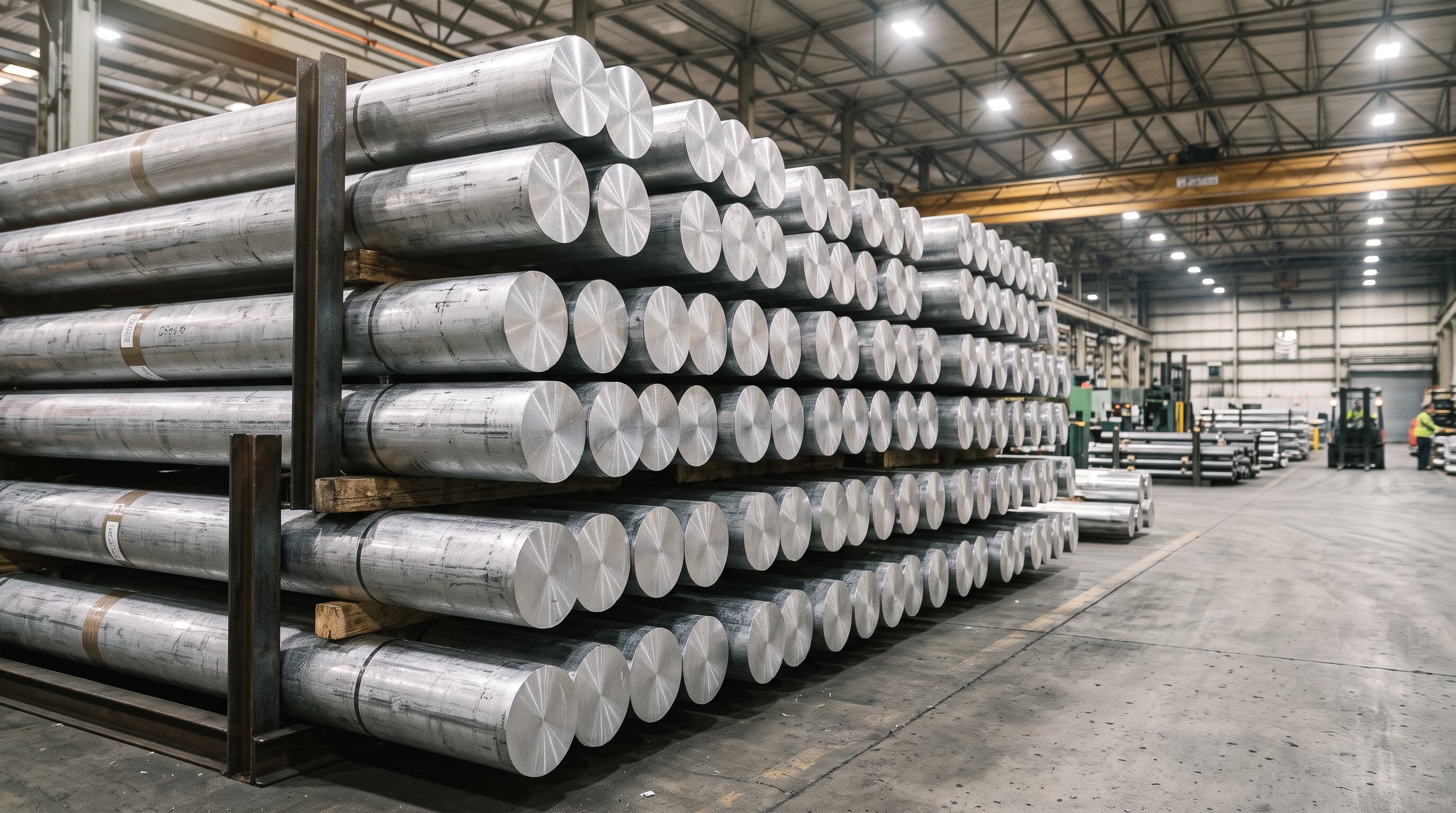
Biser Aluminium aims to meet the requirements of different architectural and industrial applications through the production and supply of 6000 series aluminium alloys, including 6060, 6061, 6063 and 6082. Contact us to learn more about our aluminium billet and extrusion profile solutions.