Vertical Aluminum Powder Coating Line: System, Advantages, and Quality Control
Aluminum surface finishing plays a critical role in determining both the appearance and long-term performance of extruded profiles. Among the most advanced finishing technologies available today, the vertical aluminum powder coating line is widely preferred for architectural systems, curtain walls, automotive components, solar energy structures, industrial profiles, and many other applications.
A well-designed vertical powder coating line delivers consistent coating thickness, superior surface quality, high production efficiency, and lower defect rates while meeting international quality standards. This article explains how a vertical aluminum powder coating line works, how it differs from horizontal systems, its key advantages, and the quality control processes that ensure reliable, long-lasting coated aluminum profiles.
What Is a Vertical Aluminum Powder Coating Line?
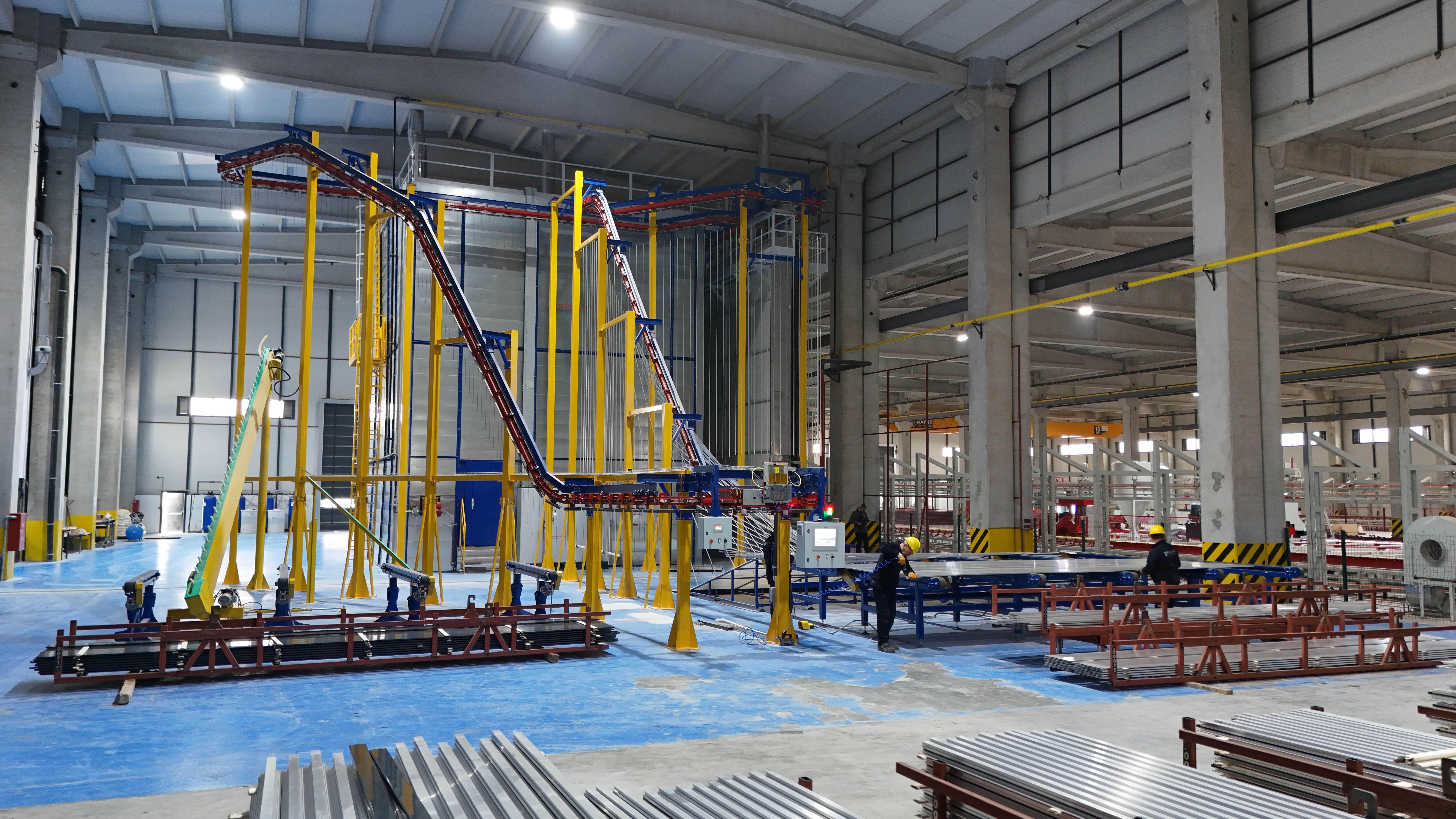
A vertical aluminum powder coating line is an automated production system where aluminum profiles are suspended vertically and coated using electrostatic powder coating technology.
Unlike horizontal systems, the profiles travel through the entire finishing process while remaining in a vertical position. This production method improves coating consistency and minimizes defects, especially for long aluminum extrusions.
A typical vertical coating process includes the following stages:
- Profile loading
- Surface preparation
- Chemical pretreatment
- Rinsing
- Drying
- Electrostatic powder coating
- Curing
- Cooling
- Quality inspection
Because the profiles remain vertical throughout the process, coating distribution is more uniform and the risk of surface imperfections is significantly reduced.
How Does a Vertical Aluminum Powder Coating Line Work?
Producing a durable powder-coated aluminum profile involves much more than simply applying paint. Every production stage must be carefully controlled to achieve excellent adhesion, corrosion resistance, and appearance.
1. Profile Loading
After the extrusion process, aluminum profiles are mounted vertically onto specially designed hanging racks.
Proper hanging is essential because it directly affects coating quality. During this stage, manufacturers consider:
- Electrical conductivity
- Profile stability
- Contact points
- Production efficiency
Incorrect hanging may result in uneven coating thickness or uncoated areas.
2. Chemical Pretreatment
Before powder coating, the aluminum surface must be completely cleaned and prepared to ensure proper coating adhesion.
Typical pretreatment processes include:
- Degreasing
- Rinsing
- Deoxidizing
- Conversion coating (typically chrome-free pretreatment)
Today, environmentally friendly chrome-free pretreatment systems are becoming the industry standard due to increasing environmental regulations and sustainability requirements.
Surface preparation is one of the most critical factors affecting the durability of the finished coating.
3. Drying
Following chemical pretreatment, all remaining moisture must be removed from the aluminum surface before powder application.
Insufficient drying can cause defects such as:
- Blistering
- Pinholes
- Poor adhesion
- Surface contamination
A controlled drying process ensures the surface is ready for high-quality coating.
4. Electrostatic Powder Coating
Inside the coating booth, electrostatic spray guns apply charged powder particles onto the grounded aluminum profiles.
This technology offers several advantages:
- High transfer efficiency
- Reduced powder waste
- Uniform coating thickness
- Excellent edge coverage
Modern coating lines typically combine automatic spray guns with manual touch-up stations to achieve optimal coverage for complex profile geometries.
5. Curing
After coating, the profiles enter the curing oven where the powder melts, flows, and chemically cross-links into a durable finish.
Proper curing provides:
- High mechanical strength
- Excellent adhesion
- Chemical resistance
- Weather resistance
The curing temperature and dwell time must always comply with the powder manufacturer's technical specifications to ensure maximum coating performance.
6. Cooling and Inspection
Once curing is complete, the coated profiles are cooled under controlled conditions before inspection.
Quality control typically includes checking:
- Film thickness
- Surface appearance
- Color consistency
- Gloss level
- Coating adhesion
Only products that meet the required specifications proceed to packaging and shipment.
Vertical vs. Horizontal Powder Coating Lines
Both vertical and horizontal systems use electrostatic powder coating technology, but their production capabilities and performance characteristics differ significantly.
| Feature | Vertical Powder Coating Line | Horizontal Powder Coating Line |
|---|---|---|
| Profile Position | Vertical | Horizontal |
| Suitability for Long Profiles | Excellent | Good |
| Coating Uniformity | Excellent | Good |
| Risk of Paint Runs | Low | Moderate |
| Automation Level | High | Medium to High |
| Production Capacity | Very High | Medium |
For architectural aluminum profiles and large-volume production, vertical powder coating lines are generally preferred because they provide superior consistency, higher throughput, and improved surface quality.
Advantages of a Vertical Aluminum Powder Coating Line
Modern manufacturers invest in vertical coating technology because it offers both technical and commercial advantages.
Superior Coating Uniformity
One of the greatest benefits of a vertical line is its ability to achieve consistent powder distribution across the entire profile.
This helps reduce:
- Uneven coating thickness
- Color variations
- Thin coating areas
- Orange peel defects
- Surface imperfections
Consistent coating quality is particularly important for visible architectural applications.
Higher Production Efficiency
Vertical conveyor systems are designed for continuous, high-volume manufacturing.
Benefits include:
- Faster production cycles
- Shorter lead times
- Increased throughput
- Improved manufacturing efficiency
For companies supplying large construction projects or OEM customers, production efficiency directly contributes to competitiveness.
Lower Defect Rates
Because profiles remain suspended vertically throughout the process, physical contact with surfaces is minimized.
This reduces the likelihood of:
- Scratches
- Handling damage
- Coating contamination
- Paint runs
- Profile deformation
As a result, manufacturers experience fewer rejected products and lower rework costs.
Improved Powder Utilization
Modern vertical coating lines often include advanced powder recovery systems.
Unused powder can be collected, filtered, and reused, providing several advantages:
- Lower coating costs
- Reduced material waste
- Improved sustainability
- Better environmental performance
Higher transfer efficiency also contributes to more consistent production quality.
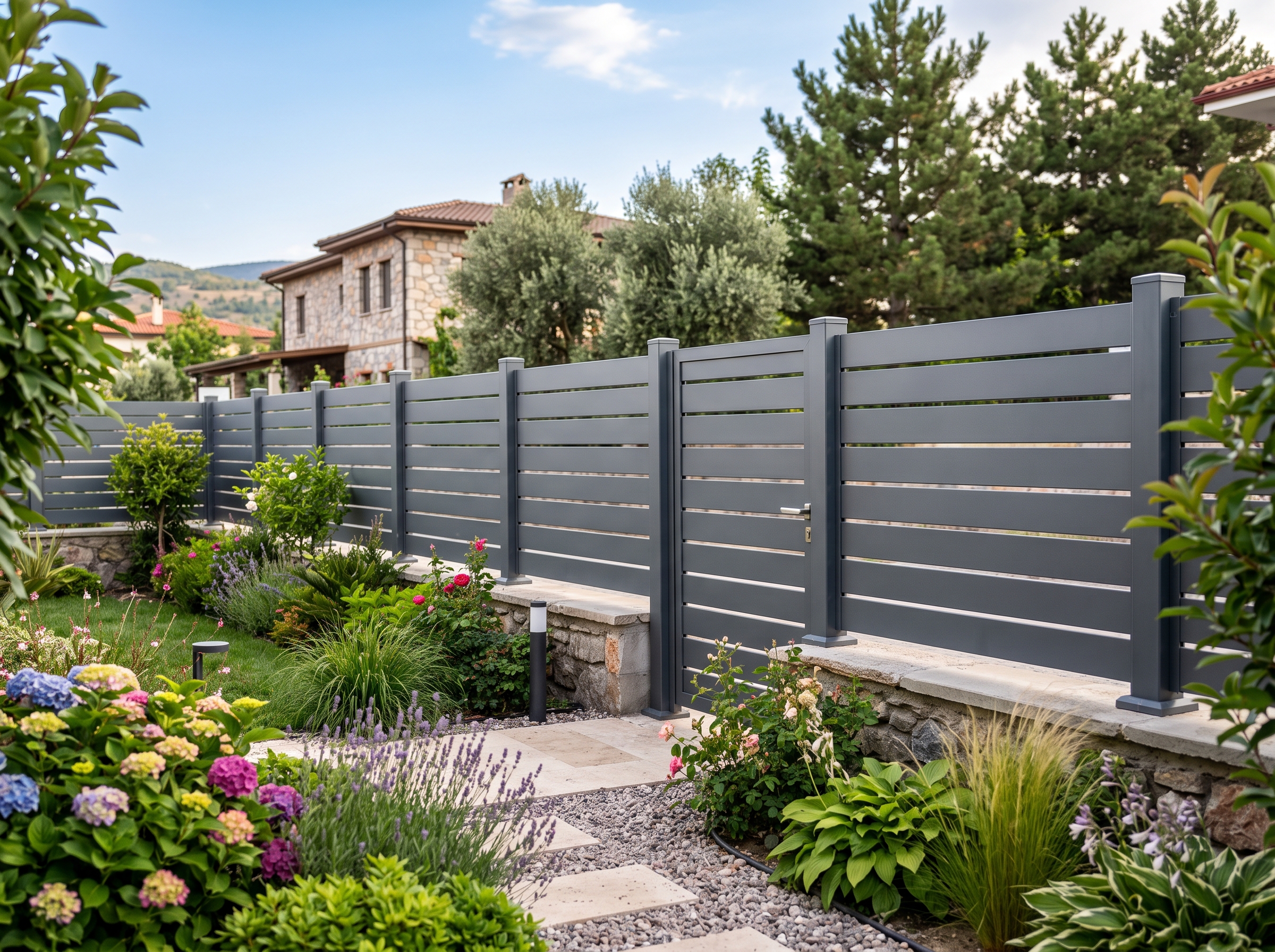
Excellent Surface Finish for Architectural Applications
Architectural aluminum systems require not only corrosion resistance but also exceptional visual quality.
Applications include:
- Curtain wall systems
- Windows and doors
- Facade profiles
- Pergolas
- Railings
- Decorative architectural components
Vertical coating technology helps maintain consistent color and finish across all profiles within the same project.
Why Is Quality Control So Important?
A visually attractive coating alone is not enough. Powder-coated aluminum products must also perform reliably for many years under demanding environmental conditions.
A comprehensive quality control program verifies important characteristics such as:
- Corrosion resistance
- UV durability
- Mechanical strength
- Coating adhesion
- Color consistency
- Gloss retention
For manufacturers serving international markets, quality control is often a contractual requirement rather than an option.
Common Quality Tests for Powder-Coated Aluminum Profiles
Quality laboratories perform a variety of inspections and tests throughout the production process.
Coating Thickness Measurement
Dry film thickness is measured using magnetic or electromagnetic gauges.
The required coating thickness depends on:
- Powder coating type
- Customer specifications
- Application requirements
- Relevant industry standards
Maintaining the specified coating thickness is essential for both durability and appearance.
Adhesion Testing
Coating adhesion evaluates how well the powder coating bonds to the aluminum substrate.
One of the most common methods is the cross-cut adhesion test, which is generally performed in accordance with internationally recognized ISO standards.
Strong adhesion is essential for long-term coating performance.
Impact Resistance Testing
Impact testing measures the coating's ability to withstand mechanical shock without cracking or peeling.
This is particularly important during:
- Transportation
- Fabrication
- Installation
- Daily service conditions
A durable coating minimizes the risk of damage during handling and use.
Gloss Measurement
Gloss meters are used to verify that the coated surface meets the required gloss level.
Consistent gloss is especially important when multiple production batches are supplied for the same architectural project.
Color Measurement
Color consistency is evaluated using spectrophotometers.
Precise color control helps ensure:
- Batch-to-batch consistency
- Project-wide uniformity
- Compliance with customer specifications
Even slight color deviations can become highly visible on large building facades.
Corrosion Resistance Testing
Depending on customer requirements and project specifications, manufacturers may perform:
- Salt spray testing
- Humidity testing
- Accelerated weathering tests
These tests evaluate the long-term durability of the powder coating under harsh environmental conditions, helping ensure reliable performance throughout the product's service life.
Why Are International Standards Important?
Powder coating quality is measured not only by appearance but also by compliance with internationally recognized testing and performance standards. For manufacturers serving global markets, adherence to these standards demonstrates process consistency, product reliability, and long-term durability.
Some of the most widely referenced standards include:
- EN 12206 – Organic coatings for aluminum and aluminum alloys used in architectural applications
- ISO 2409 – Cross-cut adhesion test
- ISO 2813 – Gloss measurement
- ISO 9227 – Salt spray (corrosion resistance) testing
In addition, many architectural projects specify compliance with internationally recognized quality labels such as QUALICOAT, which establish strict requirements for pretreatment, powder coating processes, testing, and inspection.
Meeting these standards not only supports product quality but also increases confidence among architects, contractors, façade manufacturers, and international buyers.
What Should You Consider When Choosing an Aluminum Powder Coating Supplier?
Selecting a supplier involves much more than comparing prices. The quality of the powder coating process has a direct impact on the lifespan, appearance, and maintenance requirements of the finished product.
When evaluating a manufacturer, consider the following factors:
- Availability of a fully automated vertical powder coating line
- Controlled chemical pretreatment process
- In-house quality laboratory
- Consistent color matching across production batches
- Regular coating thickness inspections
- Process traceability throughout production
- Compliance with relevant EN and ISO standards
- Reliable powder coating materials and process management
- Production capacity and delivery performance
- Technical support before and after production
Choosing a supplier with strong process control can significantly reduce quality issues, project delays, and long-term maintenance costs.
The Manufacturer's Perspective at Biser Aluminum
High-quality powder coating begins long before the paint is applied. Surface quality depends on every stage of production, from billet manufacturing and extrusion to mechanical processing, pretreatment, coating, and final inspection.
At Biser Aluminum, production is managed through an integrated manufacturing approach that emphasizes process control, traceability, and consistent product quality. By overseeing multiple production stages under one roof, the company aims to deliver aluminum profiles that meet the technical and aesthetic requirements of a wide range of industries.
Whether serving architectural systems, industrial applications, solar energy projects, or customized aluminum solutions, maintaining consistent surface quality remains an essential part of the manufacturing process.
Practical Checklist for Evaluating a Powder Coating Supplier
Before selecting a powder coating partner, consider asking the following questions:
☐ Does the company operate an automated vertical powder coating line?
☐ Is the chemical pretreatment process monitored and documented?
☐ Is coating thickness measured regularly?
☐ Are adhesion and impact resistance tests performed?
☐ Is color consistency controlled between production batches?
☐ Does the manufacturer follow recognized EN and ISO quality standards?
☐ Can consistent quality be maintained for high-volume production?
☐ Are inspection reports and technical documentation available upon request?
Using this checklist can help minimize production risks and improve long-term product performance.
Conclusion
Vertical aluminum powder coating lines represent one of the most advanced surface finishing technologies available for aluminum extrusion manufacturers. Their ability to deliver consistent coating thickness, outstanding surface quality, high production efficiency, and reliable process control makes them the preferred solution for demanding architectural and industrial applications.
However, achieving superior results depends on much more than modern equipment. Proper surface preparation, controlled pretreatment, optimized curing parameters, and comprehensive quality control are all essential components of a successful powder coating process.
From billet production and aluminum extrusion to mechanical processing and vertical powder coating, an integrated manufacturing approach provides greater traceability, consistent quality, and dependable supply for customers worldwide.
If you are looking for a reliable manufacturing partner for aluminum profiles or need technical guidance on alloys, surface finishing, or powder coating solutions, Biser Aluminum is ready to support your project with expert technical assistance and tailored production solutions.