The Skeleton of the Modern World
There is one common hero behind the glass facades of skyscrapers shaping city skylines, the chassis of modern vehicles gliding down highways, and even the body of the smartphone in your hand: 6000 series aluminum alloys.
Within the engineering world, this series is often regarded as a kind of “golden ratio.” So what makes these alloys so special? Why are architects, automotive engineers, and designers almost obsessed with them?
The 6000 series represents a turning point in the world of aluminum. Born from the perfect combination of magnesium and silicon, these alloys merge the soft, lightweight nature of pure aluminum with a strength capable of rivaling steel.
As an aluminum billet manufacturer, we witness the transformation of this material from molten metal into an engineering masterpiece. Now, let’s take a closer look behind the scenes of that transformation.
Technical Properties: The Unique Dance of Magnesium and Silicon
The secret of the 6000 series lies in its composition.
The primary alloying elements of this series are magnesium (Mg) and silicon (Si). These two elements combine within the aluminum matrix to form the magnesium-silicon intermetallic compound (Mg₂Si) — the true source of the alloy’s remarkable mechanical performance.
The most popular representative of the series is undoubtedly 6061 aluminum alloy.
Containing approximately:
- 1.0% Magnesium
- 0.6% Silicon
- 0.3% Copper
- Small amounts of Chromium
6061 represents an excellent balance of strength, corrosion resistance, and workability.
Other important members of the series include:
- 6063: Ideal for architectural applications thanks to its excellent surface finish and extrudability
- 6082: A higher-strength alloy widely used in Europe as an alternative to 6061 for structural applications
- 6005: A profile-friendly alloy commonly preferred in the transportation sector
Perhaps the most impressive characteristic of the 6000 series is that it is heat treatable.
Much like a blacksmith forging steel in fire, these alloys undergo a sophisticated thermal refinement process inside heat treatment furnaces.
Through:
- Solution heat treatment
- Quenching
- Artificial aging (T6 temper)
their tensile strength can reach impressive levels of 250–350 MPa.
This approaches the strength of many structural steels — while aluminum remains roughly three times lighter than steel.
Mechanical Properties: The Perfect Balance Between Strength and Lightness
When people think of the 6000 series, the first word that comes to mind is usually:
Balance.
These alloys offer:
High Strength-to-Weight Ratio
They combine the strength of steel with the lightweight advantages of aluminum. This translates into fuel efficiency and increased payload capacity in transportation and aerospace industries.
Excellent Corrosion Resistance
Magnesium and silicon do not damage aluminum’s natural oxide layer; in some cases, they even strengthen it. As a result, the 6000 series performs exceptionally well under atmospheric conditions.
Excellent Weldability
These alloys can easily be joined using:
- TIG welding
- MIG welding
- Resistance welding
Compared to other heat-treatable alloys, post-weld strength loss is significantly lower.
Outstanding Machinability
In the T6 temper condition, machinability is excellent. Clean and smooth surfaces can easily be achieved during CNC machining operations.
High Formability
Before heat treatment (especially in the T4 temper), these alloys remain soft and highly formable, allowing them to be shaped into complex geometries before being hardened afterward.
Processability: Transformation Without Limits
One of the most valuable characteristics of 6000 series aluminum alloys is their compatibility with a wide variety of manufacturing methods.
Aluminum Extrusion
This is where the 6000 series truly dominates.
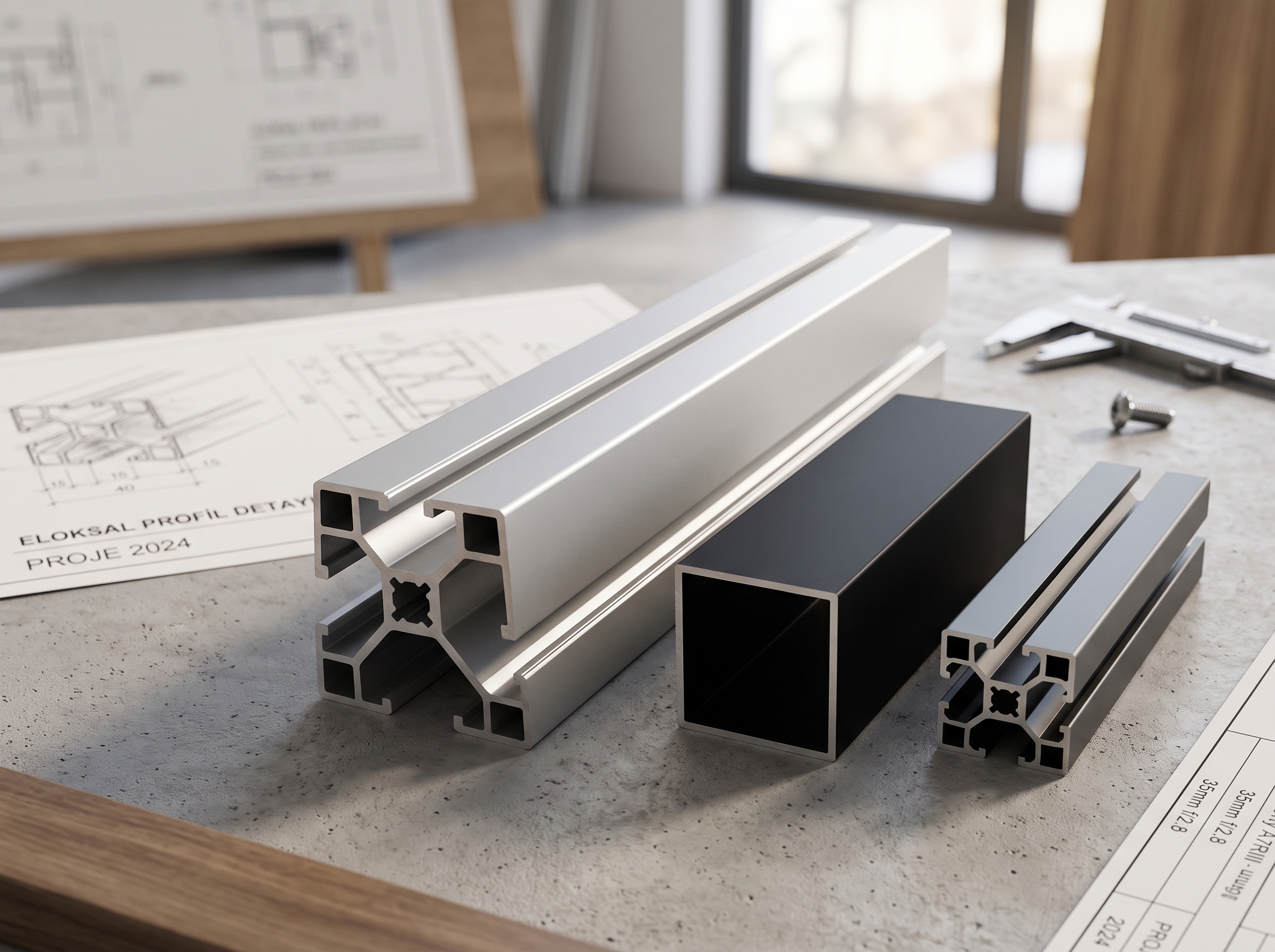
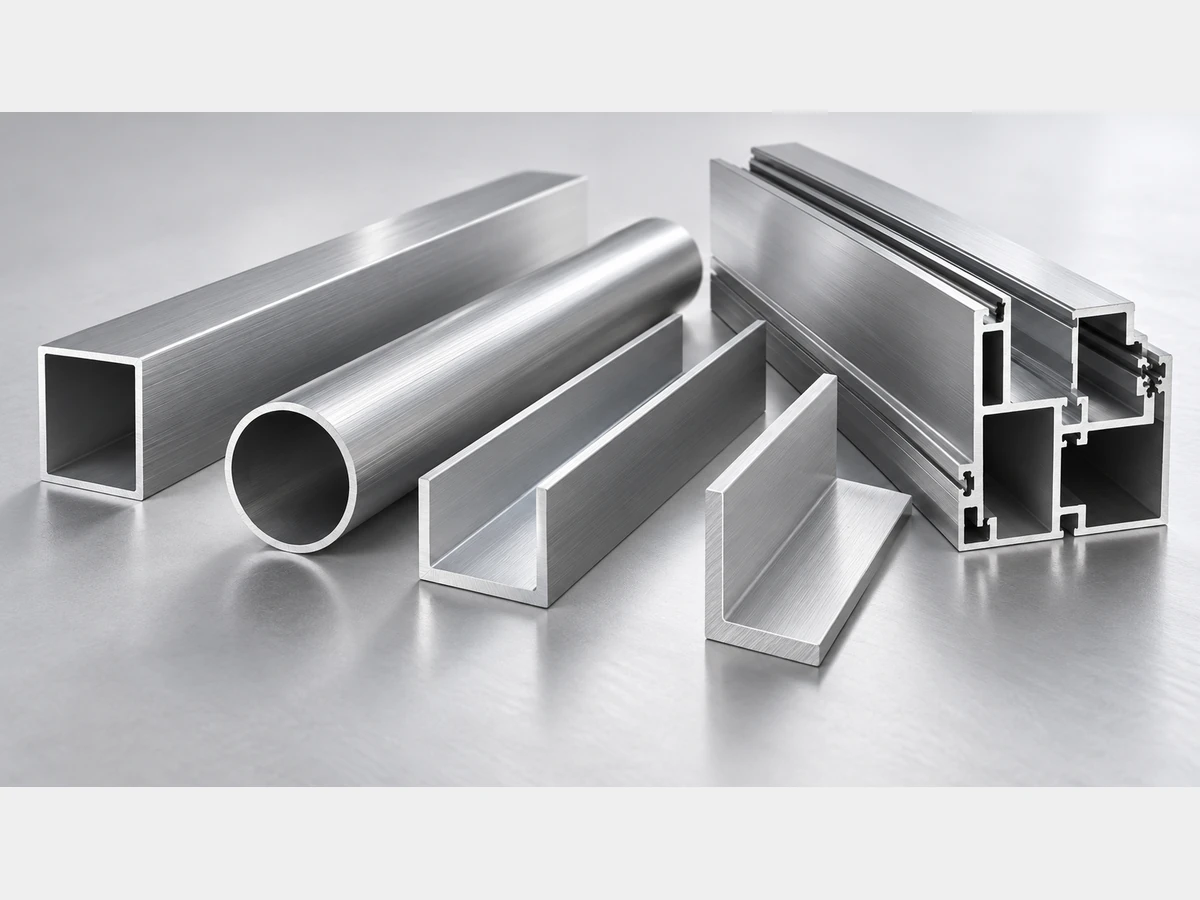
Complex aluminum profiles emerge from extrusion presses within seconds — almost like shaped pasta coming out of a machine.
This is precisely where 6063 alloy excels.
Thanks to its superior extrudability and exceptional surface quality, it is widely used in:
- Window and door systems
- Automotive components
- Architectural profiles
- Decorative applications
The 6000 series can also easily be processed through:
- Forging
- Rolling
- CNC machining
This versatility essentially makes it the “Swiss Army knife” of engineering materials.
Applications: Where Do We Encounter 6000 Series Alloys?
6000 series aluminum alloys are present in nearly every aspect of modern life — often without us even realizing it.
Here are just a few examples:
Architecture & Construction
- Window and curtain wall systems for skyscrapers (especially 6063)
- Door and window profiles
- Stair railings
- Construction scaffolding
- Roofing systems
Many of the world’s tallest buildings rely heavily on 6000 series aluminum profiles.
Automotive & Transportation
- Vehicle chassis
- Fuel tanks
- Truck bodies
- Trailers
- Railway wagons
- Marine superstructures
These alloys play a leading role in automotive lightweighting strategies.
Aerospace
- Helicopter structures
- Aircraft interior components
- Cargo flooring systems
The development of modern civil aviation owes much to lightweight aluminum alloys.
Sports & Recreation
- Bicycle frames (6061 alongside 7005)
- Climbing equipment
- Baseball bats
- Camping furniture
These alloys are indispensable in performance-focused recreational products.
Industrial Equipment
- Pipe fittings
- Valves
- Pressure vessels
- Conveyor systems
- Robotic equipment
Without 6000 series alloys, many industrial systems would remain only concepts on paper.
Electronics
- Smartphone bodies
- Laptop casings
- LED cooling systems
The combination of elegant appearance and thermal conductivity makes 6000 series alloys highly attractive in consumer electronics.
Market Share: The Undisputed Leader
If aluminum alloy series competed for market dominance, the 6000 series would be the clear winner.
Approximately 25–30% of global aluminum consumption consists of 6000 series alloys.
In the aluminum extrusion market, this figure can rise to nearly 70%.
This proves that the 6000 series is not merely an alloy family — it is an industrial giant.
The reason behind this widespread adoption lies in its perfect balance of:
- Performance
- Processability
- Cost efficiency
It is not as expensive as the 2000 or 7000 series, yet far stronger than the 1000 or 3000 series.
From architects to automotive engineers, from bicycle manufacturers to smartphone designers, the 6000 series provides the ideal engineering balance.
Conclusion: The Golden Formula of Engineering
6000 series aluminum alloys represent one of the brightest achievements of modern materials science.
The atomic-level interaction between magnesium and silicon gives us not just a metal alloy, but an entire world of engineering possibilities.
Whether dancing with the wind atop skyscrapers, challenging roads inside vehicles, or simplifying everyday life through electronics, this material has become one of modern engineering’s hidden heroes.
As a company, we proudly stand at the beginning of this transformation by producing high-quality 6000 series aluminum billets.
If you would like to discover the perfect harmony between strength and lightness in your own projects, our expert team will be happy to guide you.
Because behind every great structure and every advanced technological product lies one essential element:
The right material selection.
And in many cases, the 6000 series is exactly that choice