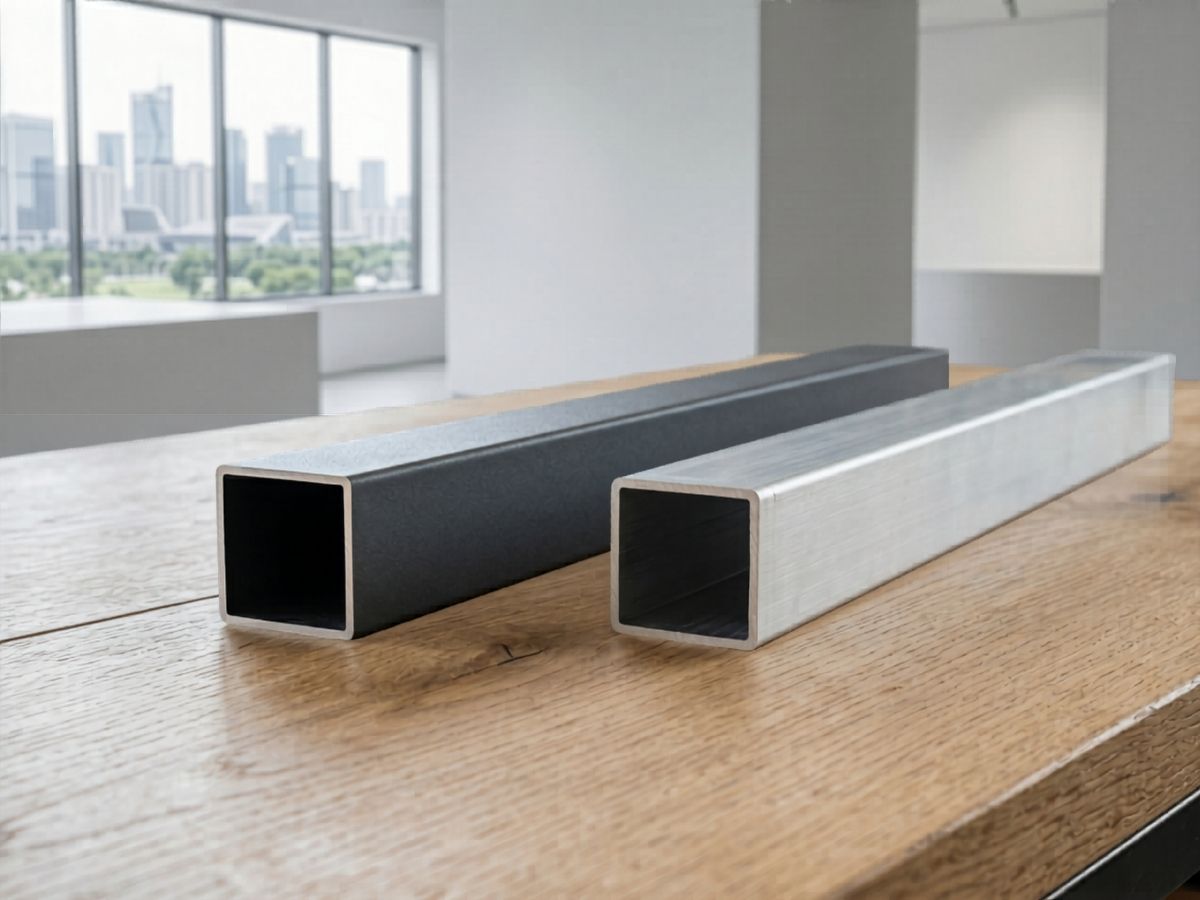
Surface treatment in aluminum extrusion profiles is not only an aesthetic preference. Choosing the right surface finishing method according to the application area directly affects the product’s durability, outdoor performance, scratch resistance, and long-term usability.
Today, the two most commonly used surface treatment methods in the aluminum industry are electrostatic powder coating and anodizing. But what is the difference between these two methods? Which one should be preferred for different applications?
To make the right choice, it is important to first understand the fundamental characteristics of both processes.
What Is Electrostatic Powder Coating?
Electrostatic powder coating is the process of applying paint particles onto the aluminum profile surface using electrostatic charge and then curing the coating at high temperatures in an oven.
This method creates a homogeneous, decorative, and durable coating on the profile surface.
It is one of the most preferred surface treatments in architectural applications because it:
- offers a wide range of color options,
- provides a modern appearance,
- creates aesthetic advantages in facade projects.
Different surface effects such as matte, glossy, textured, or metallic finishes can also be applied.
What Is Anodizing?
Anodizing is the controlled oxidation of the aluminum surface. During this process, no additional coating is added; instead, the aluminum’s own surface is strengthened.
As a result, anodized coatings:
- preserve the natural metallic appearance,
- provide high surface hardness,
- improve wear resistance.
For this reason, anodizing is frequently preferred in premium architectural projects, facade systems, and industrial applications.
Anodized surfaces are commonly available in:
- natural,
- bronze,
- black,
- champagne tones.
The Biggest Difference: Appearance
The most noticeable difference between these two methods is aesthetics.
Electrostatic Powder Coating
- Offers a wider range of colors
- Compatible with RAL color charts
- Provides a modern and decorative appearance
- Offers greater design flexibility
Anodizing
- Creates a more natural and metallic appearance
- Provides a premium look and feel
- Makes the surface texture more noticeable
- Delivers a timeless aesthetic
For this reason, the choice in architectural projects is often based on design expectations.
Which One Is More Durable?
Both surface treatments are long-lasting when applied correctly. However, their advantages differ depending on the application area.
Advantages of Anodizing
Anodized surfaces are:
- more resistant to scratches,
- less affected by UV rays,
- more stable against color fading over time.
Therefore, anodizing performs exceptionally well in demanding outdoor conditions.
Advantages of Electrostatic Powder Coating
When high-quality coating systems are used:
- excellent corrosion resistance can be achieved,
- long-term durability in facade applications is ensured,
- the decorative appearance can be preserved for many years.
Applications that comply with Qualicoat standards significantly improve outdoor performance.
Which Industries Prefer Which Surface Treatment?
Electrostatic Powder Coating
Commonly preferred in:
- architectural facade systems,
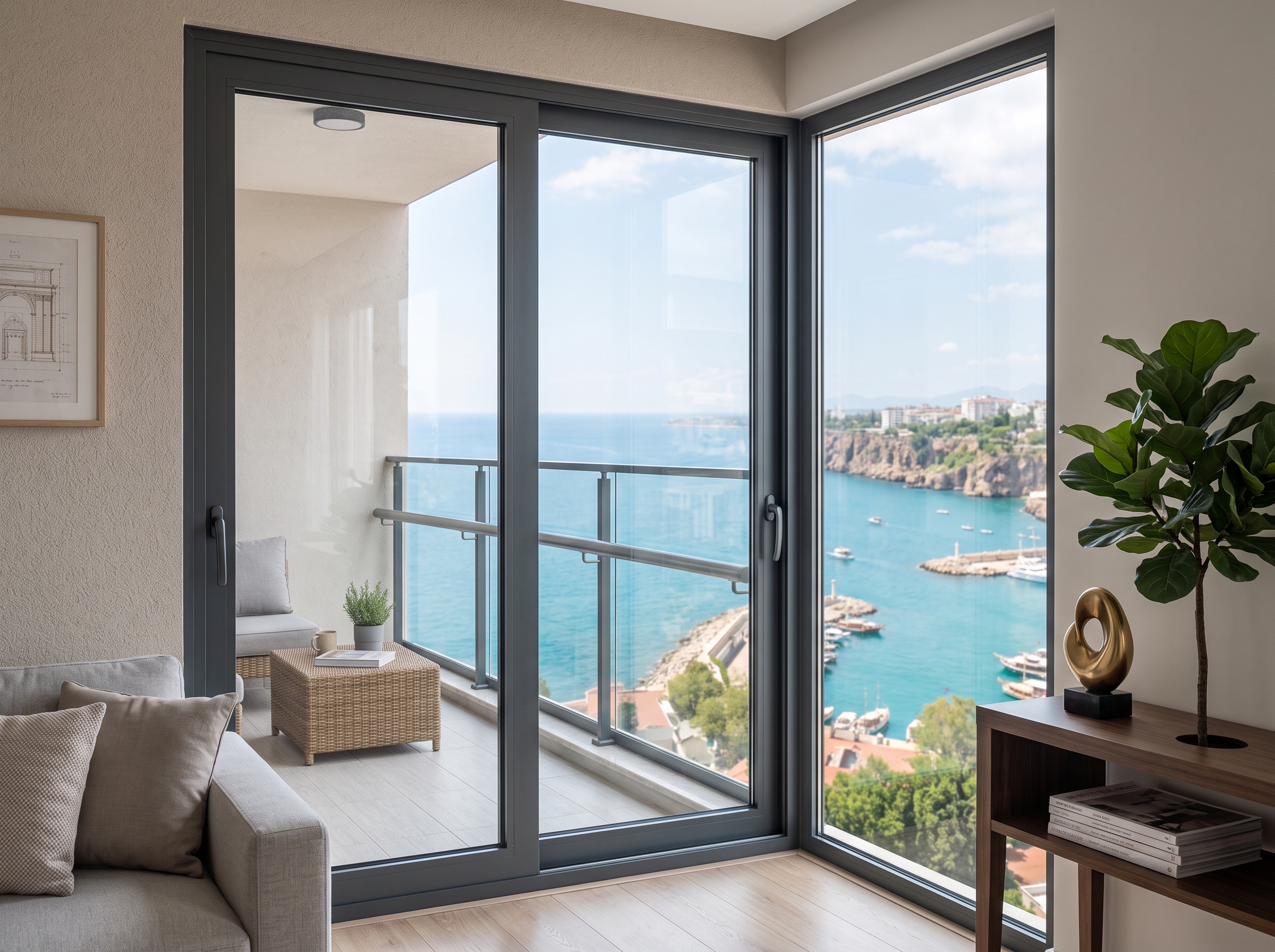
- door and window profiles,
- decorative applications,
- modern commercial projects.
Thanks to its wide variety of colors, it is one of the most commonly used surface solutions by architects.
Anodizing
More commonly used in:
- premium facade projects,
- industrial systems,
- high-traffic usage areas,
- applications requiring high wear resistance.
It is especially a strong alternative for projects seeking a natural metallic appearance.
How to Choose the Right Surface Treatment
When selecting a surface treatment, it is important to evaluate not only appearance but also:
- application area,
- outdoor environmental conditions,
- UV resistance,
- maintenance requirements,
- project budget.
For example:
- electrostatic powder coating may be more suitable for modern, color-focused architectural projects,
- anodizing may be more advantageous for projects requiring a natural metallic appearance and high surface hardness.
Conclusion
Electrostatic powder coating and anodizing are two of the most important surface treatment solutions in the aluminum extrusion industry. Both methods have their own advantages, and the right choice depends entirely on the application requirements.
For successful surface performance, not only the treatment type but also:
- profile quality,
- surface preparation,
- process control,
- and production standards
play a critical role.
With the right production infrastructure and high-quality process management, surface treatments can help aluminum profiles maintain both their aesthetic appearance and technical performance for many years.
Electrostatic Powder Coating vs Anodizing Comparison Table
| Feature | Electrostatic Powder Coating | Anodizing |
|---|---|---|
| Application Method | Powder coating applied electrostatically and cured in an oven | Controlled oxidation of the aluminum surface |
| Appearance | Decorative, modern, and colorful | Natural, metallic, and premium |
| Color Options | Very wide range (including RAL colors) | More limited |
| Surface Texture | Matte, glossy, textured options | More natural metallic feel |
| Scratch Resistance | Good | Very high |
| UV Resistance | High with quality application | Very high |
| Corrosion Resistance | High | High |
| Outdoor Performance | Highly successful | Highly successful |
| Maintenance Requirement | Low | Very low |
| Aesthetic Advantage | Offers design flexibility | Provides a timeless and elegant appearance |
| Common Applications | Facade systems, doors & windows, decorative applications | Premium facades, industrial systems |
| Surface Hardness | Good | Very high |
| Cost | Generally more economical | Generally more expensive |
| Main Preference Reason | Color variety and decorative appearance | Durability and natural metallic look |