Does Aluminum Conduct Heat? Thermal Conductivity and Insulation Properties of Aluminum
Does aluminum conduct heat? Yes, aluminum is a metal with high thermal conductivity. It transfers heat efficiently and responds quickly to changes in temperature. Thanks to this property, aluminum is widely used in various industries, including automotive, electronics, machinery, construction, and HVAC.
However, the fact that aluminum conducts heat efficiently does not necessarily mean that it is unsuitable for applications requiring thermal insulation. In particular, aluminum profiles used in doors, windows, façades, and other architectural systems can achieve high levels of energy efficiency through proper engineering and advanced thermal insulation technologies.
So, why does aluminum conduct heat? What is its thermal conductivity? Does aluminum transfer cold? What solutions are available to improve its thermal insulation performance? In this article, we explore the thermal properties of aluminum and its applications across different industries.
Does Aluminum Conduct Heat?
Yes, aluminum is one of the metals that conducts heat efficiently. When one part of an aluminum surface is heated, thermal energy is transferred to other areas of the metal through conduction. For this reason, aluminum is widely used in industrial applications where efficient heat transfer is essential.
Pure aluminum has a thermal conductivity of approximately 237 W/m·K at room temperature. This value demonstrates its ability to transfer heat effectively.
The high thermal conductivity of aluminum is associated with its atomic structure, particularly the presence of free electrons that contribute to energy transfer. These electrons facilitate the movement of thermal energy from one point to another within the metal.
However, it is important to distinguish between pure aluminum and aluminum alloys. Their thermal conductivity values are not identical. Alloying elements such as magnesium, silicon, and copper can influence the thermal properties of aluminum.
Therefore, when evaluating the thermal conductivity of an aluminum product, both the material type and its chemical composition should be taken into consideration.
What Is the Thermal Conductivity of Aluminum?
Thermal conductivity is a physical property that indicates how efficiently a material transfers heat. It is generally expressed in W/m·K (watts per meter-kelvin).
Due to its relatively high thermal conductivity, aluminum is used in numerous engineering applications where heat transfer plays an important role.
Pure aluminum has a thermal conductivity of approximately 237 W/m·K. However, this value varies among commercial aluminum alloys.
For example, 6xxx series aluminum alloys contain elements such as magnesium and silicon. While these elements improve the mechanical properties of the material, they can also affect its thermal conductivity.
As a result, different aluminum alloys such as 6060, 6061, 6063, and 6082 do not have identical thermal conductivity values. Their exact values depend on the chemical composition, manufacturing processes, and heat treatment conditions.
Does Aluminum Retain Heat or Transfer It Quickly?
Heat retention and heat conduction are two different concepts.
Aluminum should not be considered a material designed to retain heat for extended periods. Instead, it is a metal that can transfer thermal energy efficiently.
For example, an aluminum surface exposed to direct sunlight can become hot. However, this does not mean that aluminum stores heat for a long time. Its high thermal conductivity allows heat to spread quickly throughout the material.
This characteristic makes aluminum suitable for applications such as radiators, heat sinks, and heat exchangers.
In summary:
-
Thermal conductivity: Aluminum has relatively high thermal conductivity.
-
Thermal insulation: Aluminum alone is not an effective thermal insulation material.
-
Heat transfer: Aluminum offers significant advantages in applications requiring efficient and controlled heat transfer.
Does Aluminum Transfer Cold?
Aluminum can conduct heat between both warm and cold environments. Technically, cold is not a separate form of energy that travels through a material. Instead, thermal energy moves from a higher-temperature area to a lower-temperature area.
For example, during winter, when the outdoor temperature is lower than the indoor temperature, heat can transfer from the interior to the exterior through an uninsulated aluminum profile.
In summer, when the outdoor temperature is higher, the direction of heat transfer can be reversed.
For this reason, the thermal performance of aluminum profiles used in building façades, doors, and window systems is particularly important.
Does Aluminum Provide Thermal Insulation?
Since aluminum has high thermal conductivity, it is not an effective thermal insulation material on its own. However, aluminum systems can achieve high thermal insulation performance through proper engineering and design.
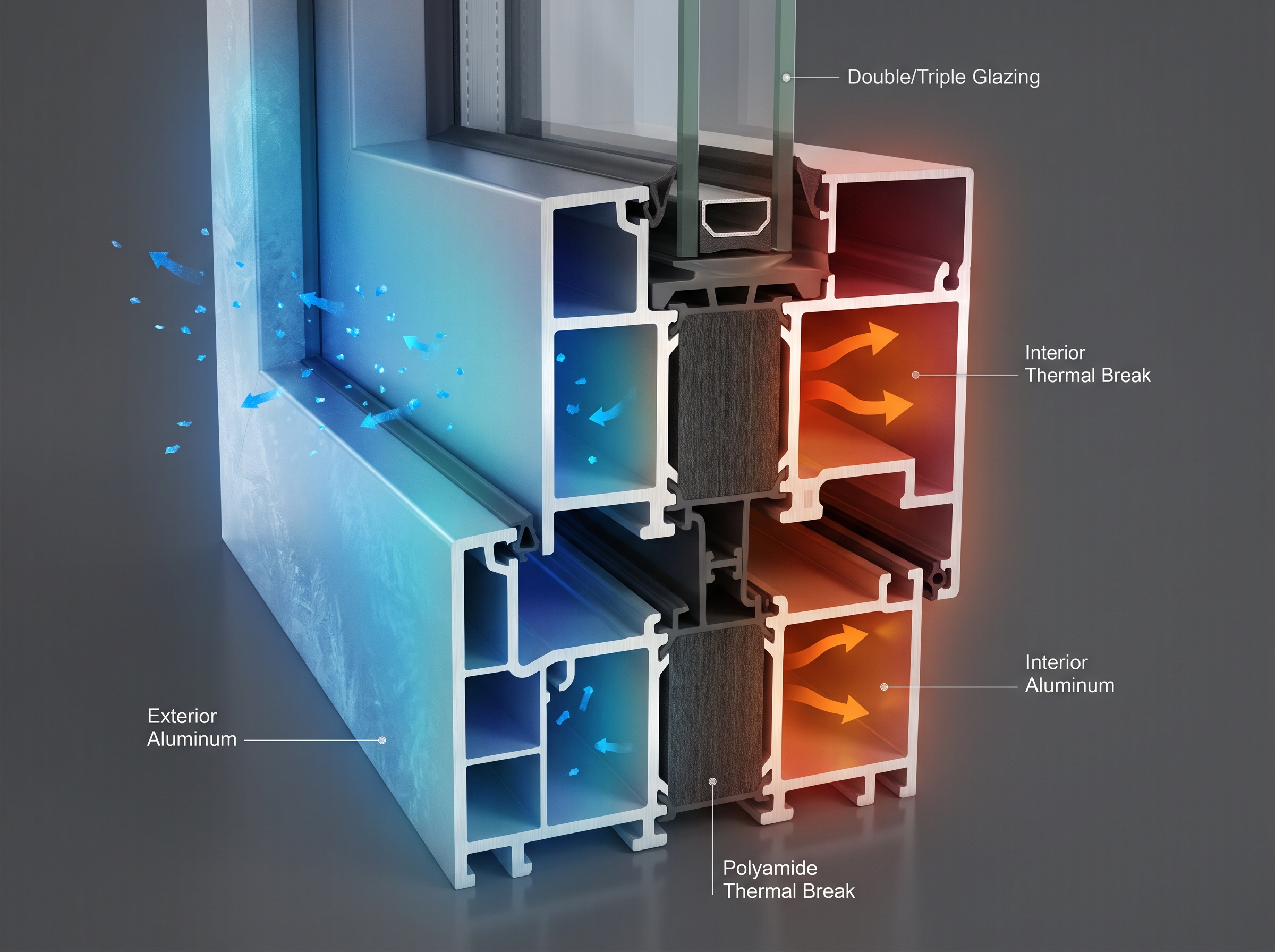
One of the most important technologies used for this purpose in architectural aluminum systems is thermal break aluminum profiles.
In thermal break systems, a low-conductivity insulating material, such as polyamide, is inserted between the interior and exterior aluminum sections of the profile.
This structure reduces direct heat transfer between the two aluminum surfaces.
As a result:
-
Heat loss from indoor spaces to the outside can be reduced during winter.
-
Heat gain from outdoor environments can be limited during summer.
-
Interior surface temperatures can become more stable.
-
Energy consumption for heating and cooling systems can be reduced.
-
The risk of condensation can be minimized through proper system design.
In addition to the thermal barrier, profile geometry, glazing properties, gasket design, installation details, and the overall system configuration all influence thermal insulation performance.
What Is the Difference Between Thermal Break and Non-Thermal Break Aluminum Profiles?
There are significant performance differences between thermal break and non-thermal break profiles used in aluminum door and window systems.
Non-thermal break aluminum profiles have a continuous metal connection between their interior and exterior surfaces. Due to aluminum's high thermal conductivity, this connection allows heat to transfer more easily between the two environments.
Thermal break aluminum profiles, on the other hand, incorporate an insulating material between the interior and exterior aluminum sections. This reduces heat transfer through the profile.
| Feature | Non-Thermal Break Profile | Thermal Break Profile |
|---|---|---|
| Heat transfer | Higher | Lower |
| Thermal insulation | More limited | Higher potential |
| Interior and exterior connection | Continuous aluminum | Separated by an insulating barrier |
| Applications | Systems where thermal insulation is not a primary requirement | Systems where energy efficiency is important |
It is important to note that a thermal break profile does not automatically guarantee a specific insulation value. Actual performance should be evaluated based on the tested thermal transmittance values of the complete profile, window, or façade system.
What Factors Affect the Thermal Conductivity of Aluminum?
The thermal conductivity of aluminum is not a fixed value. It can vary depending on the material's chemical and physical properties.
1. Chemical Composition of the Alloy
Alloying elements such as magnesium, silicon, copper, and other elements can influence the thermal conductivity of aluminum. Therefore, different aluminum alloy series may have different thermal conductivity values.
2. Material Temperature
Changes in temperature can affect the thermal conductivity of aluminum. Consequently, measured values may differ under different operating temperature conditions.
3. Manufacturing Process and Microstructure
Manufacturing processes such as casting and extrusion can influence the microstructure of aluminum. Grain structure, precipitates, and the distribution of alloying elements can all play a role in determining thermal conductivity.
4. Heat Treatment Conditions
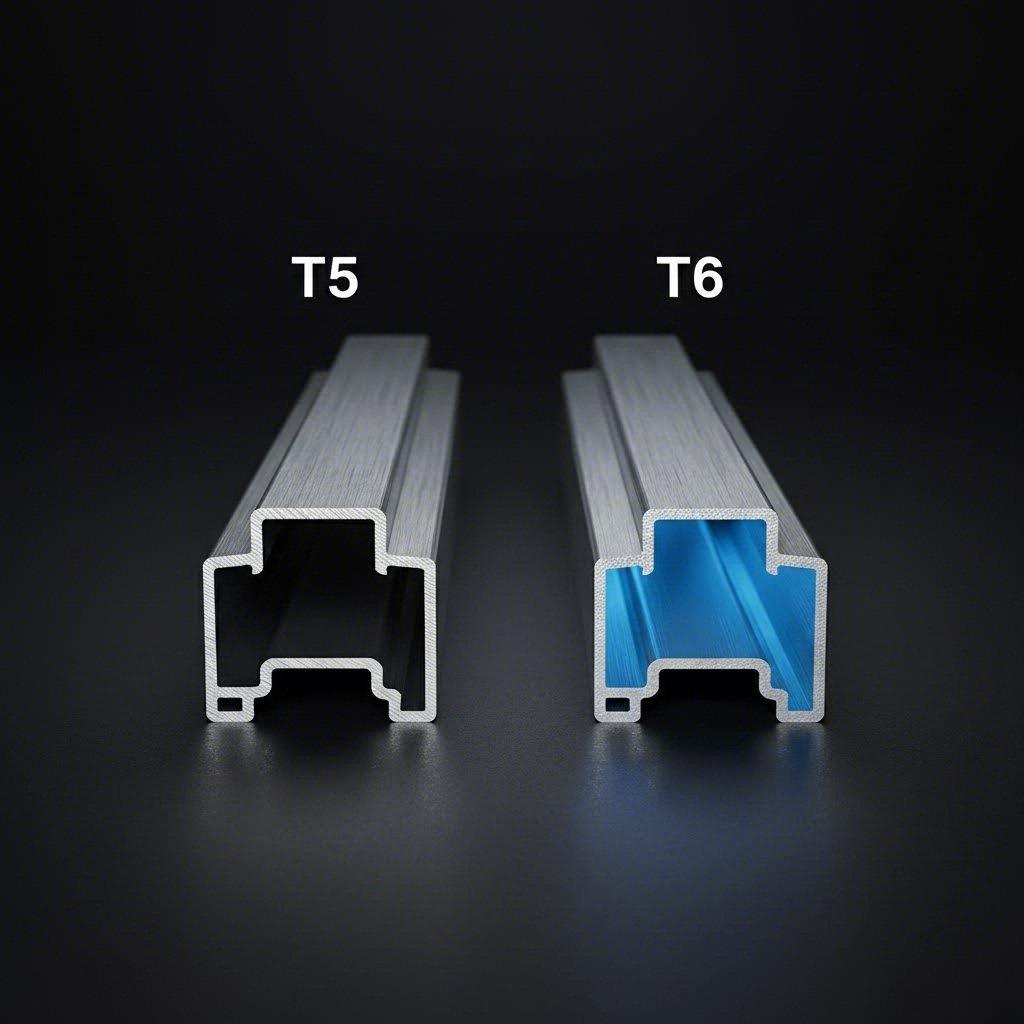
Heat treatment tempers such as T5 and T6 affect the distribution of alloying elements within the material and influence its mechanical properties. These changes can also have an impact on thermal conductivity.
For this reason, when selecting aluminum products, it is important to consider not only strength and weight but also the thermal properties required for the intended application.
Where Is Aluminum Used Because of Its Thermal Conductivity?
The high thermal conductivity of aluminum provides important advantages across various industries.
Automotive Industry: Aluminum is used in engine cooling systems, radiators, heat exchangers, and various thermal management components. It helps transfer heat efficiently.
Electronics Industry: Aluminum heat sinks and cooling housings are commonly used to dissipate excess heat generated by electronic devices.
HVAC and Air Conditioning: Aluminum's thermal conductivity makes it suitable for air conditioning systems, ventilation equipment, and heat exchangers.
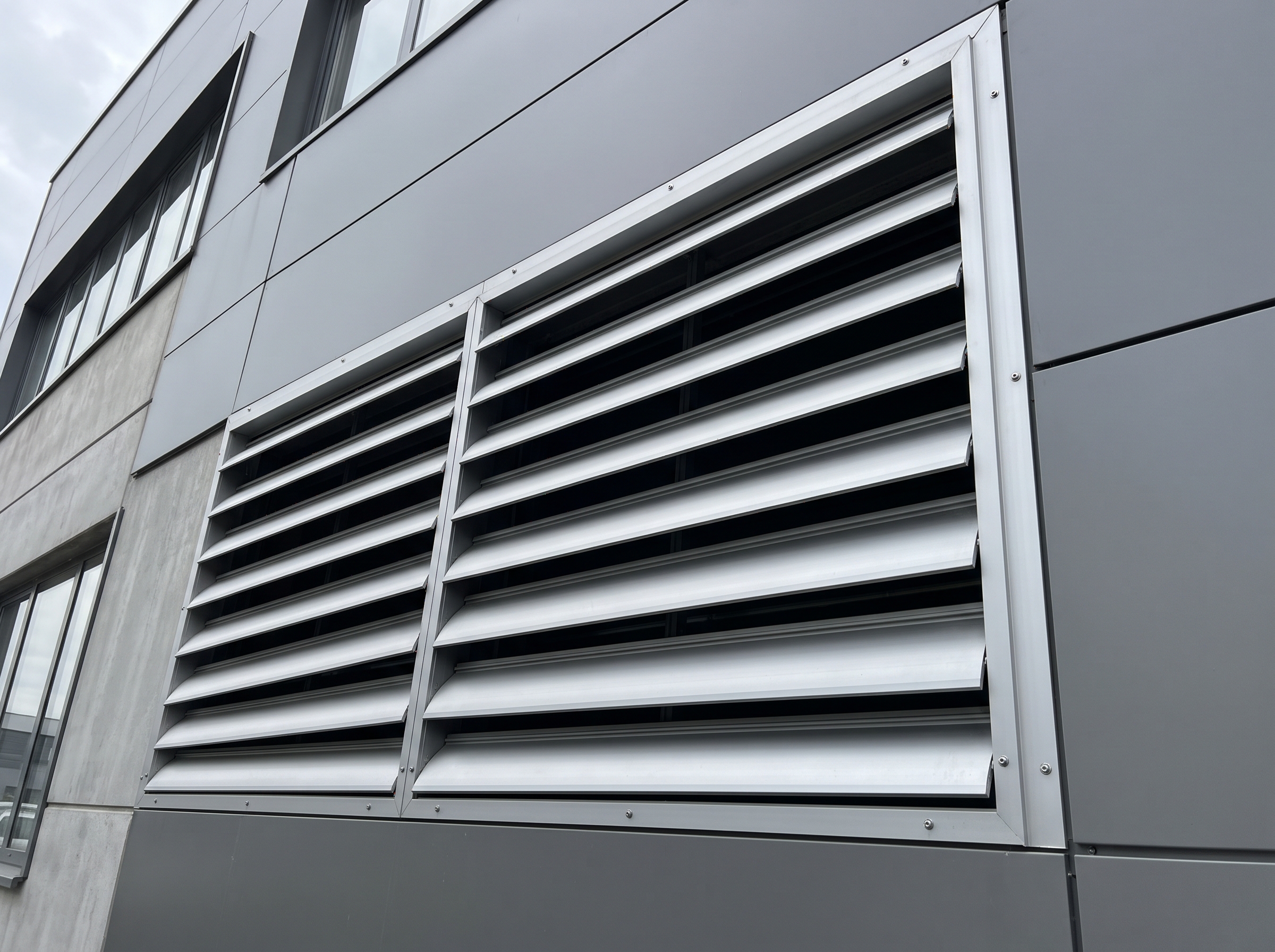
Construction and Architecture: Aluminum is widely used in doors, windows, curtain walls, and façade systems. In these applications, thermal conductivity must be carefully considered during system design. Thermal break profiles offer important solutions for improving energy efficiency.
Industrial Manufacturing: Aluminum is preferred for machinery components, process equipment, and various industrial applications where heat transfer is an important consideration.
Why Is Thermal Conductivity Important When Selecting Aluminum Profiles?
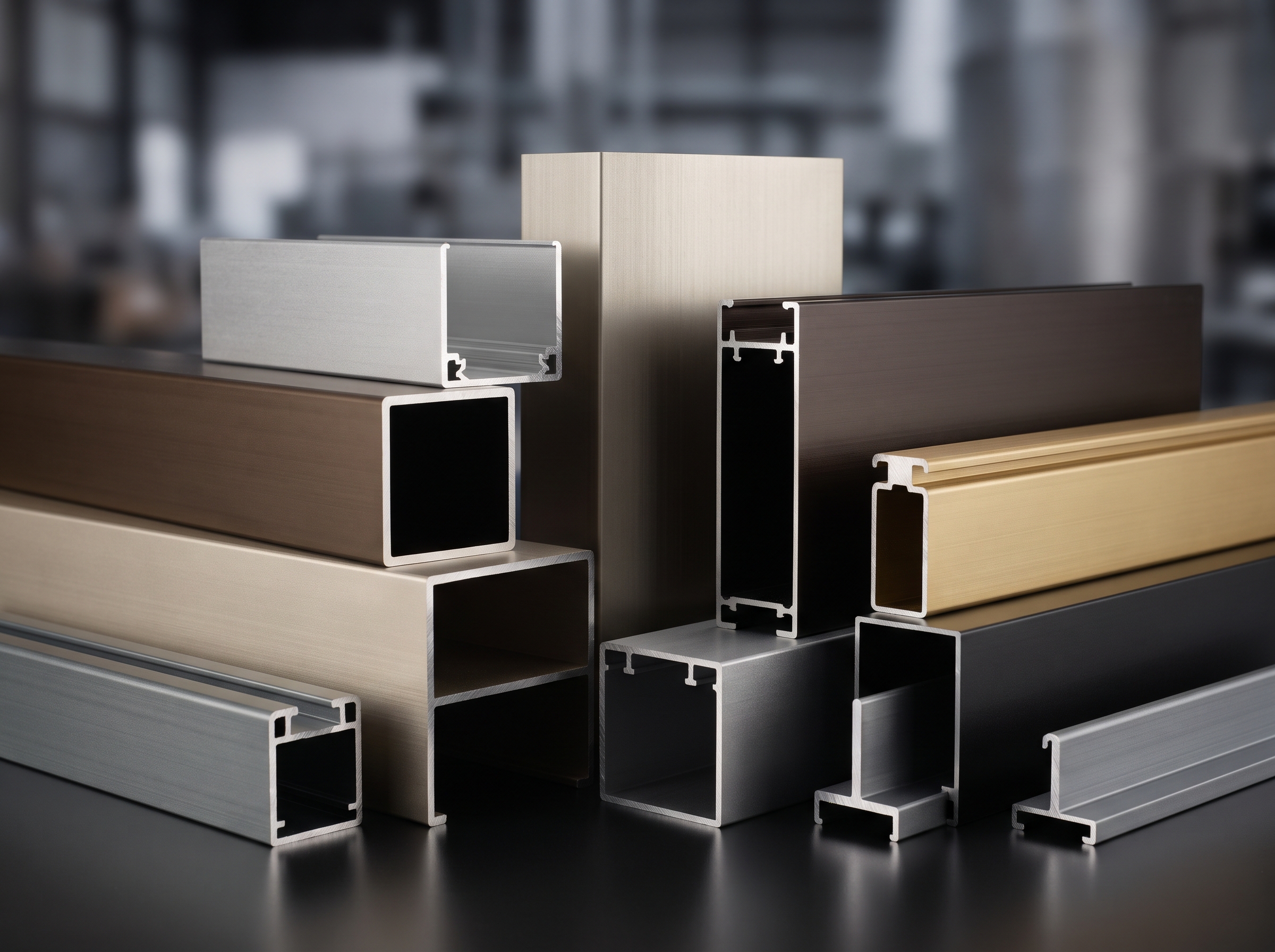
Aluminum extrusion profiles must have different physical and mechanical properties depending on their intended applications.
For example, high heat transfer is desirable in an electronic cooling component, whereas limiting heat transfer between indoor and outdoor environments is essential for a building window system.
These two applications demonstrate how aluminum profiles can be designed to meet different engineering requirements.
The following criteria should be considered when selecting aluminum profiles:
-
Aluminum alloy and temper condition
-
Profile geometry and wall thickness
-
Thermal conductivity requirements
-
Mechanical strength and load-bearing capacity
-
Operating temperature conditions
-
Surface treatment and coating requirements
-
Relevant technical standards for the intended application
Selecting the right alloy and profile design is essential to ensuring that the final product delivers the required performance.
Frequently Asked Questions
Is Aluminum a Good Thermal Conductor?
Yes. Pure aluminum has a thermal conductivity of approximately 237 W/m·K. This places aluminum among the metals that conduct heat efficiently.
Does Aluminum Conduct Heat or Cold?
Aluminum can transfer heat in either direction, depending on the temperature difference between two environments. Technically, it is thermal energy that moves from a higher-temperature area to a lower-temperature area.
Is Aluminum an Insulator?
No. Aluminum is a metal and therefore a good thermal conductor. However, engineering solutions such as thermal break profile systems can significantly improve the thermal performance of aluminum products.
Do Aluminum Window Profiles Let Cold Air In During Winter?
Non-thermal break aluminum window profiles allow more heat transfer between indoor and outdoor environments. Thermal break profiles help limit this transfer and contribute to better thermal insulation.
Which Provides Better Thermal Insulation: Aluminum or PVC?
In general, PVC has lower thermal conductivity than aluminum. However, properly designed thermal break aluminum systems can also achieve high levels of thermal insulation performance. When comparing the two, it is important to consider the Uw value of the complete window system, glazing specifications, and installation quality rather than focusing solely on the frame material.
Do Aluminum Profiles Help Save Energy?
Yes. Properly designed thermal break aluminum door, window, and façade systems can contribute to energy efficiency by reducing heat loss and heat gain in buildings.
Conclusion: Is Aluminum's Thermal Conductivity an Advantage or a Disadvantage?
The high thermal conductivity of aluminum can be both an advantage and a property that requires careful consideration, depending on the intended application. While it offers significant benefits in industrial applications where heat transfer is essential, building systems that prioritize thermal insulation require appropriate profile design and thermal break technologies.
With its lightweight structure, durability, corrosion resistance, workability, and recyclability, aluminum remains one of the most important materials in modern industry and architecture.
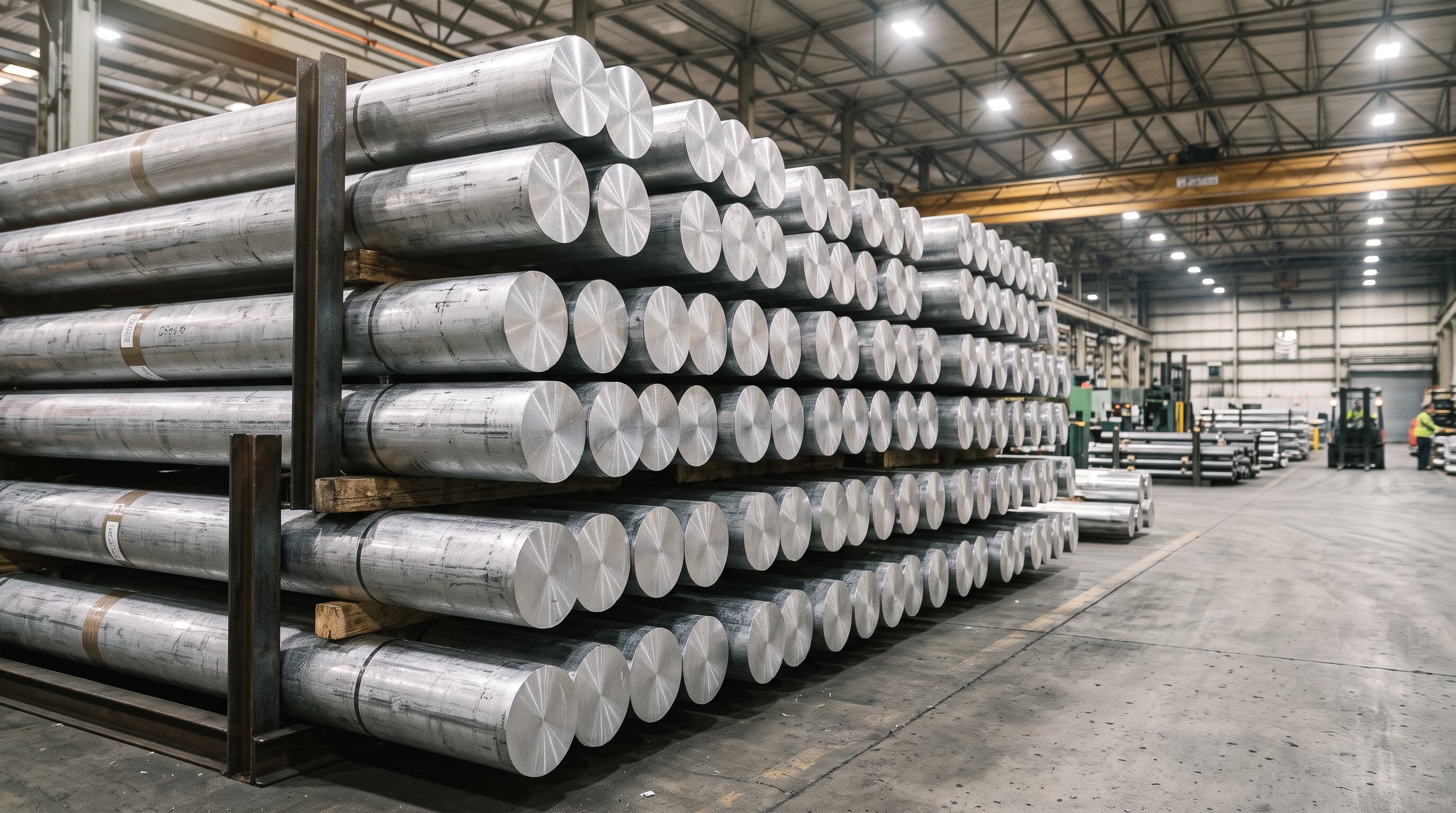
Biser Aluminium manufactures aluminum billets and extrusion profiles for a wide range of industrial and architectural applications. Explore our products to learn more about aluminum profile solutions tailored to different applications and technical requirements.