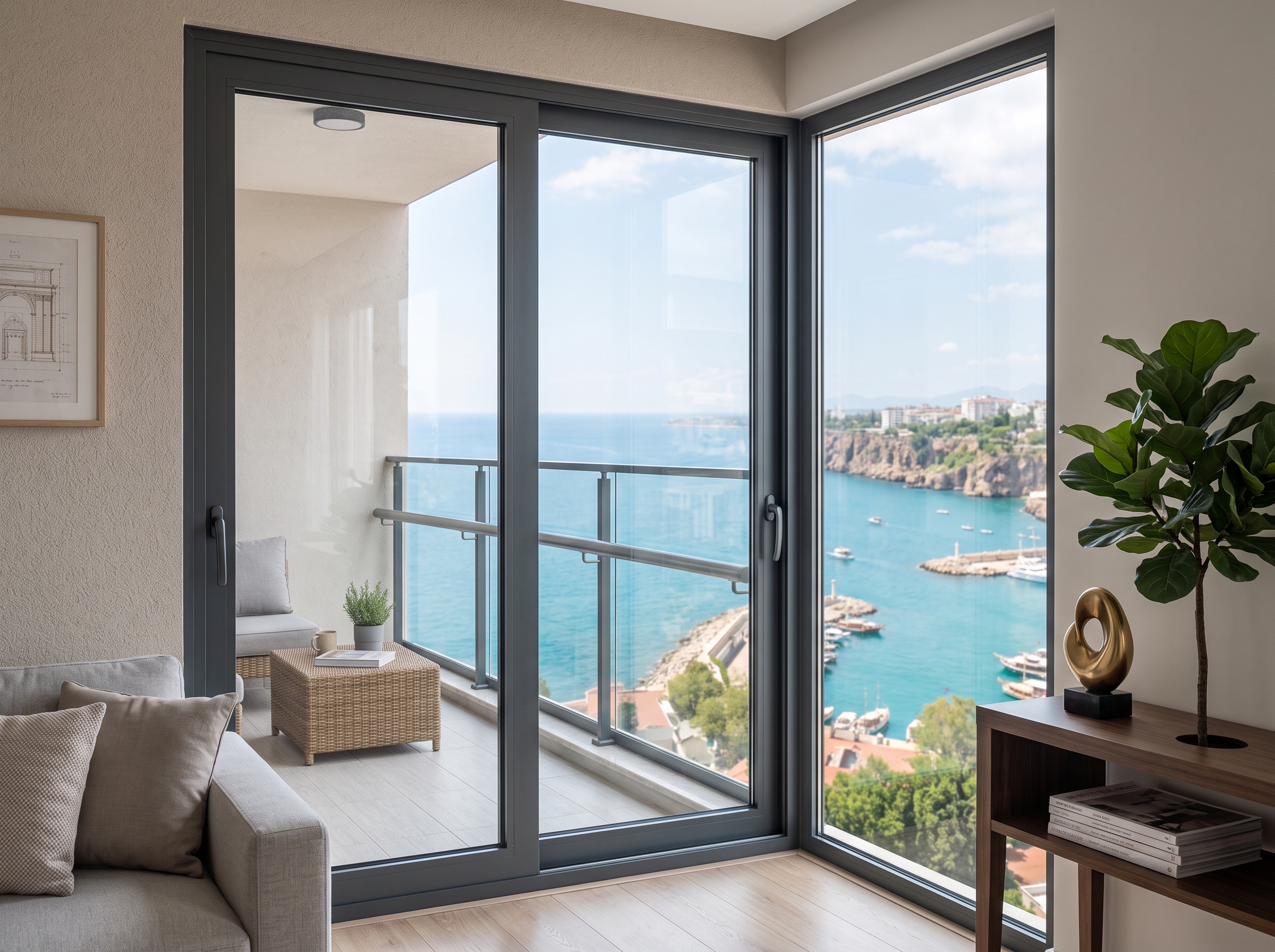
C60 Aluminum Profiles: Features, Applications and Profile Selection Guide
Aluminum profiles are used in a wide range of applications, from door and window systems to commercial buildings, thanks to their lightweight structure, durability, machinability, and adaptability to different design requirements. Among these systems, C60 aluminum profiles are one of the profile groups used in various door, window, and joinery applications, defined by a 60 mm system depth.
C60 profile systems can include different components such as frame, sash, adapter, corner, skirt, rod, and glazing bead profiles. This allows a system to be created from compatible profile components according to the requirements of the application rather than relying on a single profile.
So, what is a C60 profile, where is it used, and what should be considered when choosing a C60 aluminum profile?
In this guide, we examine the structure, applications, profile types, advantages, and key considerations for selecting the right C60 profile for a project.
What Is a C60 Profile?
A C60 profile is an aluminum profile system defined by a 60 mm system depth and used particularly in door, window, and joinery applications.
A C60 system does not consist of a single profile. Different cross-sections can be used for various functions, from creating the frame and sash to securing the glass and connecting different profile components.
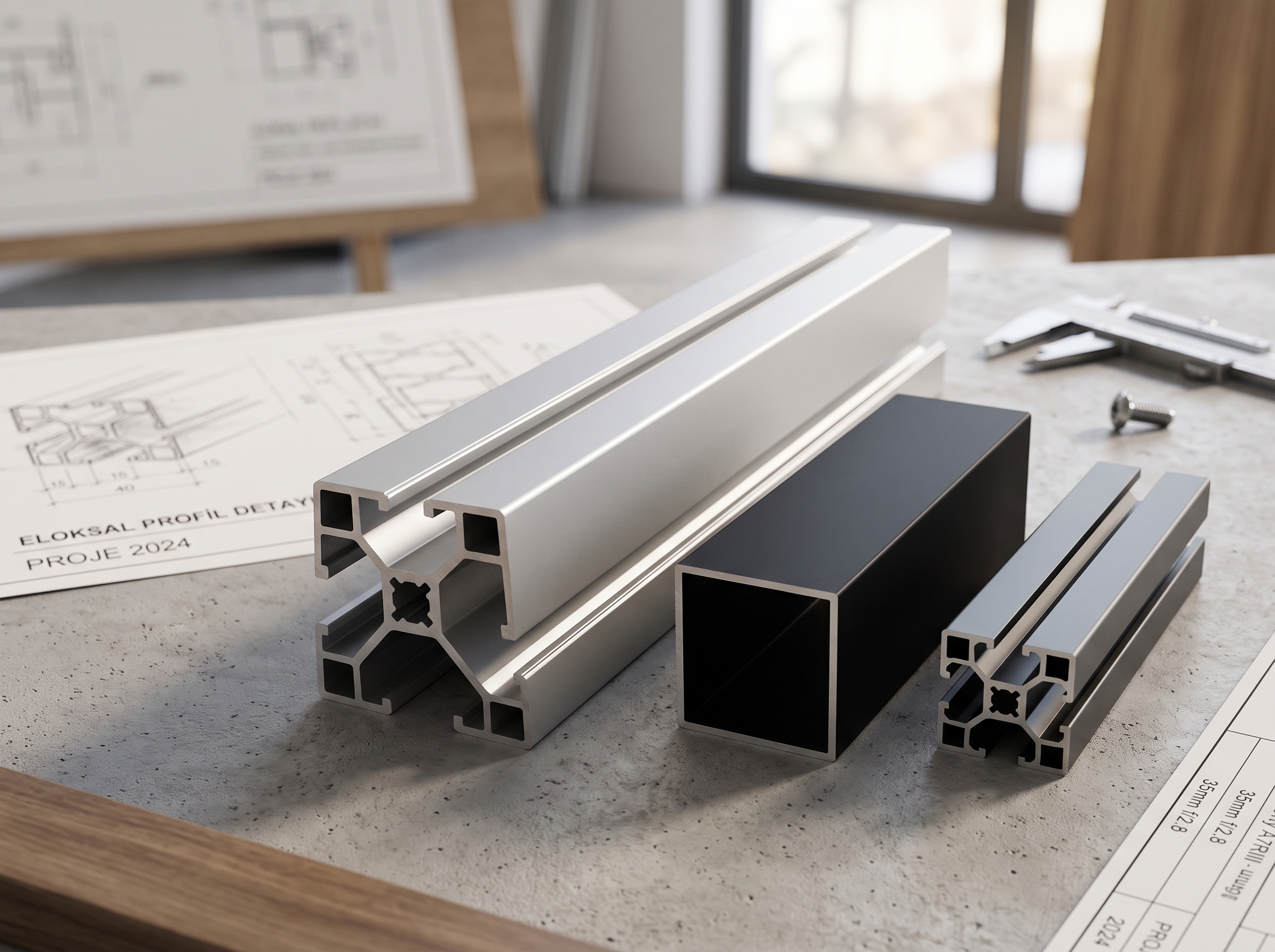
The Biser Aluminum C60 profile product group includes different products such as frame, sash, sash adapter, swing door adapter, adapter, rod, glazing bead, corner, and skirt profiles. Profile options have different weights depending on their geometry and intended use.
Therefore, the term “C60 profile” refers not to a single profile cross-section, but to different aluminum profile components that can be used together within a specific system.
Where Are C60 Aluminum Profiles Used?
The applications of C60 aluminum profiles may vary depending on the selected profile components and the joinery system to be created.
In general, C60 profile systems can be used in:
- Aluminum door applications
- Aluminum window applications
- Interior joinery applications
- Door and window applications in commercial buildings
- Shop and retail joinery
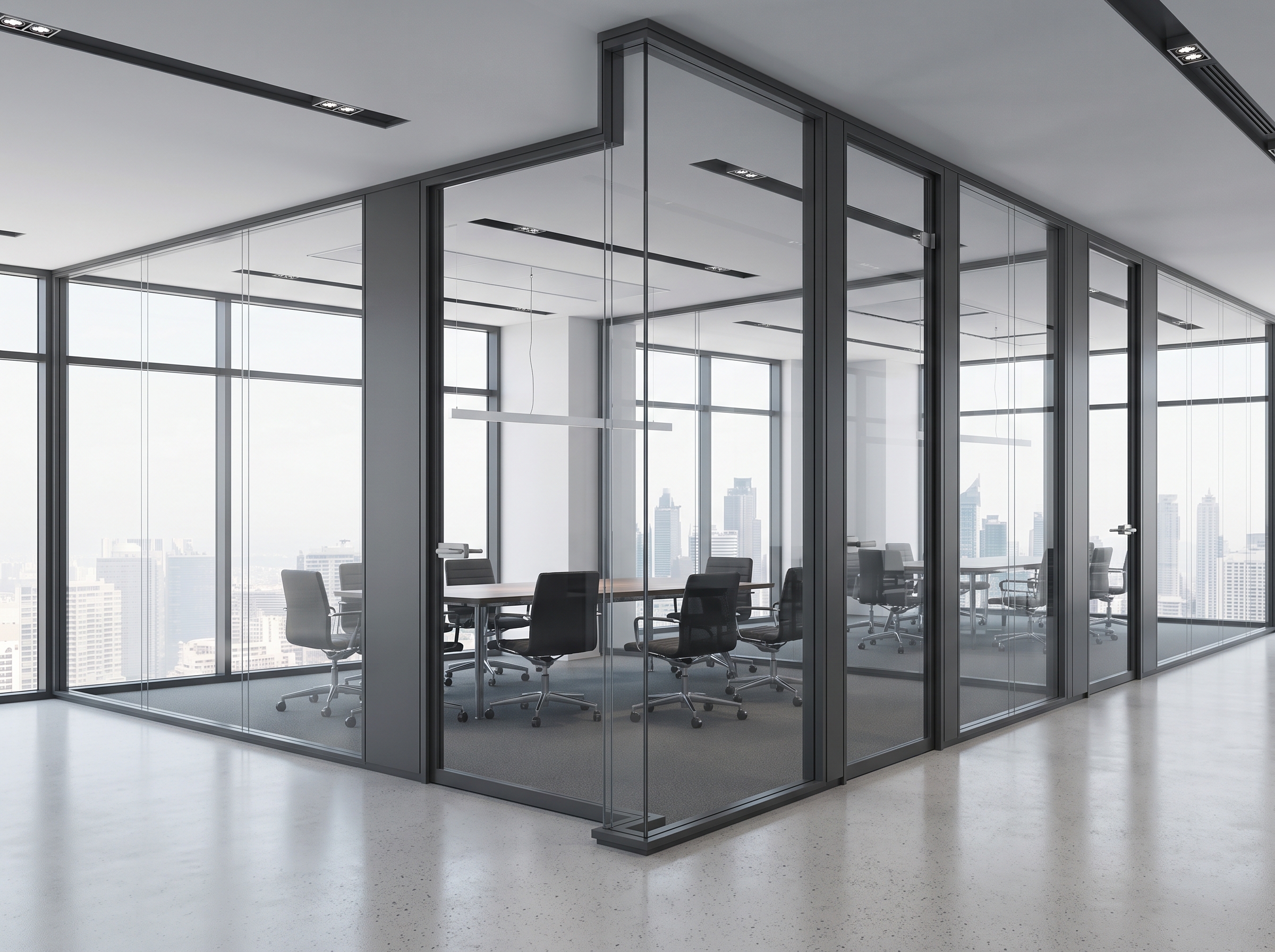
- Partition and fixed joinery applications
- Various architectural joinery projects
When determining the application of C60 systems, not only the profile dimensions but also factors such as opening dimensions, glass selection, sash weight, operating conditions, connection details, and the environment in which the project is located should be considered.
Especially when selecting door and window profiles, it is important that the intended use of the system and the profile cross-sections are compatible with each other.
What Are the Types of C60 Profiles?
Different profile types serving different functions can be used to create a C60 system. The function of a profile within the system determines its cross-sectional geometry and method of use.
Frame Profile
The frame profile is one of the main profile components forming the fixed frame section of a door or window joinery system.
Different frame profile alternatives may be available in C60 systems. Selecting the appropriate frame profile according to the project is important for compatibility with other system components.
Sash Profile
Sash profiles are used to create the opening sash of doors or windows.
When selecting a sash profile, the accessories, glass or infill elements, sash dimensions, and other profiles within the system should be taken into consideration.
Sash Adapter
Sash adapters are complementary components that help different profile components work together compatibly within the system.
Adapter profiles can contribute to maintaining system integrity, particularly when creating different joinery details.
Swing Door Adapter
Adapter profiles used in swing door applications can be used to create the connection and joint details required by the door system.
Glazing Bead
A glazing bead is a complementary profile component that helps secure the glass within the profile system.
When selecting a glazing bead, the glass thickness and compatibility with other system components should be taken into consideration.
Rod Profile
Rod profiles can be among the profile components used for connection and mechanism details in joinery systems.
Corner Profile
Corner profiles are system components used at the corner joints of joinery systems. Depending on the cross-sectional geometry and connection details, different corner solutions can be created.
Skirt Profile
Skirt profiles are profile components that can be used to create lower-section details, particularly in door and window systems.
The Biser Aluminum C60 product group includes different frame, sash, adapter, glazing bead, rod, corner, and skirt profiles.
What Are the Advantages of C60 Aluminum Profiles?
The material properties of aluminum are among the main reasons for using profiles in door and window systems.
Lightweight and Durable Structure
Aluminum has a lower density than steel while still providing sufficient mechanical performance for many architectural applications.
This characteristic can help keep profile weight under control in joinery systems.
Machinability
Aluminum profiles can be processed through cutting, drilling, milling, and similar mechanical operations according to different application requirements.
This characteristic is particularly important in serial production and project-specific joinery applications.
Surface Finishing Options
Aluminum profiles can be adapted to aesthetic and application requirements through different surface finishing processes.
Powder coating, anodizing, and wood-effect surface applications are among the main surface finishing options used for aluminum profiles.
Biser Aluminum's production infrastructure includes vertical powder coating and wood-effect sublimation applications in addition to extrusion.
Design Flexibility
The extrusion process allows aluminum profiles with different cross-sectional geometries to be produced.
This makes it possible to create specific cross-sections for different functions, such as frames, sashes, adapters, glazing beads, and corners.
Ease of Maintenance and Use
When used together with suitable surface finishes, aluminum surfaces can contribute to long-term use and help manage maintenance requirements in architectural applications.
However, the appropriate surface finish should be selected according to factors such as whether the application is indoors or outdoors, environmental conditions, and aesthetic expectations.
What Is the Difference Between a C60 Profile and a Thermally Insulated Aluminum Profile?
One of the most common considerations when selecting a C60 profile is the difference between standard aluminum joinery systems and thermally insulated aluminum profile systems.
When evaluating whether a C60 system is suitable for a particular application, looking only at the system depth is not sufficient.
In buildings where thermal insulation is required, the profile's thermal barrier structure, glass specifications, gasket system, and other system components should be evaluated together.
Especially in door and window applications directly exposed to outdoor conditions, the following factors should be considered together:
- Climate conditions
- Building energy performance
- Glass type
- Glass thickness
- Profile system
- Thermal barrier
- Gasket structure
- Installation details
Therefore, when choosing between a C60 profile and a thermally insulated profile, the technical requirements of the project should be determined first.
What Should Be Considered When Choosing a C60 Profile?
The right C60 aluminum profile should not be selected based solely on the appearance of the product.
1. Determine the Intended Use
It should first be determined whether the profile will be used for a door, window, fixed joinery, or another application.
2. Check System Compatibility
The frame, sash, adapter, glazing bead, and other complementary profiles must be compatible with one another within the same system.
3. Examine the Profile Cross-Section
The profile's cross-sectional geometry, wall thickness, and weight should be evaluated according to the requirements of the application.
4. Consider Glass Thickness
In systems using glass, the compatibility between the glass thickness, glazing bead, and other profile components should be checked.
5. Evaluate Sash Dimensions
When selecting profiles for door and window sashes, the sash dimensions and weight should be taken into consideration.
For large openings, selecting a profile based only on its nominal dimensions is not sufficient. Project loads and the technical limits of the system should be evaluated together.
6. Determine the Surface Finish
The appropriate surface finish should be determined according to the environment in which the profile will be used and the desired appearance.
Powder coating, anodizing, or wood-effect surface finishes can be selected depending on the application.
7. Compare Technical Data
When there are multiple C60 profile alternatives, technical information such as the following should be compared:
- kg/m value
- Profile dimensions
- Wall thickness
- Cross-sectional geometry
- Function within the system
- Compatibility with other profiles
How Are C60 Profile Dimensions Determined?
When searching for “C60 profile dimensions,” focusing only on the 60 mm specification can be misleading.
The 60 mm in the C60 designation is associated with the nominal depth of the system. However, the cross-sectional dimensions, geometry, and weight of each profile used within the system may differ.
For example, the Biser Aluminum C60 product group includes different frame profiles as well as different sash, adapter, glazing bead, corner, and skirt profiles. The kg/m values of these products also vary according to their profile cross-sections.
Therefore, when researching the C60 aluminum profile dimensions required for a project, the relevant technical drawing and product table should be reviewed rather than relying only on the “60 mm” specification.
Difference Between C60 Profiles and Other Aluminum Profile Systems
When selecting aluminum profiles, C60 systems, thermally insulated joinery systems, and other profile groups should not be evaluated in exactly the same way.
Each system may differ in terms of:
- System depth
- Profile geometry
- Components
- Glass capacity
- Thermal insulation structure
- Intended use
- Mechanical requirements
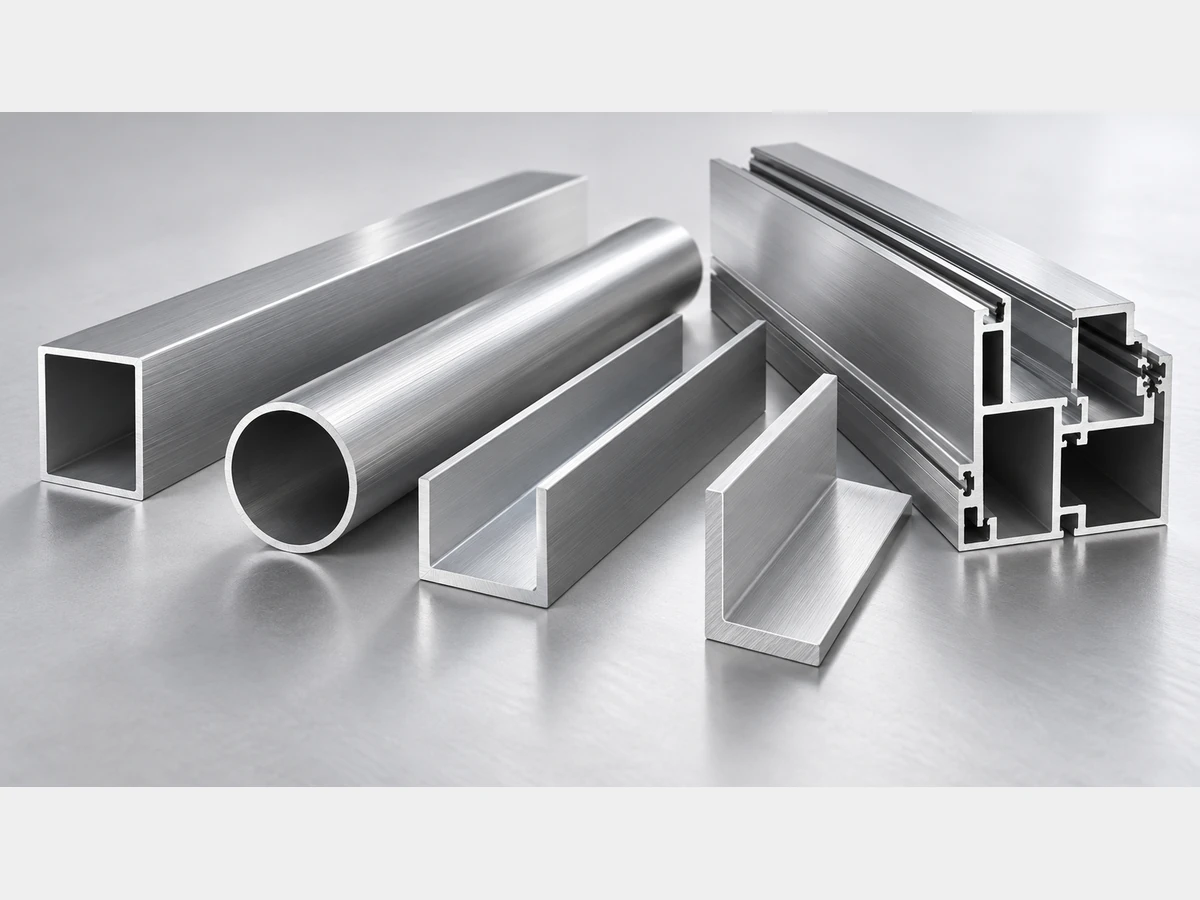
For example, standard C profiles or box profiles are not the same product group as C60 door and window profiles, despite the similarity in their names.
While C60 refers to a profile group used within a specific door and window/joinery system, standard C-section profiles may be used in different construction and industrial applications.
Therefore, when selecting a profile, attention should be paid not only to the cross-sectional shape or product name, but also to the function of the profile within the system.
How Are C60 Aluminum Profiles Manufactured?
One of the fundamental stages of aluminum profile production is extrusion.
The aluminum billet is passed through a suitable die in an extrusion press and transformed into the desired cross-sectional geometry.
The general production flow can be summarized as follows:
Aluminum billet → Heating → Extrusion → Cooling → Stretching → Cutting → Aging → Surface finishing → Mechanical processing → Packaging
During extrusion, the billet is forced through a die under high pressure to obtain the profile cross-section. The production process then continues with straightening, cutting, and the necessary heat treatment processes.
At Biser Aluminum, different production stages, from aluminum billet production to extrusion and surface finishing, can be carried out within the same production infrastructure.
This integrated structure enables different stages of the profile production process to be coordinated efficiently.
What Should You Consider When Choosing a C60 Profile Manufacturer?
When selecting a C60 profile manufacturer, the manufacturer's technical and production infrastructure should be evaluated rather than looking only at the product price.
The following points can be reviewed, particularly for B2B purchases:
- Production capacity
- Profile product range
- Technical drawings and product data
- Alloy options
- Surface finishing options
- Minimum order quantity
- Profile lengths
- Packaging and shipping
- Quality control processes
- Export experience
- Certifications and quality management system
When a project will be implemented in different countries, the manufacturer's export and logistics experience can also become an important part of the purchasing process.
Biser Aluminum C60 Profile Solutions
Biser Aluminum is among the manufacturers producing aluminum billets and extruded profiles.
The Biser C60 profile product group includes frame, sash, sash adapter, swing door adapter, adapter, rod, glazing bead, corner, and skirt profiles for different applications. Products can be reviewed together with their technical drawings and weight per meter.
To review C60 profile products together with their technical specifications, you can visit the Biser Aluminum C60 Profiles page.
Frequently Asked Questions About C60 Profiles
What is a C60 profile?
A C60 profile is an aluminum profile system defined by a 60 mm system depth and used in various door, window, and joinery applications.
Where are C60 profiles used?
C60 profiles can be used for doors, windows, fixed joinery, joinery applications in commercial spaces, and various architectural projects. Their applications vary depending on the selected profile components and system specifications.
How many millimeters is a C60 profile?
The C60 designation indicates the nominal 60 mm depth of the system. However, the cross-sectional dimensions of the frame, sash, adapter, and other profile components used in the system may differ.
Is a C60 profile thermally insulated?
The C60 designation alone does not indicate that a profile is thermally insulated. Thermal insulation should be evaluated together with the profile system structure, thermal barrier, glass, gaskets, and other components.
What types of glass can be used with C60 profiles?
The applicable glass thickness depends on the technical specifications of the selected C60 system and the glazing bead and other system components used. Therefore, the relevant technical product data should be checked before the project begins.
Is a C60 profile the same as a standard C profile?
No. C60 refers to a door and window/joinery system, whereas a standard C profile may refer to a different type of profile classified according to its cross-sectional geometry. Similarity in names does not mean that the two products are the same.
What should be considered when purchasing a C60 profile?
The intended use of the profile, system compatibility, cross-sectional dimensions, kg/m value, glass compatibility, sash dimensions, surface finish, technical drawings, and the manufacturer's quality standards should all be evaluated together.
Conclusion
C60 aluminum profiles are used within door and window/joinery systems where different frame, sash, adapter, glazing bead, corner, and other complementary components can be used together.
When selecting the right profile, it is important to consider not only the term “C60 profile” or the system depth, but also the project's intended use, opening dimensions, glass specifications, profile cross-sections, surface finish, and system components.
For B2B projects, factors related to the manufacturer, such as production capacity, quality infrastructure, surface finishing options, packaging, and export capabilities, should also be considered alongside technical product data.
To explore C60 aluminum profile varieties, technical drawings, and weights per meter, you can review the Biser Aluminum C60 Profile product group.