Aluminum Pergola Systems: Profile Selection, Advantages, and Application Details
Creating outdoor spaces that can be comfortably used throughout the year has become a key requirement for both residential and commercial projects. Among the most effective solutions available today are aluminum pergola systems. Thanks to their durability, modern appearance, and low maintenance requirements, they are widely preferred for hotels, restaurants, cafés, villas, commercial buildings, and other architectural applications.
However, the long-term performance of a pergola system depends on much more than its design. The quality of the aluminum profiles, alloy selection, surface treatments, connection details, and manufacturing processes all play a critical role in ensuring durability and reliable operation. For architects, contractors, system manufacturers, and installers, selecting the right profile is therefore essential.
In this article, we examine aluminum pergola systems from a manufacturer's perspective, covering profile selection criteria, key advantages, and important application considerations.
What Are Aluminum Pergola Systems?
Pergola systems are structures designed to protect outdoor spaces from sunlight, rain, and other weather conditions while allowing these areas to be used throughout the year. Today, traditional manual systems have largely been replaced by motorized and automated solutions.
A modern aluminum pergola system typically consists of:
- Structural columns
- Main support beams
- Fixed or movable roof profiles
- Integrated drainage channels
- Connection components
- Motors and automation systems
- Optional LED lighting
- Glass enclosure or ZIP screen integration
The foundation of all these components is precision-engineered aluminum extrusion profiles.
Why Choose Aluminum Pergolas?
Although pergolas can also be manufactured from steel, wood, or PVC, aluminum offers significant advantages, particularly for professional architectural projects.
Lightweight Yet Strong
Due to its low density, aluminum allows large spans to be achieved with reduced structural weight. This simplifies installation while minimizing the load imposed on the building.
Excellent Corrosion Resistance
Aluminum naturally forms a protective oxide layer that provides excellent resistance against corrosion. In coastal or highly corrosive environments, suitable surface treatments can further extend the service life of the system.
Outstanding Design Flexibility
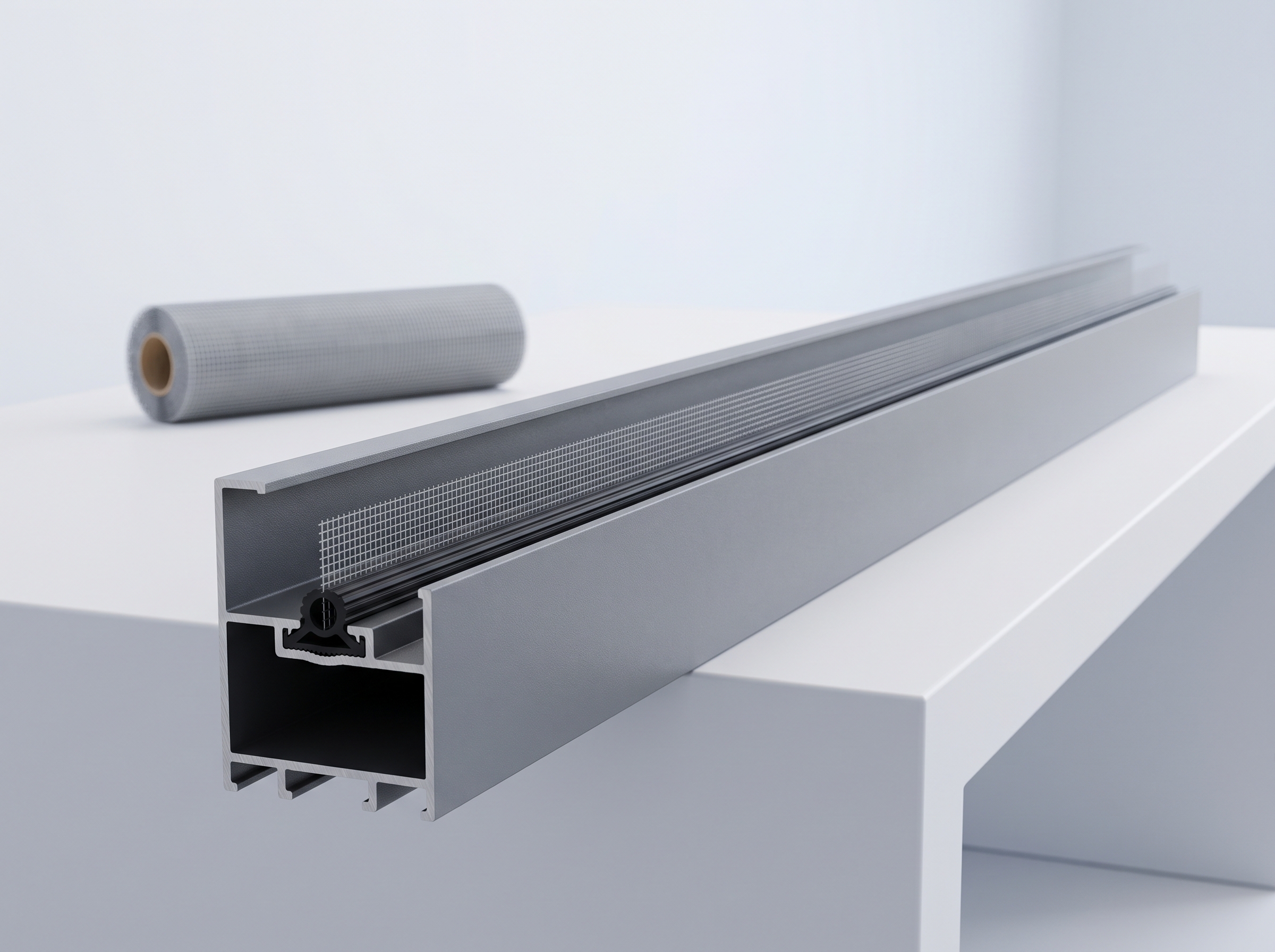
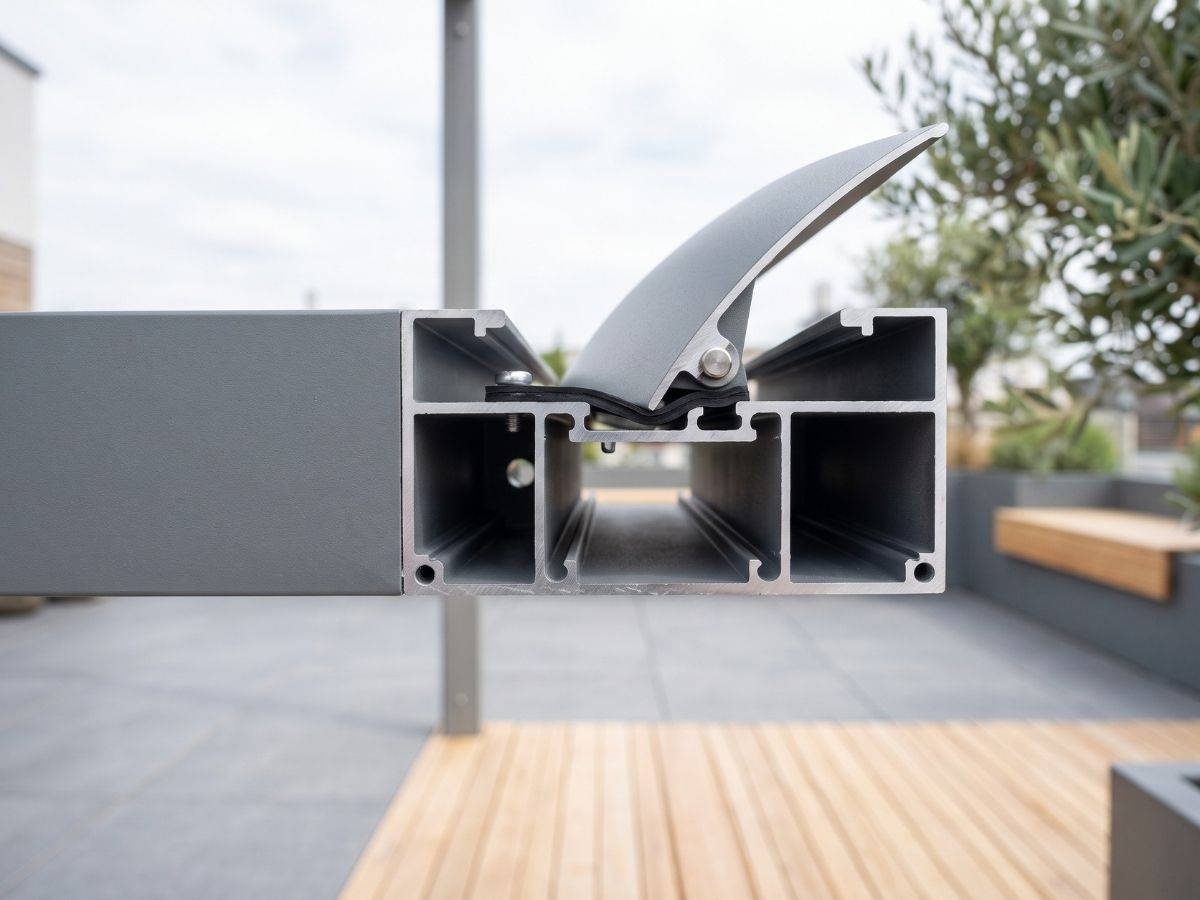
Aluminum extrusion technology makes it possible to manufacture highly complex profile geometries. This enables multiple functional features to be integrated into a single profile, including:
- Hidden drainage channels
- LED lighting grooves
- Gasket channels
- Mechanical fastening cavities
- Sliding rail systems
Low Maintenance
Properly treated aluminum profiles require only periodic cleaning to maintain their appearance and functionality for many years.
Sustainable Material
Aluminum is one of the world's most recyclable engineering materials. It can be recycled repeatedly with minimal loss of its mechanical properties, making it an environmentally responsible choice for sustainable construction projects.
Key Factors in Aluminum Profile Selection
Not every aluminum profile delivers the same level of performance. Several technical considerations should be evaluated during the design phase.
1. Alloy Selection
The most commonly used alloys for pergola systems include:
| Alloy | Typical Application | Key Feature |
|---|---|---|
| 6063 | Architectural profiles | Superior surface finish |
| 6060 | Lightweight systems | Excellent extrudability |
| 6061 | Structural members | Higher mechanical strength |
| 6082 | Heavy-duty applications | Very high strength |
The appropriate alloy should be selected according to span length, wind loads, and the intended application.
2. Wall Thickness
Profile wall thickness directly affects:
- Structural strength
- Fastening performance
- Dimensional stability
- Long-term durability
Although thinner profiles may reduce initial costs, they can increase the risk of bending or deformation over time.
3. Profile Design
A well-engineered profile section provides:
- Lower weight
- Higher rigidity
- Improved drainage
- Easier installation
- Fewer connection components
Profile geometry should be optimized based on both structural calculations and aesthetic requirements.
4. Surface Treatment
Since pergola systems are continuously exposed to outdoor conditions, surface protection is essential.
The most common finishing options include:
- Powder coating
- Anodizing
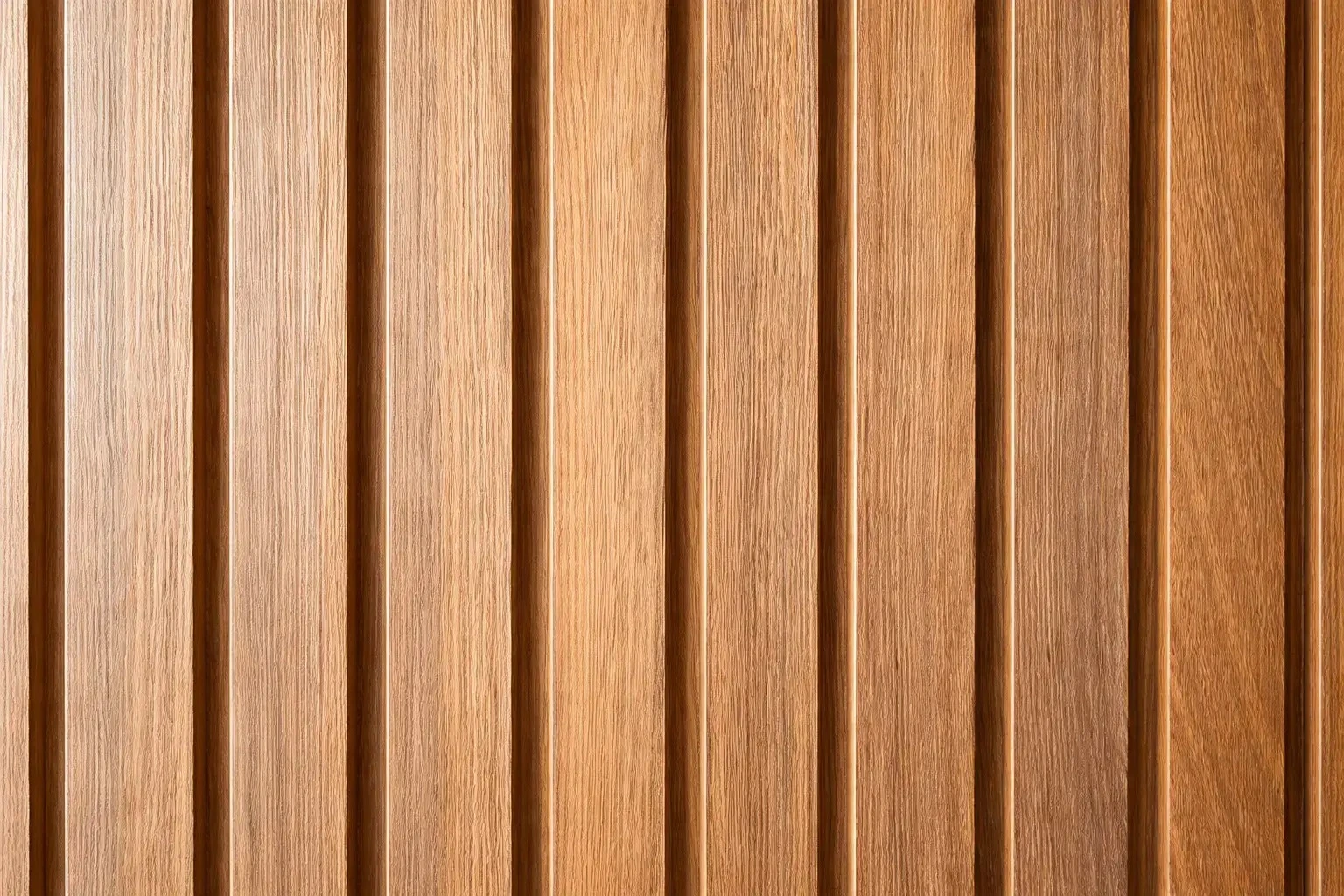
- Wood grain finish
High-quality coatings provide excellent UV resistance and long-term color stability.
How Extrusion Quality Affects Pergola Performance
The performance of an aluminum profile depends not only on its design but also on manufacturing quality.
High-quality extrusion production requires:
- Homogeneous alloy composition
- High-quality billets
- Optimized extrusion parameters
- Controlled cooling
- Stress relief processes
- Precision straightening
- Tight dimensional tolerances
Poor extrusion quality may result in:
- Bent profiles
- Surface imperfections
- Dimensional inconsistencies
- Assembly problems
- Coating defects
These issues become particularly critical in automated pergola systems where precision is essential.
Surface Finishing Options for Aluminum Pergolas
Powder Coating
Powder coating is the most widely used finishing method due to its many advantages:
- Wide range of color options
- Excellent UV resistance
- High impact resistance
- Easy maintenance
- Uniform appearance
For premium architectural applications, coating quality is often evaluated according to Qualicoat requirements.
Anodizing
Anodizing creates a controlled oxide layer on the aluminum surface.
Its main benefits include:
- Excellent corrosion resistance
- Elegant metallic appearance
- Improved wear resistance
- Long service life
Quality control is generally performed according to relevant EN and ISO standards.
Wood Grain Finish
Wood-effect finishes combine the natural appearance of timber with the durability and maintenance advantages of aluminum.
Structural Design and Load Calculations
An attractive appearance alone is not sufficient for a reliable pergola system.
The following loads should always be considered during structural design:
- Wind loads
- Snow loads
- Live loads
- Roof mechanism weight
- Glass enclosure loads
- ZIP screen loads
Selecting profiles without proper engineering calculations may lead to structural deformation over time, especially in large-span applications.
Why Quality Control Matters
The quality of an aluminum pergola depends on every stage of the manufacturing process.
Key quality control procedures include:
- Chemical analysis
- Billet inspection
- Die inspection
- Extrusion process monitoring
- Dimensional inspection
- Mechanical testing
- Surface inspection
- Coating thickness measurement
- Packaging inspection
Manufacturers operating under ISO 9001 quality management systems can ensure greater process consistency and product traceability.
Architectural Advantages of Aluminum Pergola Systems
Modern pergolas offer much more than weather protection.
Their advantages include:
- Increased property value
- Extended outdoor living space
- Improved energy efficiency
- Year-round use of commercial outdoor areas
- Contemporary architectural appearance
- Enhanced return on investment for hospitality businesses
For restaurants, hotels, and cafés, aluminum pergolas can significantly increase the usability and profitability of outdoor seating areas.
What to Consider When Choosing a Manufacturer
In B2B projects, selecting a supplier should involve more than comparing prices.
| Selection Criteria | Why It Matters |
|---|---|
| Billet quality | Ensures consistent mechanical properties |
| Extrusion capacity | Supports continuous production |
| Die design capability | Enables custom profile development |
| Surface finishing options | Meets diverse project requirements |
| Dimensional tolerances | Ensures accurate installation |
| Quality certifications | Demonstrates manufacturing reliability |
| Technical support | Facilitates project development |
Manufacturers capable of integrating billet production, extrusion, surface finishing, and quality control within a single facility typically offer greater consistency and better supply chain management.
Practical Checklist Before Starting Your Pergola Project
Before placing an order or beginning production, verify the following:
✔ Is the selected alloy suitable for the project?
✔ Has the profile been optimized through structural calculations?
✔ Is the wall thickness adequate?
✔ Is the surface finish suitable for outdoor exposure?
✔ Is the drainage system properly designed?
✔ Have all connection details been tested?
✔ Have installation tolerances been verified?
✔ Does the manufacturer hold relevant quality certifications?
✔ Have profile dimensions been inspected?
✔ Has the surface quality been thoroughly checked?
Conclusion
Aluminum pergola systems combine aesthetics, durability, and low maintenance, making them one of the most preferred solutions for modern architectural projects. However, achieving long-term performance requires selecting the appropriate alloy, designing optimized profile sections, manufacturing with high-quality extrusion processes, and applying suitable surface treatments.
For B2B projects, profile selection should not be based solely on cost. Mechanical performance, dimensional accuracy, surface quality, and the manufacturer's technical expertise are equally important. An integrated production approach—from billet manufacturing and extrusion to finishing and quality control—helps ensure reliable, high-performance pergola systems with an extended service life.
Request Technical Support or a Quotation
If you are looking for aluminum profiles for pergola systems, custom profile development, aluminum extrusion services, or various surface finishing solutions, Biser Aluminum can support your project with a manufacturer-oriented approach. Our technical team is ready to help you identify the most suitable profile solutions and provide customized quotations based on your project requirements.