Aluminum Glass Balcony Profiles: Features, Applications, and System Selection
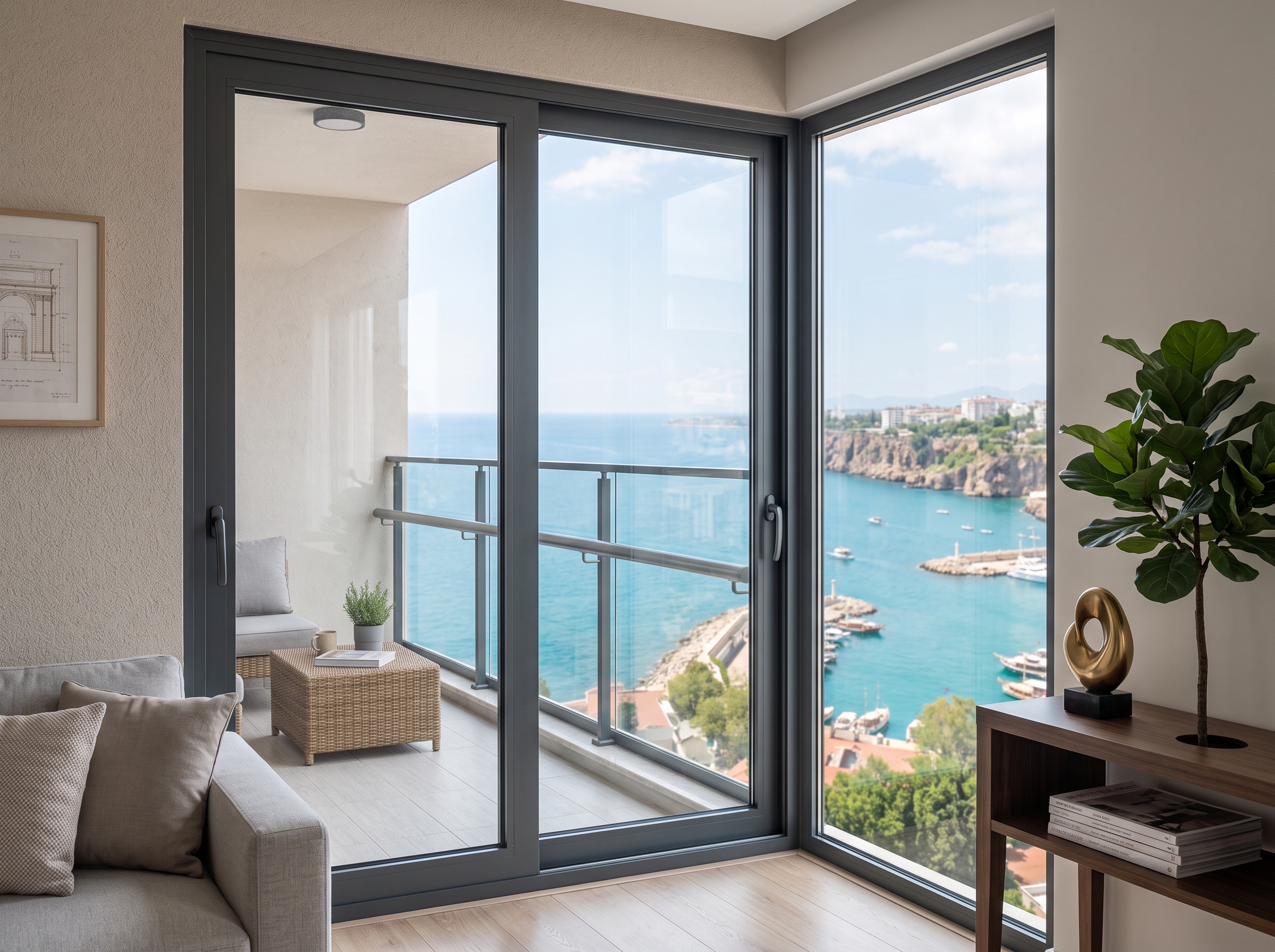
Glass balcony systems are among the solutions that allow balconies to be used in a more functional and aesthetically pleasing way. The profiles used in these systems play an important role in terms of durability, ease of use, and overall appearance. Aluminum, in particular, is widely preferred in glass balcony systems due to its lightweight structure, durability, and adaptability to different design requirements.
Aluminum glass balcony profiles are among the key structural components used to support, move, and secure glass panels within a system. Profile geometry, wall thickness, surface treatment, and system design can directly affect the performance and aesthetic appearance of the application.
This article examines what aluminum glass balcony profiles are, which properties they should have, which surface treatments can be applied, and what should be considered when selecting a glass balcony system.
What Is an Aluminum Glass Balcony Profile?
An aluminum glass balcony profile is an aluminum extrusion profile used in glass balcony systems to support, guide, secure, or facilitate the movement of glass panels.
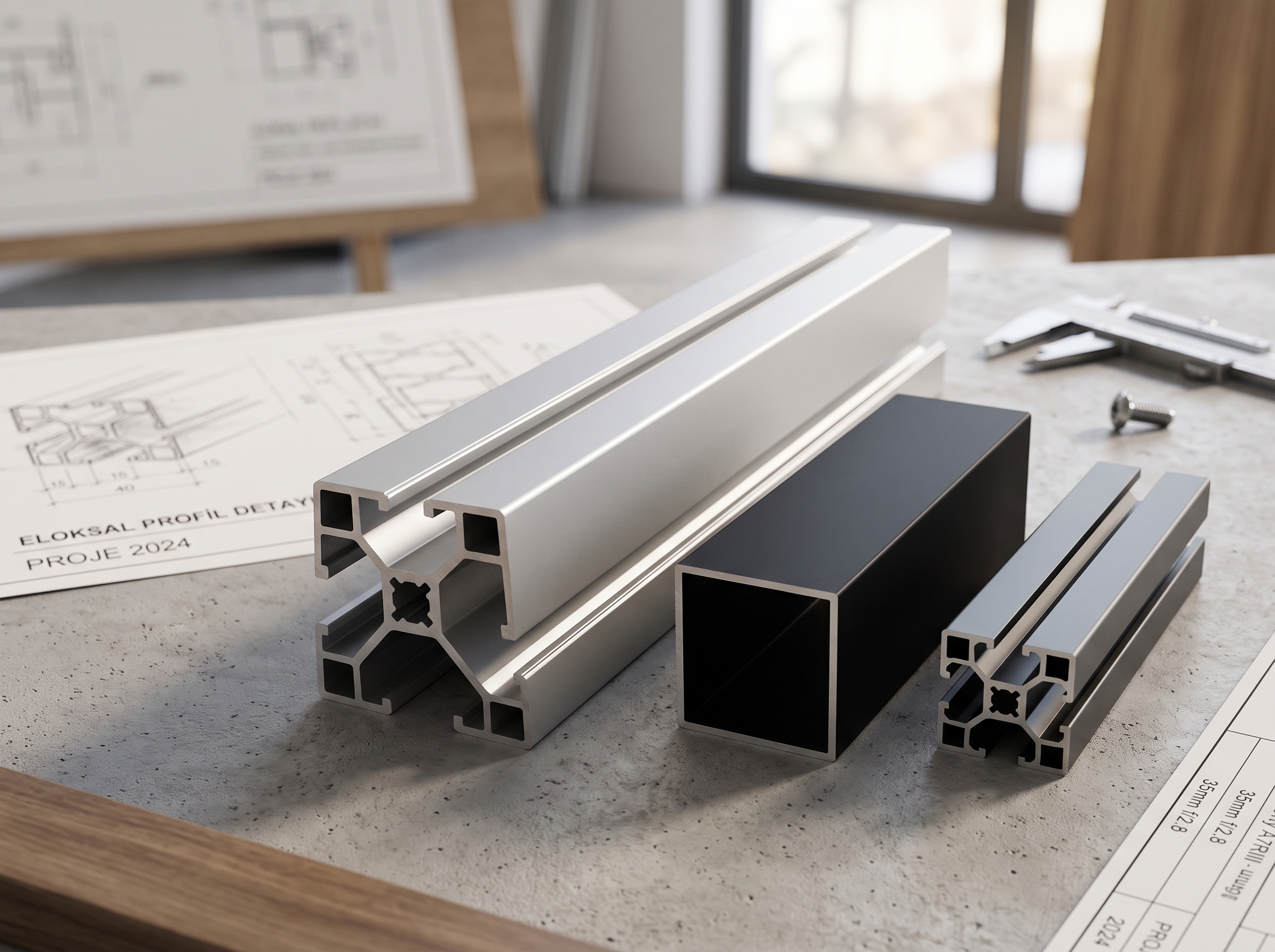
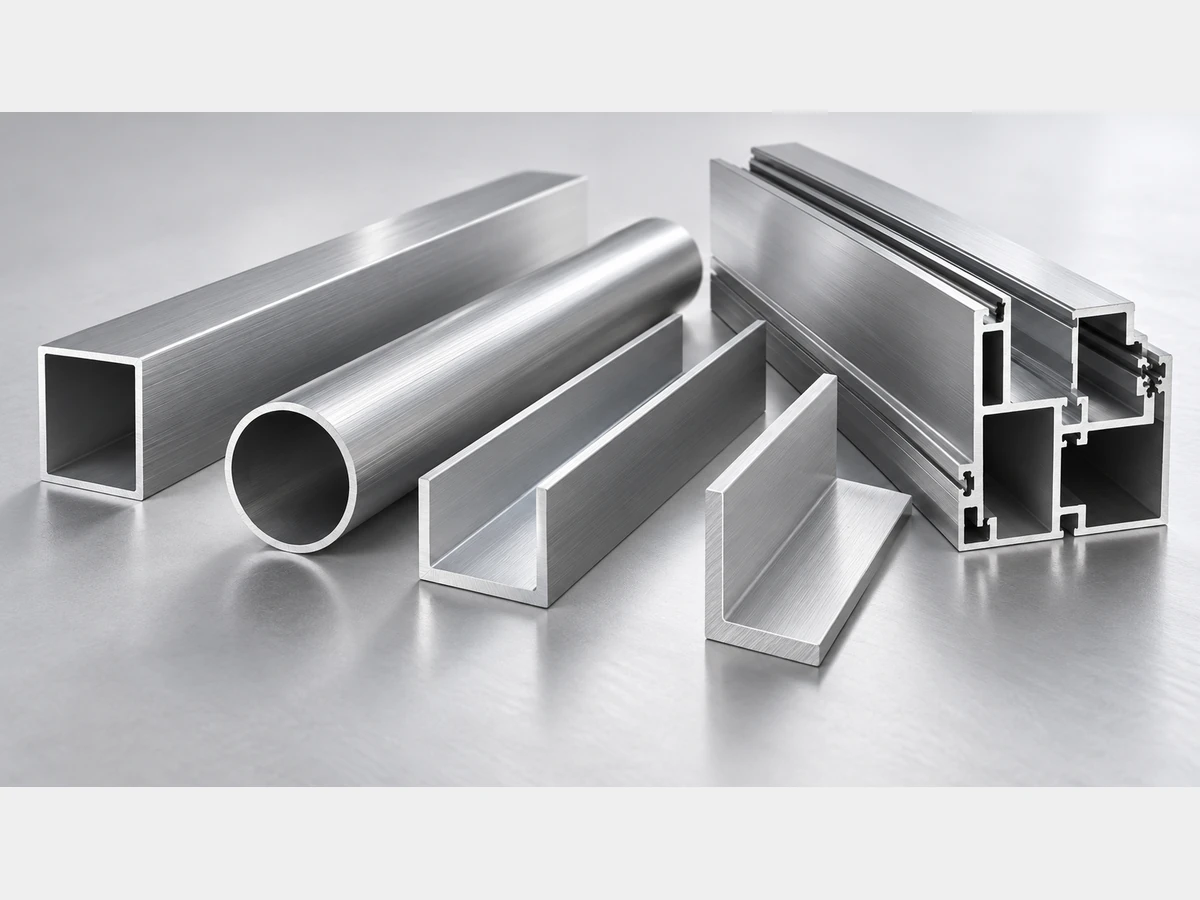
Thanks to aluminum's suitability for extrusion, profiles can be manufactured in a wide range of cross-sections and geometries. This allows different types of profiles, such as rail, sash, support, cover, and connection profiles, to be developed according to the requirements of the system.
Profile selection for glass balcony applications should not be evaluated solely in terms of appearance. Profile dimensions, cross-sectional design, mechanical properties, surface quality, and intended function within the system should all be considered together.
Why Is Aluminum Preferred for Glass Balcony Systems?
Aluminum is widely used in glass balcony systems due to several advantages.
Lightweight and Durable Structure
Aluminum is a low-density metal that can provide sufficient mechanical strength. This characteristic is particularly important in systems where glass, which is relatively heavy, is used as a structural component.
With a properly designed profile cross-section, the required strength and rigidity can be achieved while keeping profile weight under control.
Suitability for Extrusion
One of the key properties of aluminum is its suitability for extrusion into different cross-sectional shapes.
This manufacturing method allows manufacturers to:
- Produce complex profile geometries.
- Manufacture profiles in different dimensions.
- Develop profiles specifically designed for system components.
- Create channels and slots suitable for assembly and connection details.
For this reason, aluminum extrusion is an important manufacturing method for producing the custom profile geometries required in glass balcony systems.
Corrosion Resistance
A naturally occurring oxide layer forms on the surface of aluminum and contributes to the material's resistance to environmental exposure. However, the surface treatment to be used for glass balcony profiles should also be evaluated according to the application environment and the desired aesthetic properties.
Surface Treatment Options
Aluminum profiles can be subjected to different surface treatments to meet aesthetic and functional requirements.
Depending on the application, anodizing, powder coating, or decorative surface treatments may be considered for glass balcony profiles.
Powder coating, in particular, is widely used in architectural applications because it offers a broad range of color options.
What Components Are Used in Aluminum Glass Balcony Systems?
The profile structure of glass balcony systems may vary depending on the design of the system. In general, different profile components serve different functions.
These may include:
- Bottom and top rail profiles
- Sash profiles
- Support profiles
- Cover profiles
- Corner profiles
- Connection and fixing profiles
Each profile performs a different function within the system. For example, rail profiles help guide movable glass panels, while sash profiles may be used to position and secure the glass within the system.
Therefore, when selecting a glass balcony profile, the system should be evaluated as a whole rather than focusing on the characteristics of a single profile.
What Should Be Considered When Selecting a Glass Balcony Profile?
The appropriate profile should be selected according to the intended use and application conditions of the system. The following criteria should be considered during profile selection.
Profile Cross-Section
The cross-sectional geometry of a profile is important in terms of its load-bearing capacity and connection method within the system. Factors such as the characteristics of the glass used, opening dimensions, and whether the system is movable or fixed can affect profile design.
Profile Wall Thickness
Profile wall thickness is one of the factors affecting the mechanical behavior of a profile. However, a thicker profile does not automatically mean that it is more suitable for every application.
Profile geometry, alloy, and intended use should be evaluated together.
Alloy
Aluminum profiles can be manufactured using different alloy groups. The alloy selected for glass balcony profiles should be determined according to the manufacturing process and the required mechanical properties.
When selecting an alloy for extrusion profiles, factors such as extrudability, mechanical properties, and suitability for surface treatments should be considered together.
Surface Quality
Since glass balcony profiles are visible architectural components, surface quality is important. The suitability of the profile surface for painting, anodizing, or other surface treatments can affect the appearance of the finished product.
Dimensions and Tolerances
Ensuring that profile dimensions are compatible with the system design and that production tolerances are controlled is important for ensuring proper interaction between components.
Particularly in movable glass balcony systems, the geometrical compatibility of rail and sash profiles can affect operating performance.
Which Surface Treatments Are Used for Glass Balcony Profiles?
Aluminum glass balcony profiles can undergo various surface treatments to achieve different colors and appearances.
Powder Coating
Electrostatic powder coating is one of the most widely used surface treatments for coloring aluminum profiles. A wide range of colors can be offered, including RAL colors.
Powder coating allows profiles to be coordinated with architectural projects or existing building elements.
Anodizing
Anodizing is an electrochemical surface treatment that creates a controlled oxide layer on the aluminum surface. It can contribute to both the appearance and surface properties of the profile.
Wood-Effect Surfaces
Decorative sublimation can also be used to give aluminum profiles a wood-like appearance.
In this process, a decorative pattern is transferred onto the profile surface using transfer film. This allows the technical properties of aluminum to be combined with a wood-effect appearance.
Applications of Aluminum Glass Balcony Profiles
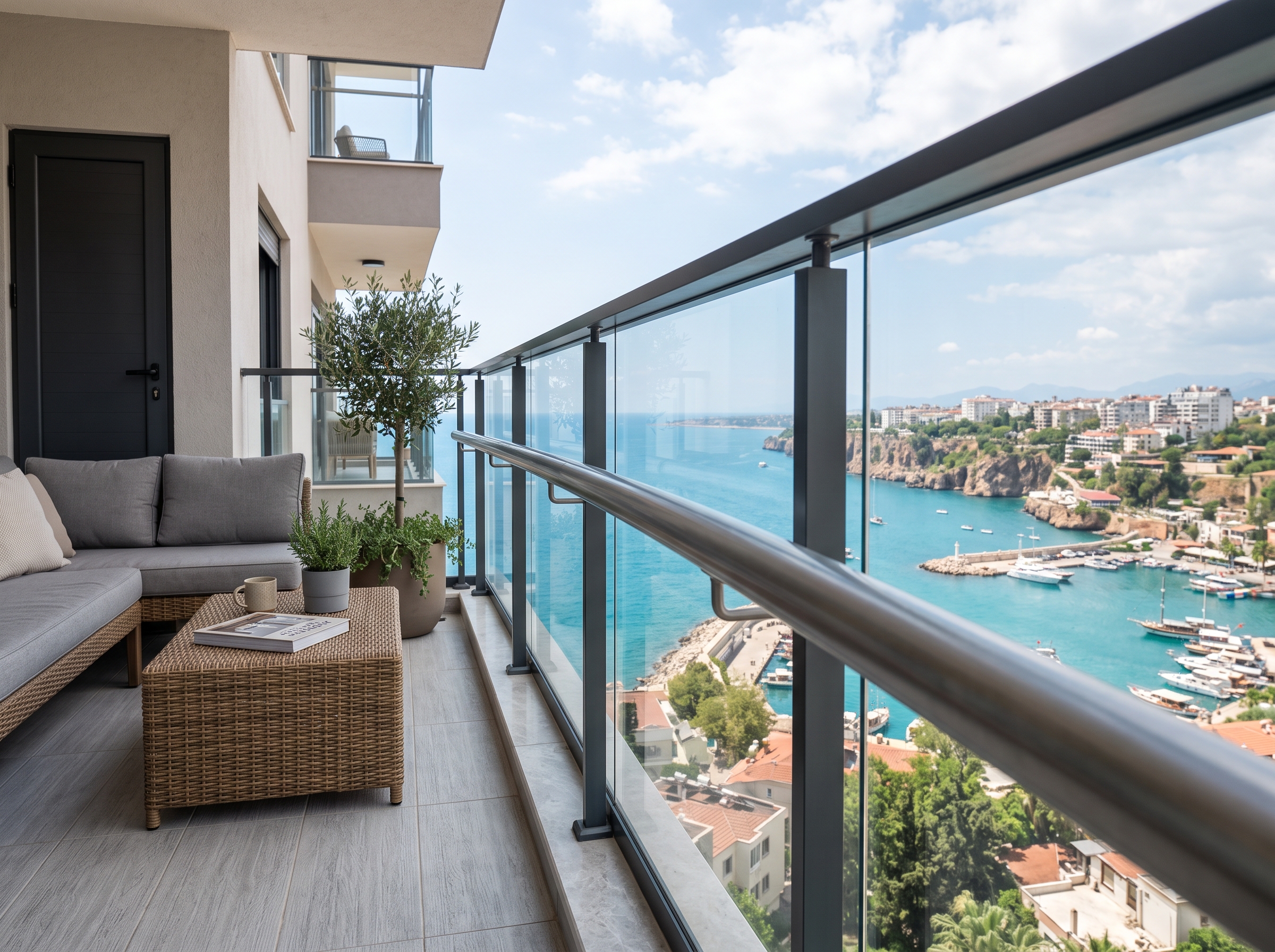
Aluminum glass balcony profiles can be used in a variety of architectural applications. Common applications may include:
- Residential balconies
- Terraces
- Winter gardens
- Villas and detached residential buildings
- Commercial buildings
- Restaurant and café balconies
- Hotels and hospitality buildings
- Architectural glass applications
Depending on the nature of the application, fixed or movable glass panels, different rail systems, and various profile cross-sections may be used.
Profile Applications in Sliding and Folding Glass Balcony Systems
The operating principle of a glass balcony system directly affects the structure of the profiles and accessories used.
In sliding glass balcony systems, glass panels move along a defined rail. Therefore, the geometry and surface characteristics of the rail profiles are important for the movement mechanism of the system.
In folding glass balcony systems, the panels can be brought together at designated points. In these systems, the profiles and connection components must be designed to accommodate the movement of the panels.
In both applications, compatibility between profiles and accessories is important for overall system performance.
Aluminum Extrusion for Glass Balcony Profile Manufacturing
Aluminum extrusion is used to manufacture glass balcony profiles. During the extrusion process, an aluminum billet is forced through a specially prepared die under high pressure to form the desired profile cross-section.
The general manufacturing process may consist of the following stages:
Billet Preparation → Extrusion → Pulling & Stretching → Cutting → Heat Treatment → Surface Treatment → Mechanical Processing → Quality Control → Packaging
At each stage of production, profile dimensions, surface condition, and technical properties can be inspected to evaluate compliance with the required specifications.
In aluminum profile manufacturing, factors such as extrusion press capacity, die design, billet properties, and production parameters play an important role in the quality of the final profile.
Aluminum Profile Manufacturing with Biser Aluminium
Biser Aluminium is an aluminum manufacturer that carries out aluminum billet and extrusion profile production within an integrated manufacturing structure.
At Biser Aluminium's production facility in Malatya, various processes are carried out from aluminum billet production through to the manufacture of extruded profiles.
The profile production facility operates with 6" 1540 UST and 8" 2750 UST extrusion presses. Its production capacity and machinery are structured to enable the manufacture of aluminum profiles in different dimensions and cross-sectional geometries.
Following extrusion, profiles can undergo surface treatments according to project requirements. Cutting, drilling, milling, countersinking, and other mechanical processing operations can also be carried out.
This integrated production approach enables custom aluminum profile cross-sections required for glass balcony systems to be considered together with subsequent finishing and machining processes.
Why Should Aluminum Glass Balcony Profiles Be Evaluated from a Manufacturer's Perspective?
When selecting a profile for a glass balcony system, not only the appearance of the product in the catalogue but also how the profile is manufactured should be considered.
The manufacturer's extrusion infrastructure, alloy options, surface treatment capabilities, dimensional control, and mechanical processing capabilities can play an important role in adapting products to different project requirements.
Especially for projects requiring custom cross-sections, it is important for the manufacturer to have the technical capabilities and infrastructure required for die preparation, extrusion, and subsequent processing.
Conclusion
Aluminum glass balcony profiles are important structural components used to form the supporting and movable elements of glass balcony systems. Aluminum's lightweight structure, suitability for extrusion, compatibility with different surface treatments, and ability to be manufactured in various cross-sections are among the key reasons why it is widely used in glass balcony applications.
When selecting a profile, factors such as profile cross-section, alloy, wall thickness, surface treatment, dimensional tolerances, system compatibility, and manufacturing infrastructure should be evaluated together rather than focusing solely on price or appearance.
For glass balcony system manufacturers and aluminum profile suppliers, selecting the right profile begins with a proper analysis of the technical requirements of the application. The ability to manufacture custom cross-sections can also help accommodate different project requirements and system designs.
With its manufacturing infrastructure covering processes from aluminum billet production and extrusion to surface treatment and mechanical processing, Biser Aluminium manufactures aluminum profiles for various applications. For technical information and product options for glass balcony applications, please contact us.