Aluminum Elevator Profiles: Types, Features, Applications and Selection Guide
Profiles used in elevator systems play an important role in the production of cabins, doors, rails, sills, guides and other structural components. Aluminum profiles, in particular, can be adapted to various design and manufacturing requirements thanks to their lightweight structure, durability, machinability and ability to be produced in different cross-sections.
Aluminum elevator profiles can be manufactured in different cross-sections, dimensions and geometries depending on their intended application. After extrusion, profiles can be processed through cutting, drilling, milling, slotting, tapping, countersinking and other machining operations to meet the requirements of specific elevator systems.
For this reason, selecting a profile for an elevator project involves more than considering its external dimensions. Factors such as cross-sectional geometry, compatible components, assembly method, alloy, wall thickness, surface treatment, mechanical requirements and production tolerances should also be taken into consideration.
What Is an Aluminum Elevator Profile?
An aluminum elevator profile is an aluminum extrusion manufactured for use in specific components of elevator systems. The profile cross-section is designed according to its intended function and the requirements of the elevator system.
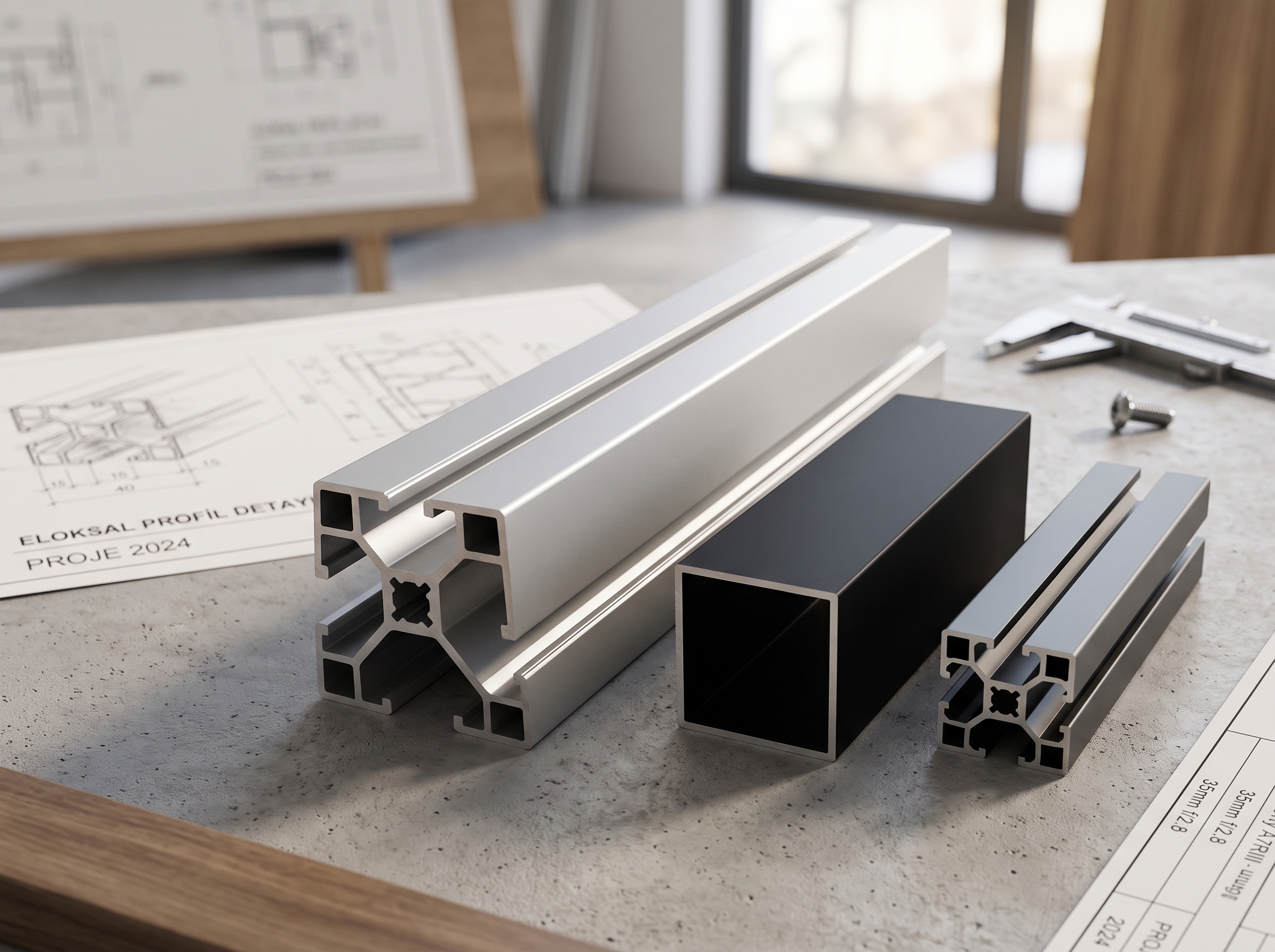
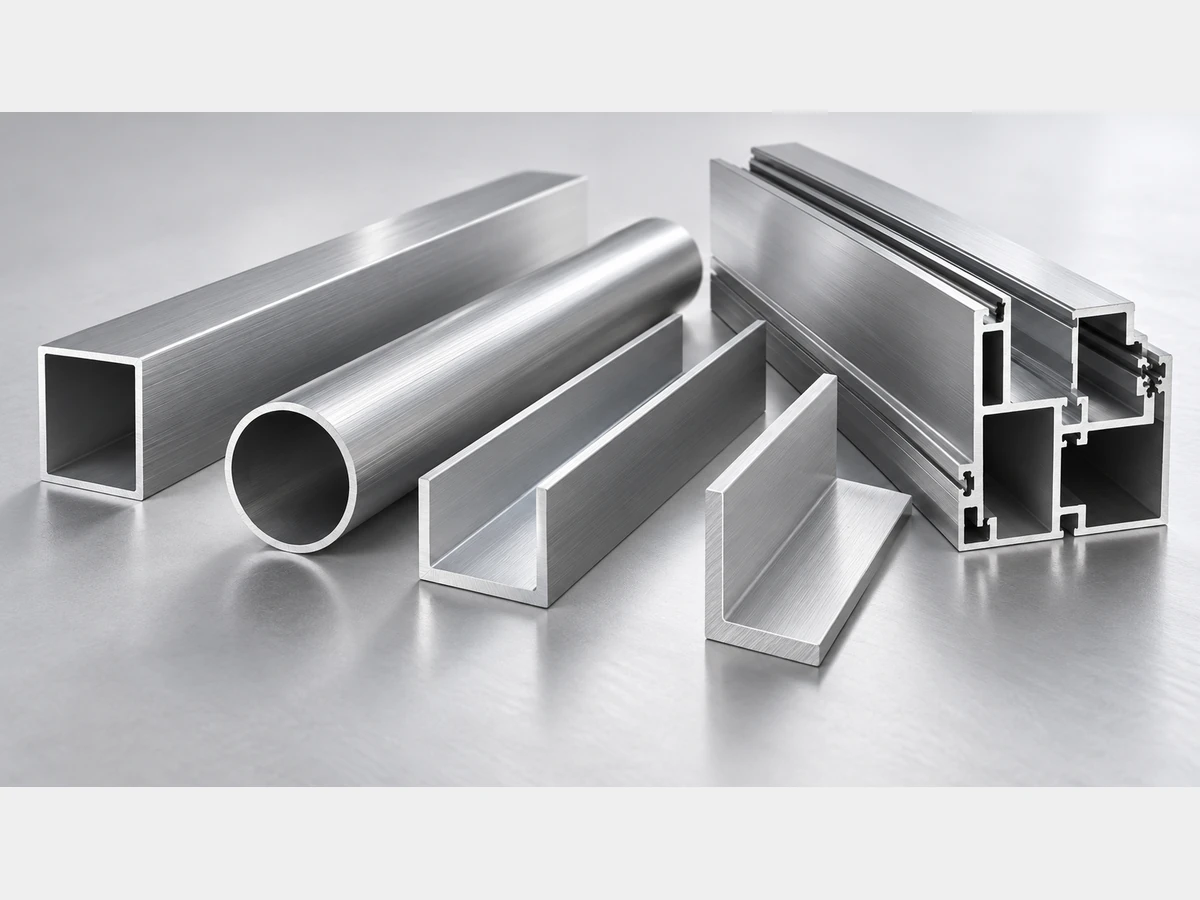
Thanks to the extrusion process, profiles with complex cross-sections can be produced as a single piece. This allows connection points, channels and other geometric details to be incorporated directly into the profile design.
The appropriate profile for an elevator application should be determined according to the technical requirements of the project. Different elevator systems may require different profile types, dimensions and cross-sectional geometries.
Where Are Aluminum Elevator Profiles Used?
Aluminum profiles can be used in different components of elevator systems. Their application depends on the geometry and function of the profile.
Common applications include:
- Elevator cabin components
- Elevator door systems
- Elevator sill applications
- Guide and connection components
- Interior and exterior cabin components
- Decorative and frame profiles
- Special elevator systems
- Custom aluminum extrusion profiles for elevator applications
It is important to note that not every aluminum profile is suitable for every elevator application. The intended use, load conditions, connection method and overall system design should be evaluated together when selecting a profile.
Types of Aluminum Elevator Profiles
Elevator profiles can be classified in different ways according to their functions and cross-sectional structures.
Elevator Rail Profiles
Elevator rail profiles are specialized profiles used as part of the guiding and movement mechanism in certain elevator systems. The geometry, connection method and surface characteristics of the rail profile are determined according to the system design.
The lightweight structure of aluminum can help reduce component weight in certain applications. However, for profiles used as rails or guides, factors such as system requirements, load conditions and mechanical performance must also be considered.
Elevator Sill Profiles
Elevator sill profiles are used in the entrance area of elevator cabins or doors. Dimensional accuracy, cross-sectional geometry and surface quality can be important considerations for sill profiles.
The compatibility of the profile with the door system, installation details and dimensions of the mechanism should be evaluated when selecting the appropriate profile.
Elevator Guide Profiles
Guide profiles can be used in applications where moving elevator components need to be guided or supported. The profile cross-section must be compatible with the relevant system and provide the required connection details.
For custom-designed elevator systems, custom aluminum extrusion profiles may be considered instead of standard profiles.
Elevator Cabin Profiles
Aluminum profiles used in elevator cabins can be used for frames, connections, cladding components or decorative elements.
Depending on the cabin design, not only the appearance of the profile but also its installation method, cross-sectional structure and surface treatment may be important.
Elevator Door Profiles
Profiles used in elevator doors may have different cross-sections depending on the design of the door system. The selected profile should be compatible with the door frame, connection details and other system components.
The machinability of aluminum allows different profile geometries to be developed for specific elevator door applications.
Features of Aluminum Elevator Profiles
Aluminum is one of the commonly used metals in profile manufacturing. One of the main reasons is its suitability for extrusion and the production of different cross-sectional geometries.
Key characteristics of aluminum profiles that can be relevant to elevator applications include:
Lightweight Structure
Aluminum has a lower density than many metals, including steel. Therefore, when appropriately designed, aluminum profiles can help reduce the weight of individual components.
Extrusion Capability
Aluminum alloys can be manufactured through extrusion in a wide range of cross-sections. This allows custom profile designs to be developed for specific elevator systems.
Machinability
Aluminum profiles can be processed through cutting, drilling, milling, slotting, tapping and other machining operations depending on project requirements.
This can be particularly useful for projects where not only extruded profiles but also machined aluminum profiles are required.
Suitability for Surface Treatments
Aluminum profiles can undergo different surface treatments depending on their application and design requirements. Anodizing and powder coating, for example, can be used to achieve different surface appearances and characteristics.
Production of Different Cross-Sections
Aluminum extrusion technology allows profiles to be produced in a wide variety of geometries, from simple shapes to more complex cross-sections.
This capability can be particularly relevant for specialized elevator projects where standard profiles may not meet the required design.
What Should Be Considered When Selecting an Aluminum Elevator Profile?
When selecting a profile for an elevator project, the decision should not be based solely on dimensions. The intended application and technical requirements of the system should be evaluated together.
1. Profile Cross-Section
The profile cross-section is directly related to its function within the system. Connection points, channels, cavities and other geometric details should be suitable for the intended application.
2. Profile Dimensions
Width, height, wall thickness, length and other cross-sectional dimensions should be evaluated according to manufacturing and installation requirements.
For custom projects, profile dimensions may need to be defined through technical drawings.
3. Aluminum Alloy
The selected alloy is important in terms of extrusion characteristics and application requirements. The suitability of the alloy for the extrusion process and the required mechanical properties should be considered.
4. Surface Treatment
The surface treatment can be selected according to the application environment and desired appearance.
Common surface treatments for aluminum profiles include:
- Anodizing
- Powder coating
- Wood-effect sublimation
- Protective film application
5. Machining Requirements
Profiles may require cutting, drilling, slotting, milling, tapping, countersinking or other machining operations before they can be installed.
Therefore, it can be useful to consider not only the supply of extruded profiles but also machined aluminum profiles according to project requirements.
6. Assembly and Connection Details
The method used to connect the profile to other components should be determined in advance. Depending on the assembly method, the profile cross-section may need specific channels, holes or connection features.
Aluminum Elevator Profile Manufacturing Process
The manufacturing process for aluminum elevator profiles varies depending on the profile design and project requirements.
A typical production flow can include:
Aluminum Billet → Extrusion → Cooling → Stretching → Cutting → Aging → Surface Treatment → Machining → Quality Control → Packaging
Billet Preparation
Aluminum billet is the starting material for the extrusion process. The alloy and billet dimensions are selected according to the profile to be manufactured.
Extrusion
The heated billet is pushed through an extrusion die to produce an aluminum profile with the required cross-sectional geometry.
The final profile cross-section is determined by the geometry of the extrusion die.
Cooling and Stretching
The extruded profile is cooled under controlled conditions and subjected to the required processes to achieve the desired mechanical and dimensional characteristics.
Stretching can be performed to improve profile straightness and dimensional accuracy.
Cutting
Profiles can be cut to the required lengths according to production and order specifications.
Aging
For suitable alloys, aging treatment can be applied to develop the required mechanical properties.
Surface Treatment
Depending on the project, profiles can undergo surface treatments such as powder coating, anodizing or other finishing processes.
Machining
When machined aluminum profiles are required, profiles can undergo precision cutting, drilling, milling, slotting, tapping, countersinking and other machining operations.
This allows the profile to be customized not only during extrusion but also during subsequent manufacturing stages.
Standard vs. Custom Aluminum Elevator Profiles
Both standard and custom aluminum extrusion profiles can be used in elevator projects.
A standard profile allows manufacturers and customers to select from existing cross-sections and dimensions. This approach can be considered when an existing profile meets the technical requirements of the project.
A custom profile, on the other hand, is produced with a cross-sectional geometry developed for a specific project. Custom profile production typically considers technical drawings, cross-sectional dimensions, alloy, temper, surface treatment and order quantity.
For custom extrusion profiles, the design and production of the extrusion die are also important stages of the manufacturing process.
Surface Treatments for Aluminum Elevator Profiles
Surface treatment is considered not only for aesthetic requirements but also according to the intended application and desired surface characteristics of the profile.
Powder Coating
Powder coating is a widely used surface treatment for aluminum profiles and allows different colors and surface finishes to be achieved.
Anodizing
Anodizing is an electrochemical surface treatment that creates a controlled oxide layer on the aluminum surface. It is commonly used in architectural applications to achieve specific appearances and surface characteristics.
Wood-Effect Sublimation
Sublimation can be used to create a wood-effect appearance on aluminum profiles. In this process, a decorative pattern is transferred onto the profile surface using transfer film, heat and pressure.
The appropriate surface treatment for an elevator profile should be selected according to the design and technical requirements of the project.
Machined Aluminum Elevator Profiles
For some projects, supplying only the extruded profile may not be sufficient. Profiles may need to be cut to specific dimensions or machined before installation.
Depending on the project requirements, aluminum profiles can undergo operations such as:
- Precision cutting
- Drilling
- Milling
- Slotting
- Tapping
- Countersinking
- Notching and cut-outs
- Deburring
Performing machining operations according to the profile's technical drawing can help maintain dimensional consistency and assembly compatibility, particularly in series production.
Quality Control of Aluminum Elevator Profiles
Quality control can be carried out at different stages of aluminum elevator profile production.
Depending on project requirements, inspections may include:
- Profile cross-sectional dimensions
- Wall thickness
- Profile length
- Surface quality
- Straightness
- Mechanical properties
- Dimensions of machined holes and channels
- Surface treatment quality
For custom extrusion profiles, maintaining the dimensions and tolerances specified in the technical drawing throughout production is particularly important.
Biser Aluminium Elevator Profiles
Biser Aluminium manufactures aluminum profiles with an integrated production approach covering aluminum billet production, extrusion and subsequent processing stages.
At its production facilities in Malatya, aluminum billets are produced in different alloys and dimensions and then converted into aluminum profiles through the extrusion process.
Depending on project requirements, the production process can include:
Billet Production → Extrusion → Cooling → Stretching → Cutting → Aging → Surface Treatment → Machining → Quality Control → Packaging
Biser Aluminium's elevator-related product range includes elevator rail profiles, front sill profiles and telescopic guide profiles.
Depending on the project, profile dimensions, surface treatment and machining requirements can be evaluated as part of the supply process.
How Are Aluminum Elevator Profile Prices Determined?
There is no single fixed price for aluminum elevator profiles. Pricing can vary depending on the technical specifications of the profile and order conditions.
Key factors that can affect pricing include:
| Factor | Potential Impact on Price |
|---|---|
| Aluminum alloy | Can affect material cost |
| Profile weight | Determines the amount of material used |
| Profile cross-section | Can affect extrusion and die requirements |
| Order quantity | Can affect unit cost |
| Die requirement | May create an additional cost for custom profiles |
| Surface treatment | Can add coating, anodizing or sublimation costs |
| Machining | Cutting and CNC operations can affect total cost |
| Packaging | Packaging requirements may affect the total cost |
| Delivery terms | Transportation and logistics costs may be included in pricing |
For an accurate quotation, information such as profile cross-section, alloy, temper, length, surface treatment, machining requirements and estimated order quantity should be provided.
What Information Is Required to Order Aluminum Elevator Profiles?
Providing detailed technical information when requesting a quotation can make it easier to determine the appropriate product and pricing.
A quotation request may include:
- Profile technical drawing
- Profile code or reference number
- Aluminum alloy
- Temper
- Cross-sectional dimensions
- Required profile length
- Total order quantity
- Surface treatment
- Color or surface code
- Machining requirements
- Packaging requirements
- Delivery location
- Estimated annual or periodic consumption
For custom extrusion profiles, sharing the technical drawing in DWG, DXF or PDF format can help evaluate the production requirements.
Frequently Asked Questions
What is an aluminum elevator profile?
An aluminum elevator profile is an aluminum extrusion manufactured for use in specific components of an elevator system. Its cross-section and dimensions vary according to its intended application.
Which aluminum alloy is used for elevator profiles?
The appropriate alloy depends on the profile design, extrusion requirements and intended application. Alloy selection should be evaluated according to the technical requirements of each project.
Can aluminum elevator profiles be manufactured in custom dimensions?
Yes. Custom aluminum extrusion profiles can be manufactured using a dedicated extrusion die designed according to the required cross-section and dimensions.
Can aluminum elevator profiles be machined?
Yes. Depending on the profile design and project requirements, operations such as cutting, drilling, milling, slotting, tapping and countersinking can be performed.
Can aluminum elevator profiles be powder coated?
Yes. Aluminum profiles can be powder coated after suitable surface preparation. The required color and finish can be selected according to the project requirements.
How is the price of an aluminum elevator profile calculated?
Pricing can depend on factors such as profile weight, alloy, order quantity, die requirements, surface treatment, machining operations and delivery conditions.
Does Biser Aluminium manufacture elevator profiles?
Biser Aluminium's product range includes elevator rail, front sill and telescopic guide profiles for elevator applications. Profile dimensions, surface treatments and machining requirements can be evaluated according to the project.
Conclusion
Aluminum elevator profiles can be used in various elevator applications thanks to their ability to be produced in different cross-sections, their machinability and their suitability for a range of surface treatments.
When selecting an aluminum elevator profile, factors such as alloy, cross-sectional geometry, mechanical requirements, surface treatment, tolerances, connection details and machining requirements should be evaluated together with the profile dimensions.
When a standard profile does not meet the requirements of a project, custom aluminum extrusion profiles and project-specific machining options can be considered.
If you require aluminum elevator profiles, custom aluminum extrusion profiles or machined aluminum profiles, your technical drawing and project requirements can be evaluated to determine the appropriate production specifications.