Aluminium Facade Cladding Systems: Aluminium Facade Profiles and Applications
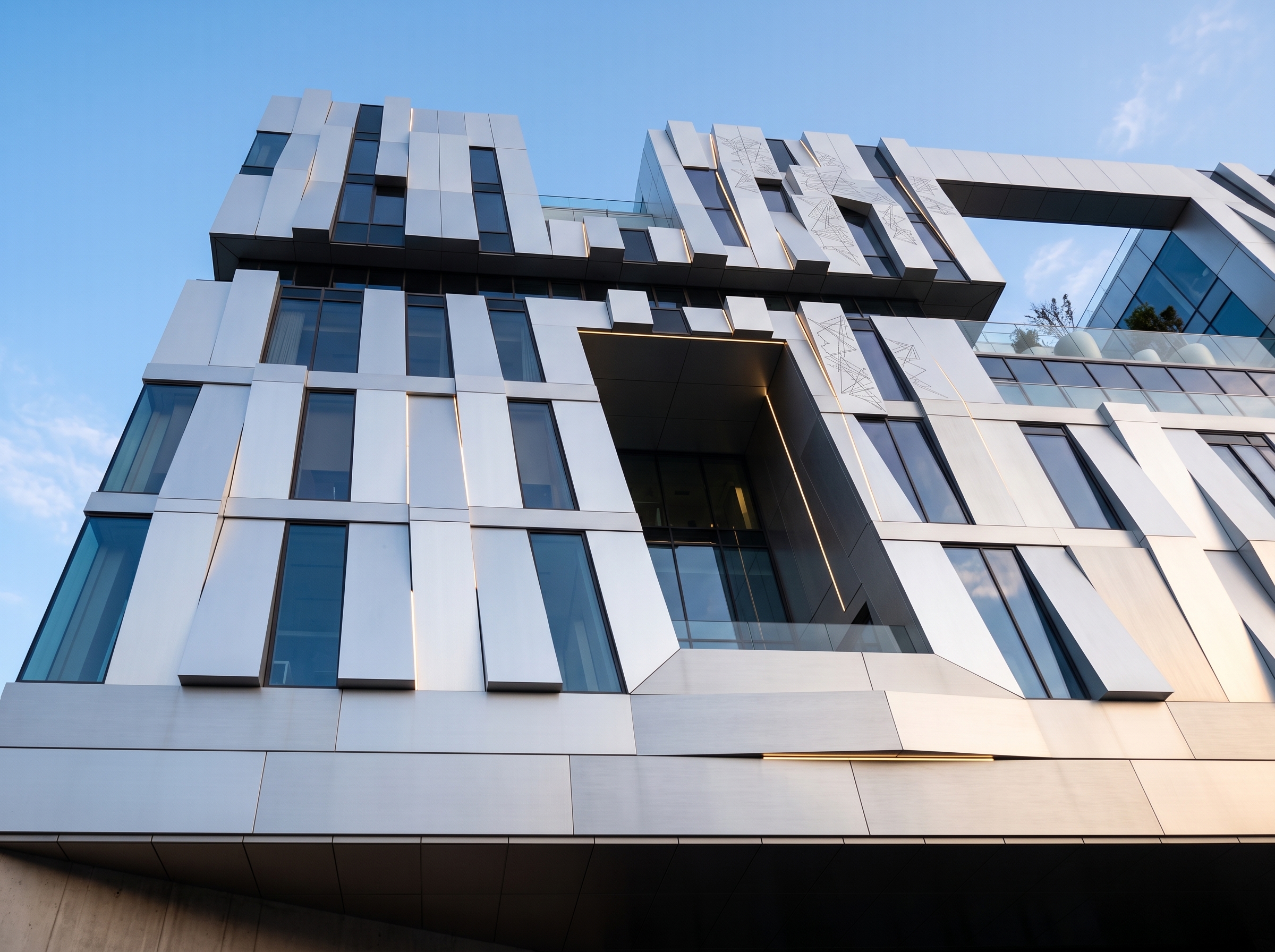
Aluminium facade cladding systems are widely used in modern architecture thanks to their durability, lightweight structure, design flexibility, and wide range of surface finishes. Aluminium facade profiles play a key role in these systems, providing solutions that can be adapted to different architectural designs and technical requirements.
From curtain walls and glazed facades to ventilated facades and composite panel systems, aluminium profiles offer functional and aesthetic solutions for commercial, residential, and industrial buildings.
What Are Aluminium Facade Cladding Systems?
Aluminium facade cladding systems are solutions used to create the exterior building envelope through various aluminium components. These systems can include structural profiles, substructures, fixing profiles, finishing profiles, and decorative elements.
Depending on the design and requirements of the project, different configurations can be used, including:
-
Aluminium curtain wall systems
-
Ventilated facade systems
-
Aluminium composite panel support systems
-
Decorative aluminium facade systems
-
Louvers and solar shading elements
-
Special profiles for edges, corners, and finishing details
The right system depends on factors such as architectural design, wind loads, building dimensions, environmental conditions, and required performance.
Why Use Aluminium Facade Profiles?
Aluminium is one of the most widely used materials in modern facade systems due to its physical properties and its suitability for extrusion.
The main advantages of aluminium facade profiles include:
Lightweight and Strong
Aluminium makes it possible to develop relatively lightweight structures while providing the mechanical performance required for many facade applications. This can simplify both system design and installation.
Design Flexibility
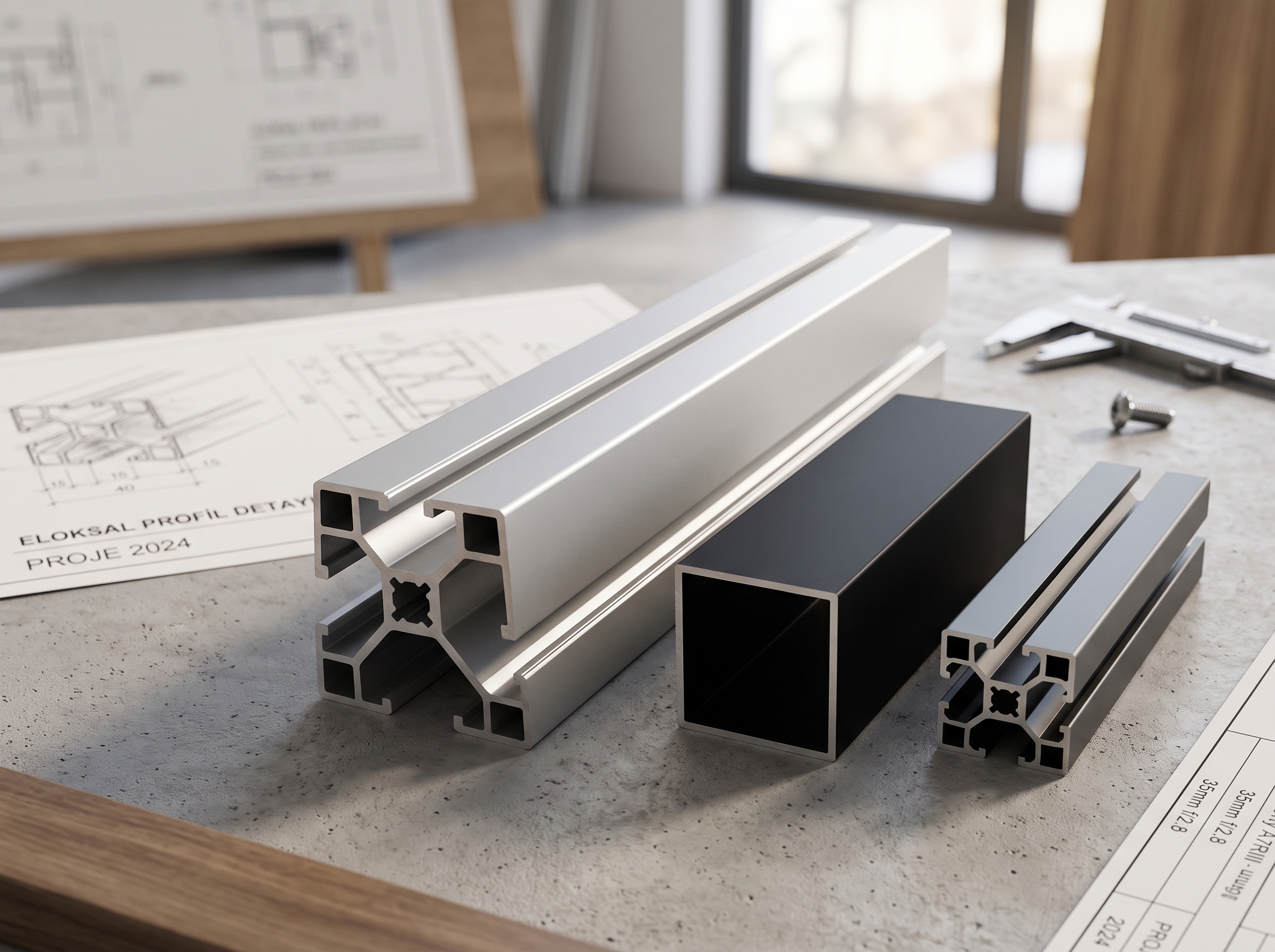
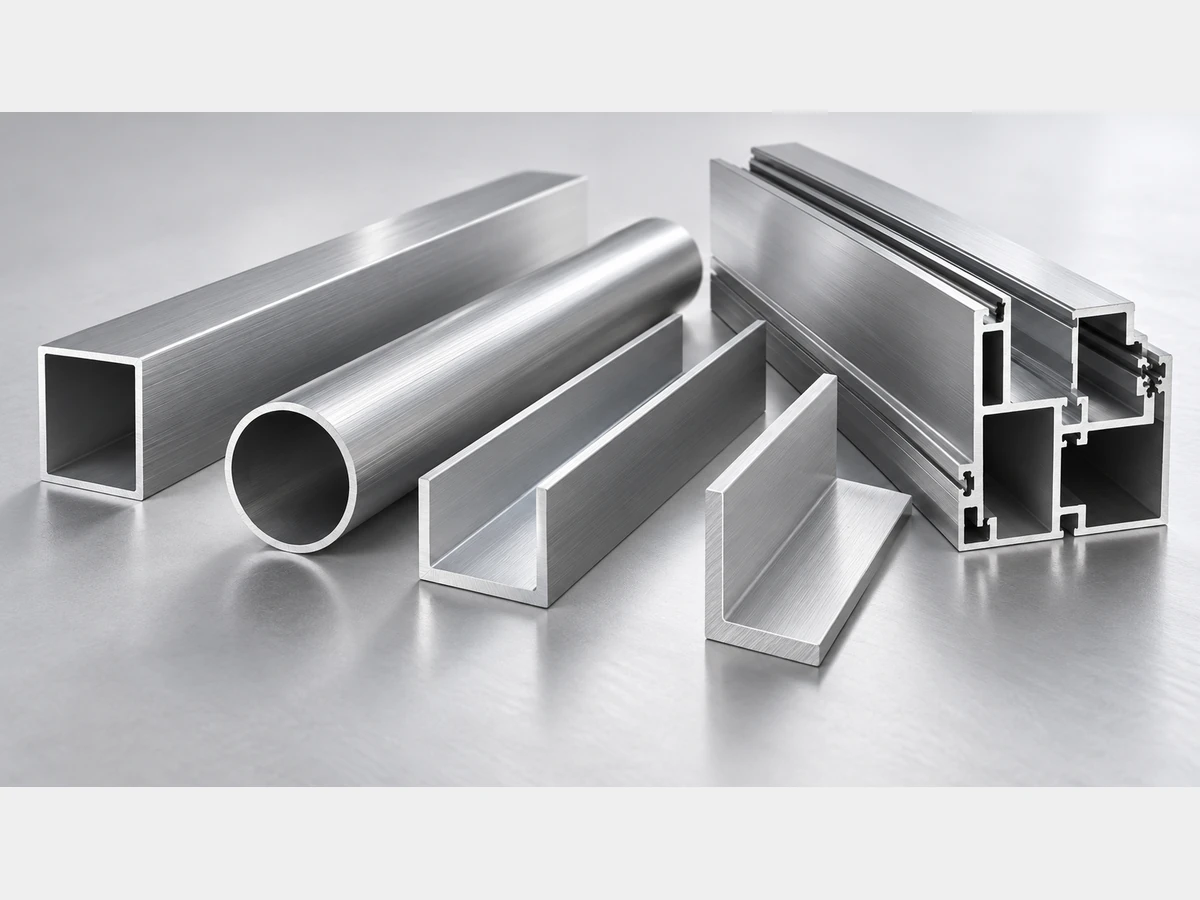
The extrusion process allows manufacturers to produce profiles with complex geometries and different cross-sections. This provides significant flexibility for developing project-specific solutions.
Durability
Properly selected and surface-treated aluminium profiles can provide a long service life, including in demanding exterior applications.
Low Maintenance
Aluminium surfaces can be treated and finished using different technologies that help protect the material against environmental conditions and simplify maintenance.
Wide Range of Finishes
Profiles can be supplied in a wide variety of colours and finishes using technologies such as powder coating, anodizing, and decorative finishes. This allows aluminium facade profiles to complement different architectural concepts.
Types of Aluminium Facade Systems
There is no single solution suitable for every application. Aluminium facade systems can be classified according to their function and design.
Aluminium Curtain Wall Systems
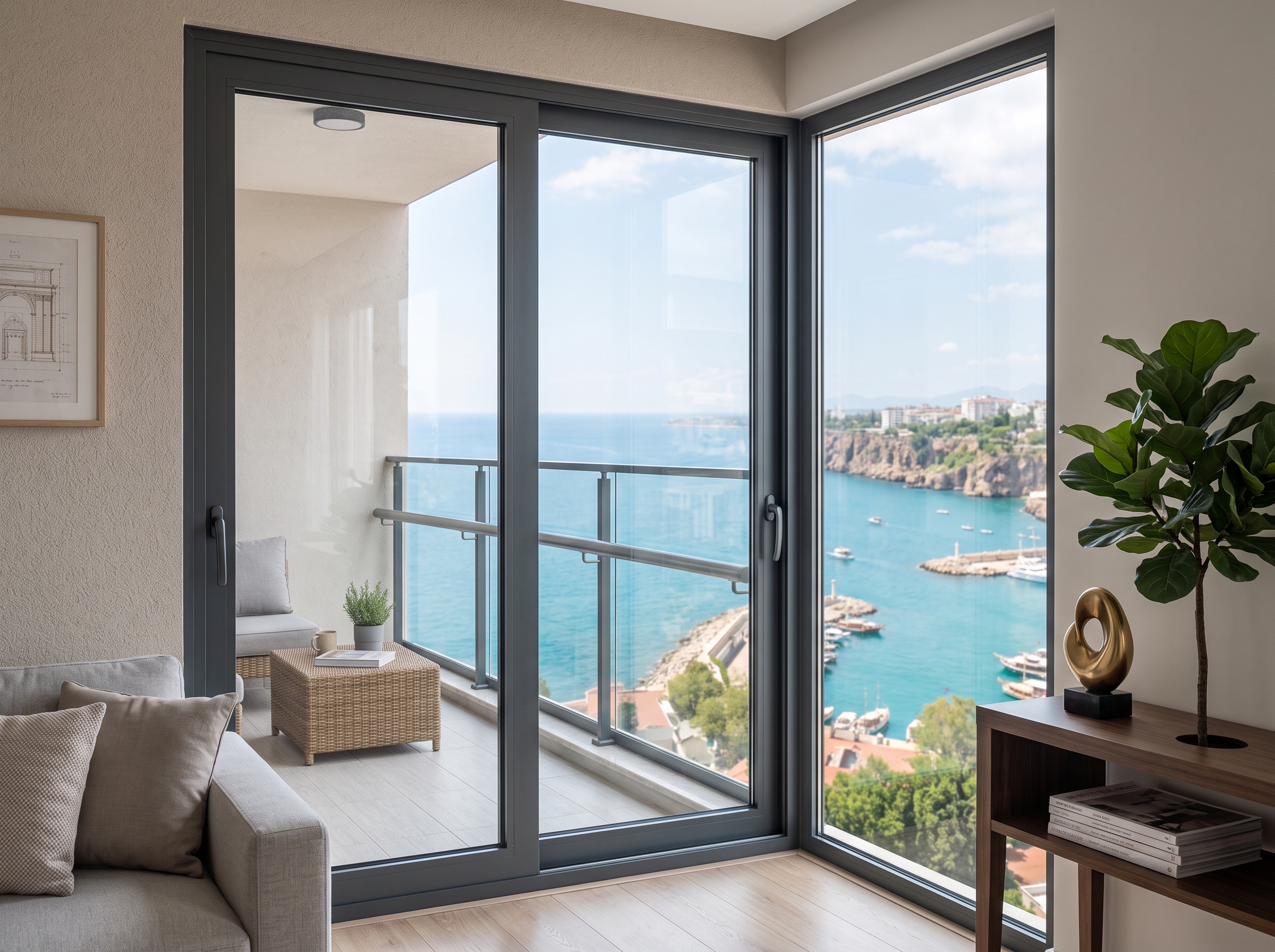
Curtain wall systems use an aluminium profile structure attached to the main building structure. Vertical mullions and horizontal transoms form the framework into which elements such as glass and panels can be integrated.
For these applications, profile geometry, connections, and fixing systems are critical factors in achieving the required performance.
Ventilated Facades
Ventilated facade systems incorporate a cavity between the external cladding and the building structure. This configuration helps manage moisture and provides ventilation within the facade system.
Aluminium profiles for ventilated facades can be used as substructures, carrier profiles, and fixing components for the external cladding.
Composite Panel Support Systems
Aluminium profiles are also widely used as support and fixing components for composite panels used in building facades.
Depending on the system design, different profiles can be used to create a stable substructure and facilitate panel installation.
Decorative Aluminium Facade Systems
In addition to structural and support functions, aluminium profiles can be used as architectural and decorative elements.
Louvers, solar shading elements, shadow lines, and specially designed profiles can add depth and visual character to a building facade.
How Are Aluminium Facade Profiles Manufactured?
The production of an aluminium facade profile begins with the appropriate alloy and raw material selection.
In an integrated manufacturing process, the main production stages can include:
-
Aluminium billet production and preparation
-
Billet heating
-
Profile extrusion
-
Cooling and profile treatment
-
Cutting to length
-
Additional machining when required
-
Surface treatment
-
Quality control
-
Packaging and preparation for shipment
The profile geometry is developed according to the technical requirements of the application. For special projects, the cross-section can be specifically designed to meet installation, strength, and functional requirements.
Technical Performance of Aluminium Facade Systems
Selecting an aluminium profile should not be based solely on its appearance. The performance of the complete facade system must also be considered.
Key factors include:
-
Resistance to wind loads
-
Water tightness
-
Air permeability
-
Thermal performance
-
Acoustic performance
-
Mechanical strength
-
Thermal expansion
-
Drainage and water management
-
Fixing systems
-
Compatibility between different components
For example, in curtain wall systems, the design of vertical and horizontal profiles must take into account panel dimensions, expected loads, and the specific conditions of the building.
Therefore, an aluminium facade profile should be evaluated as part of a complete system rather than as an individual component.
How to Choose Aluminium Facade Profiles?
Choosing the right profiles depends on the specific requirements of the project.
Profile Geometry
The shape and dimensions of the cross-section influence the mechanical performance and installation possibilities of the profile.
Aluminium Alloy
The alloy should be selected according to the required mechanical properties, manufacturing process, and application requirements.
Wall Thickness
The wall thickness of different sections of the profile should be optimized according to technical requirements and profile design.
Surface Treatment
The surface finish should be selected based on both aesthetic requirements and the environmental conditions of the project.
Fixing Method
Connections, screws, brackets, and other fixing components must be compatible with the geometry and characteristics of the aluminium profile.
Project-Specific Requirements
Dimensions, loads, environmental conditions, architectural design, and installation methods should all be considered before selecting the profile.
Custom Aluminium Facade Profiles for Projects
One of the major advantages of aluminium extrusion is the ability to develop project-specific aluminium facade profiles.
When standard profiles do not meet the technical or design requirements, a new profile cross-section can be developed specifically for the project.
The process can include:
-
Analysis of project requirements
-
Profile cross-section evaluation
-
Extrusion die development
-
Sample production
-
Dimensional inspection
-
Required testing
-
Mass production
-
Surface treatment
-
Final quality control and packaging
This approach allows architects, system manufacturers, and construction companies to develop solutions that are better suited to their specific requirements.
Surface Treatments for Aluminium Facade Profiles
Profiles used in exterior applications require an appropriate surface finish according to their intended use.
Common solutions include:
Powder Coating: Provides a wide range of colours and finishes and is frequently used for architectural applications.
Anodizing: Creates a durable aluminium surface with specific appearance and protection characteristics.
Decorative Finishes: Technologies such as sublimation can create wood-effect surfaces and other decorative designs.
The appropriate surface treatment should be selected according to exposure conditions, architectural requirements, and durability expectations.
Aluminium Facade Profiles by Biser Aluminium
At Biser Aluminium, our integrated production of aluminium billets and extrusion profiles allows us to control multiple stages of the manufacturing process.
Our production capabilities include aluminium profiles for various architectural and industrial applications. Profiles can be manufactured according to project-specific technical specifications and subsequently receive different surface treatments.
The integration of billet and profile production enables better coordination between production stages and facilitates the development of customized solutions for our customers.
In addition to standard profiles, we can support projects requiring custom aluminium facade profiles tailored to specific design and application requirements.
The Future of Aluminium Facades
Modern architecture continues to demand facade systems that are more efficient, durable, and flexible. In this context, aluminium remains an important material thanks to its combination of lightweight construction, strength, extrusion capabilities, and surface finishing options.
The development of new profile geometries, insulation systems, solar shading solutions, and decorative finishes continues to expand the possibilities of aluminium in architecture.
As a result, aluminium facade cladding systems will continue to be a relevant solution for modern buildings requiring a combination of functionality, aesthetics, and durability.
Conclusion
Aluminium facade systems provide a flexible solution for different types of buildings and architectural applications. From curtain walls and ventilated facades to composite panel systems and decorative elements, aluminium facade profiles can be adapted to a wide range of design and performance requirements.
Selecting the appropriate alloy, geometry, wall thickness, surface treatment, and fixing system is essential for achieving a durable and functional result.
For projects requiring custom aluminium facade profiles, working directly with an aluminium extrusion manufacturer can facilitate the development of application-specific and optimized solutions.