Advantages of Aluminium as a Lightweight Metal in Industry
Aluminium: A Strategic Material of Modern Industry
Aluminium has become one of the most strategic materials in modern industry. Thanks to its lightweight structure, high strength, and sustainable properties, it is widely used across automotive, construction, aerospace, and packaging industries. In an era where energy efficiency and cost optimization are critical, aluminium stands out as the “metal of the future.”
1. Low Density – High Performance
Aluminium is approximately one-third the weight of steel:
- Reduces fuel consumption in automotive applications
- Improves efficiency in aerospace
- Lowers logistics and transportation costs
Despite being lightweight, it can achieve high strength with proper alloying.
2. Corrosion Resistance and Long Service Life
Aluminium naturally forms a protective oxide layer:
- Resistant to rain, moisture, and saltwater
- Reduces need for coatings and painting
- Minimizes maintenance costs
This makes it ideal for outdoor and structural applications.
3. Recyclable and Sustainable
Aluminium is 100% recyclable without losing its properties:
- Energy savings through recycling
- Lower carbon footprint
- Supports circular economy
4. Workability and Design Flexibility
Aluminium offers high design flexibility:
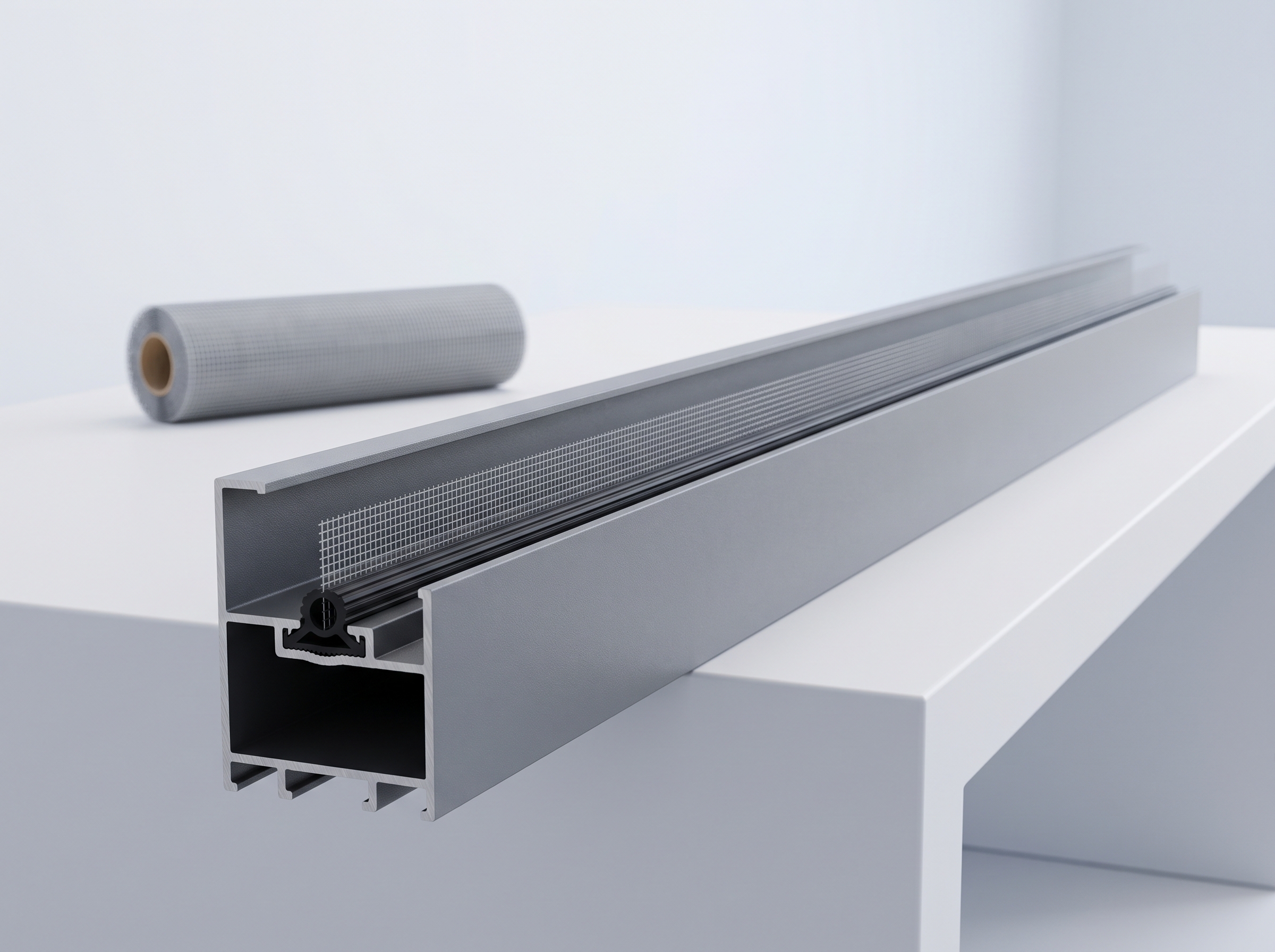
- Complex profile manufacturing
- Precision engineering
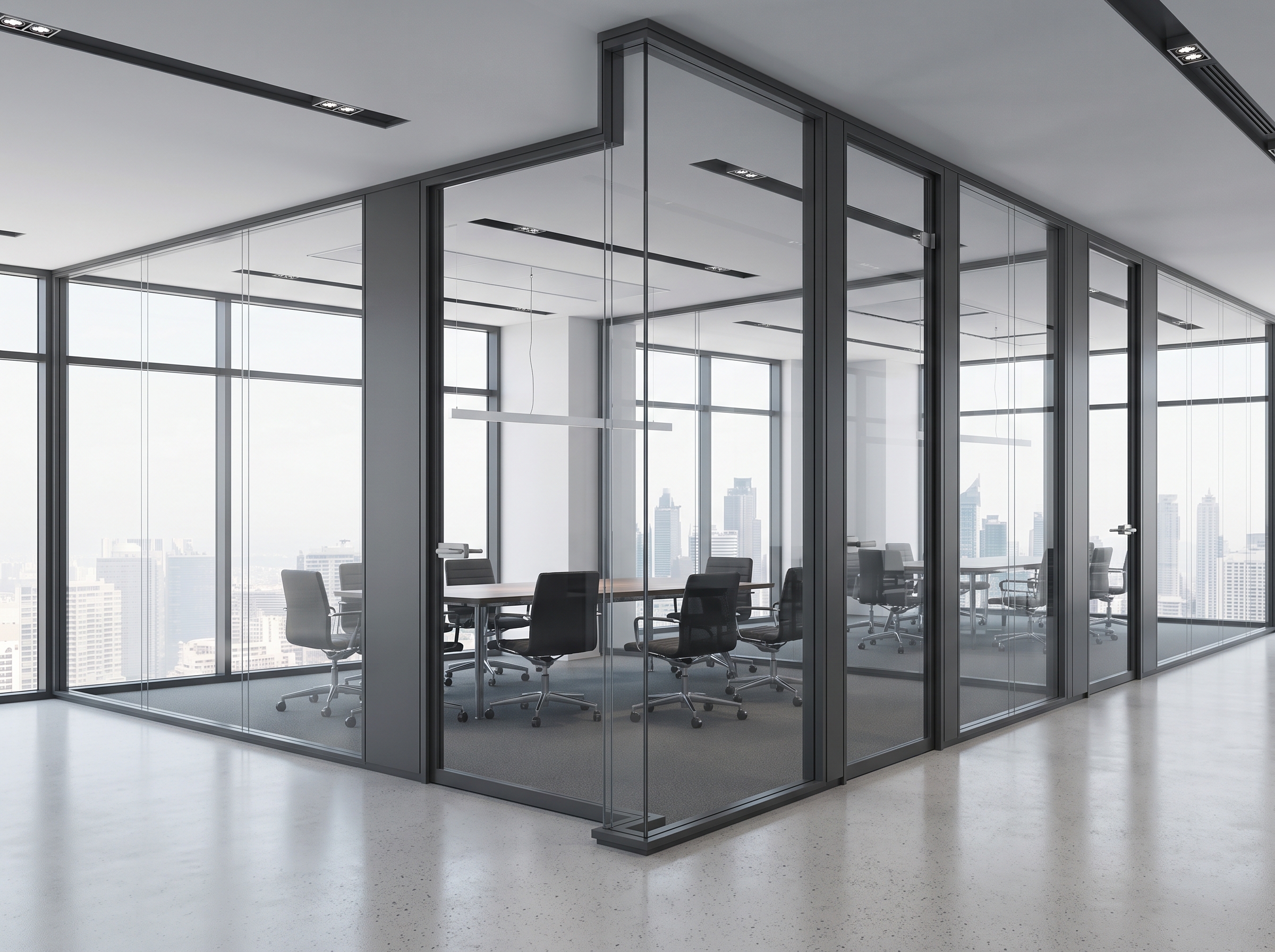
- Architectural aesthetic solutions
5. Thermal and Electrical Conductivity
Aluminium is widely used in functional systems:
- Power transmission lines as an alternative to copper
- Efficient heat transfer systems
- Reduced energy losses
6. A Strategic Industrial Material
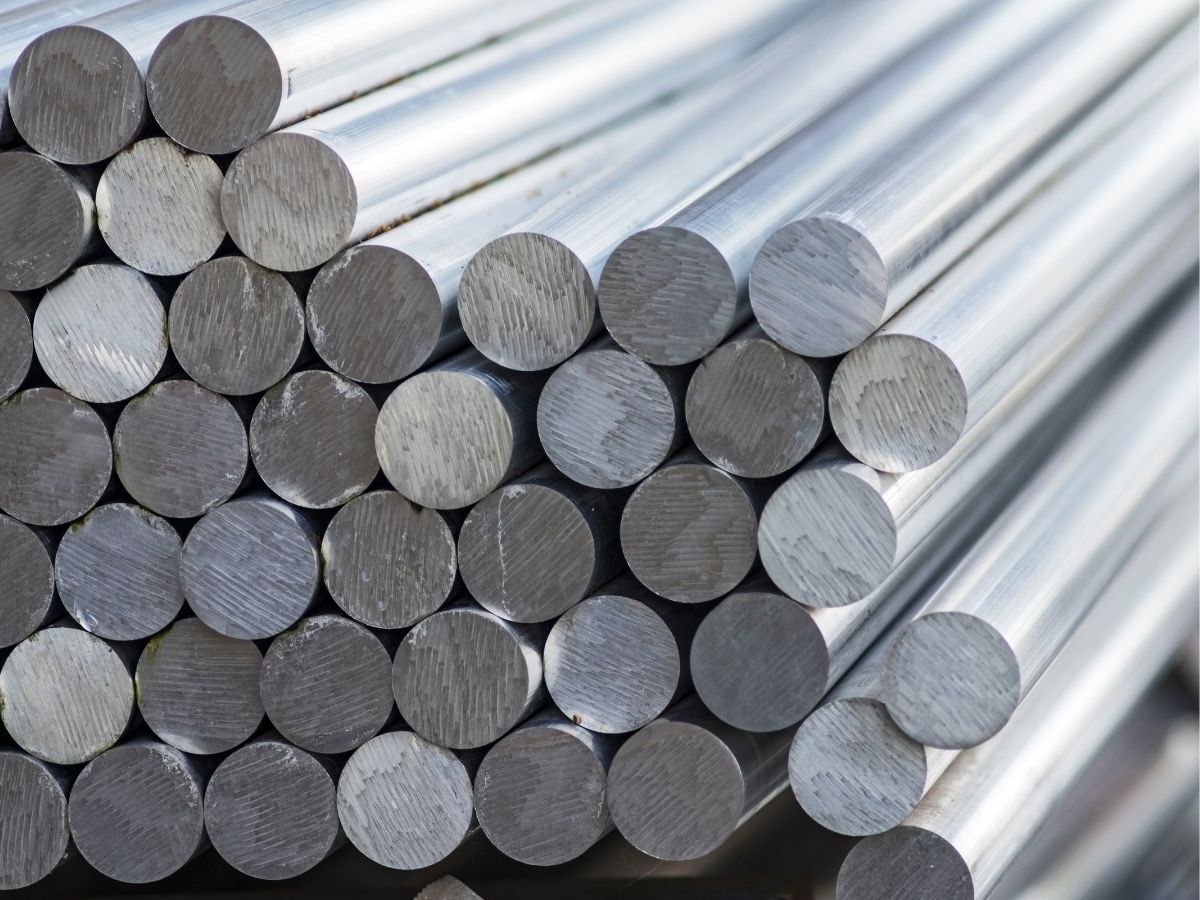
Aluminium plays a key role in multiple industries. Integrated producers such as BİSER Aluminium enhance global competitiveness through billet and profile manufacturing solutions.
Conclusion
Aluminium is more than a lightweight metal; it is a symbol of efficiency, sustainability, and innovation.