6060 Aluminum Billet: Properties, Applications and Advantages
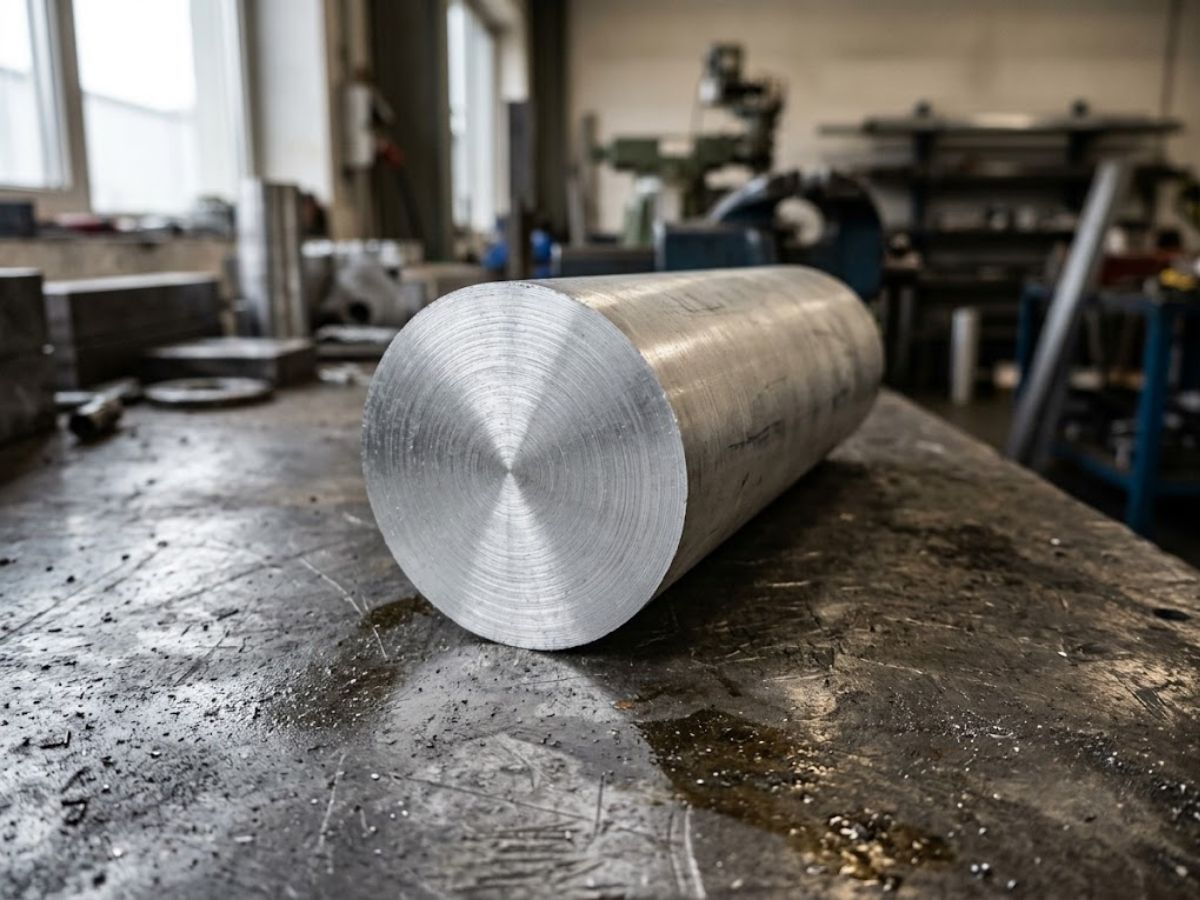
In the aluminum industry, selecting the right alloy directly impacts production efficiency, surface quality, mechanical performance, and overall manufacturing costs. In particular, the 6060 billet 6060 aluminum alloy is one of the most widely used materials thanks to its excellent extrudability, superior surface finish, and suitability for architectural applications. A high-quality aluminum billet forms the foundation of the extrusion process and plays a decisive role in the quality of the final aluminum profile.
In this article, we examine the chemical composition, mechanical properties, applications, and key advantages of 6060 aluminum billet from a manufacturer's perspective, while also comparing it with similar aluminum alloys.
What Is 6060 Aluminum Alloy?
6060 aluminum belongs to the 6000 series aluminum-magnesium-silicon (Al-Mg-Si) alloys. This alloy family combines excellent extrusion performance with moderate mechanical strength, making it one of the most commonly used materials for aluminum profile manufacturing worldwide.
6060 aluminum alloy is widely used for:
- Architectural profiles
- Decorative applications
- Lightweight structural components
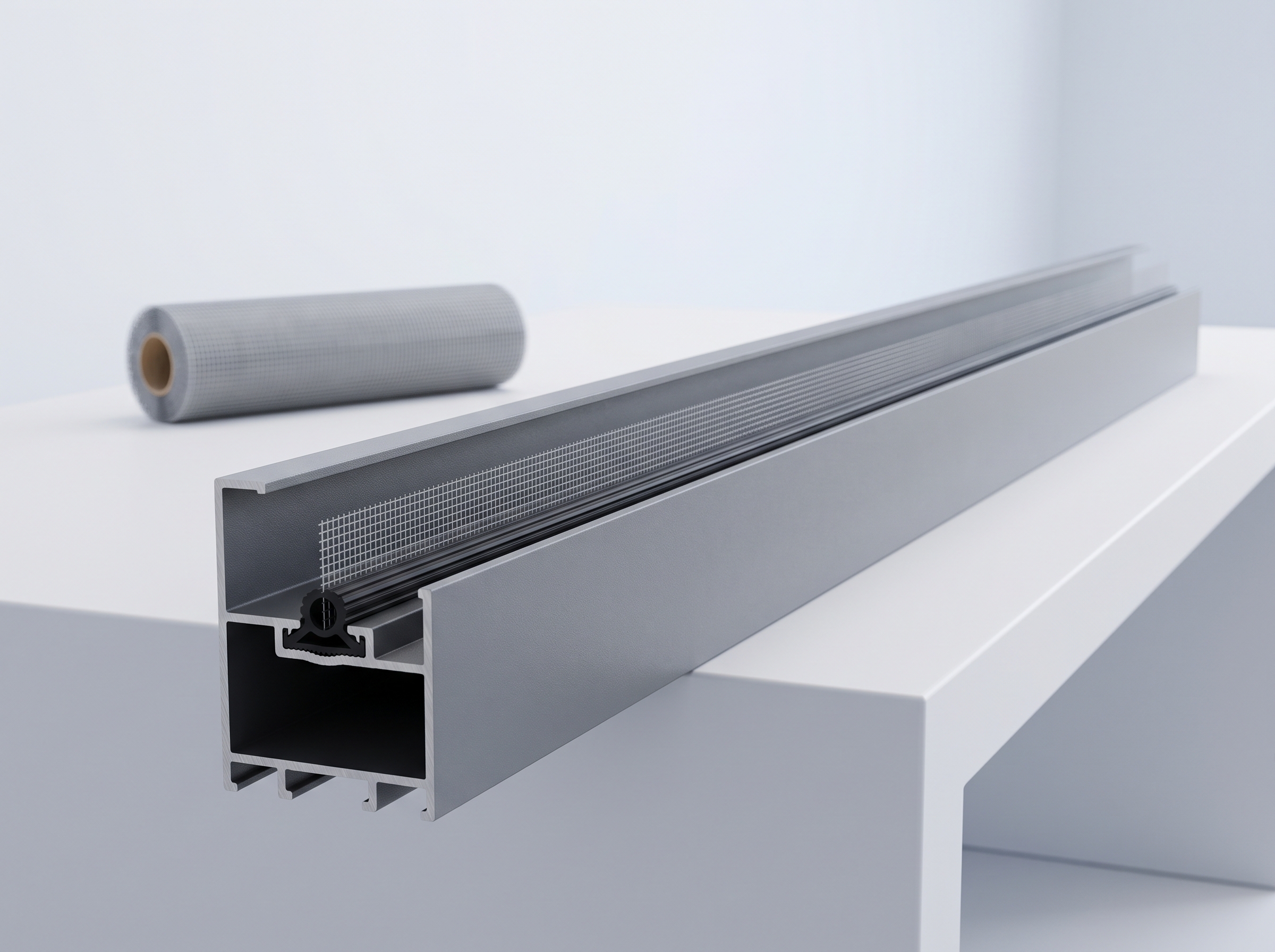
- Window and door systems
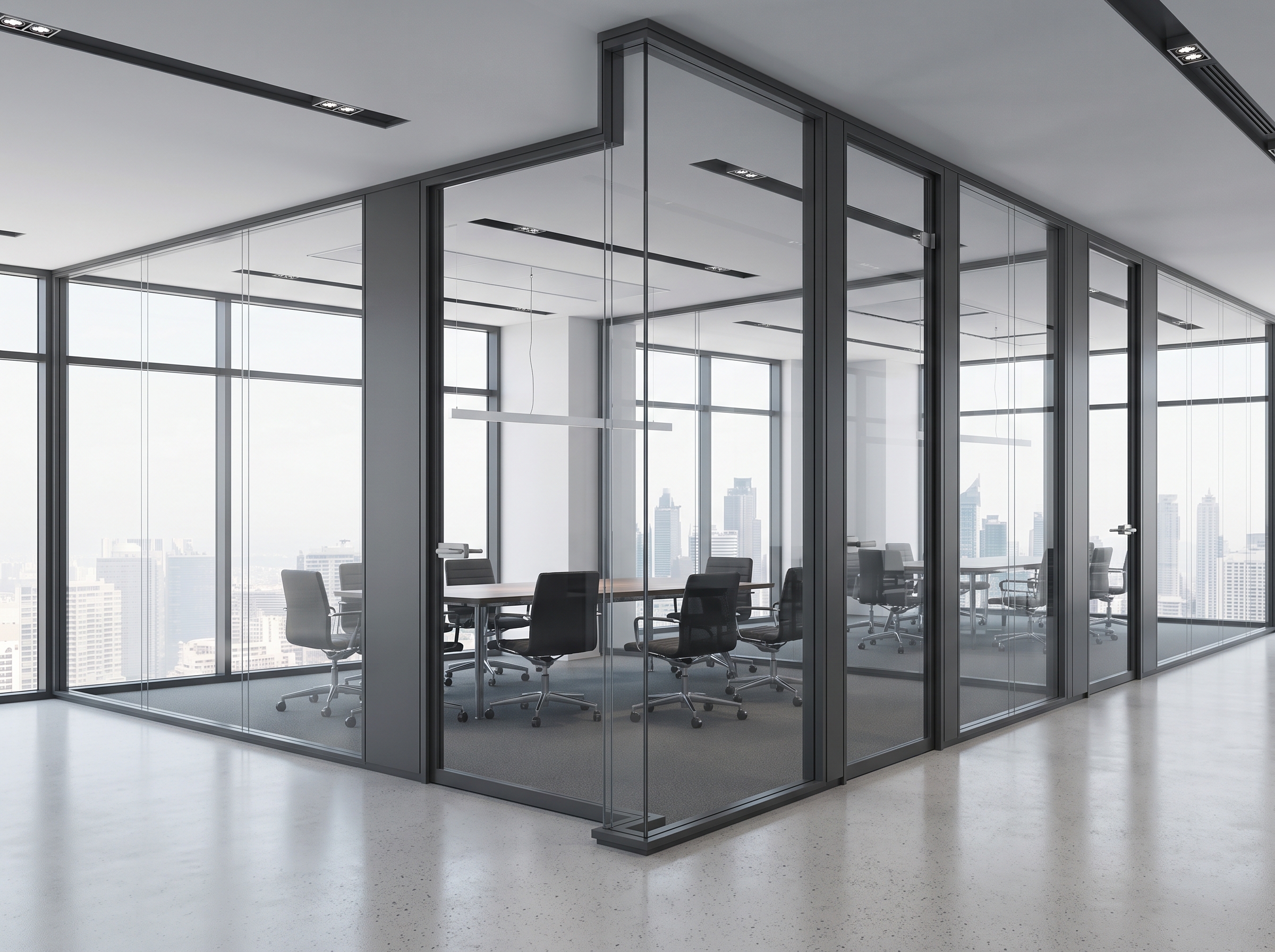
- Curtain wall and façade profiles
- Furniture and interior design systems
One of the major advantages of the 6000 series is that these alloys are heat-treatable. Tempers such as T5 and T6 allow manufacturers to achieve the mechanical properties required for different applications.
Chemical Composition of 6060 Aluminum Billet
The primary alloying elements in 6060 aluminum are magnesium and silicon. Together, these elements form the Mg₂Si phase, which is responsible for increasing the alloy's mechanical strength.
The table below presents the typical chemical composition of 6060 aluminum alloy.
| Element | Typical Content (%) |
|---|---|
| Silicon (Si) | 0.30–0.60 |
| Magnesium (Mg) | 0.35–0.60 |
| Iron (Fe) | Max. 0.30 |
| Copper (Cu) | Max. 0.10 |
| Manganese (Mn) | Max. 0.10 |
| Zinc (Zn) | Max. 0.15 |
| Titanium (Ti) | Max. 0.10 |
| Aluminum | Balance |
The exact values may vary slightly depending on the applicable international standards. Continuous chemical analysis during production is essential to ensure consistent extrusion performance and uniform mechanical properties.
Why Is 6060 Aluminum Billet Production So Important?
The quality of an extruded aluminum profile is determined long before it reaches the extrusion press. It begins with the quality of the billet itself.
A high-quality aluminum billet is typically produced through the following stages:
- Alloy preparation
- Controlled melting of primary aluminum and recycled material
- Chemical analysis
- Degassing
- Melt filtration
- Direct Chill (DC) casting
- Homogenization
- Controlled cooling
- Cutting and quality inspection
Among these steps, homogenization is one of the most critical processes because it directly affects extrusion performance.
Proper homogenization provides several important benefits:
- More uniform metal flow during extrusion
- Optimized extrusion pressure
- Longer die life
- Reduced surface defects
- More consistent mechanical properties throughout the billet
Mechanical Properties of 6060 Aluminum Alloy
Mechanical properties vary depending on the temper condition.
| Property | Typical Value |
|---|---|
| Density | 2.70 g/cm³ |
| Elastic Modulus | 69 GPa |
| Tensile Strength (T5/T6) | 140–215 MPa |
| Yield Strength | 100–160 MPa |
| Elongation | 6–12% |
| Hardness | Depending on temper |
Rather than being designed for applications requiring maximum strength, 6060 aluminum is preferred for applications where the following characteristics are essential:
- Excellent surface finish
- High dimensional accuracy
- Good machinability
- Lightweight construction
- Outstanding corrosion resistance
Extrusion Performance of 6060 Aluminum Billet
For extrusion manufacturers, press productivity is one of the most important performance indicators. Selecting the appropriate alloy has a direct impact on production speed, process stability, and the quality of the finished profile.
6060 aluminum alloy offers several advantages during the extrusion process:
- Supports high extrusion speeds
- Ideal for manufacturing complex profile geometries
- Excellent performance in thin-wall profiles
- Superior surface finish
- Reduced press downtime
- Consistent metal flow throughout the extrusion process
For these reasons, many European manufacturers of architectural aluminum profiles use 6060 as one of their standard extrusion alloys.
From a manufacturer's perspective, a high-quality aluminum billet delivers:
- Lower scrap rates
- Fewer surface defects
- More stable production processes
- Higher productivity
- Consistent profile quality
6060 vs. 6063 Aluminum Alloy: What's the Difference?
Because they belong to the same alloy family, 6060 and 6063 aluminum alloys are often confused. While they share many similarities, they differ slightly in their mechanical properties and preferred applications.
| Property | 6060 | 6063 |
|---|---|---|
| Extrudability | Excellent | Excellent |
| Surface Finish | Excellent | Excellent |
| Mechanical Strength | Moderate | Slightly Higher |
| Decorative Applications | Excellent | Excellent |
| Complex Profile Production | Excellent | Very Good |
| Architectural Systems | Widely Used | Widely Used |
Both alloys are extensively used in window systems, doors, curtain walls, and façade applications. The final alloy selection depends on the project's technical specifications, required mechanical properties, and production requirements.
Applications of 6060 Aluminum Billet
Thanks to its excellent balance between extrudability, surface quality, corrosion resistance, and workability, 6060 aluminum billet is used across a wide range of industries.
Architectural Systems
Architectural applications represent the largest market for 6060 aluminum.
Typical applications include:
- Window profiles
- Door profiles
- Sliding door systems
- Curtain wall systems
- Balcony and railing systems
- Sunshade and louver systems
Its outstanding surface quality makes it particularly suitable for profiles that will later be anodized or powder coated.
Industrial Profiles
6060 aluminum is also widely used in industrial applications, including:
- Machine frames
- Automation systems
- Structural profiles
- Conveyor systems
- Lightweight constructions
- Modular assembly systems
Its combination of low weight and excellent corrosion resistance provides significant operational advantages.
Furniture and Interior Design
Because of its excellent anodizing characteristics, 6060 aluminum is an ideal material for decorative applications.
Typical examples include:
- Office furniture
- Shelving systems
- LED lighting profiles
- Decorative frames
- Interior partition systems
- Designer furniture
Electrical and Electronics Industry
Its good thermal conductivity also makes 6060 aluminum suitable for:
- LED lighting profiles
- Electronic enclosures
- Heat sinks
- Thermal management systems
- Electrical support profiles
Today, 6060 remains one of the preferred aluminum alloys for LED profile manufacturing and other applications requiring efficient heat dissipation.
Advantages of 6060 Aluminum Alloy
The widespread use of this alloy is driven by a combination of technical and economic benefits.
Its key advantages include:
- Excellent extrudability
- High production efficiency
- Superior surface finish
- Excellent anodizing performance
- Ideal for powder coating
- Lightweight
- Excellent corrosion resistance
- Good machinability
- 100% recyclable
- Long service life
- Low maintenance requirements
As sustainability becomes increasingly important across the manufacturing industry, aluminum's recyclability provides a significant environmental advantage. Aluminum can be recycled repeatedly without losing its essential properties, helping reduce both raw material consumption and carbon emissions.
What to Look for in a High-Quality 6060 Aluminum Billet
For purchasing managers, production managers, and technical decision-makers, selecting a billet based solely on the alloy designation is not enough. Billet quality is influenced by numerous manufacturing parameters that directly affect extrusion efficiency and the performance of the finished product.
The following factors should be carefully evaluated when choosing a billet supplier.
Chemical Composition
The alloy composition should comply with the applicable standards and remain within the specified tolerance limits. Precise control of the chemical composition ensures consistent mechanical properties and stable extrusion performance.
Homogenization Quality
A properly homogenized billet provides more uniform metal flow during extrusion and helps achieve consistent mechanical properties throughout the entire billet.
Internal Structure Uniformity
Low macrosegregation contributes to a more homogeneous microstructure, reducing the risk of defects during downstream processing.
Hydrogen Content
Low hydrogen levels minimize porosity, improving both the internal integrity of the billet and the surface quality of extruded profiles.
Melt Filtration Quality
Effective filtration removes non-metallic inclusions from the molten aluminum, resulting in improved surface finish and greater process stability.
Dimensional Tolerances
Accurate diameter and length tolerances support automated billet handling systems and contribute to smoother production operations.
Quality Standards and Certifications
For companies serving international markets, producing high-quality billets is only part of the equation. Compliance with internationally recognized quality standards is equally important.
The following standards are commonly referenced in the production of 6060 aluminum billet and subsequent extrusion processes:
- EN 573 – Chemical composition of aluminum and aluminum alloys
- EN 755 – Requirements and tolerances for extruded aluminum profiles
- EN 12020 – Precision tolerances for extruded aluminum profiles
- ISO 9001 – Quality Management System
Additional industry-specific standards or customer requirements may also apply depending on the end-use application.
Billets manufactured in accordance with internationally recognized standards provide greater process consistency, traceability, and long-term product reliability.
Procurement Checklist for 6060 Aluminum Billet
Before selecting a supplier, consider the following checklist:
✔ Is a material or alloy certificate available?
✔ Can the supplier provide a chemical analysis report?
✔ Has the billet undergone a proper homogenization process?
✔ Are the available billet diameters suitable for your extrusion line?
✔ Are heat treatment processes documented?
✔ Is the casting process fully traceable?
✔ Are quality inspections performed throughout production?
✔ Does the supplier provide technical support?
✔ Does the manufacturer have experience with international exports?
Reviewing these points before procurement can help minimize production risks and establish a more reliable long-term supply chain.
Why Choosing the Right Billet Matters: A Manufacturer's Perspective
Many challenges encountered during aluminum extrusion originate long before the billet reaches the extrusion press.
Surface imperfections, inconsistent metal flow, variations in mechanical properties, and unnecessary production downtime are often linked to billet quality, alloy consistency, casting technology, or homogenization practices.
For this reason, supplier selection should not be based solely on price.
Other important evaluation criteria include:
- Modern production facilities
- Comprehensive quality control systems
- Advanced metallurgical laboratory capabilities
- Full process traceability
- Strong technical expertise
- Reliable production and delivery performance
From a manufacturer's perspective, a high-quality aluminum billet contributes to:
- Higher extrusion speeds
- Lower scrap rates
- Longer die life
- More stable production processes
- Consistent profile quality
- Lower overall manufacturing costs
For large-scale B2B projects, consistent billet quality plays a critical role in ensuring efficient, predictable, and cost-effective production.
Conclusion
6060 aluminum alloy is one of the most versatile materials within the 6000 series. Its excellent extrudability, superior surface finish, corrosion resistance, and good machinability make it suitable for a wide range of applications, from architectural systems and curtain walls to industrial profiles and decorative components.
The quality of a 6060 aluminum billet is established during the earliest stages of production, including melting, casting, and homogenization. Precise alloy composition, controlled manufacturing processes, and comprehensive quality control procedures provide the foundation for efficient extrusion operations and high-performance finished products.
As a manufacturer, Biser Aluminum manages the entire production process under one roof—from billet casting and extrusion to machining and powder coating. This integrated manufacturing approach enables the company to deliver tailored aluminum solutions for a wide variety of industries and technical applications.
Need Technical Support for Your Next Aluminum Project?
If you would like more information about 6060 aluminum alloy, billet specifications, or selecting the most suitable material for your application, our technical team is ready to assist.
Contact us for expert technical guidance or request a customized quotation tailored to your project requirements.