Everything You Need to Know About Aluminum: History, Properties, and Uses
Aluminum has become one of the most critical structural materials in modern industry. Thanks to its light weight, corrosion resistance, and formability, it is the material of choice across sectors ranging from automotive to architecture, packaging to aerospace. In this article, we'll cover aluminum's historical development, its physical and chemical properties, its alloy systems, and its industrial applications — explained from a manufacturer's perspective, in technical yet accessible language.
For B2B buyers, choosing the right alloy and the right production method has a direct impact on project cost and product lifespan. With that in mind, the sections below are designed to serve as a practical reference, both from a materials science standpoint and from a procurement decision-making standpoint.
The History of Aluminum and Its Industrial Development
Although aluminum is the most abundant metal in the Earth's crust, it wasn't possible to extract it in pure form until the 19th century. First isolated by Hans Christian Ørsted in 1825, the metal was considered more valuable than gold at the time. The real industrial turning point came in 1886 with the development of the Hall-Héroult electrolytic production process. This method dramatically reduced the cost of aluminum, paving the way for mass production.
In the first half of the 20th century, demand from the aerospace sector accelerated alloy development efforts. After World War II, construction, automotive, and packaging industries began using aluminum on a mass scale. Today, global aluminum production exceeds 70 million tons annually, and the industry's high recycling rate continues to set it apart in terms of sustainability.
Key Physical and Chemical Properties of Aluminum
The properties that make aluminum so valuable in industry can be summarized as follows:
- Low density: At roughly one-third the weight of steel (2.7 g/cm³), it reduces both transportation and installation costs.
- Corrosion resistance: A thin oxide layer that forms naturally on the surface protects the metal against atmospheric conditions.
- High electrical and thermal conductivity: It offers about 61% of copper's electrical conductivity, but stands out in performance-per-weight terms.
- Formability: It can be easily processed through extrusion, casting, rolling, and similar methods.
- Recyclability: It can be recycled indefinitely without losing its properties, lowering total lifecycle cost.
- Non-magnetic: This is one of the reasons it's preferred in electronics and precision equipment enclosures.
To see how these properties translate into real-world performance differences, take a look at the comparison table below.
| Property | Aluminum | Steel | Copper |
|---|---|---|---|
| Density (g/cm³) | 2.7 | 7.85 | 8.96 |
| Electrical conductivity (% IACS) | ~61 | ~3-15 | 100 |
| Corrosion resistance | High (oxide layer) | Low (uncoated) | Medium |
| Energy savings from recycling | Up to 95% | 60-70% | 85-90% |
| Melting point (°C) | 660 | 1370-1530 | 1085 |
Aluminum Alloy Series: Which Alloy Suits Which Application?
Pure aluminum is a soft metal with limited mechanical strength. For this reason, industrial applications rely on alloy series created through the addition of different elements. According to the classification system used by the International Aluminium Institute (IAI), the main series can be summarized as follows:
- 1xxx series: Over 99% pure aluminum, high electrical conductivity, low mechanical strength. Used in busbars and cable applications.
- 2xxx series: Copper-based, high strength, commonly found in aerospace structural components.
- 3xxx series: Manganese-alloyed, offering moderate strength and good formability; used in kitchenware and condenser panels.
- 5xxx series: Magnesium-based, resistant to seawater; preferred in shipbuilding and tank manufacturing.
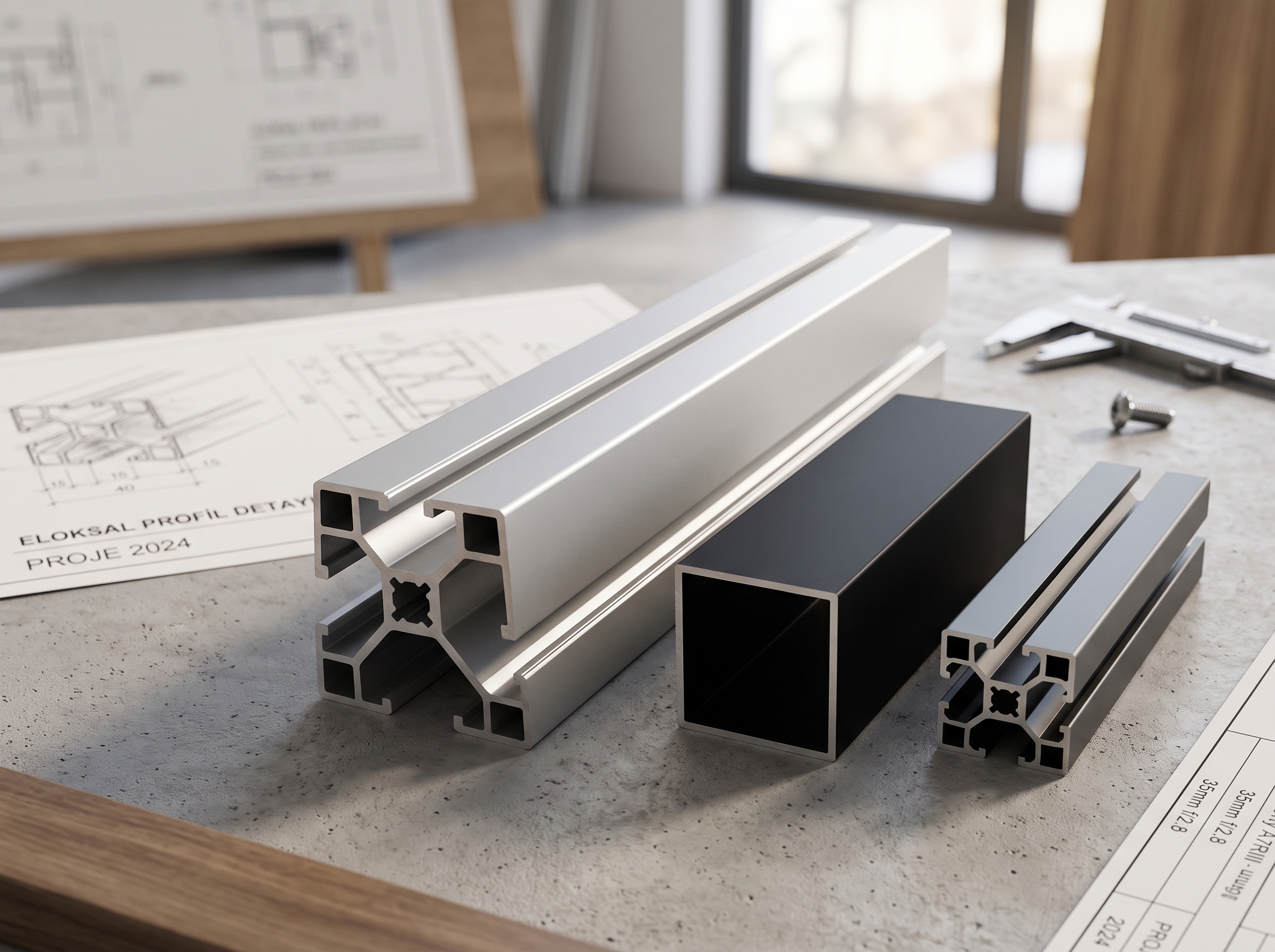
- 6xxx series: Magnesium-silicon based, offering good extrudability and medium-to-high strength. This is the backbone of architectural profiles and structural extrusion applications (such as the 6063 and 6082 alloys).
- 7xxx series: Zinc-based, the highest strength class; used in aerospace and defense industries.
For B2B buyers, selecting the right series should take into account not only strength, but also workability, suitability for anodizing, and cost balance. The widespread use of the 6xxx series in aluminum profile production stems precisely from how well it strikes this balance.
Production Methods: Extrusion, Casting, and Processing
Aluminum's journey to becoming a finished product begins with billet production. At this point, three main production methods come into play:
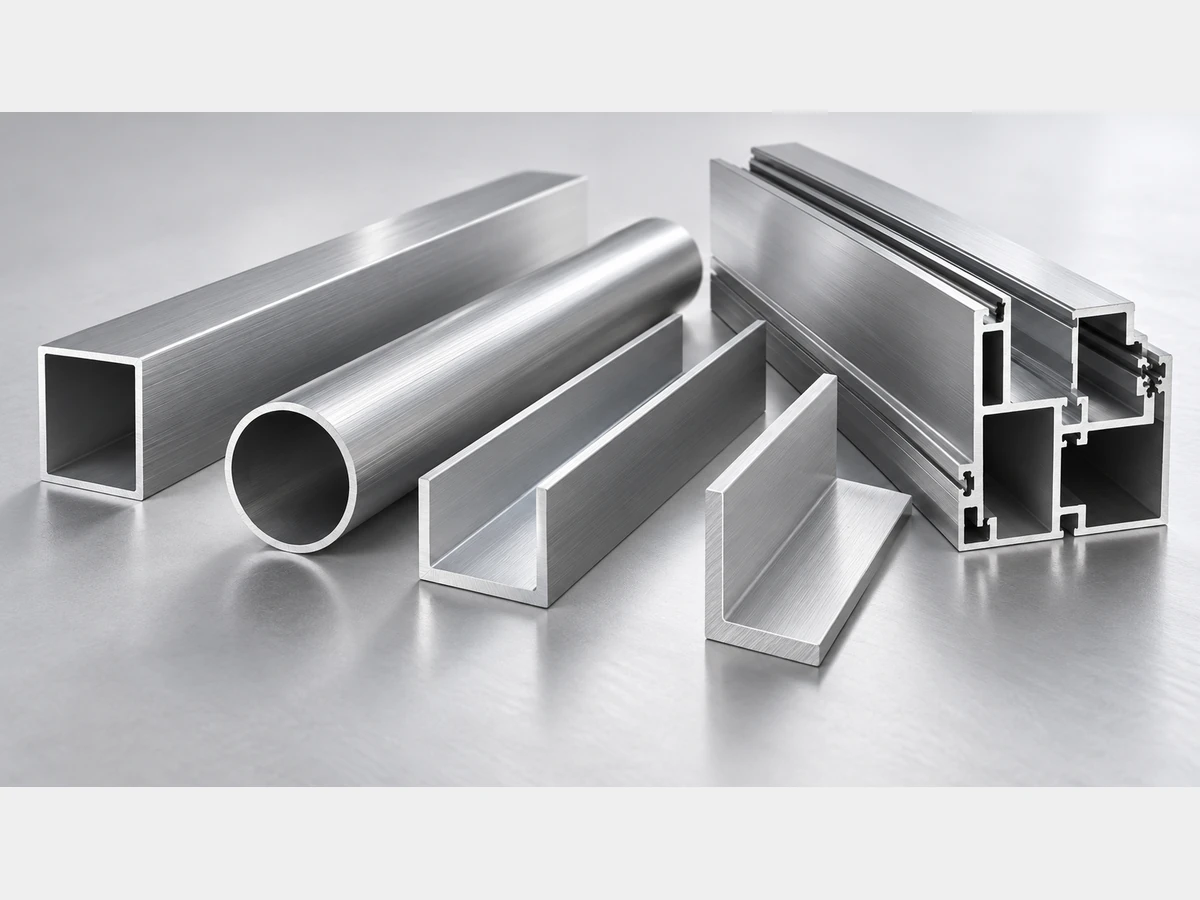
Extrusion: This process involves pushing a heated aluminum billet through a die under pressure to form the desired cross-sectional profile. Window and door profiles, structural supports, and industrial profiles are produced using this method. After extrusion, an aging heat treatment is typically applied to optimize mechanical properties.
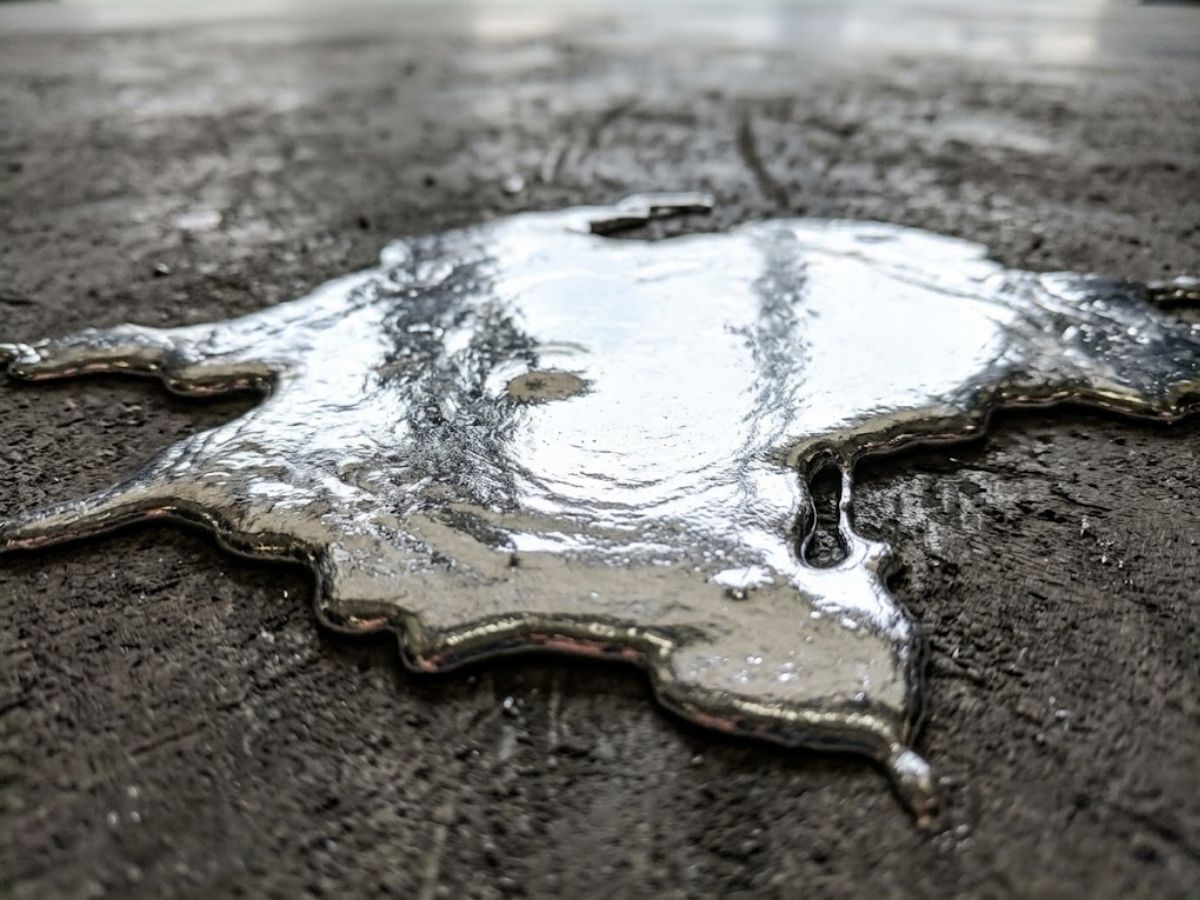
Casting: This involves shaping molten aluminum by pouring it into a mold. Sub-methods such as die casting, sand casting, and continuous casting are chosen based on part complexity and volume. Automotive parts and components with complex geometries are generally produced through casting.
Rolling: Used in sheet and foil production, this method reduces aluminum to the desired thickness through successive passes between rollers.
Following production, surface treatment processes come into play:
- Anodizing: An electrochemical process that thickens the oxide layer, improving corrosion and wear resistance.
- Electrostatic powder coating: Preferred for color variety and UV resistance; EN 12206 is the reference standard in this area.
- Mechanical processing: Covers CNC cutting, drilling, and pre-assembly preparation.
At Biser Aluminum, we believe that managing the entire process holistically — from billet production through extrusion, coating, and architectural systems integration — has a direct impact on both quality control and lead times. In the aluminum supply chain, this kind of integration means single-point accountability for the buyer.
Quality Standards and Technical Verification Criteria
In industrial aluminum procurement, compliance with standards is the single most critical factor determining project reliability. The key reference standards worth knowing at a general level include:
- EN 573: Defines alloy chemical composition and product forms.
- EN 755: Covers mechanical properties and tolerances for extruded bars, tubes, and profiles.
- EN 12020: Sets additional requirements for tight-tolerance architectural extrusion profiles.
- EN 12206-1: Defines quality criteria for powder-coated aluminum surfaces.
- ISO 9001: The quality management system standard for production processes.
Using the checklist below when selecting a supplier can help reduce technical risk:
Supplier Evaluation Checklist:
- [ ] Is an alloy certificate (mill certificate / EN 10204 3.1) provided?
- [ ] Are mechanical test reports (tensile strength, hardness) available upon request?
- [ ] Do dimensional tolerances comply with EN 12020 or the relevant standard?
- [ ] Is coating thickness and adhesion testing documented?
- [ ] Does production capacity and lead time fit the project timeline?
- [ ] Is there a documented recycling/sustainability policy?
Industrial Applications of Aluminum
Aluminum's versatility makes it a viable solution across nearly every industry:
- Architecture and construction: Window and door systems, façade cladding, and sunshades benefit from the combination of light weight and aesthetics.
- Automotive and transportation: Body parts, wheels, and engine components achieve fuel efficiency through weight reduction.
- Aerospace and defense: Its high strength-to-weight ratio makes it indispensable in structural components.
- Packaging: Foil and can production benefit from food safety advantages and recyclability.
- Energy sector: Used in solar panel frames, cable conductors, and power transmission lines.
- Industrial equipment: Preferred in machine housings, heat exchangers, and material handling systems.
This diversity requires B2B buyers to carefully match alloy selection and production method to the specific needs of each project. No matter how well a product is designed, the wrong alloy choice can compromise its field performance.
What to Look for When Choosing the Right Aluminum Supplier
From a manufacturer's perspective, price alone shouldn't be the deciding factor in aluminum procurement. The following criteria provide a healthier foundation for a long-term business partnership:
- How much of the production process — from billet to finished product — is managed under one roof
- The presence and frequency of in-house laboratory testing
- The capacity and color/RAL code range of coating and surface treatment lines
- The technical support team's ability to provide pre-project consultation
- Logistics and delivery reliability
Biser Aluminum places strong emphasis on offering B2B buyers technical visibility at every stage of its production line — from billet manufacturing to extrusion, coating, and architectural systems solutions. A sustainable and traceable production approach in aluminum supply supports both project safety and long-term cost planning.
Conclusion: Finding the Right Aluminum Solution for Your Project
From its historical development to today's wide range of alloys, aluminum continues to evolve as a material. Selecting the right alloy series, the right production method, and ensuring compliance with the relevant standards directly determines the technical success of your project. B2B procurement decisions need to weigh alloy composition, mechanical test data, and surface treatment quality together.
If you'd like technical guidance on which alloy, profile geometry, or surface treatment is best suited to your project, feel free to reach out to the Biser Aluminum technical team and request a quote tailored to your needs.