Why Does Steel Rust While Aluminum Doesn’t?
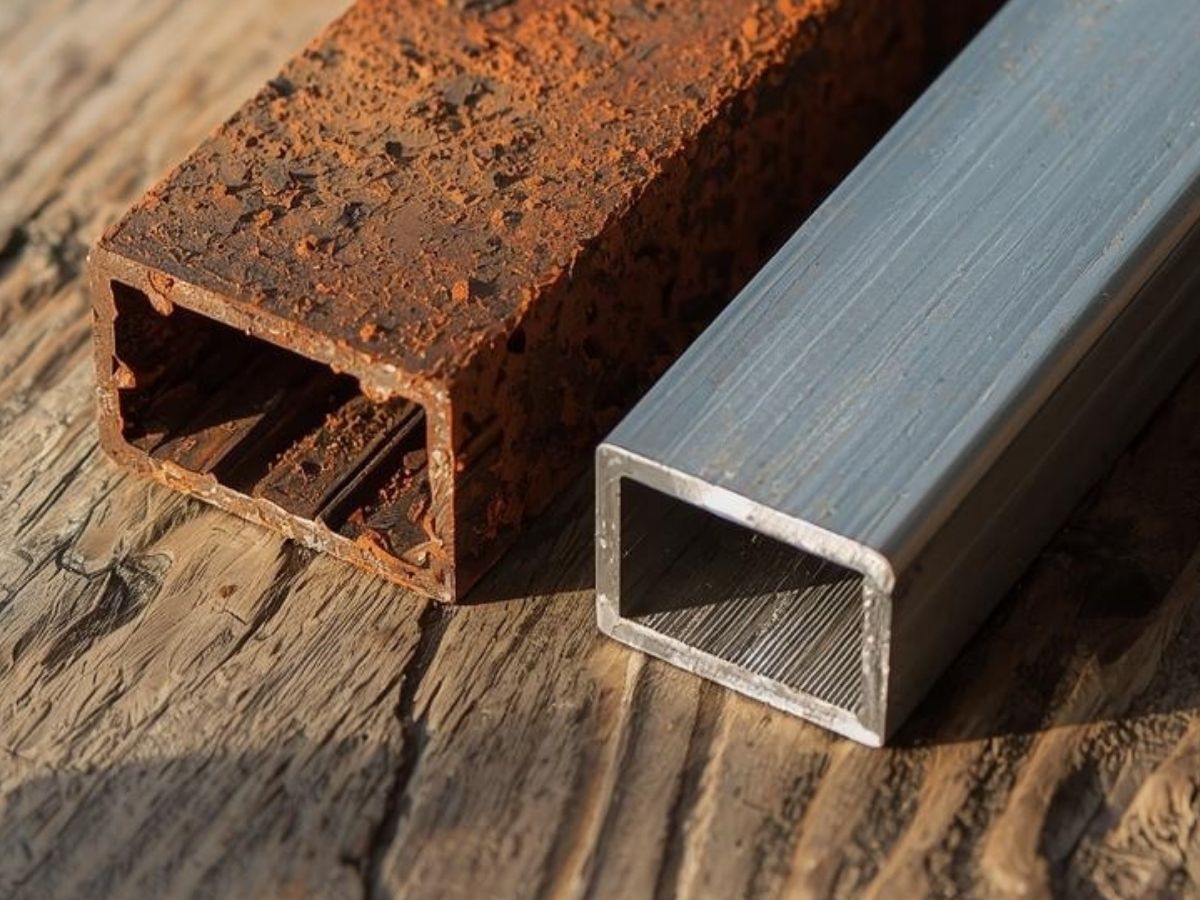
Imagine an old tractor left in front of a farmhouse years ago. Over time, rain, dew, and moisture slowly transform it into little more than a pile of dust. Its body becomes covered in rust, turns reddish-brown, and looks as if it could fall apart at the slightest touch. Steel and iron often suffer this fate when left outdoors. But what about an aluminum pot or an old aluminum window profile standing in the same garden for years? It may still shine almost like the first day it was made. This remarkable difference hides one of the most fascinating secrets of materials science.
An Invisible Shield: Aluminum Oxide
The answer lies in aluminum’s extraordinary ability to protect itself.
When steel comes into contact with oxygen, it forms a loose and flaky layer of iron oxide — rust. Instead of protecting the metal beneath, this rust layer acts almost like a sponge, trapping even more moisture and oxygen and allowing corrosion to continue deeper into the material.
Aluminum behaves in the exact opposite way.
The moment aluminum comes into contact with air, it forms an invisible, transparent, and incredibly dense protective layer on its surface: aluminum oxide.
This oxide layer is so durable that it can be compared to a superhero’s armor. Even if the surface is scratched or damaged, aluminum immediately reacts with oxygen in the air and repairs itself by forming a new oxide layer. In other words, aluminum is not considered “rust-proof” because it never reacts — it is resistant to corrosion because this natural protective shield constantly renews itself.
Durability Enhanced by Human Engineering
Of course, even this invisible armor can be challenged.
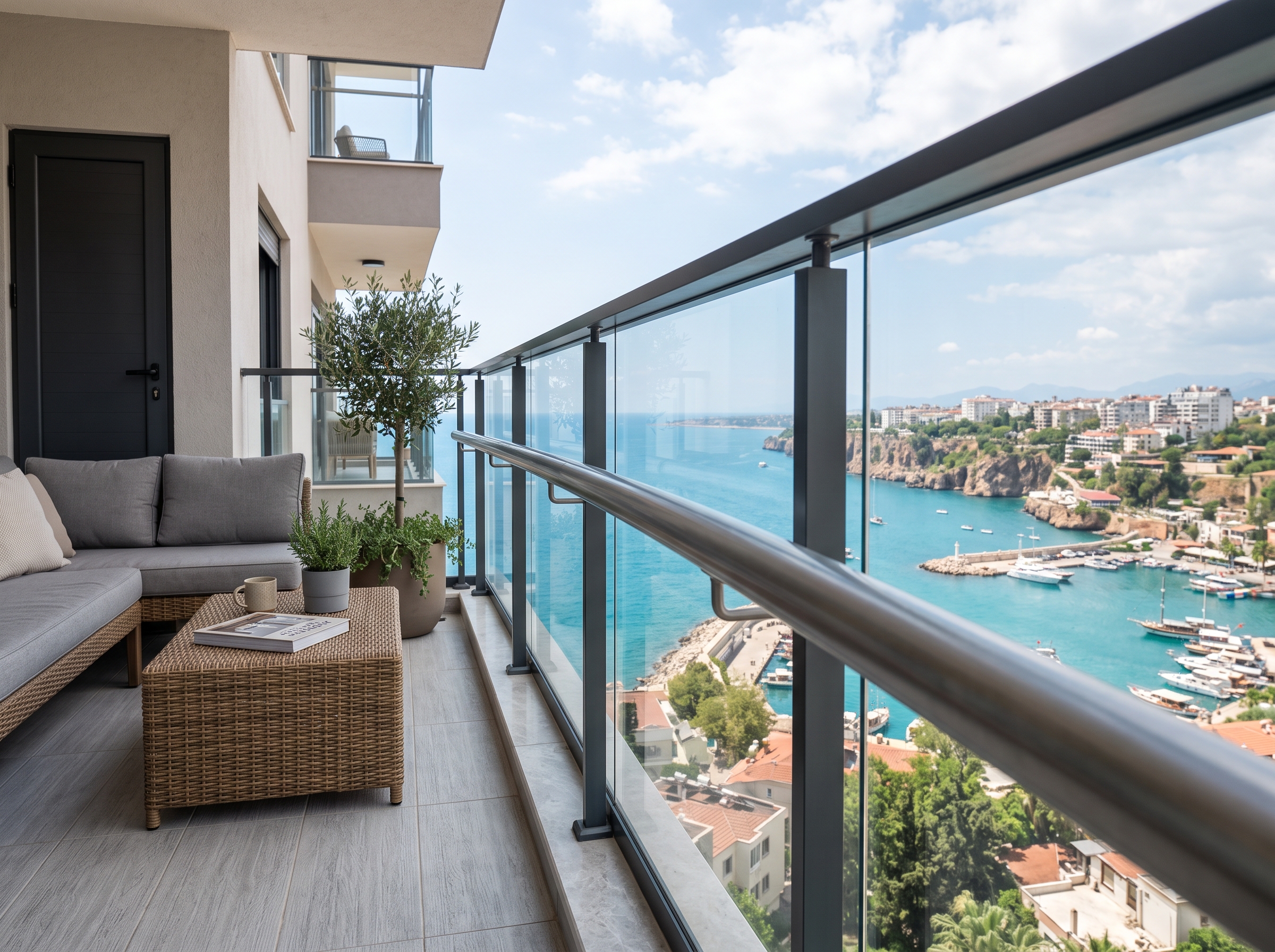
Salt-rich coastal environments and industrial areas containing aggressive chemical gases can weaken aluminum’s natural protection over time. This is exactly where manufacturers play a critical role.
To extend the lifespan of aluminum and increase its resistance against external conditions, every stage of production must be handled with precision and expertise.
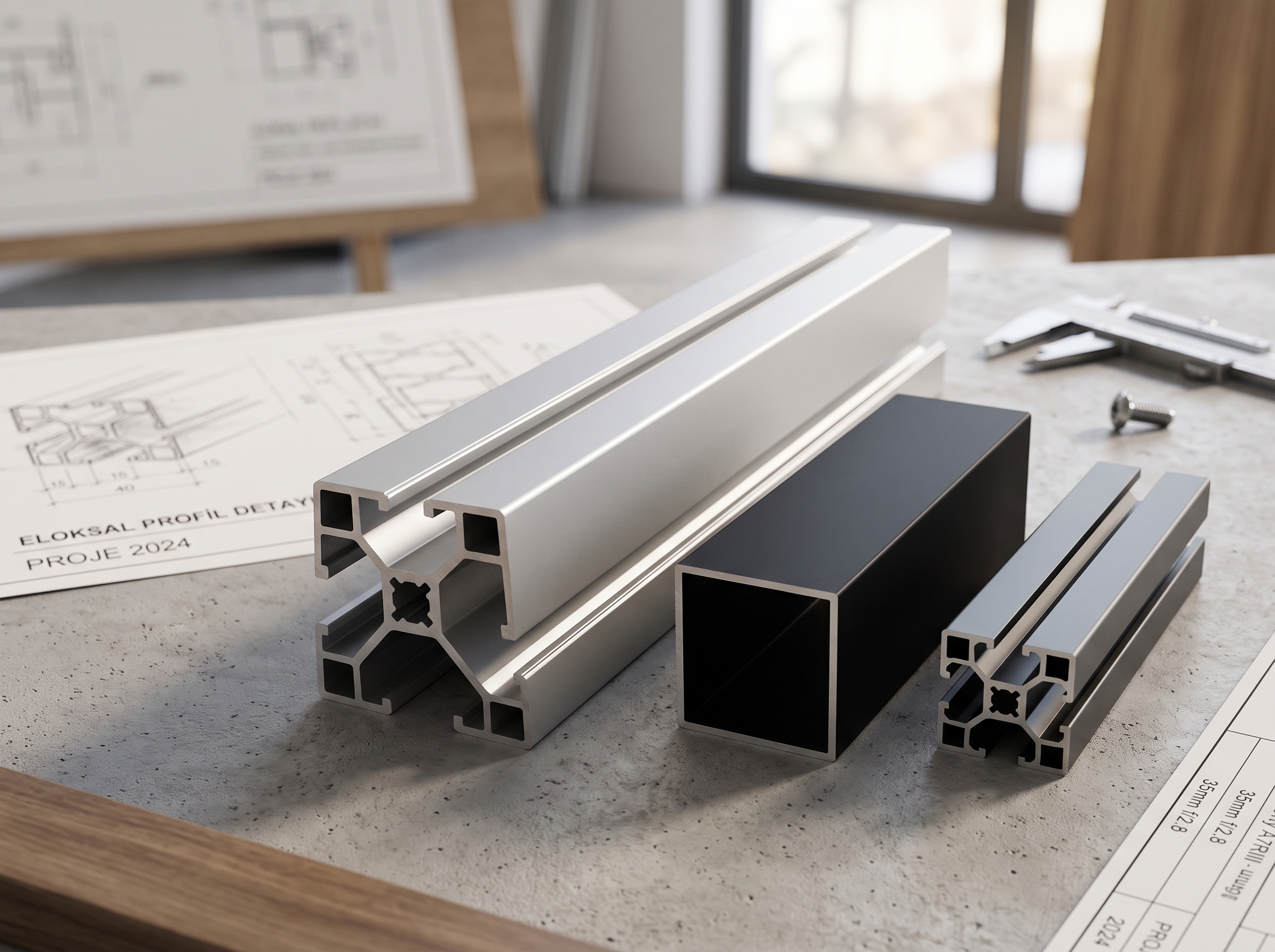
At our facility, aluminum profiles go through a specialized finishing process after extrusion. Through electrostatic powder coating, we add an additional protective layer over the aluminum’s natural oxide surface.
This process provides:
- Higher resistance against impacts
- Improved protection against chemicals
- Enhanced weather durability
At the same time, powder coating allows us to offer an endless range of color options, combining durability with aesthetic appeal.
The result is not only a strong product, but also one that looks visually outstanding.
Why Aluminum?
These unique properties are exactly why aluminum has become an essential material in modern life.
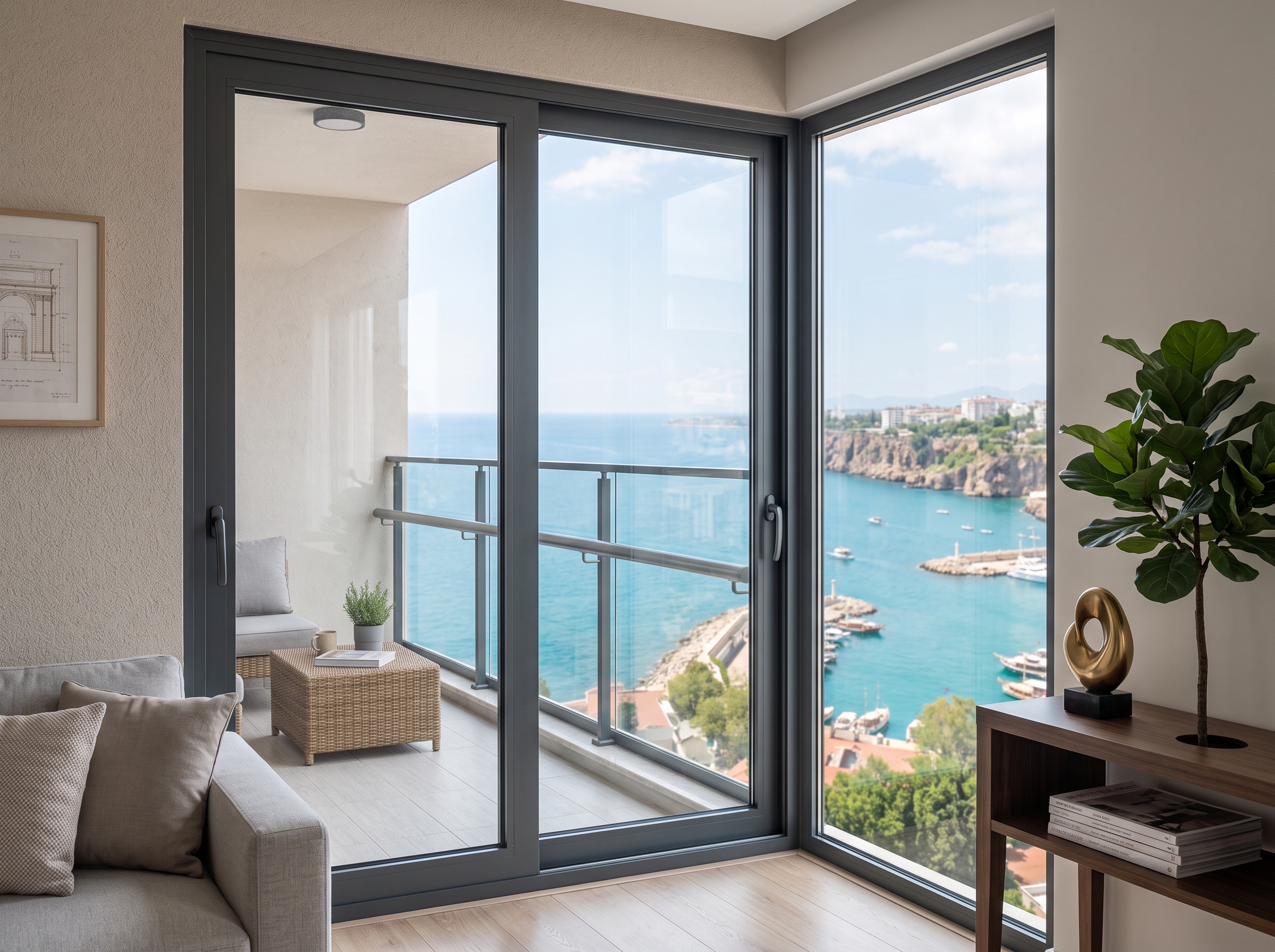
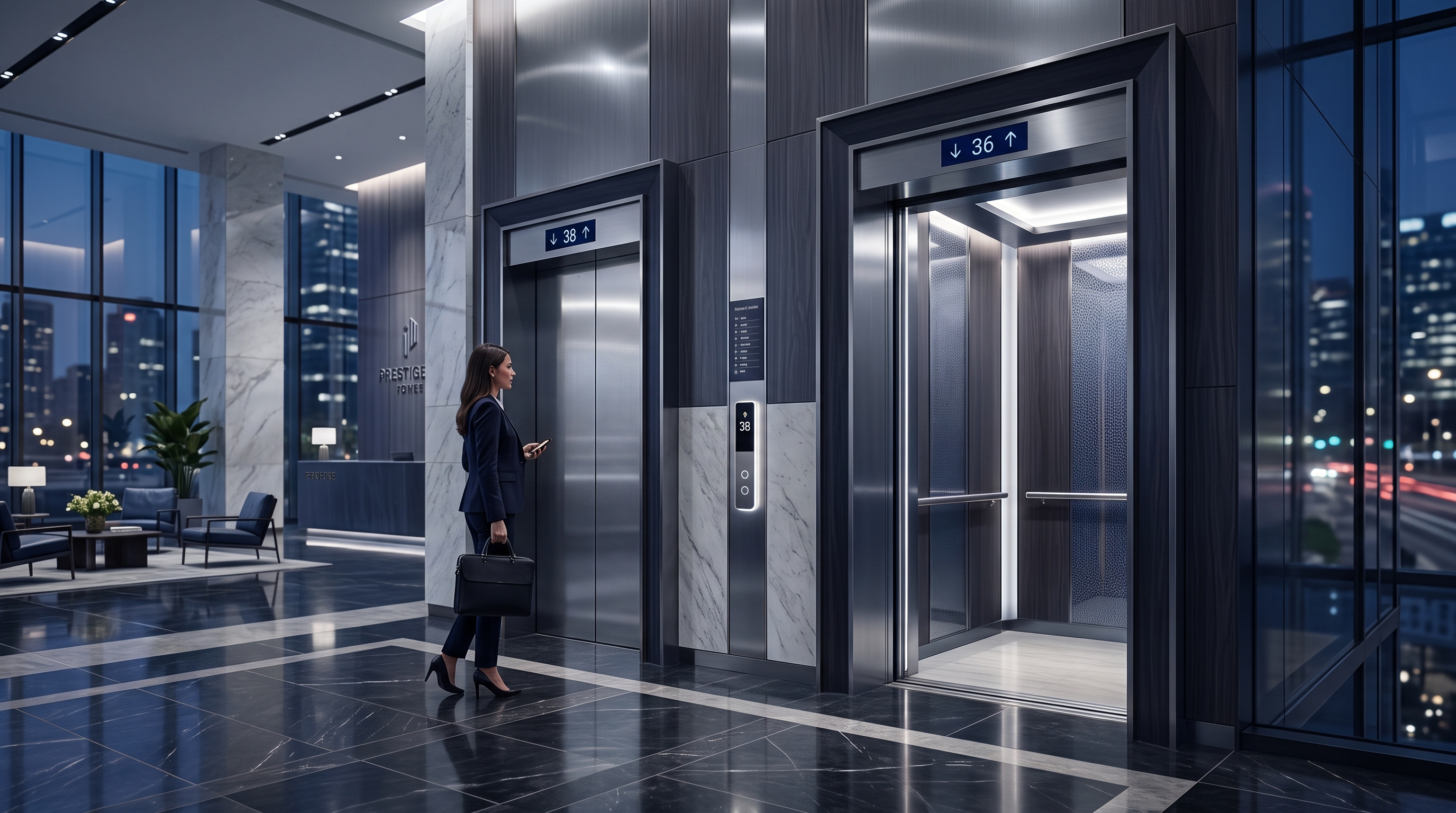
From skyscraper facades and residential window systems to marine applications and automobiles, the main reason we rely on this lightweight yet strong metal is its exceptional resistance against time and nature.
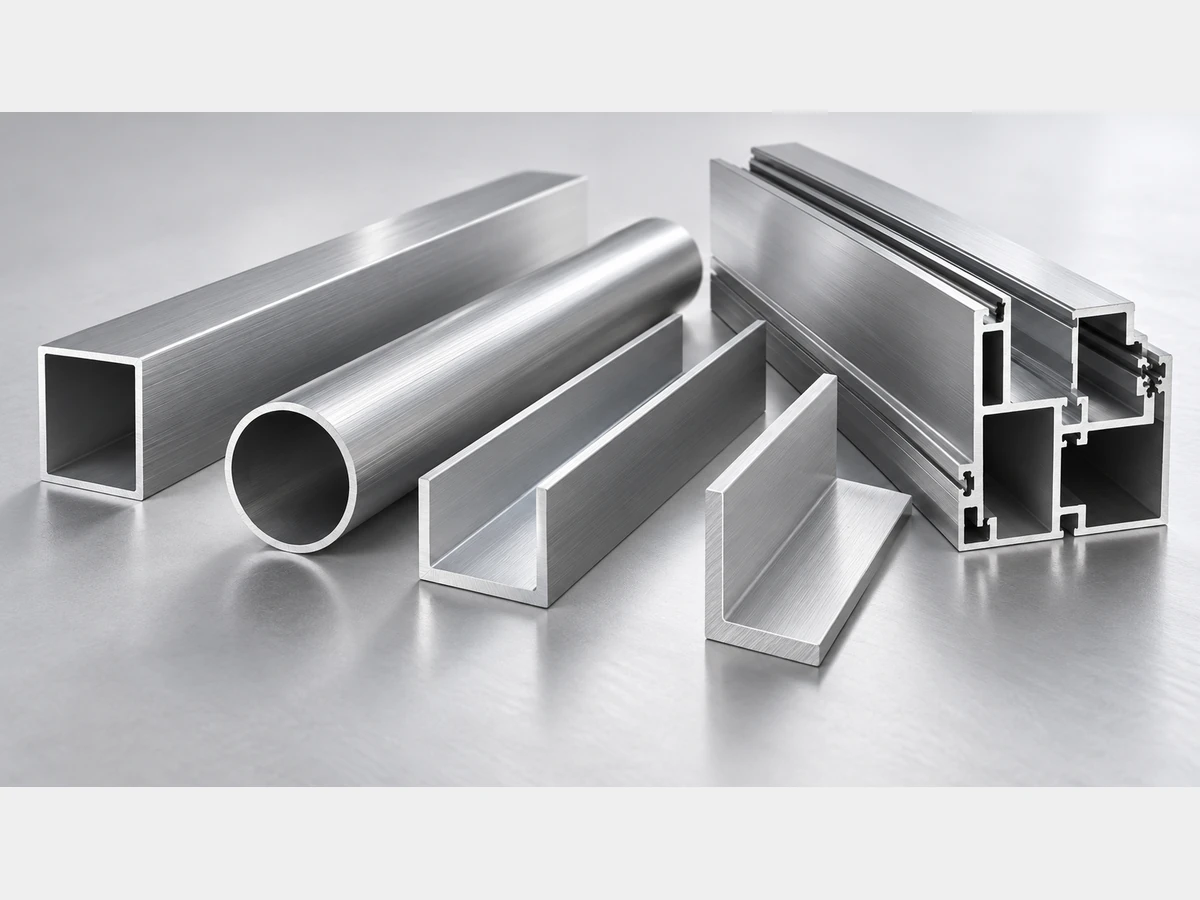
As a company, we approach every stage of production — from manufacturing aluminum billets to producing finished aluminum profiles — with a deep understanding of this natural durability.
Because we know that every aluminum product we manufacture carries an invisible shield capable of resisting the effects of time for many years to come.