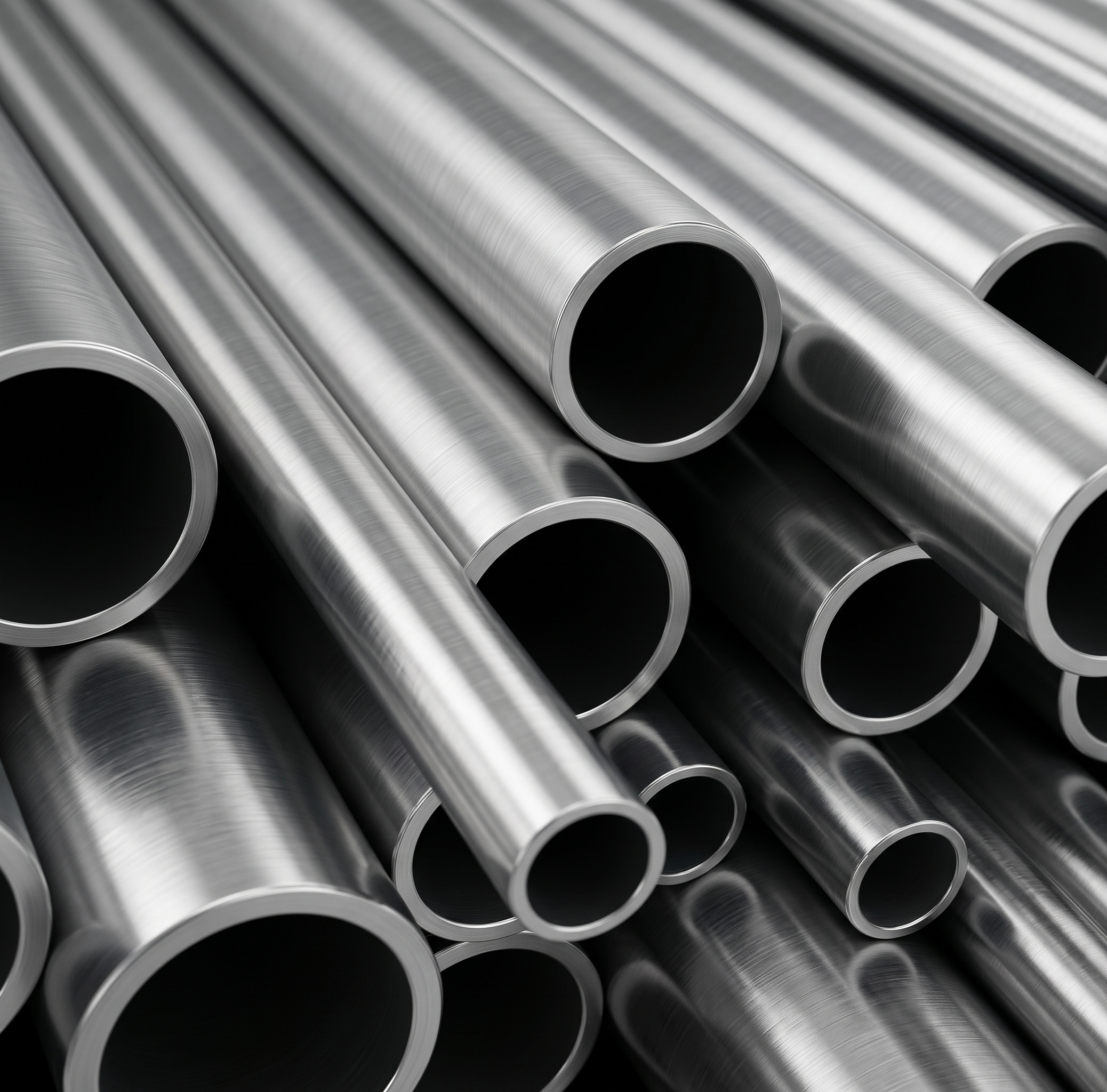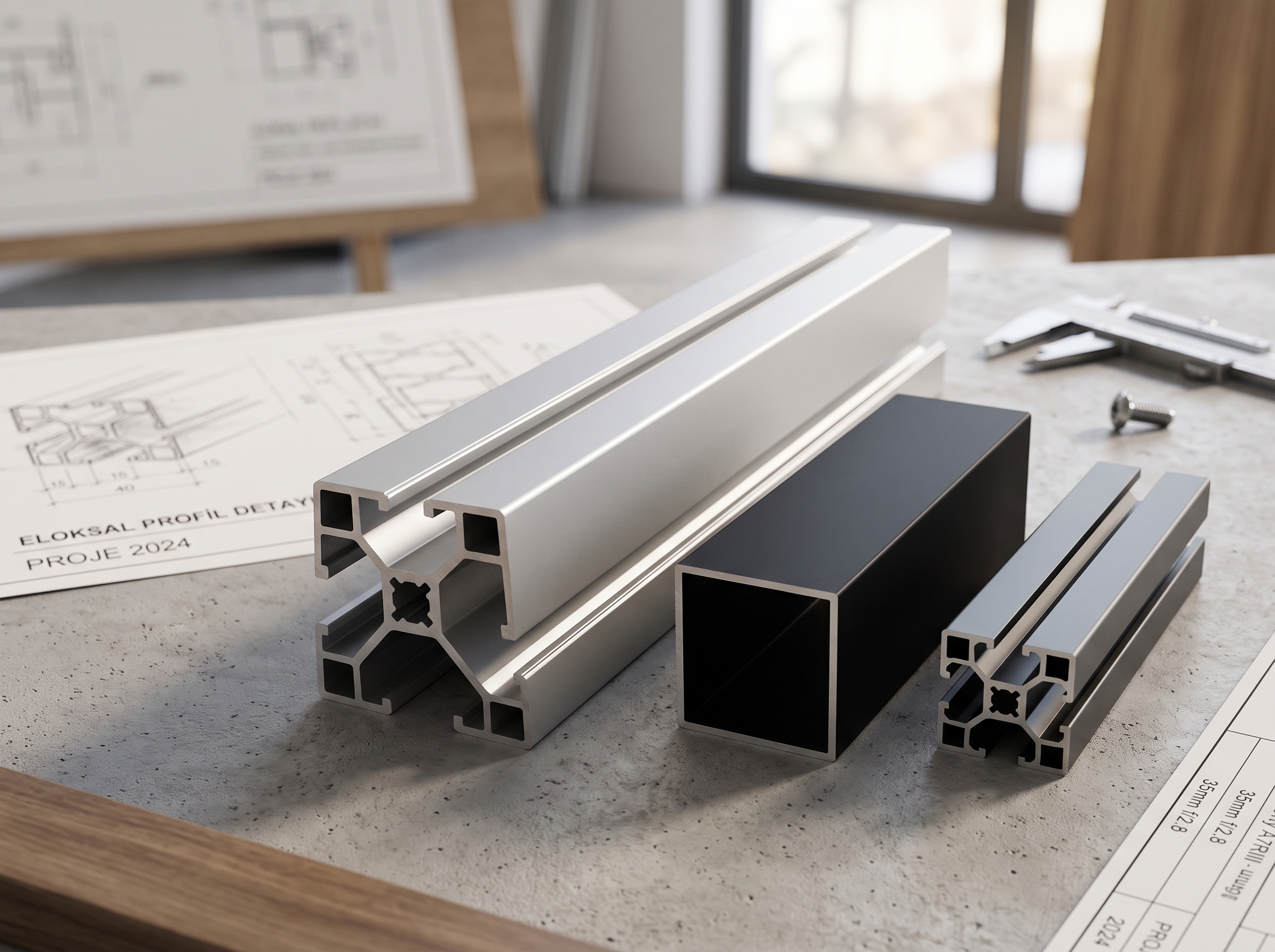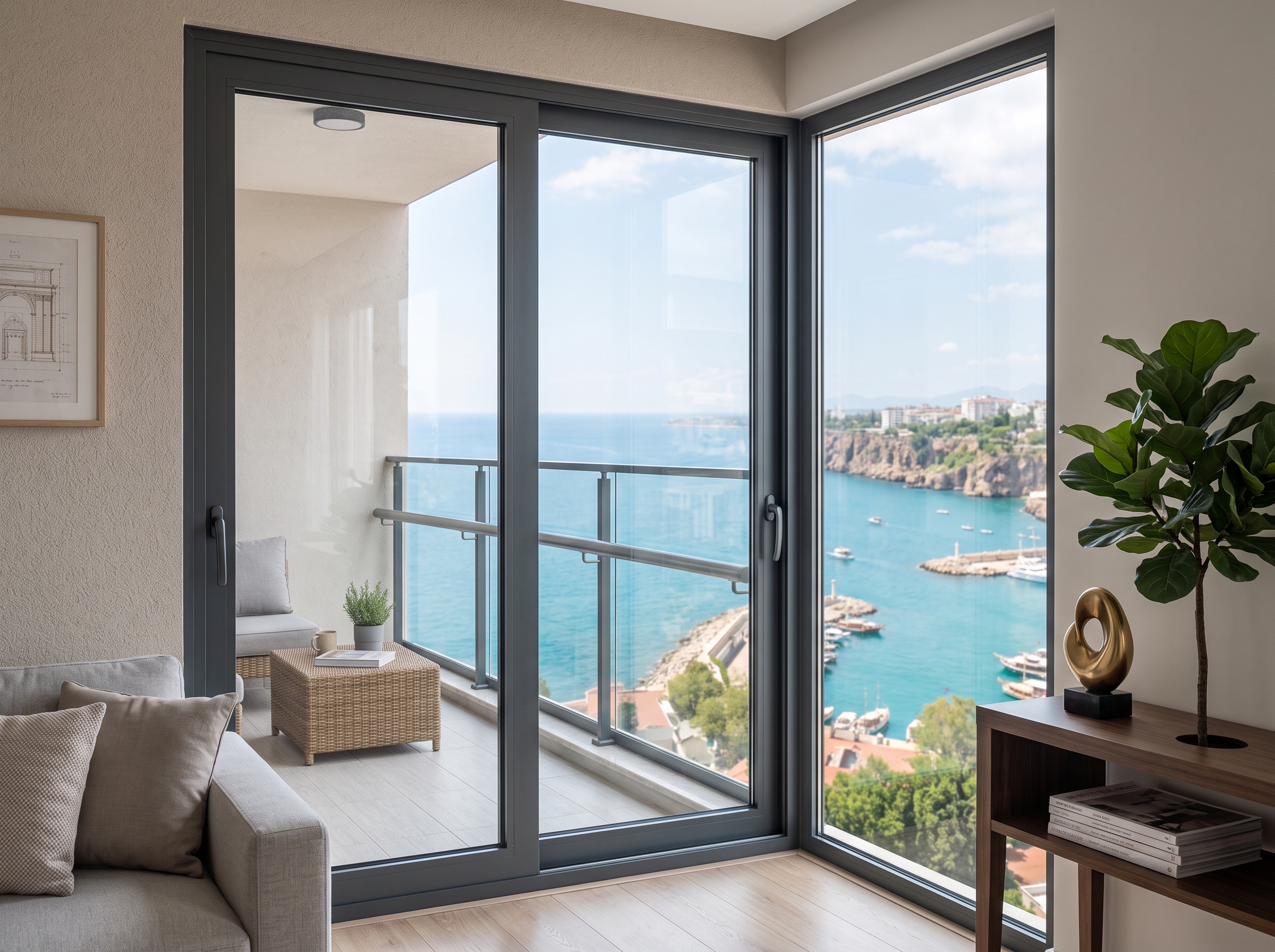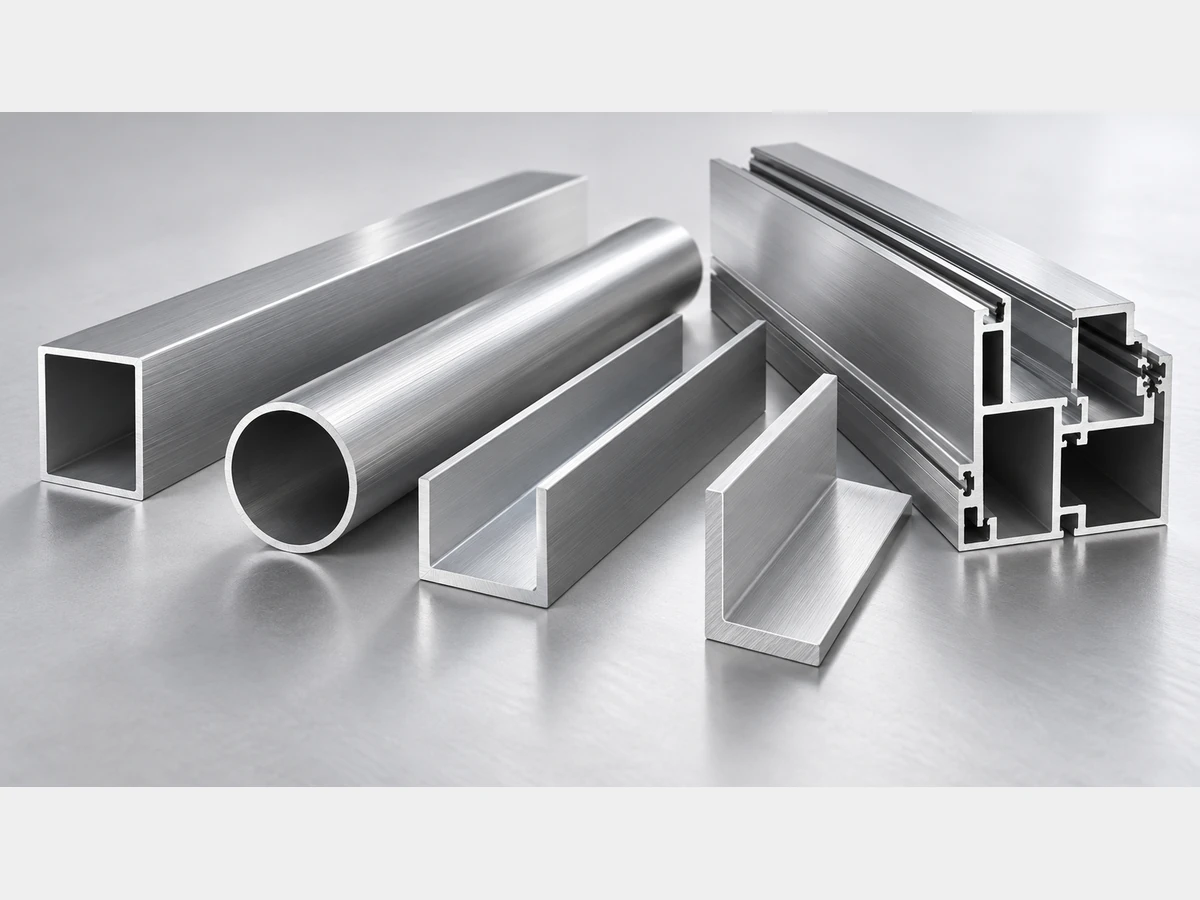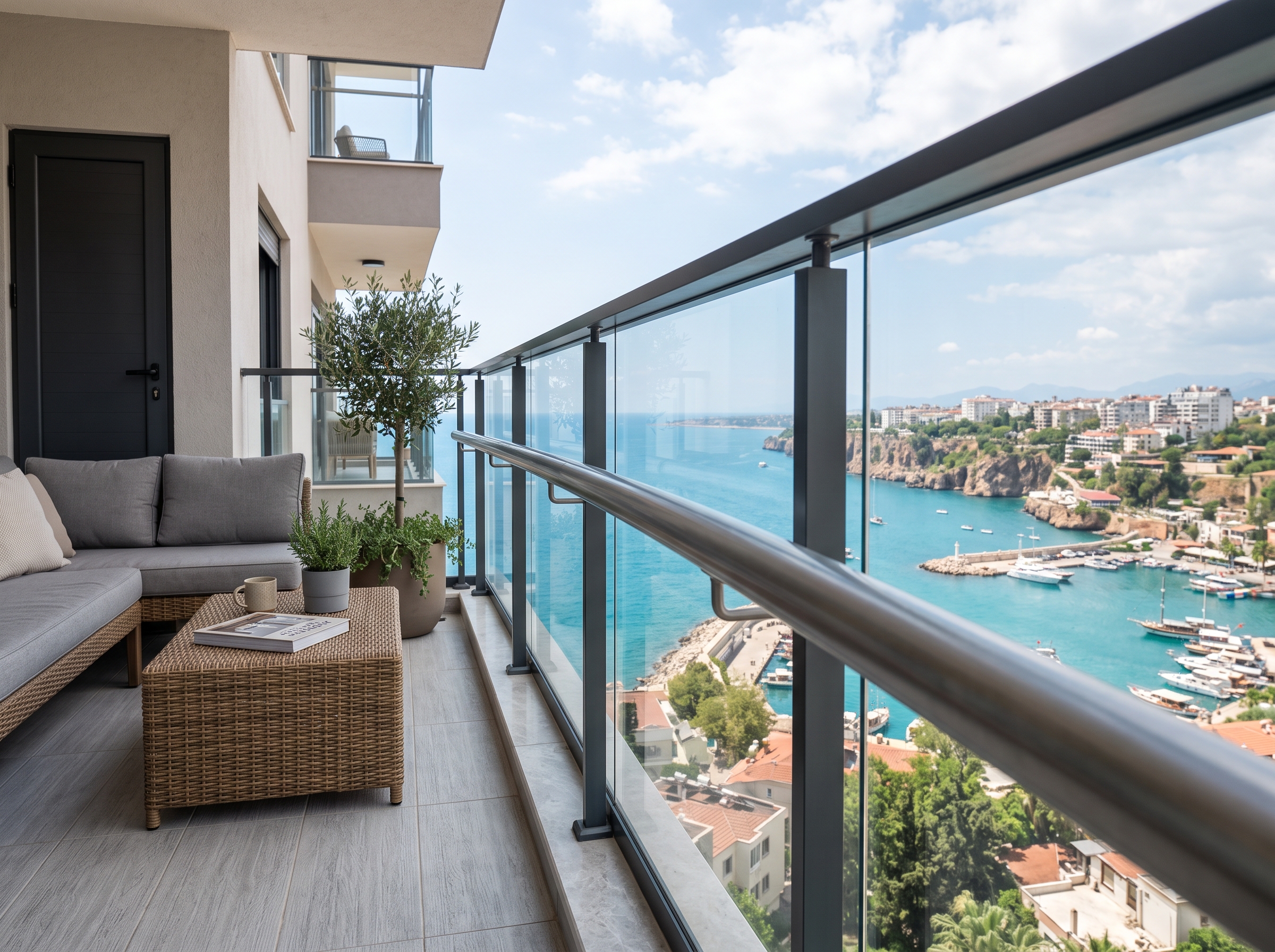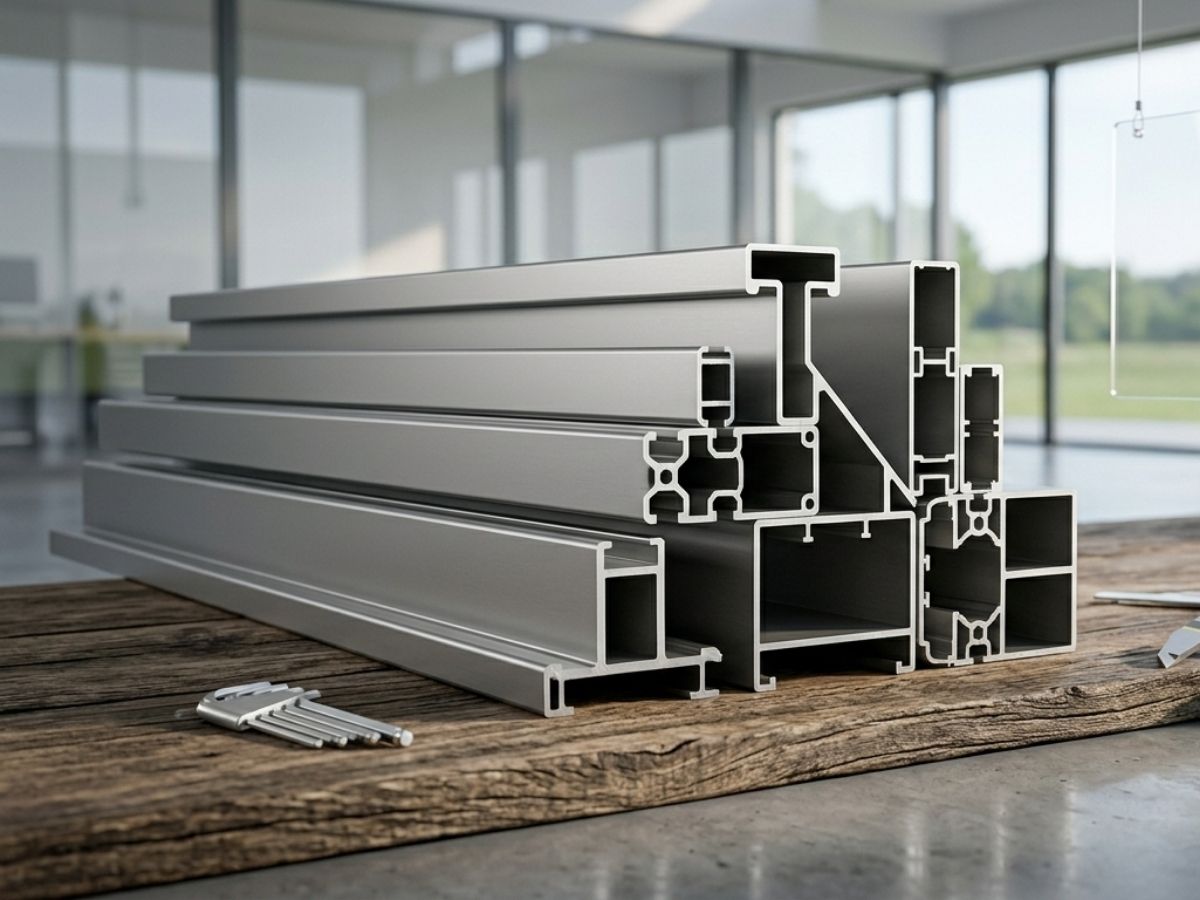
The door and window profiles in our homes and offices, the frame of the chair you are sitting on, or even the chassis of your laptop were most likely produced using the same method: aluminum extrusion. In this process, a heated aluminum billet is forced through a die under high pressure using extrusion presses, transforming it into the desired profile shape.
For engineers, the appeal of extrusion lies in a simple equation: one die can produce infinitely long profiles with complex geometries and high surface quality. Hollow sections, asymmetric forms, and thin-wall structures that would be extremely difficult to achieve through casting or machining can be formed within seconds on an extrusion press.
Today, the global aluminum extrusion market exceeds 30 million tons annually and continues to grow with increasing demand from the construction, automotive, aerospace, defense, and electronics industries.
What Is the Basic Principle of Aluminum Extrusion?
Extrusion is the process of forcing material through a die opening to create long parts with a constant cross-section. Think of a pasta machine: dough passes through a shaped opening and emerges in the shape of the mold. Aluminum extrusion works on the same principle, although the scale, pressure, and material behavior are significantly different.
There are two primary extrusion methods:
What Is Direct Extrusion?
In direct (forward) extrusion, the ram moves in the same direction as the aluminum billet. This is the most widely used method in the aluminum industry because it is simple, reliable, and capable of high production speeds.
What Is Indirect Extrusion?
In indirect (backward) extrusion, the die moves toward the billet while the ram remains stationary. Friction forces are significantly lower, reducing energy consumption and providing a more uniform temperature distribution throughout the billet.
Step-by-Step Aluminum Profile Manufacturing Process
Step 1: Billet Selection and Preparation
Everything starts with selecting the right aluminum billet. Depending on the alloy requirements of the final profile—such as 6063 for architectural profiles or 6061 for structural applications—the appropriate billet is chosen. The billet diameter must also match the extrusion press container size.
Step 2: Billet Heating
The aluminum billet is heated in an extrusion furnace to a temperature typically ranging between 440°C and 500°C, depending on the alloy.
This temperature range is critical:
- If the temperature is too low, the material cannot properly flow through the die.
- If it is too high, hot tearing may occur, damaging the profile surface.
Modern extrusion furnaces are equipped with advanced control systems to ensure uniform temperature distribution throughout the billet.
Step 3: Shaping in the Extrusion Press
The heated billet is placed into the extrusion press container. A ram applies pressure ranging from 500 to 15,000 US tons.
Under this enormous pressure, the aluminum becomes plasticized and flows through the die opening at the front of the container, emerging in the shape of the die. Regardless of the complexity of the die design, the profile is produced continuously and uniformly.
Extrusion speed may vary from 1 meter to 100 meters per minute depending on the alloy and profile complexity. Highly extrudable alloys such as 6063 can achieve much higher production speeds.
Step 4: Quenching
As the hot aluminum profile exits the die, it immediately enters the quenching zone.
Here, the profile is rapidly cooled using:
- Air
- Water mist
- Water jets
This stage is particularly critical for heat-treatable alloys such as 6061 and 6063 T6. Rapid cooling keeps alloying elements dissolved in the aluminum matrix, enabling maximum strength development during the aging process.
Step 5: Stretching
After cooling, the aluminum profile undergoes controlled stretching to eliminate minor twisting and bending caused during extrusion.
Stretching:
- Improves dimensional accuracy
- Balances internal stresses
The stretching amount generally ranges between 0.5% and 2% of the profile length.
Step 6: Cutting
The stretched profiles are cut into commercial lengths—typically 6 meters or according to customer requirements—using circular saws.
Cutting speed and precision are adjusted based on tolerance requirements.
Step 7: Artificial Aging (For T6 Temper)
If a T6 temper is required, the profiles are kept in aging ovens at temperatures between 160°C and 180°C for 6 to 12 hours.
During this process, Mg₂Si precipitates distribute uniformly throughout the aluminum matrix, restricting dislocation movement and significantly increasing strength.
In T5 temper production, the extrusion exit temperature is already sufficient, so a separate solution heat treatment stage is not required.
Step 8: Surface Treatment (Optional)
Depending on the application, aluminum profiles may undergo various surface treatments:
Anodizing
The oxide layer on the aluminum surface is thickened through an electrochemical process. This improves corrosion resistance and enhances appearance. It is the standard finish for architectural profiles.
Powder Coating
Electrostatic powder coating offers a wide variety of colors with excellent UV resistance and long-lasting durability.
Wood Grain Finish
Wood-like surfaces are achieved through heat transfer printing technology. This finish is popular in architectural and furniture applications.
Mechanical Polishing
Used for decorative or reflective surfaces requiring enhanced optical appearance.
Extrusion Dies: Design and Importance
The heart of the extrusion process is the die.
Extrusion dies are manufactured from hot-work tool steels such as H13 or H11 and are heat-treated to withstand:
- Hundreds of tons of pressure
- Temperatures exceeding 450°C
Key factors in die design include:
Profile Geometry
Solid and hollow profiles require fundamentally different die designs. Hollow profiles are typically produced using porthole dies.
Flow Balance
Metal flow speed across the die opening must remain balanced. Uneven flow can cause twisting and profile distortion.
Die Bearing Angles
The transition angles from billet to die opening directly affect material flow and pressure distribution.
Thermal Expansion Compensation
Since the die expands during operation, room-temperature dimensions must be calculated accordingly.
A well-designed die can produce tens of thousands of tons of profiles. A poorly designed die may cause scrap and dimensional deviations from the very first production run.
Quality Control in Aluminum Extrusion Profiles
Quality control is performed throughout every stage of the extrusion process.
Main inspection parameters include:
Dimensional Tolerances
Profile dimensions are checked according to EN 755 or ASTM B221 standards.
Surface Quality
Surface defects such as scratches, folds, and flow lines are detected through visual and optical inspections.
Mechanical Properties
Tensile strength, yield strength, and hardness values are tested using standardized samples.
Chemical Composition
Optical emission spectrometry (OES) verifies that alloying elements remain within tolerance limits.
Straightness and Flatness
Profiles are inspected for geometric deviations after stretching and cutting.
Which Aluminum Alloy Should Be Selected for Extrusion?
Not all aluminum alloys are equally suitable for extrusion. Alloy selection directly impacts both production efficiency and final product performance.
6063 Aluminum Alloy
Offers excellent extrudability and is ideal for complex, thin-wall sections. It is the standard alloy for architectural profiles.
6061 Aluminum Alloy
Provides higher strength but is more difficult and slower to extrude. Commonly used in structural and automotive applications.
6082 Aluminum Alloy
Widely used in Europe for structural applications with properties similar to 6061.
6005A Aluminum Alloy
Optimized for transportation profiles such as train and vehicle body structures.
1050 / 1070 Aluminum Alloys
Primarily used for electrical conductor busbars. Extrusion is easy, but strength is relatively low.
Frequently Asked Questions About Aluminum Extrusion
What Is the Main Difference Between Extrusion and Casting?
Extrusion involves forcing solid-state (plasticized) material through a die under pressure, while casting involves pouring molten metal into a mold.
Extrusion provides:
- Better dimensional tolerances
- Superior surface quality
- Improved mechanical properties
Casting, however, offers greater flexibility for highly complex three-dimensional geometries.
How Long Does an Extrusion Die Last?
Die life depends on the alloy, profile geometry, and maintenance conditions.
With proper maintenance, a die can produce between 10,000 and 50,000 meters of profile. Surface treatments such as nitriding and regular cleaning significantly extend die life.
What Is the Minimum Production Quantity?
This depends on press capacity and billet size.
Generally, an economical minimum order quantity ranges between 500 kg and 1 ton. Smaller quantities are technically possible but result in higher unit costs.
How Are Hollow Aluminum Profiles Produced?
Hollow profiles are manufactured using porthole dies with multiple inlet channels.
The aluminum flows around bridge supports inside the die, separates into multiple streams, and then rejoins. These rejoining points are called weld seams. Under sufficient temperature and pressure, these seams form strong metallurgical bonds.
What Tolerances Can Be Achieved in Aluminum Extrusion Profiles?
According to EN 755-9 standards, tolerances depend on profile dimensions.
For example, a 10 mm surface typically has a standard tolerance of approximately ±0.25 mm. Precision extrusion methods and optimized die designs can achieve much tighter tolerances.
Conclusion
Manufacturing aluminum profiles through the extrusion process is a disciplined engineering operation where every stage—from billet selection and die design to temperature control and surface finishing—is interconnected.
When the right billet, alloy, die design, and heat treatment conditions come together, the result can be anything from a bridge profile carrying thousands of tons to a window system opened and closed millions of times.
If you would like to determine the most suitable profile geometry, alloy, and surface treatment for your project, feel free to contact our expert team.