Production Process and Applications of Aluminum Billets
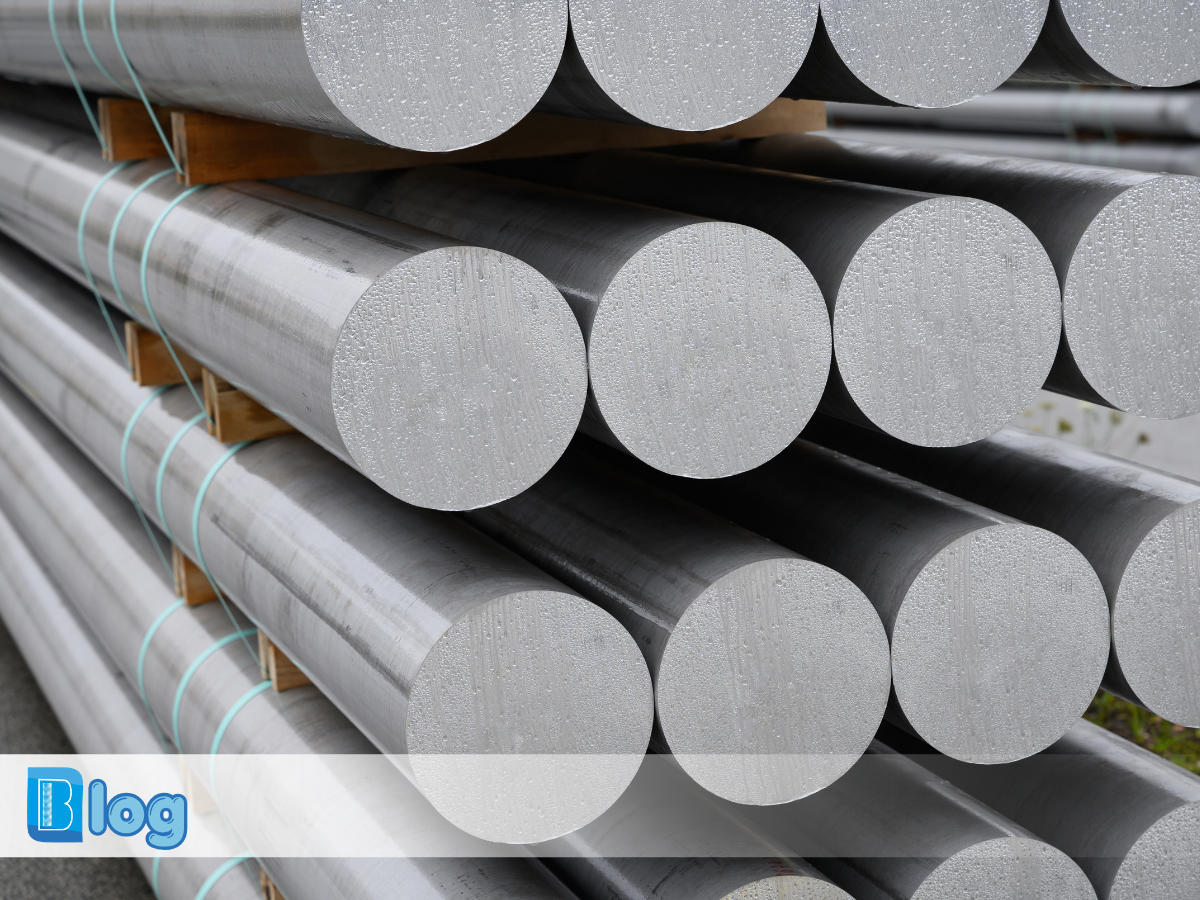
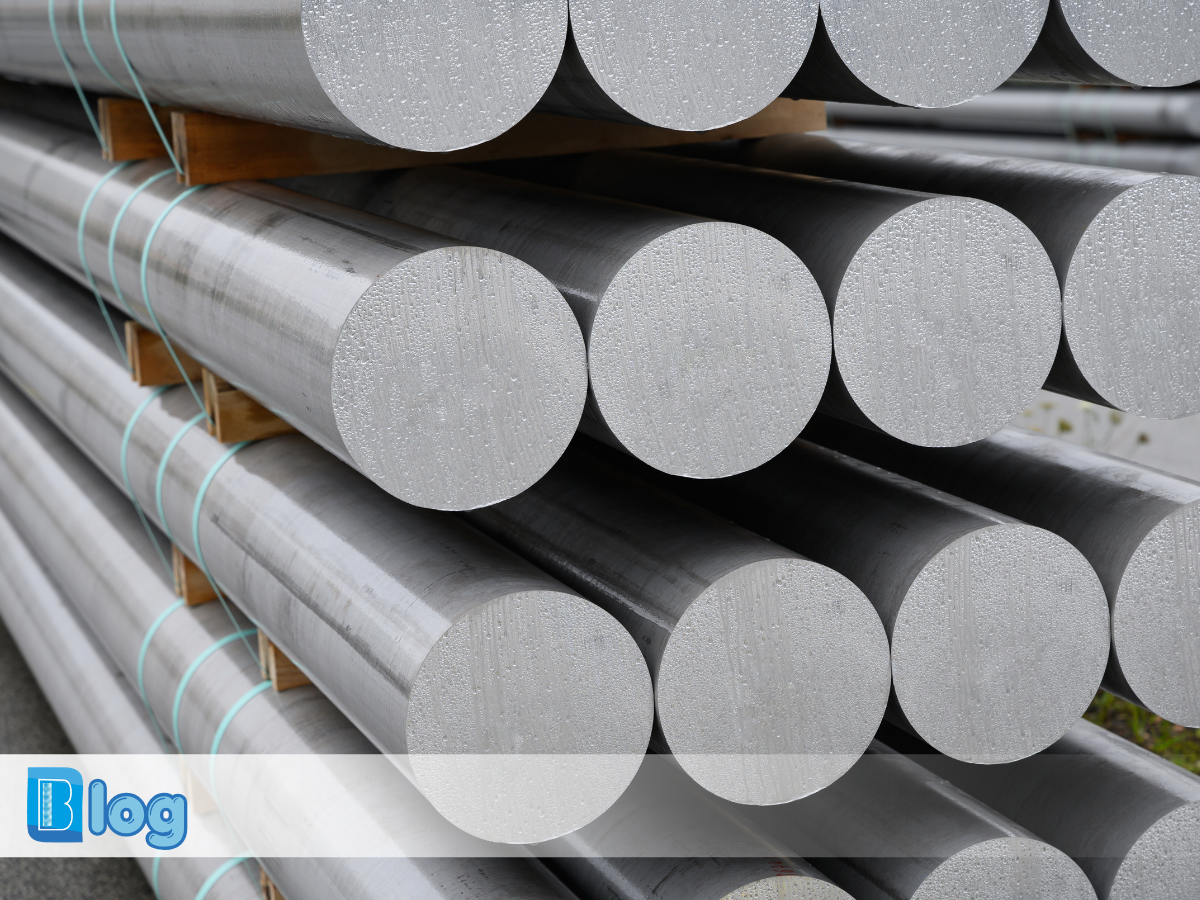
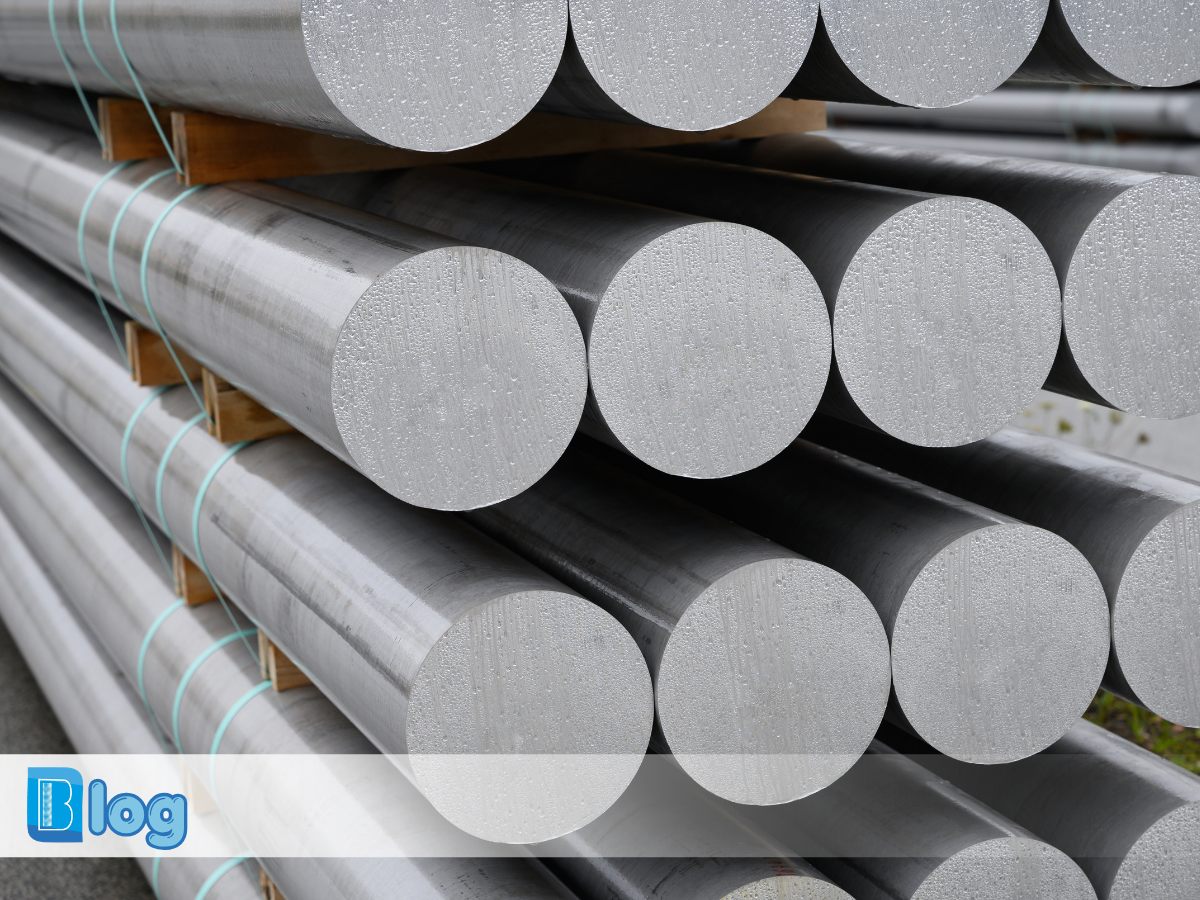
Aluminum billets are solid semi-finished aluminum products with cylindrical or square cross-sections, used as raw materials in advanced manufacturing processes such as extrusion, forging, and machining.
Their diameters generally range between 76 mm and 406 mm, while their lengths are customized according to the intended application.
At first glance, aluminum billets may seem like a minor intermediate product — but in reality, they are the starting point of an entire manufacturing chain. From bridge profiles to aircraft components, from smartphone bodies to electric vehicle chassis, everything begins with the billet. A poorly produced or incorrectly selected billet inevitably leads to defects in the final product. A high-quality billet, however, forms the foundation of reliable production.
Nearly all aluminum extrusion profiles produced worldwide start from aluminum billets. The global market size exceeds 30 million tons annually.
What Exactly Is an Aluminum Billet?
Technically speaking, a billet is a solid semi-finished metal product whose length-to-diameter ratio is greater than one.
In the aluminum industry, this practically means:
A cylindrical or square-sectioned product obtained by casting molten aluminum under controlled conditions and solidifying it into a form ready for extrusion presses or forging equipment.
Billets are often confused with ingots or slabs. However, the differences are critical:
- Ingot: A large raw metal block cast in irregular or rectangular form, generally intended for remelting.
- Slab: A flat semi-finished product designed for rolling into sheets or foils.
- Billet: A cylindrical or square semi-finished product specifically manufactured for extrusion or forging applications.
In short:
The ingot is the raw metal itself, while slabs and billets are refined semi-finished forms prepared for the next manufacturing stage.
How Are Aluminum Billets Produced?
Aluminum billets are primarily produced using two methods:
- Direct Chill Casting (DC Casting)
- Electromagnetic Casting
Among these, DC casting is the dominant industrial method.
1. Raw Material Preparation and Melting
The process begins by melting primary aluminum (pure aluminum produced through electrolysis) or recycled aluminum ingots and scrap in melting furnaces operating at temperatures between 700–780°C, typically fueled by natural gas.
Depending on the target alloy composition, alloying elements such as magnesium, silicon, and copper are added with precise dosing.
2. Refining and Degassing
Hydrogen gas and oxide residues inside molten aluminum can cause porosity and surface defects in the final product.
During this stage, gases such as argon, nitrogen, or chlorine-based agents are injected into the melt to remove hydrogen through a process called degassing.
Afterward, filtration removes oxide particles.
This is one of the most critical steps in producing high-quality billets.
3. DC Casting (Direct Chill Casting)
The refined molten metal flows into a DC casting table equipped with a movable bottom platform.
As the molten aluminum contacts the water-cooled mold walls, it solidifies rapidly.
While the platform slowly moves downward, fresh molten aluminum continuously feeds the mold from above.
The result is:
A long, homogeneous aluminum billet with minimized internal stress and a consistent grain structure.
DC casting ensures homogeneous grain distribution and uniform alloy composition throughout the billet — both essential for smooth extrusion flow and superior surface quality.
4. Homogenization Heat Treatment
After casting, the billet is kept in a homogenization furnace at temperatures between 540–590°C for 4 to 12 hours.
This process eliminates segregation, which occurs when alloying elements concentrate unevenly during solidification.
Homogenized billets behave much more consistently during extrusion, resulting in:
- Longer die life
- Improved surface quality
- Better extrusion stability
5. Cutting and Surface Treatment
The homogenized billet is cut into specified lengths according to customer requirements.
Optionally, a peeling process can be applied, where the outer surface is machined off to remove oxide layers and casting-related surface imperfections.
Peeled billets are especially preferred in applications requiring high surface quality.
How to Identify a High-Quality Aluminum Billet?
Not all billets are produced with the same quality standards.
The primary quality criteria affecting the final product are:
Chemical Composition Accuracy
The ratio of alloying elements must remain within specified tolerances. Any deviation directly affects mechanical performance.
Homogeneous Grain Structure
A fine and evenly distributed grain structure ensures smooth material flow during extrusion.
Low Porosity
Internal voids and gas pockets can cause surface cracks and mechanical weakness.
Low Oxide Content
Oxide residues negatively affect weldability and surface finish quality.
Geometric Tolerance (Straightness & Roundness)
The billet diameter and roundness must fit the extrusion press precisely; otherwise, pressure loss and sealing problems may occur.
Ultimately, billet quality directly determines:
- Surface quality
- Dimensional accuracy
- Mechanical performance
Low-quality billets often result in scrap production and die damage during extrusion.
Where Are Aluminum Billets Used?
Since aluminum billets are intermediate products, consumers rarely see them directly — but they are the essential raw material behind countless products.
Aluminum Extrusion Profile Production
The largest application area for aluminum billets is extrusion.
Heated billets are forced through a die inside an extrusion press to form aluminum profiles.
Products manufactured this way include:
- Aluminum window and door profiles
- Curtain wall systems
- Industrial rails
- Automotive components
- Electronic heat sinks
6063 and 6061 alloy billets are the primary raw materials used in this process.
Forged Components
High-strength forged aluminum parts used in aerospace, automotive, and defense industries are produced from aluminum billets.
Examples include:
- Aircraft landing gear components
- Automotive suspension parts
- Brake calipers
6061, 7075, and 2024 billets are commonly used for forging applications.
CNC Machining
For precision machine components, hydraulic systems, and specialized industrial equipment, aluminum billets are machined using CNC lathes and milling machines.
Homogeneous grain structure and low porosity are essential for achieving:
- Clean surface finish
- Tight machining tolerances
Aluminum Tube Production
Extruded aluminum tubes used in:
- Petrochemical plants
- Heat exchangers
- Structural applications
are also produced from billet raw materials.
6061 and 6082 billets are especially common in tube production.
Which Aluminum Billet Alloy Should You Choose?
The alloy number is the most important factor when selecting a billet.
A simplified selection guide is as follows:
- 6063 Aluminum Billet: Architectural profiles, window and door systems, decorative applications. Extrusion performance and surface quality are priorities.
- 6061 Aluminum Billet: Structural applications, automotive components, aerospace parts. Strength and weldability are priorities.
- 6082 Aluminum Billet: Structural applications based on European standards. Similar to 6061 and widely used in Europe.
- 1050 / 1070 Aluminum Billet: Electrical busbars and capacitor foil production. Maximum electrical conductivity is the priority.
- 7075 Aluminum Billet: Aerospace and defense forging applications requiring extremely high strength. Strength is prioritized over corrosion resistance.
When ordering billets, both the alloy number and temper condition must be specified together.
The same 6061 billet can offer very different mechanical properties in T4 and T6 conditions.
Frequently Asked Questions About Aluminum Billets
What is the difference between an aluminum billet and an aluminum ingot?
Aluminum ingots are large raw metal blocks, usually cast in irregular shapes and intended for remelting.
Aluminum billets, however, are refined semi-finished products manufactured in precise diameters and lengths for direct use in extrusion or forging presses.
What billet diameters are available?
Standard aluminum billet diameters range between:
- 76 mm (3 inches)
- 406 mm (16 inches)
The extrusion press capacity determines usable billet sizes.
Custom diameters can also be produced for specialized applications.
Why is homogenization necessary?
During casting, varying cooling rates cause alloying elements to distribute unevenly across the billet section.
Homogenization eliminates this segregation effect, resulting in:
- More consistent extrusion behavior
- Better surface quality
- Longer die life
What is the difference between peeled and unpeeled billets?
After casting, billet surfaces may contain oxide layers and minor surface defects.
In peeled billets, the outer surface is machined away to remove these imperfections.
Peeled billets are especially required for applications demanding superior surface quality, such as visible architectural profiles.
Although slightly more expensive, they provide greater surface quality assurance.
What is the minimum order quantity?
This varies depending on the producer.
Large-scale billet manufacturers generally define minimum orders as one full casting run, typically between 5–20 tons.
For smaller quantities, stock billets or authorized distributors are often preferred.
Conclusion
Aluminum billets may be invisible to end users, but they are one of the most essential intermediate products in modern manufacturing.
From extrusion and forging to CNC machining and tube production, billet quality directly affects the final product.
Every detail matters:
- Alloy selection
- Homogenization quality
- Geometric tolerances
- Surface treatment
For this reason, choosing the right billet supplier is one of the most strategic decisions in the production process.
If you would like technical support in selecting the right billet alloy and specifications for your production, feel free to contact our expert team.