Solar energy systems (PV systems) have become one of the most important renewable energy solutions in recent years, expanding rapidly in both residential and industrial applications. To ensure these systems operate efficiently, safely, and reliably over the long term, the choice of structural materials is critical. Among these materials, aluminium profiles stand out as one of the most important supporting components.
Why Is Aluminium Used in Solar Energy Systems?
Solar panel systems are constantly exposed to harsh environmental conditions, including rain, snow, UV radiation, temperature fluctuations, and wind loads. Aluminium profiles offer an ideal solution to withstand these challenges.
Key Advantages of Aluminium
- High corrosion resistance
- Lightweight yet strong
- Long service life with minimal maintenance requirements
- Excellent extrusion capabilities for complex profile designs
- Fully recyclable and environmentally sustainable
These characteristics make aluminium an indispensable material for solar panel mounting systems.
Which Aluminium Profiles Are Used in PV Systems?
Aluminium profiles used in photovoltaic systems are typically produced through the extrusion process and serve various functions, including:
- Mounting rails
- Clamp profiles
- Connection components
- Support brackets and mounting feet
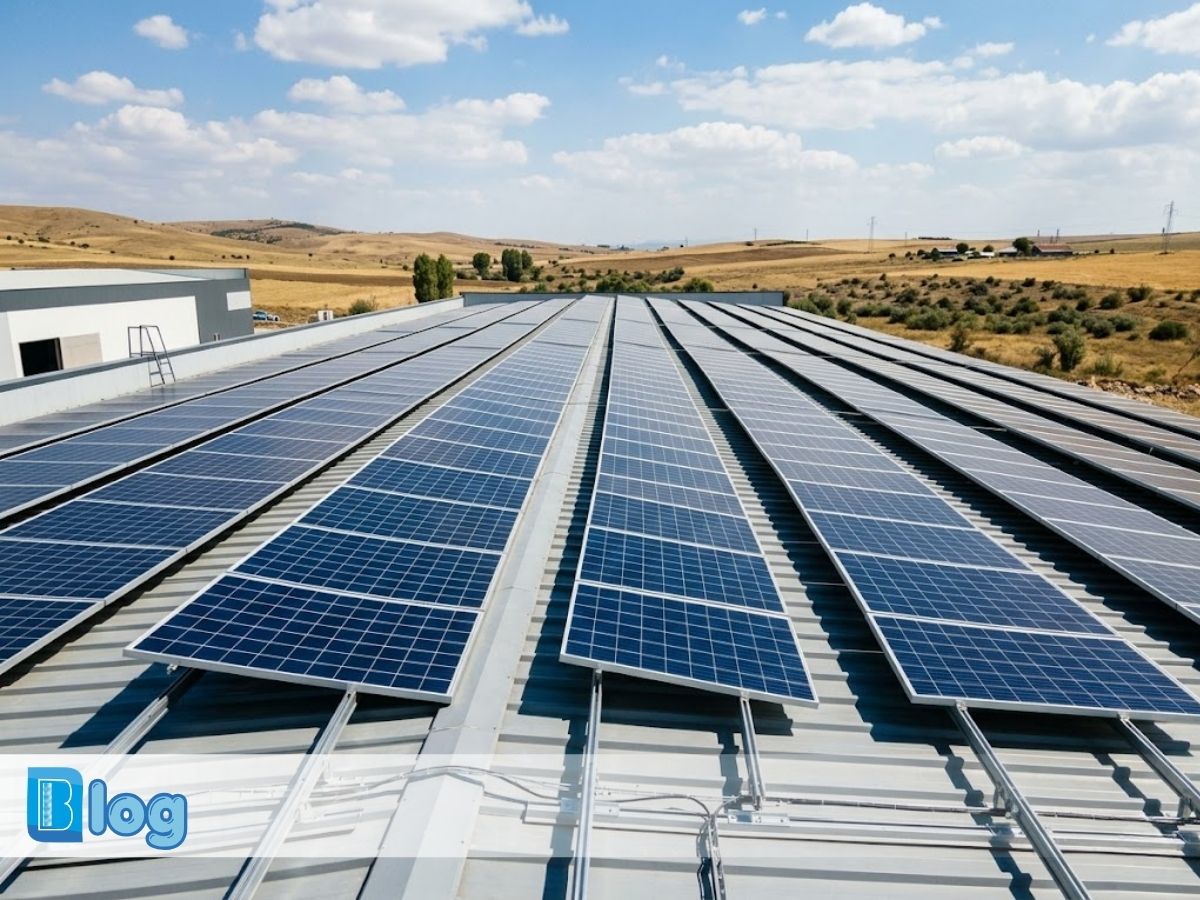
- Ground-mounted and rooftop structural systems
Each of these components plays a direct role in ensuring the stability, safety, and durability of the solar installation.
The Critical Balance Between Strength and Lightweight Design
One of the key engineering requirements in solar energy systems is achieving high structural strength while maintaining low weight. Aluminium provides an excellent balance that distinguishes it from heavier materials such as steel.
Benefits of Lightweight Structures
- Faster installation
- Reduced labor costs
- Lower load on rooftops
- More efficient transportation and logistics
At the same time, the right alloy selection combined with a well-controlled extrusion process ensures excellent mechanical performance and structural reliability.
How Extrusion Quality Affects System Performance
The performance of aluminium profiles used in solar energy systems depends not only on material selection but also on manufacturing quality.
Critical factors include:
- Surface quality and finish
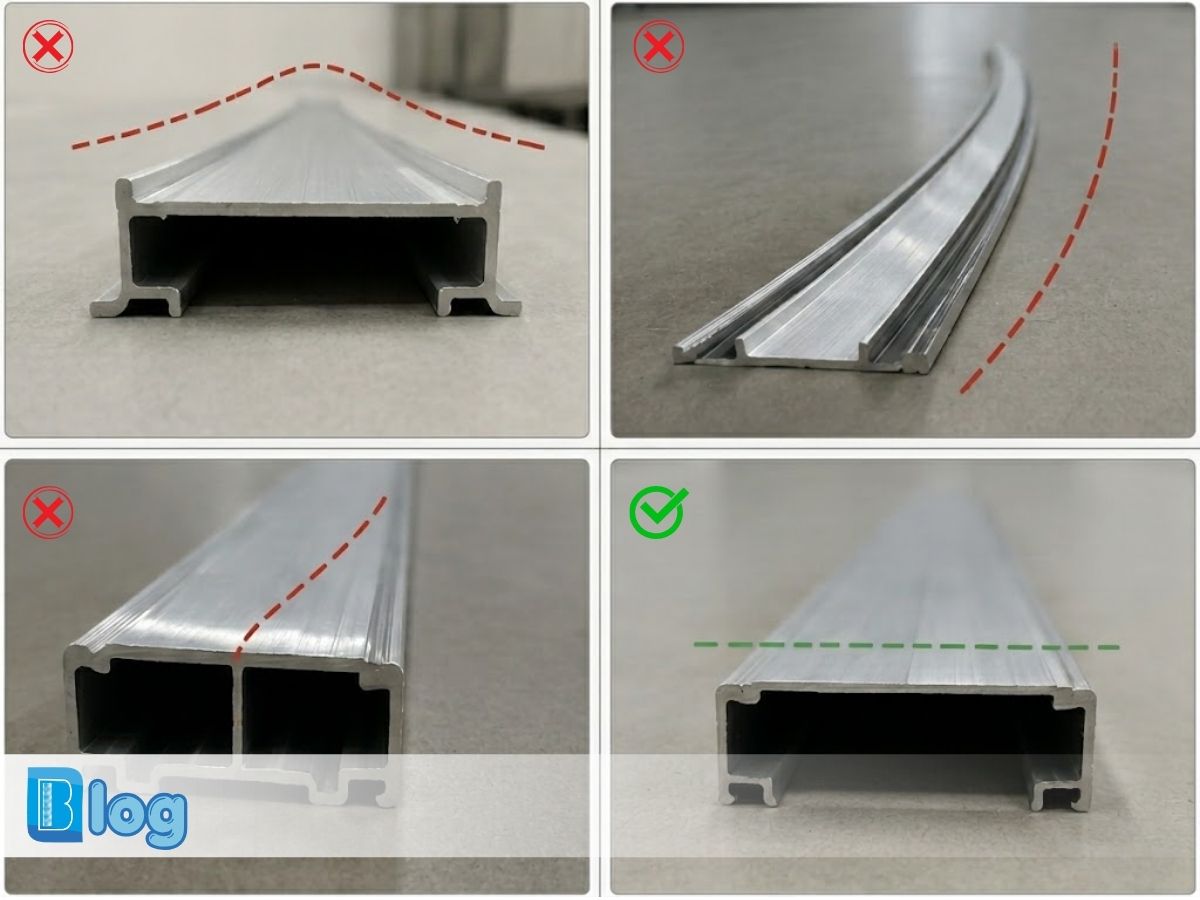
- Dimensional accuracy and tolerances
- Resistance to bending and twisting
- Alloy consistency and homogeneity
These characteristics directly influence assembly efficiency, component compatibility, and long-term system durability.
For this reason, billet quality and advanced extrusion technology are essential in the production of solar mounting profiles.
Sustainable Energy Requires Sustainable Materials
Solar energy systems are built around the concept of sustainability, and aluminium is one of the most suitable materials to support this objective.
Environmental Benefits of Aluminium
- 100% recyclable
- Can be recycled repeatedly without significant loss of properties
- Requires significantly less energy during recycling compared to primary production
These advantages make aluminium not only a technically superior choice but also an environmentally responsible one.
Conclusion
The success of a solar energy system depends not only on the efficiency of the solar panels but also on the quality of the structural components that support them. Aluminium profiles have become a fundamental element of modern photovoltaic systems thanks to their lightweight nature, strength, corrosion resistance, and sustainability.
With high-quality manufacturing, premium billets, and precise profile design, aluminium profiles contribute directly to the performance, reliability, and long-term value of solar energy investments.